Let's cut to the chase: quitting smoking as a woman isn't the same as it is for men. If you've tried and failed before, it's probably not a lack of willpower—it's that most advice ignores how hormones, stress, and societal pressures twist the journey. I've worked with hundreds of women over the years, and the ones who succeed ditch the generic plans for something tailored. Here's what actually works.
What You'll Find in This Guide
Why Women Face Unique Challenges in Quitting Smoking
Most quit-smoking programs treat everyone the same. Big mistake. Women metabolize nicotine faster due to estrogen, according to research from the National Institutes of Health. That means cravings hit harder and more often. Add in menstrual cycles, pregnancy concerns, or menopause, and it's a perfect storm.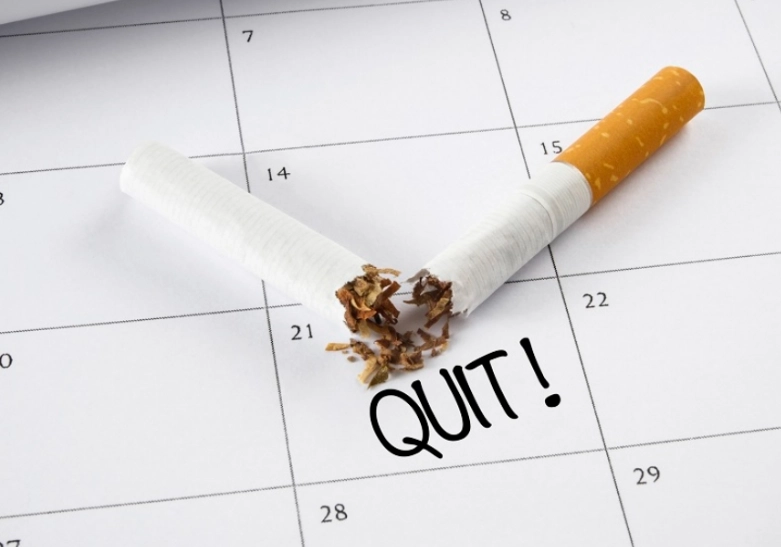
Hormonal Influences on Nicotine Addiction
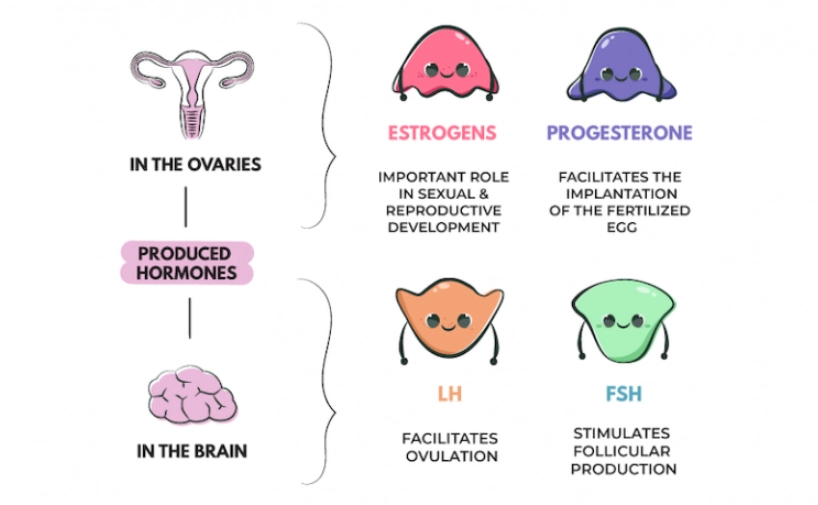
Estrogen isn't just for reproduction—it affects dopamine levels in your brain. When estrogen dips before your period, nicotine cravings can spike. I had a client, Sarah, who always relapsed during her PMS week. She thought she was weak. Turns out, her body was screaming for a dopamine fix. Tracking her cycle and planning quit attempts around her follicular phase (right after her period) changed everything.
Pregnancy adds another layer. Many women quit cold turkey for the baby, but postpartum hormones and stress make relapse common. The CDC notes that support during this time is critical, yet often overlooked.
Social and Psychological Factors
Women often smoke to cope with stress, not just habit. Juggling work, family, and social expectations means cigarettes become a quick escape. Society also ties smoking to weight control—a huge fear. I've heard too many women say, "I'll gain 20 pounds if I quit." That fear can be more paralyzing than the addiction itself.
Here's a non-consensus view: Quitting smoking isn't just about removing cigarettes; it's about rebuilding your stress toolkit. If you don't replace smoking with healthier coping mechanisms, you're setting yourself up for failure.
Proven Strategies for Women to Quit Smoking Successfully
Generic advice like "use patches" or "chew gum" falls short. You need a combo approach that addresses both physical addiction and emotional triggers.
Nicotine Replacement Therapy (NRT) Options That Actually Work
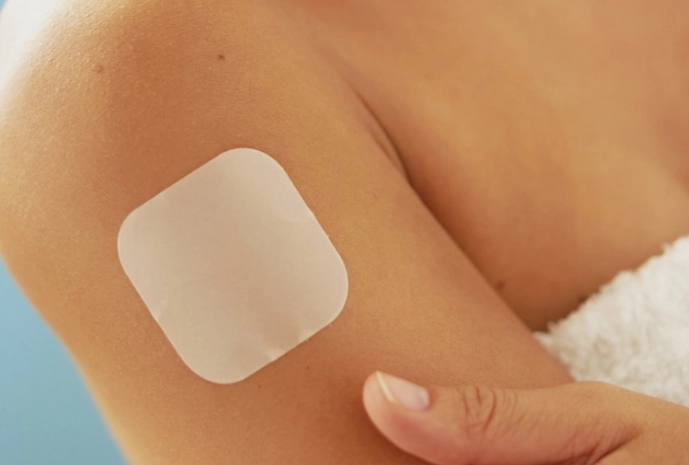
NRT isn't one-size-fits-all. For women, the patch provides steady relief, but keep lozenges or gum handy for breakthrough cravings—especially during hormonal swings. A study cited by the World Health Organization shows combination therapy boosts success rates by up to 50% compared to single methods.
But here's the kicker: many women underdose because they fear dependence. If you smoke a pack a day, a 21mg patch might be necessary. Don't skimp; taper slowly over 12 weeks instead.
Behavioral and Cognitive Techniques
Talk therapy or apps like QuitGenius can help, but the real secret is habit stacking. Pair a craving with a new action. For example, when you crave a smoke after a meal, immediately brush your teeth or sip herbal tea. It sounds simple, but it rewires neural pathways.
Support groups matter too. Women-specific groups, whether online or local, provide empathy men might not get. I've seen anonymous forums like Reddit's r/stopsmoking offer raw, real-time advice that beats generic cheerleading.
| Strategy | Best For | Tips from Experience |
|---|---|---|
| Nicotine Patch + Lozenges | Heavy smokers with hormonal fluctuations | Apply patch in the morning; use lozenge during PMS or stress peaks |
| Mindfulness Meditation | Emotional eaters or anxiety-driven smokers | Try 5-minute sessions via apps like Headspace; focus on breath, not cravings |
| Accountability Partner | Women with busy schedules | Pick someone non-judgmental; text them daily updates, even if you slip |
Managing Common Side Effects and Setbacks
Side effects derail more quit attempts than cravings. Let's tackle the big ones.
Weight Gain Concerns and Solutions
Yes, you might gain some weight. But it's often temporary and manageable. Metabolism slows by about 100 calories a day after quitting. Instead of freaking out, plan ahead. Stock your fridge with pre-cut veggies, hummus, and hard-boiled eggs. When a craving hits, eat protein first—it keeps you full and stabilizes blood sugar.
Exercise isn't about burning calories; it's a distraction. A brisk 10-minute walk can curb a craving and boost mood. I advise clients to schedule short walks after meals, when smoking urges are strongest.
Emotional and Mood Swings
Irritability and anxiety peak in the first month. Hormonal changes amplify this. Instead of toughing it out, acknowledge it. Say out loud, "This is my brain adjusting, not me failing." Deep breathing—inhale for 4 counts, hold for 7, exhale for 8—can calm the nervous system faster than a cigarette.
Sleep disturbances are common too. Avoid caffeine after noon and try magnesium supplements (consult a doctor first). A warm bath before bed can work wonders.
Creating Your Personalized Quit Plan
Forget rigid programs. Build a plan that fits your life. Start by picking a quit date—not on a Monday if you're stressed then. Choose a calm day, maybe after a weekend.
- Week 1-2: Focus on reducing triggers. Identify your top smoking times (e.g., with coffee, after work) and replace them. Switch to tea if coffee triggers cravings.
- Week 3-4: Introduce new rituals. Join a yoga class or start a hobby that keeps your hands busy, like knitting or gardening.
- Month 2 onward: Reinforce progress. Celebrate small wins with non-food rewards, like a new book or a massage.
Use resources like Smokefree.gov for free tools, but tailor them. If you're a night smoker, keep nicotine gum by your bedside. If social smoking is your downfall, practice saying, "I'm taking a break" without explanation.
I recall a client, Maria, who quit during menopause. She used low-dose NRT and joined a online community for menopausal women quitting smoking. The shared stories kept her going when hot flashes and cravings collided.
Your Burning Questions Answered
Quitting smoking as a woman is a journey, not a sprint. It's messy, personal, and totally doable. Start small, be kind to yourself, and remember—every craving you ride out is a step toward a healthier you.



Leave a comment