What's Happening in My Body This Week?
Let's be honest. Most of us think about our menstrual cycle days when we're planning a vacation, a workout, or... well, anything that involves a swimsuit. But what about the other 20-something days?
You know, the days when you're not bleeding. Those days matter just as much.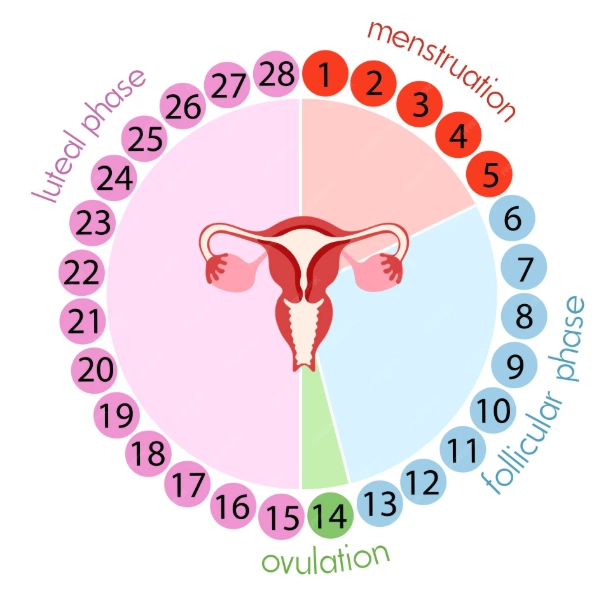
Understanding your menstrual cycle days is like having a secret superpower. It's not just about predicting your period. It's about knowing when you'll have the most energy, the best focus, and even when you might be more prone to certain health issues.
This guide breaks it down, day by day. We'll walk through the four main phases (yes, four, not just your period) and explain what's happening with your hormones, mood, and body.
Think of it as a roadmap to your own body.
The Four Phases of the Menstrual Cycle
The average cycle is 28 days, but anywhere from 21 to 35 days is considered normal. We'll use a 28-day model as a reference.
Here's the breakdown:
- Menstruation (Days 1-5): This is when you have your period. The lining of your uterus sheds through your vagina.
- Follicular Phase (Days 6-14): Your body is preparing for ovulation. Hormone levels are shifting.
- Ovulation (Around Day 14): An egg is released from one of your ovaries. This is your most fertile window.
- Luteal Phase (Days 15-28): If the egg isn't fertilized, hormone levels drop, leading up to your next period.
But here's the thing most articles don't tell you: your energy levels, cravings, and even your skin can change dramatically within each phase. Knowing which day you're on can help you plan your life around it.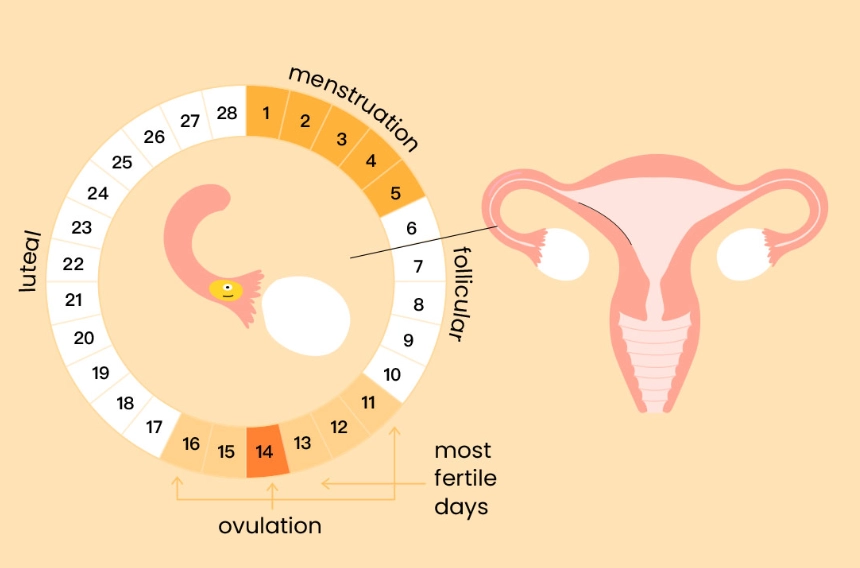
How Hormones Affect You Each Day
Hormones are the driving force behind everything you experience during your cycle. Estrogen and progesterone are the two main players, and their levels fluctuate dramatically.
I've been tracking my cycle for over a decade now. Not because I'm trying to get pregnant, but because I've learned that my productivity, creativity, and even my social tolerance are tied directly to these hormonal shifts.
Here's a day-by-day look at what you might expect:
Days 1-5: Your Period
Estrogen and progesterone are at their lowest. You might feel tired, crampy, and just want to curl up with a heating pad. This is when your body is literally cleaning house.
I used to push through and try to work out on day 2. Big mistake. Now I know that's the day my prostaglandins (the hormones that cause cramps) are at their peak. So I schedule lighter tasks, maybe some gentle stretching, and definitely no high-intensity workouts.
On day 3 or 4, as the bleeding lightens, I often get a surge of clarity. It's like my brain has been rinsed. I can focus deeply for hours. I plan my most important work for these days.
Days 6-14: The Follicular Phase
Estrogen starts to rise. This is often called the "spring" of your cycle. Energy levels increase, mood improves, and for many, this is when they feel most like themselves.
This is the time I schedule my most demanding projects. My brain is sharp, my energy is high, and I can tackle complex problems with ease.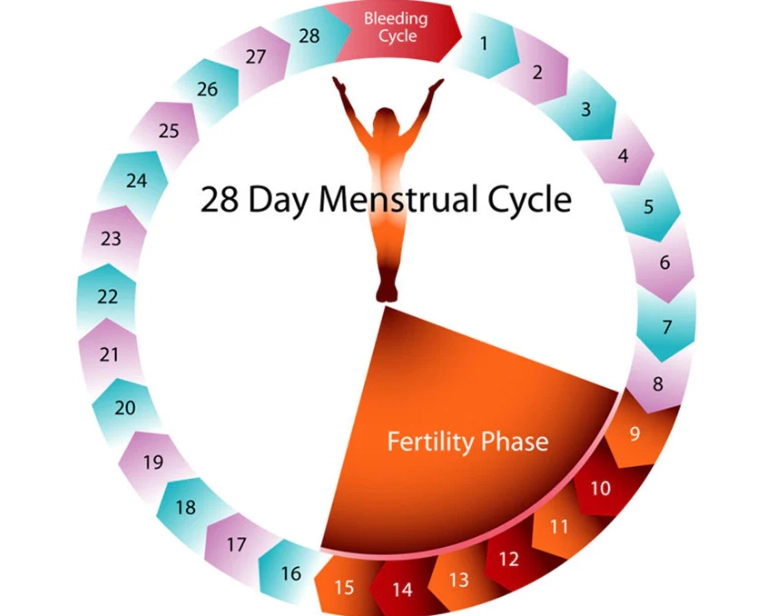
Around Day 14: Ovulation
Estrogen peaks right before ovulation. You might feel a slight twinge on one side (mittelschmerz). Some women experience a boost in libido around this time.
This is also when you're most fertile. If you're trying to conceive, this is your window. If you're not, it's a good time to be extra cautious with contraception.
Days 15-28: The Luteal Phase
Progesterone rises. This is the "fall" or premenstrual phase. Energy levels might start to dip, and you might experience what's commonly known as PMS (premenstrual syndrome).
For me, the week before my period is when I get bloated, my skin breaks out, and I crave chocolate like crazy. I also get a bit more irritable. Knowing this, I don't schedule important meetings or social events during this time. I give myself grace.
But here's a secret I've learned: not everyone experiences PMS the same way. Some women get it bad, others barely notice it. And it can change from cycle to cycle.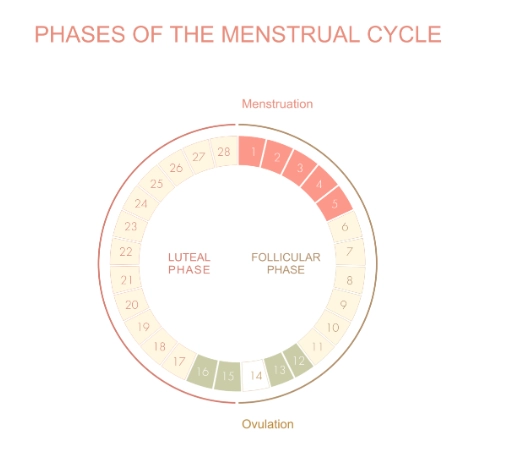
How to Track Your Menstrual Cycle Days
Tracking your cycle is easier than ever. You don't need a fancy app to start, although they can help. A simple calendar works just fine.
Here's how I do it:
I mark the first day of my period with a big "P" in my planner. That's day 1. Then I just keep counting. After a few cycles, you start to see patterns.
You can also track symptoms. I note down things like energy level, mood, any cramps, headaches, cravings... basically anything that feels out of the ordinary.
Over time, you'll start to see your own unique pattern. You might notice that you always get a headache two days before your period. Or that you have a burst of creative energy right after ovulation.
This is powerful information. It allows you to plan your life around your cycle, rather than being surprised by it every month.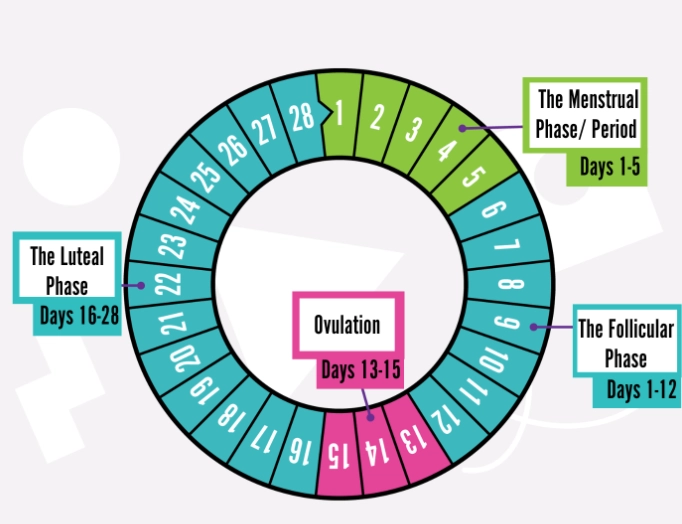
Common Symptoms You Might Experience
Every woman is different. Some sail through their cycle with barely a symptom. Others feel like they're on a hormonal rollercoaster. Here are some common symptoms broken down by phase:
Menstruation (Days 1-5)
- Cramps (dysmenorrhea)
- Fatigue
- Bloating
- Mood swings
- Headaches
Follicular Phase (Days 6-14)
- Increasing energy
- Improved mood
- Clearer skin (for some)
- Higher libido (for some)
Ovulation (Around Day 14)
- Mittelschmerz (that twinge)
- Increased cervical mucus (egg white consistency)
- Potential for spotting
Luteal Phase (Days 15-28)
- Breast tenderness
- Bloating
- Mood swings
- Fatigue
- Food cravings
Again, your experience may vary. The key is to track your own symptoms over several cycles to see what patterns emerge for you.
Can Apps Accurately Predict My Cycle Days?
Apps can be a great tool, but they're not perfect. Most apps use a simple algorithm based on past cycle lengths to predict your next period and fertile window.
This works well if you have a regular cycle. But if your cycles are irregular, the predictions can be way off.
I've found that the apps that work best for me are the ones that allow me to input a wide range of symptoms, not just period dates. The more data you give them, the better they can learn your unique patterns.
But here's the catch: no app can account for sudden lifestyle changes, stress, or illness. These can all throw off your cycle.
So while apps can be a helpful guide, they shouldn't be your only source of information. Your own body's signals are always more reliable.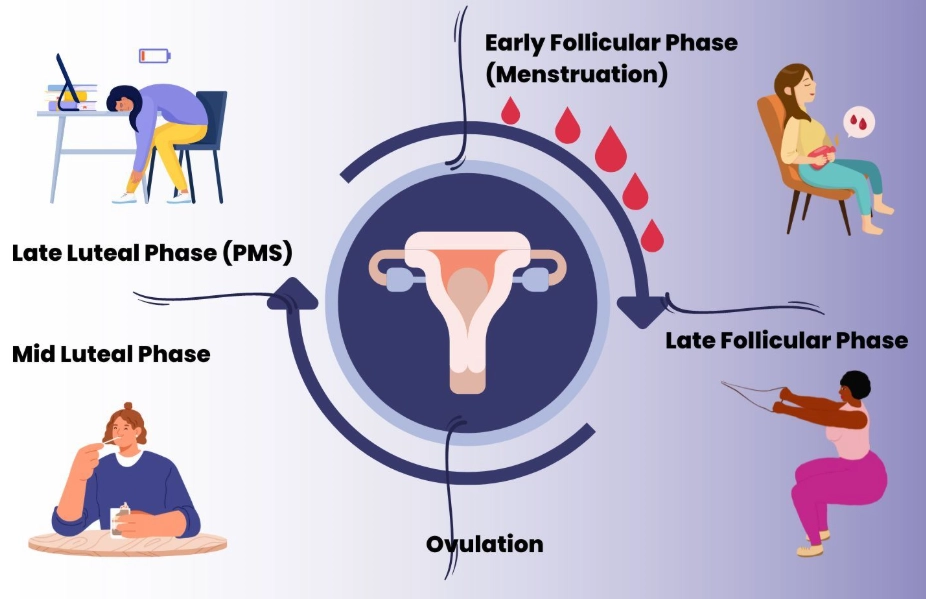
Your Questions Answered
I get a lot of questions about menstrual cycles. Here are some of the most common ones I hear:
Absolutely. Even after years of tracking, there will be cycles that surprise you. Stress, travel, changes in diet or exercise... all of these can affect your cycle. The goal isn't to predict every single day perfectly, but to understand your own baseline and recognize when something feels off.
Irregular cycles make tracking more challenging, but not impossible. Instead of focusing on predicting the exact day of your next period, focus on tracking the symptoms you experience. This can actually be more valuable, as it helps you identify what's happening in your body regardless of the date.
For example, do you always get bloated a few days before your period? Do you get a headache around ovulation? Tracking these symptoms can help you see patterns even if your cycle length varies.
Your fertile window is generally the 5-6 days leading up to and including the day of ovulation. In a 28-day cycle, this is roughly days 9-14. But remember, sperm can live inside your body for up to 5 days, so having intercourse in the5 days before ovulation also counts.
The best way to pinpoint your ovulation is to track your basal body temperature (BBT) and cervical mucus. There are also ovulation predictor kits (OPKs) available over the counter.
Yes and no. You still have a withdrawal bleed during your placebo week, which is often referred to as a "period." However, this is not a true menstrual period because you are not ovulating. The hormones in the pills prevent ovulation, so the bleeding you experience is simply a response to the drop in hormones.
You may still experience some cyclical symptoms, but they are likely to be milder because the pills regulate your hormone levels.


Leave a comment