Let's cut through the noise. Women's health isn't just one thing—it's a dynamic ecosystem. Ask ten people for the key components, and you might get ten different lists full of jargon. After years of talking to patients and diving into the research, I see it differently. It's less about a checklist and more about understanding how a few core, interconnected systems support everything else.
If one pillar is shaky, the whole structure feels off.
What You'll Learn in This Guide
The Physical Foundation: More Than Diet and Exercise
Everyone talks about eating right and moving. That's basic. The nuance lies in how and why for a woman's body, which has unique needs across her lifespan.
Movement That Serves You, Not Exhausts You
I've seen too many women burn out on high-intensity routines they hate. The goal isn't punishment; it's building a resilient body. You need a mix:
- Strength Training: Non-negotiable. It builds bone density (crucial for preventing osteoporosis), boosts metabolism, and supports joints. You don't need a gym—bodyweight works.
- Cardio for Heart Health: The American Heart Association recommends at least 150 minutes of moderate activity weekly. Brisk walking counts. Heart disease is our number one killer, remember.
- Flexibility & Balance: Yoga or pilates aren't just trendy. They combat the stiffness that comes with desk jobs and aging, reducing injury risk.
Listen to your cycle. Some weeks you'll have energy for a run; others, a gentle stretch is victory. Fighting your biology is a losing game.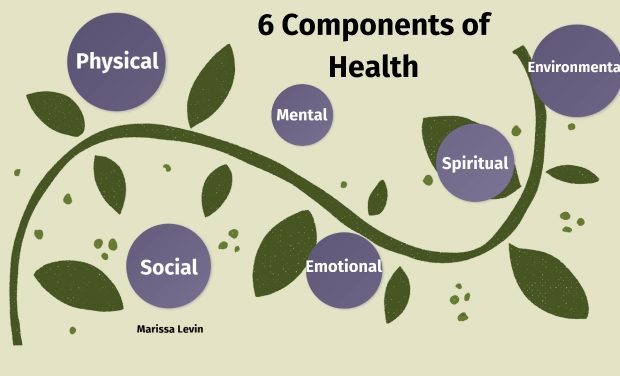
Nutrition Beyond Calories
Forget fads. Women's bodies have specific hungers for specific nutrients.
Protein intake is another common gap. It's essential for maintaining muscle as we age, hormone production, and keeping you full. Aim for a source with each meal.
The Underrated Power of Sleep
This is where I see the biggest disconnect. You can't supplement your way out of bad sleep. Chronic sleep deprivation (less than 7 hours) wreaks havoc on cortisol (stress hormone), increases hunger hormones, and impairs cognitive function.
It's not lazy to prioritize sleep. It's strategic.
The Mental & Emotional Core (Where Most Plans Fail)
We treat the mind as separate. It's not. Mental load, chronic stress, and unresolved emotions manifest physically—as fatigue, digestive issues, headaches, or worsened PMS.
Stress management isn't a bubble bath. It's a skill set.
- Boundary Setting: Saying "no" to protect your time and energy is a health intervention.
- Mindfulness Practice: Not to empty your mind, but to notice your thoughts without being swept away. Five minutes a day changes your brain's stress response.
- Social Connection: Loneliness is a health risk. Meaningful relationships buffer stress. It's not about quantity; one or two deep connections matter more.
If you feel persistently sad, anxious, or empty, that's not a character flaw. It's a signal. Talking to a therapist is as valid as seeing a doctor for a physical pain. The World Health Organization highlights depression as a leading cause of disability worldwide, and women are disproportionately affected.
The Reproductive & Hormonal Axis
This system influences everything from your mood and energy to your metabolism and bone health. Ignoring it is like ignoring the engine light in your car.
Menstrual Health as a Vital Sign: Your cycle is a monthly report card. Severe pain, extremely heavy bleeding, or missing periods aren't "just how it is." They can indicate conditions like PCOS, endometriosis, or thyroid issues. Tracking your cycle isn't just for fertility; it's data for your overall health.
Life Stage Transitions: Puberty, pregnancy, postpartum, perimenopause, menopause. Each phase brings hormonal shifts that require different support. Perimenopause, for example, can start a decade before menopause with subtle signs like sleep changes or new anxiety—often missed by both women and their doctors.
Preventive care here is key: regular cervical screenings (Pap smears/HPV tests), breast awareness, and open conversations with your gynecologist about any changes.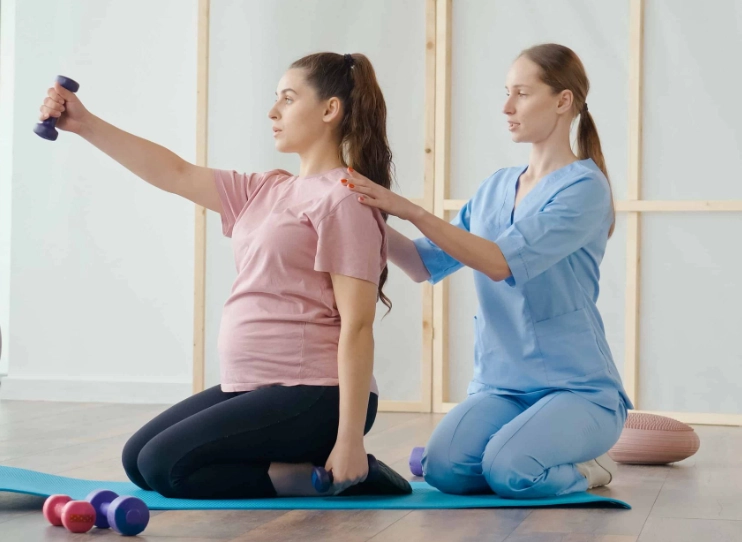
Preventive Care: Your Lifeline, Not a Chore
This is the boring but brilliant part. It's catching problems early or stopping them before they start. It's not just annual exams; it's a proactive mindset.
Here’s a simplified, age-aware framework for essential screenings. Always consult your doctor for a personalized plan.
| Age Group | Key Preventive Focus | Actionable Steps |
|---|---|---|
| 20s-30s | Establishing baselines, reproductive health, mental health. | • Well-woman exam annually. • HPV vaccine if eligible. • Baseline blood pressure, cholesterol, and blood sugar check. • Skin self-checks. • Dental cleaning 2x/year. |
| 40s | Cancer screenings ramp up, heart health, perimenopause watch. | • Begin mammograms (guidelines vary, discuss). • Continue Pap/HPV tests. • Diabetes screening. • Colon cancer screening at 45. • Eye exam. |
| 50s+ | Menopause management, bone health, continued cancer screening. | • Bone density scan (DEXA) at 65, or earlier if high-risk. • Continue mammograms, colon screens. • Discuss benefits/risks of hormone therapy. • Vaccines: shingles, pneumonia. |
Prevention also means immunizations (flu, COVID-19 boosters, Tdap), and lifestyle choices like not smoking and moderate alcohol use.
Putting It All Together: A Realistic Approach
You don't need to perfect all five pillars tomorrow. The goal is integration, not obsession.
Start with one leaky area. Is it sleep? Commit to a consistent bedtime for two weeks. Is it stress? Schedule a 10-minute walk without your phone three times a week.
Build your healthcare team: a primary care doctor you trust, a gynecologist, a dentist, and maybe a therapist or dietitian. You are the CEO of this team.
Finally, give yourself grace. Health is a lifelong journey with seasons. Some weeks, your best will be ordering takeout but getting to bed on time. That's still a win. Consistency over perfection, every single time.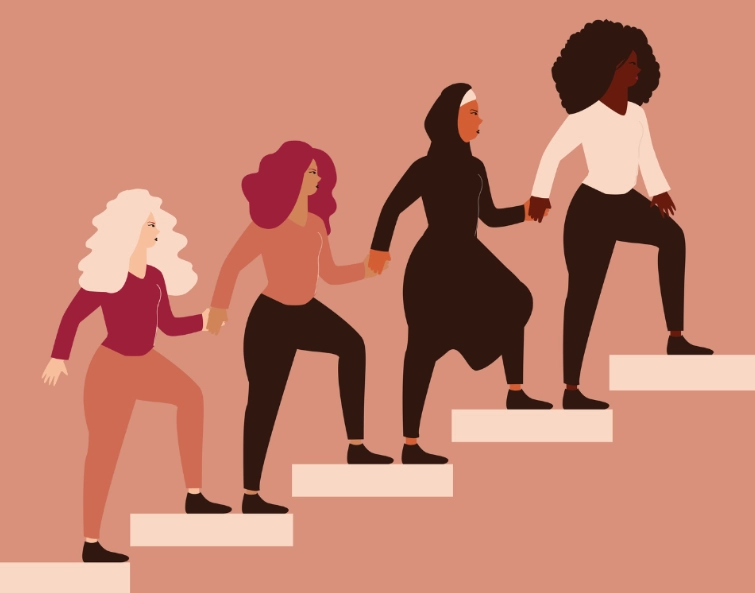




Leave a comment