Let's cut to the chase. The birth control implant (like Nexplanon) is one of the most effective reversible contraceptives you can get. We're talking over 99% effective. That's better than the pill, the patch, the ring. It sits there in your arm, doing its job for up to five years, and you barely have to think about it. Sounds perfect, right?
Well, it can be for a lot of people. But I've been writing about women's health for a decade, and I've talked to hundreds of patients and clinicians. The story isn't always that simple. The biggest praise comes with the biggest caveat: unpredictable bleeding. For some, it's a dream—no periods at all. For others, it's months of annoying spotting. And figuring out who you'll be is kind of a mystery until you try it.
This guide won't just repeat the pamphlet. We'll dig into what it really feels like to get one, the side effects nobody likes to talk about in detail, how it stacks up against an IUD, and the expert tricks that can make your experience better. Think of this as the conversation you'd have with a brutally honest friend who's also a medical nerd.
What's Inside This Guide?
- How Does the Birth Control Implant Actually Work?
- Who Is the Implant Really Good For? (And Who Should Skip It)
- What to Expect During and After Implant Insertion
- The Side Effects Deep Dive: Bleeding, Mood, and Weight
- Implant vs. IUD: A No-Nonsense Comparison
- Removal and Replacement: What Happens When It's Time?
- Your Tough Questions, Answered
How Does the Birth Control Implant Actually Work?
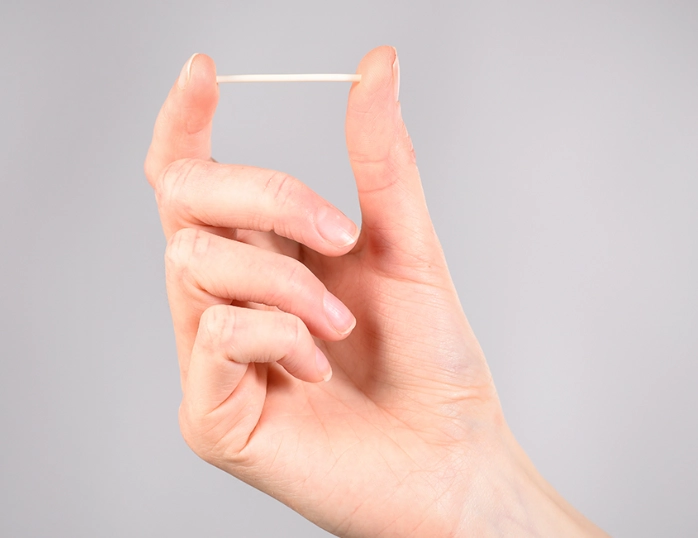
It's a tiny, flexible rod about the size of a matchstick. A healthcare provider inserts it just under the skin on the inner side of your non-dominant arm (so, usually your left arm if you're right-handed). The magic is in the material: it's made of a type of plastic that slowly releases a steady, low dose of a hormone called etonogestrel.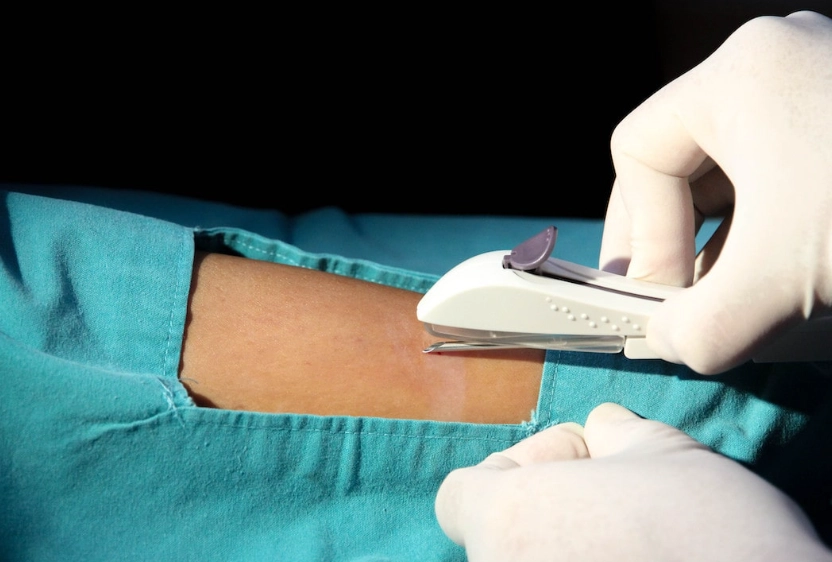
This is a progestin-only hormone. No estrogen. That's a big deal for people who can't or don't want to take estrogen due to migraines with aura, high blood pressure, or clotting risks.
Here’s what the hormone does, in plain English:
- Stops ovulation: Most of the time, your ovaries don't release an egg. No egg, no pregnancy.
- Thickens cervical mucus: It makes the fluid at the entrance to your uterus get sticky and thick, like a plug. This makes it super hard for sperm to swim through.
- Thins the uterine lining: Even if the first two defenses fail (rarely), a fertilized egg would have a very hard time attaching to the thinned-out lining of the uterus.
It starts working within a week. If it's inserted during the first five days of your menstrual cycle, it's effective immediately. Otherwise, use a backup method (like condoms) for the first seven days.
Who Is the Implant Really Good For? (And Who Should Skip It)
The implant isn't a one-size-fits-all solution, despite its flexibility. Based on countless conversations, here’s who tends to have the best success stories.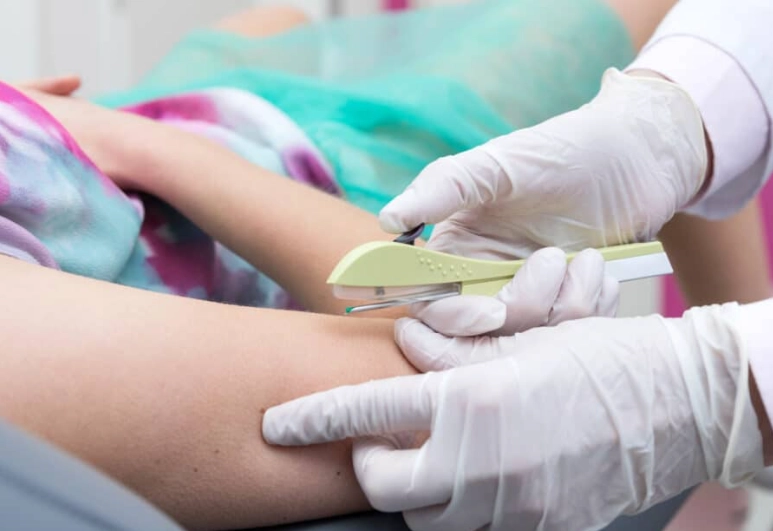
Great Candidates for the Implant
- People who are forgetful: If you've ever missed a pill or been late changing a ring, this eliminates that anxiety.
- Those who want discretion: It's invisible. No one knows it's there unless you tell them. Some partners and even some parents prefer this.
- Individuals who can't use estrogen: This is the top-tier option for people with certain medical conditions like a history of blood clots, severe migraines, or uncontrolled hypertension.
- Breastfeeding parents: Progestin-only methods are generally considered safe during breastfeeding and don't affect milk supply.
- Anyone seeking long-term but not permanent birth control: Perfect for spacing out kids or for people who know they don't want children for several years but aren't ready for sterilization.
Who Might Want to Think Twice
- People with a strong aversion to irregular bleeding: If the mere thought of unpredictable spotting for months sends you into a spiral, this might be a major psychological stressor. An IUD with hormones (like Mirena) is more likely to lighten or stop periods altogether.
- Those with certain pre-existing conditions: This includes active liver disease, unexplained vaginal bleeding, or known allergy to the materials in the implant. Your provider will screen for these.
- Anyone who wants to "feel" their birth control working: Some people like the routine of a pill or the physical reminder of a patch. The implant's invisibility can feel strange at first.
What to Expect During and After Implant Insertion
Let's demystify the procedure. The anxiety about the "needle" is often worse than the event itself.
Before: You'll have a consultation to discuss your medical history and all your options. This is your chance to ask every single question. If your provider rushes this, consider it a red flag.
During: You'll lie down with your arm bent at the elbow, hand resting near your head. They clean the area, give you a local anesthetic shot. This pinch and sting lasts about 10 seconds. Once the area is numb, you'll feel pressure but not sharp pain as they use a special inserter to place the rod under your skin. The whole process takes about 1-2 minutes after the numbing.
A common mistake I see is providers placing the implant too superficially. When placed correctly, it should be deep enough that you can feel it but not see it glaringly. A superficial implant is more likely to be visible or cause tenderness. Don't be afraid to ask, "Are you placing it at the correct depth?" It shows you're informed.
Aftercare: You'll get a pressure bandage for 24 hours to minimize bruising (and you will bruise—it looks worse than it feels). Keep the small bandage on for 3-5 days. You can use your arm normally, but avoid heavy lifting or strenuous pressure on the site for a few days. Check the implant with your fingers every so often to know its position.
The Side Effects Deep Dive: Bleeding, Mood, and Weight
This is the section you're here for. Let's get real.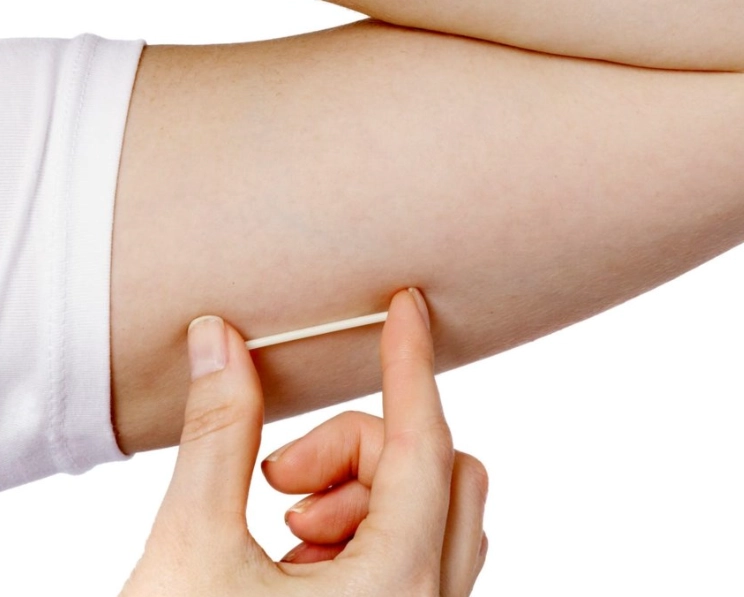
1. Irregular Bleeding (The Big One)
This is the most common reason people have the implant removed early. The progestin thins the uterine lining, but it doesn't always do so in a predictable, monthly schedule. Your pattern could be:
- No periods at all (amenorrhea). About 1 in 5 users get this.
- Infrequent, light bleeding.
- Frequent or prolonged spotting/bleeding.
The frustrating part is you can't predict it. The first 6-12 months are often the most unpredictable. Here's the non-consensus advice: Many providers will suggest taking over-the-counter ibuprofen (like Advil) in a specific regimen (e.g., 600mg every 8 hours for 5 days) to try to reset bleeding. Sometimes a short course of estrogen pills is prescribed. It's worth trying these if the bleeding is bothersome before giving up on the implant entirely.
2. Mood Changes and Libido
Some report mood swings, anxiety, or depression. Others feel more stable because they've removed pregnancy anxiety. There's no clear biological link proven, but patient reports are real. If you have a history of mood disorders, discuss this thoroughly with your provider. Libido changes are also mixed—some find it increases without condoms or worry, while others report a decrease, possibly linked to mood or hormonal shifts.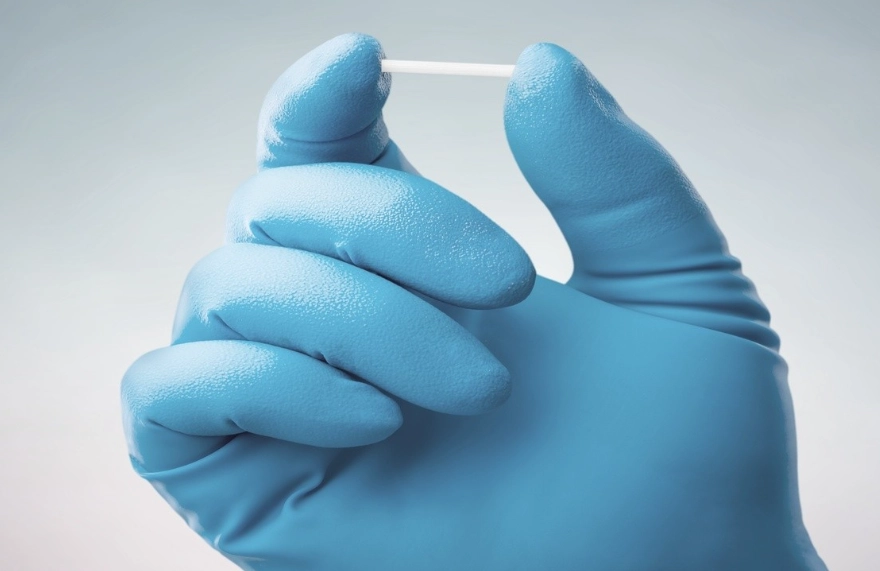
3. Weight Gain
Clinical studies, like those reviewed by the CDC, don't show a consistent, direct causal link between the implant and significant weight gain. However, progestin can increase appetite in some people. The real issue? Correlation gets confused with causation. Many people get the implant in their late teens or early twenties, a time when metabolism naturally begins to shift. It's crucial to monitor your habits rather than blame the implant outright.
Other Potential Effects:
- Headaches
- Acne (can improve or worsen)
- Breast tenderness
- Ovarian cysts (usually harmless and resolve on their own)
Implant vs. IUD: A No-Nonsense Comparison
Choosing between the implant and an IUD is a common dilemma. Both are top-tier LARCs. This table breaks it down, but the choice is deeply personal.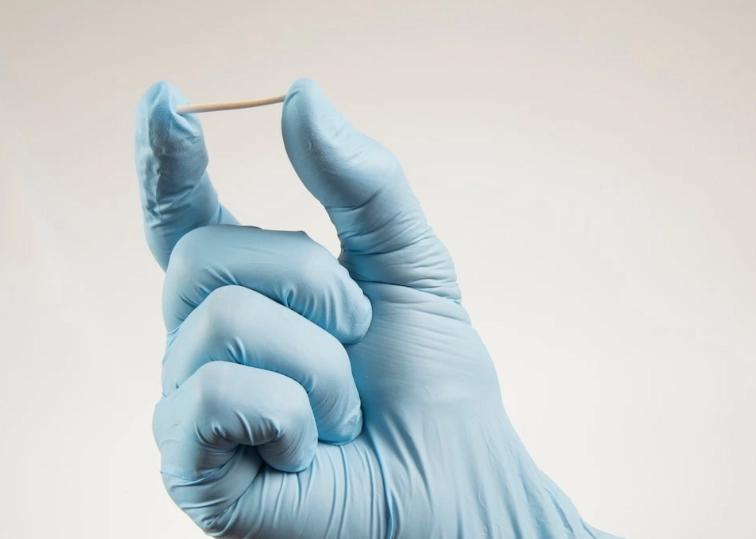
| Feature | Birth Control Implant (Nexplanon) | Hormonal IUD (e.g., Mirena, Kyleena) | Copper IUD (ParaGard) |
|---|---|---|---|
| Hormones | Progestin only (etonogestrel) | Progestin only (levonorgestrel) | None |
| Duration | Up to 5 years | 3-8 years (depends on type) | Up to 12 years |
| Effect on Periods | Unpredictable; can stop, lighten, or cause spotting | Usually lighter, often stops | Typically heavier, more crampy |
| Placement | In the arm, under local anesthetic | Through cervix into uterus | Through cervix into uterus |
| Primary Mechanism | Mainly stops ovulation | Thickens cervical mucus, thins lining | Copper is toxic to sperm/egg |
| Best For... | Those who can't have estrogen, want discreet arm placement, or fear pelvic procedure. | Those wanting lighter/no periods, comfortable with pelvic exam. | Those wanting hormone-free, long-term protection. |
The implant wins on ease of insertion/removal for many (no cervical dilation). The hormonal IUD often wins on period control. The copper IUD wins on longevity and being hormone-free.
Removal and Replacement: What Happens When It's Time?
Removal is usually quicker and easier than insertion. Another local anesthetic shot, a tiny incision (2-3mm), and the provider gently pulls the implant out. If it's been in the full five years, it might be slightly more adhered to tissue, but it's a routine procedure. Bruising is common again.
You can get a new one inserted in the same visit, in the same arm or the other arm. Fertility returns rapidly—often within a week after removal. If you don't want to get pregnant immediately, you need to start a new method right away.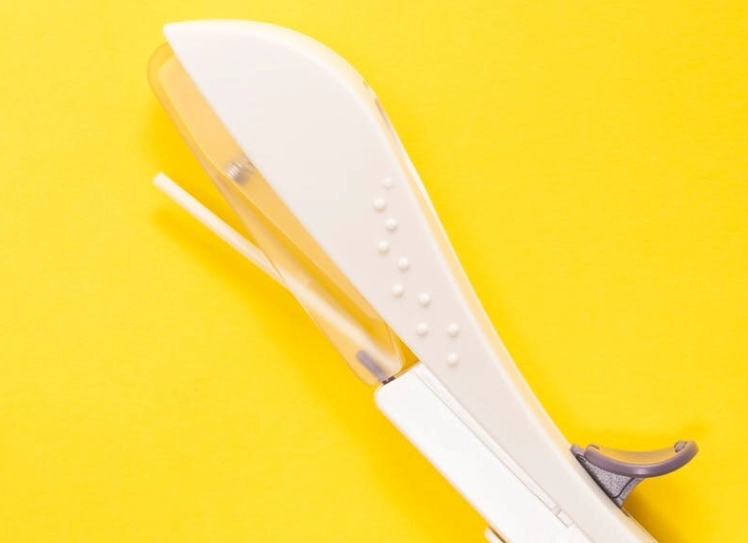
Your Tough Questions, Answered
Can I feel the birth control implant under my skin, and what if it moves?
Yes, you should be able to feel it as a small, firm rod under the skin. It's not supposed to "move" far. It may shift a few millimeters as tissue forms around it, but it stays localized. If you can't feel it at all or feel it's migrated significantly (like to your elbow), contact your provider immediately for an ultrasound to locate it. This is rare with the newer Nexplanon, which is radio-opaque.
Birth control implant and weight gain: Is there a real link?
Large-scale studies haven't proven the implant causes substantial weight gain on its own. The hormone may increase appetite in some individuals. My observation from patient stories is that any weight change is usually modest (a few pounds) and often stabilizes. It's more productive to focus on whether your diet and activity levels have changed since insertion rather than assuming a direct hormonal cause. If you experience rapid, unexplained weight gain, definitely talk to your doctor to rule out other issues.
How much does the implant cost, and is it covered by insurance or Medicaid?
Without insurance, the implant itself can cost $800-$1,300, plus the cost of the insertion visit. Here's the good news: Under the Affordable Care Act in the U.S., most private insurance plans and Medicaid must cover FDA-approved contraceptive methods, including the implant, at no out-of-pocket cost to you (no copay, no deductible). You must use an in-network provider. Always check with your insurance company and the clinic beforehand to confirm 100% coverage. Planned Parenthood and other community health centers also offer sliding scale fees based on income.
I have terrible irregular bleeding on the implant. What can I actually do before giving up on it?
First, give it at least 3-6 months. Your body needs time to adjust. If it's still unbearable, talk to your provider about "add-back" therapy. This isn't widely discussed but can be a game-changer. They might prescribe a short course (10-14 days) of combined estrogen-progestin pills (like a standard birth control pill pack) or estrogen-only pills. This often helps stabilize the lining and stop the breakthrough bleeding. Another option is a non-steroidal anti-inflammatory drug (NSAID) like ibuprofen or naproxen in a specific regimen for several days. These interventions can reset your bleeding pattern without removing the implant.
Does the birth control implant protect against STDs?
No. Not at all. The implant only prevents pregnancy. It provides zero protection against sexually transmitted infections like chlamydia, gonorrhea, HIV, or herpes. If you're not in a mutually monogamous relationship where both partners have been tested, you must use a barrier method like condoms or dental dams every time to protect against STDs. Think of it as a team: the implant handles pregnancy prevention brilliantly, and condoms handle infection prevention.






Leave a comment