Let's cut through the noise. "Women's nutrition" isn't about fitting into a smaller dress size or following the latest celebrity juice cleanse. It's about biochemistry. It's about giving your body—a body that navigates menstrual cycles, potential pregnancies, menopause, and unique hormonal landscapes—the specific raw materials it needs to not just function, but thrive. The nutritional needs for females are distinct, shifting from adolescence to childbearing years and beyond. Getting it wrong can mean constant fatigue, brittle nails, mood swings, and long-term risks like osteoporosis. Getting it right is the foundation for sustained energy, stable moods, strong bones, and vibrant health.
I've seen too many women meticulously count calories but completely miss the mark on iron or magnesium. They're running on empty, wondering why they're always tired.
What's Inside?
The Macronutrient Blueprint: Carbs, Protein & Fat for Women
Forget rigid ratios. Think of macronutrients as your body's primary fuel sources, each with a specific job. The balance that works for a 22-year-old athlete is different from what a 45-year-old perimenopausal woman needs.
Protein is the building block queen. It's not just for muscles. It's crucial for creating enzymes, hormones, and antibodies. A common mistake? Skimping on protein at breakfast and lunch, then overloading at dinner. Your body can only utilize so much at once for synthesis. Spreading intake—aiming for 20-30 grams per meal—supports metabolism and satiety better. Think a palm-sized portion of chicken, fish, tofu, lentils, or Greek yogurt.
Carbohydrates have been villainized, but they are the preferred energy source for your brain and central nervous system, especially important for women who are often juggling multiple cognitive tasks. The key is quality and timing. Complex carbs from oats, quinoa, sweet potatoes, and berries provide steady energy and fiber. A tip I give clients: pair carbs with protein or fat. An apple with almond butter gives you a steadier blood sugar ride than the apple alone.
Fats are essential for hormone production. Cholesterol is the precursor to estrogen and progesterone. Severely low-fat diets can disrupt menstrual cycles. Focus on anti-inflammatory fats: avocados, nuts, seeds, and olive oil. Omega-3s from fatty fish (salmon, mackerel) or algae are critical for brain health and fighting inflammation.
Quick Reality Check: If you're chronically fatigued, check your protein and complex carb intake. If your skin is dry and your cycle is irregular, assess your healthy fat consumption. These are often the first places imbalances show up.
The Non-Negotiables: Critical Vitamins & Minerals
This is where women's nutritional needs get really specific. Blood loss through menstruation, the demands of pregnancy, and bone density preservation create higher demands for certain nutrients.
| Nutrient | Why Women Need More | Best Food Sources | A Key Consideration |
|---|---|---|---|
| Iron | Replaces iron lost during menstruation. Deficiency causes fatigue and pale skin. | Red meat, lentils, spinach, fortified cereals. | Pair plant-based iron (non-heme) with Vitamin C (bell peppers, citrus) to boost absorption. |
| Calcium | Builds and maintains bone density to prevent osteoporosis later in life. | Dairy, fortified plant milks, kale, sardines with bones. | Vitamin D is essential for calcium absorption. Get sunlight or consider a supplement. |
| Folate (B9) | Critical for preventing neural tube defects in early pregnancy. Needed for all women of childbearing age. | Leafy greens, legumes, avocado, fortified grains. | If planning pregnancy, a supplement is often recommended before conception. |
| Magnesium | Involved in over 300 reactions; helps with PMS, sleep, and muscle cramps. | Pumpkin seeds, almonds, spinach, dark chocolate. | Stress depletes magnesium. If you're stressed and crampy, this is a prime suspect. |
One mineral that doesn't get enough attention is iodine. It's vital for thyroid function, which regulates metabolism. Iodine needs increase during pregnancy. Good sources include iodized salt, dairy, and seaweed. But be cautious with excessive seaweed intake, as it can provide too much.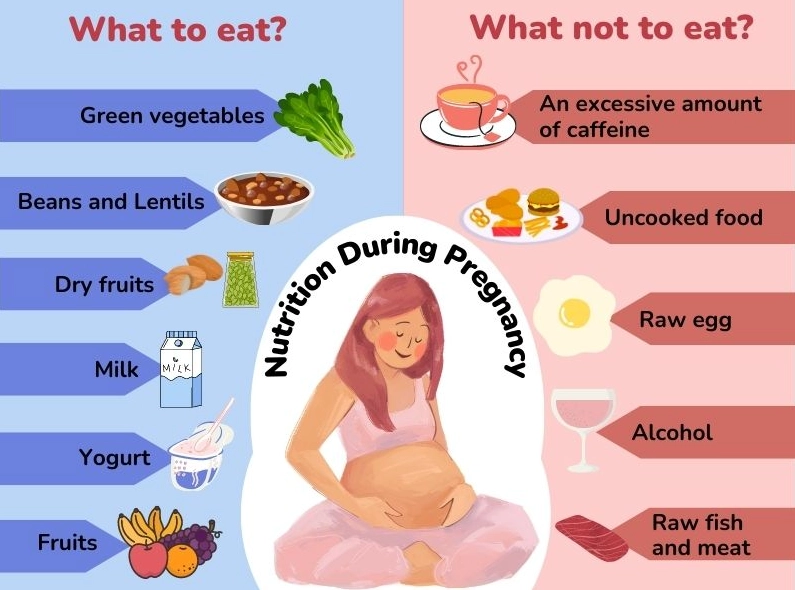
Vitamin D: The Sunshine Hormone
It's technically a hormone. Many women, especially those in northern climates, office workers, or those who use sunscreen consistently, are deficient. Low Vitamin D is linked to low mood, fatigue, and poor immune function. The National Institutes of Health notes that very few foods naturally contain it (fatty fish, egg yolks). Getting your levels checked is a smart move.
Nutrition Through Your Changing Life Stages
Your nutritional requirements aren't static. They evolve, and your diet should too.
Teens & Twenties: This is peak bone-building time. Calcium and Vitamin D are paramount. Iron is crucial as cycles establish. The focus should be on establishing healthy patterns, not restrictive dieting.
Thirties to Forties (Childbearing Years): Whether planning for pregnancy or not, folate is a daily essential. Iron remains critical. This is often a time of high stress and busy careers, making magnesium and B-vitamins (for energy metabolism) important. Perimenopause can start in the late 30s/40s, so supporting hormonal balance with fiber (to aid estrogen metabolism) and phytoestrogens (soy, flaxseeds) can be helpful.
Menopause and Beyond: Estrogen decline accelerates bone loss, so calcium and Vitamin D are non-negotiable. Protein needs may actually increase to preserve muscle mass, which supports metabolism and balance. Heart health becomes a bigger focus—emphasize those omega-3s and soluble fiber (oats, beans).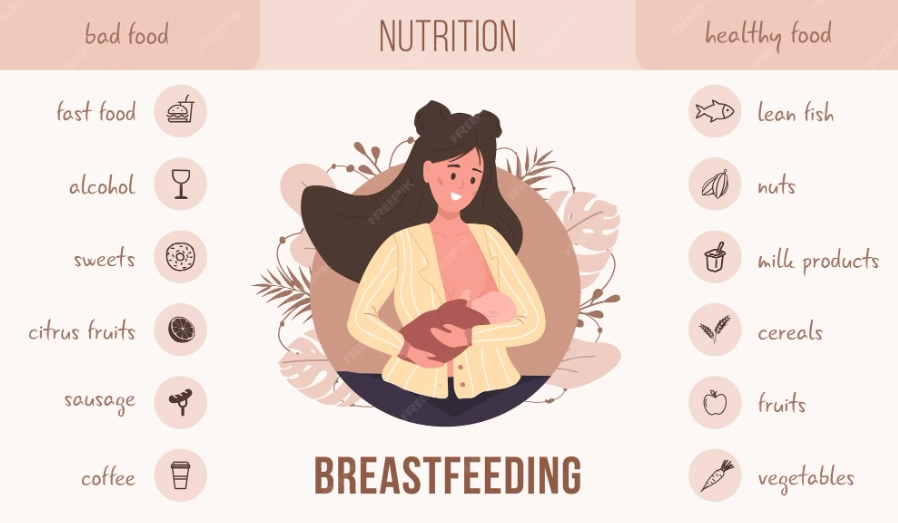
A major mistake I see post-menopause is women drastically cutting calories. This can lead to loss of precious muscle mass, slowing metabolism further. The goal shifts from weight loss to body composition—preserving muscle through adequate protein and strength training, while managing calories intelligently.
Common Pitfalls & How to Avoid Them
Pitfall 1: The Iron Mismatch. You eat spinach for iron but have it with a cup of coffee. The tannins in coffee and tea can inhibit iron absorption by up to 50-60%. Have your coffee an hour before or after an iron-rich meal.
Pitfall 2: Skimping on Protein at Breakfast. A carb-heavy breakfast (toast, cereal) can lead to a mid-morning energy crash and sugar cravings. Adding eggs, yogurt, or a protein powder to a smoothie makes a dramatic difference in satiety.
Pitfall 3: Fear of Healthy Fats. Hormones are literally made from cholesterol and fats. Insufficient dietary fat can lead to dry skin, hair loss, and menstrual irregularities. Include a thumb-sized portion of healthy fat with each meal.
Putting It All Together: A Practical Framework
Don't overcomplicate it. Think in terms of building a plate, not memorizing grams.
Every Meal Should Have:
- A protein source (palm-sized).
- A generous serving of colorful vegetables (half the plate, ideally).
- A serving of smart carbs (fist-sized, choose whole grains/starchy veg most often).
- A serving of healthy fat (thumb-sized, like oil, nuts, avocado).
Hydrate with water and herbal teas. Limit ultra-processed foods—they often displace the nutrient-dense foods you need.
Consider a simple, high-quality multivitamin as an insurance policy, not a replacement for a poor diet. For specific concerns (iron deficiency, planning pregnancy), talk to a doctor or dietitian about targeted supplements.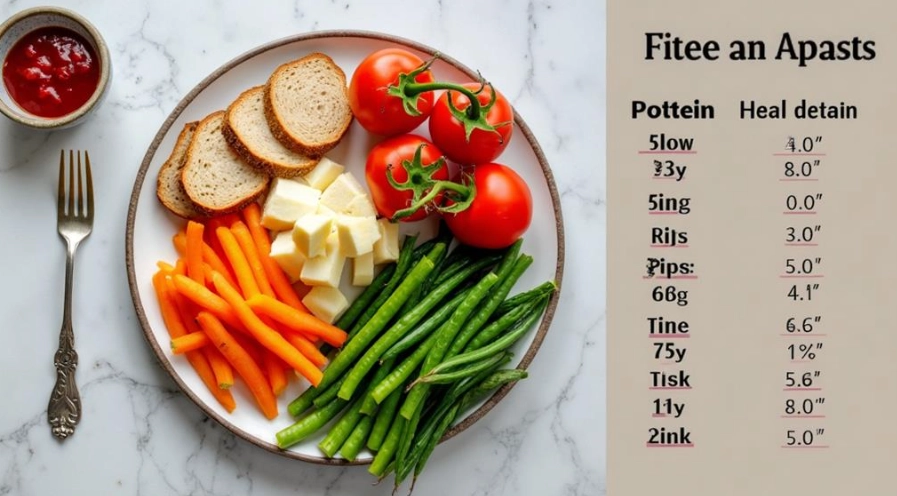
Your Nutrition Questions, Answered
 Do women over 50 really need more protein?

Leave a comment