You're eating salads, hitting the gym, tracking every calorie… and the scale won't budge. Or worse, it creeps up. If this sounds familiar, your thyroid might be the silent saboteur. For women, thyroid dysfunction is a common, often overlooked roadblock in weight management. It's not just about willpower; it's about a tiny butterfly-shaped gland in your neck dictating your entire metabolic rate. This isn't another generic "eat less, move more" article. We're diving into the messy, frustrating, and very real connection between thyroid health and weight, from the biology to the practical kitchen-table changes that can make a difference.
What’s Inside: Your Action Plan
- The Thyroid-Metabolism Link: It's Not Just "Slow Metabolism"
- Beyond Weight Gain: Spotting Thyroid Symptoms and Getting the Right Diagnosis
- Thyroid-Friendly Diet Strategies: What to Eat (and What to Reconsider)
- Critical Lifestyle Adjustments Beyond the Plate
- Putting It All Together: A Real-World Case Study
- Your Thyroid & Weight Loss Questions, Answered
The Thyroid-Metabolism Link: It's Not Just "Slow Metabolism"
Calling it a "slow metabolism" is an oversimplification that leads to frustration. The thyroid gland produces hormones—primarily T4 (thyroxine) and T3 (triiodothyronine). Think of T4 as a reserve tank and T3 as the active, high-octane fuel. T4 converts to T3 in your liver, gut, and other tissues. These hormones attach to receptors in almost every cell in your body, acting like a thermostat for energy use.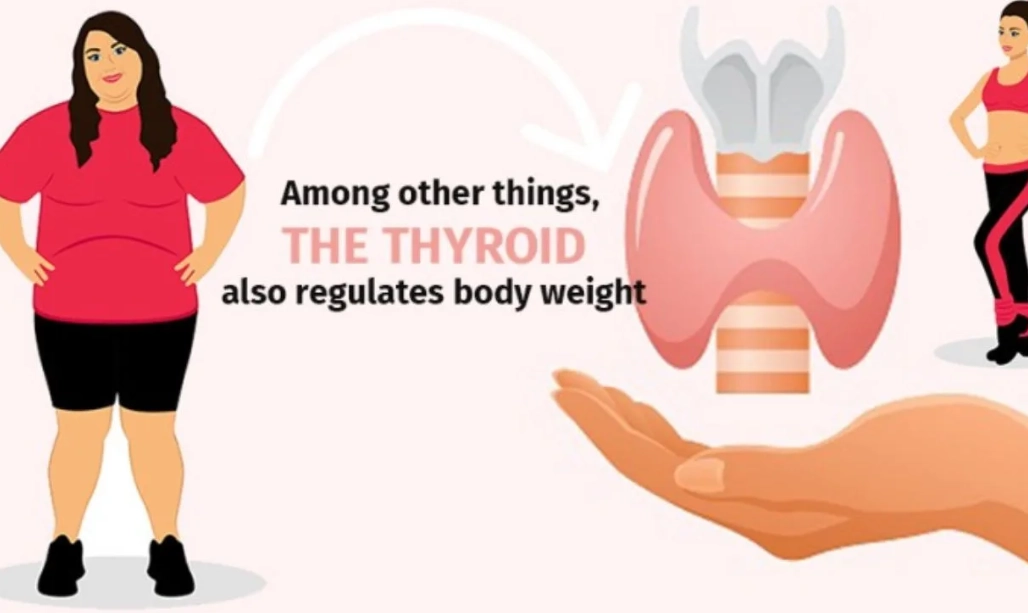
When thyroid function is low (hypothyroidism), that thermostat is set too low. Your body conserves energy. Here’s what that looks like in practice:
- Basal Metabolic Rate (BMR) Drops: You burn fewer calories at rest. A study in the Journal of Clinical Endocrinology & Metabolism suggests the drop can be significant, though variable.
- Fluid Retention: This is a huge one. Underactive thyroid can cause mucopolysaccharides (think spongy molecules) to build up in tissue, holding onto water. This isn't fat, but it adds pounds and puffiness.
- Fat Storage Shifts: The body may become more efficient at storing fat, particularly visceral fat, and less efficient at breaking it down for fuel.
- Energy & Movement: Fatigue means you move less, both in structured exercise and in daily fidgeting (Non-Exercise Activity Thermogenesis, or NEAT), further reducing calorie burn.
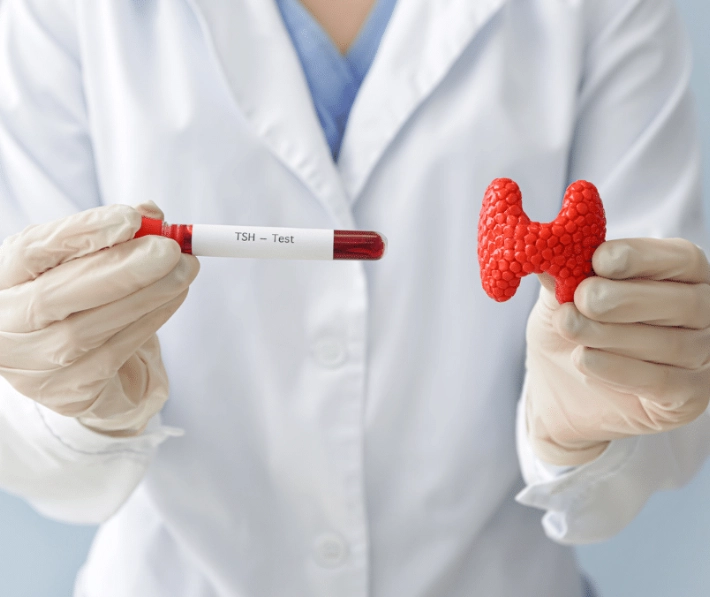
A Common Misstep: Many women (and some doctors) focus solely on the TSH test. While TSH is the primary screening tool, it's a pituitary hormone, not a thyroid hormone. Optimal weight management often requires looking at Free T3 and Free T4 levels. A "normal" TSH might mask a conversion problem where T4 isn't turning into active T3 efficiently. This is a nuance often missed.
Beyond Weight Gain: Spotting Thyroid Symptoms and Getting the Right Diagnosis
Weight struggle is rarely the only sign. It's the chorus, not the solo. Look for these other voices:
- Fatigue that sleep doesn't fix
- Feeling cold when others are comfortable
- Dry skin, brittle nails, and hair loss (especially outer eyebrow)
- Constipation
- Brain fog, poor concentration, low mood
- Heavy or irregular menstrual cycles
- Muscle aches and stiffness
If you have weight resistance plus two or more of these, thyroid is a prime suspect.
How to Get Properly Tested
Don't just ask for a "thyroid test." Be specific. A comprehensive panel should include:
| Test | What It Measures | Why It Matters for Weight |
|---|---|---|
| TSH | Thyroid-Stimulating Hormone from the pituitary | Primary screening marker. High TSH typically indicates hypothyroidism. |
| Free T4 | Unbound thyroxine, the storage hormone | Shows how much hormone your thyroid is producing. |
| Free T3 | Unbound triiodothyronine, the active hormone | Critical. This is the hormone that directly affects metabolism. Low Free T3 with normal TSH/Free T4 suggests a conversion issue. |
| Thyroid Antibodies (TPO & TgAb) | Evidence of autoimmune attack (Hashimoto's) | Hashimoto's is the #1 cause of hypothyroidism in women. Flare-ups can cause weight fluctuations. |
Bring this list to your doctor. Explain that you want a full picture to address stubborn weight issues. Resources from the American Thyroid Association can help guide the conversation.
Thyroid-Friendly Diet Strategies: What to Eat (and What to Reconsider)
Medication (like levothyroxine) is the cornerstone of treatment for clinical hypothyroidism, but diet is the powerful co-pilot. It's not about a single "thyroid diet," but strategic adjustments.
Macronutrient Nuances
Extreme low-carb or keto diets can backfire. The body needs carbohydrates to convert T4 to the active T3 hormone. Severely restricting carbs long-term may lower T3 levels, potentially slowing metabolism further. A moderate, balanced approach with complex carbs (sweet potatoes, quinoa, oats) often works better than a drastic elimination.
Protein is your ally. It supports satiety, preserves muscle mass (which burns more calories than fat), and provides tyrosine, an amino acid needed to make thyroid hormones.
Micronutrients: The Building Blocks
Your thyroid can't function without these. A deficiency here is like trying to build a fire without wood.
- Iodine: Essential for hormone production. But more is not better. Excessive iodine, especially from supplements, can trigger or worsen autoimmune thyroiditis. Stick to dietary sources like iodized salt, seaweed (in moderation), and fish.
- Selenium: The most critical nutrient for conversion of T4 to T3. It also protects the thyroid gland. Brazil nuts (2-3 daily), tuna, eggs, and sunflower seeds are great sources.
- Zinc: Another key player in hormone conversion and immune function. Found in pumpkin seeds, beef, lentils, and shellfish.
- Iron: Iron deficiency impairs thyroid peroxidase activity, reducing hormone production. This is especially relevant for women with heavy periods. Get tested for ferritin (stored iron).
The Goitrogen & Gluten Debate
This is where internet advice gets confusing.
The Goitrogen Myth: Cruciferous vegetables (broccoli, cauliflower, kale, cabbage) contain compounds called goitrogens that can interfere with iodine uptake in theory and in massive, raw quantities. Cooking deactivates most of these compounds. The benefits of these nutrient-dense vegetables far outweigh the negligible risk for most people with adequate iodine intake. Don't cut them out.
Gluten is a more personal consideration. There's a well-documented link between Hashimoto's and celiac disease/non-celiac gluten sensitivity. The theory is molecular mimicry, where the immune system attacks gluten and mistakenly attacks the similar-looking thyroid tissue. For some women with Hashimoto's, eliminating gluten reduces inflammation, antibody levels, and can alleviate bloating and weight stagnation. It's not a universal rule, but a 30-60 day trial elimination, followed by a reintroduction, can be informative.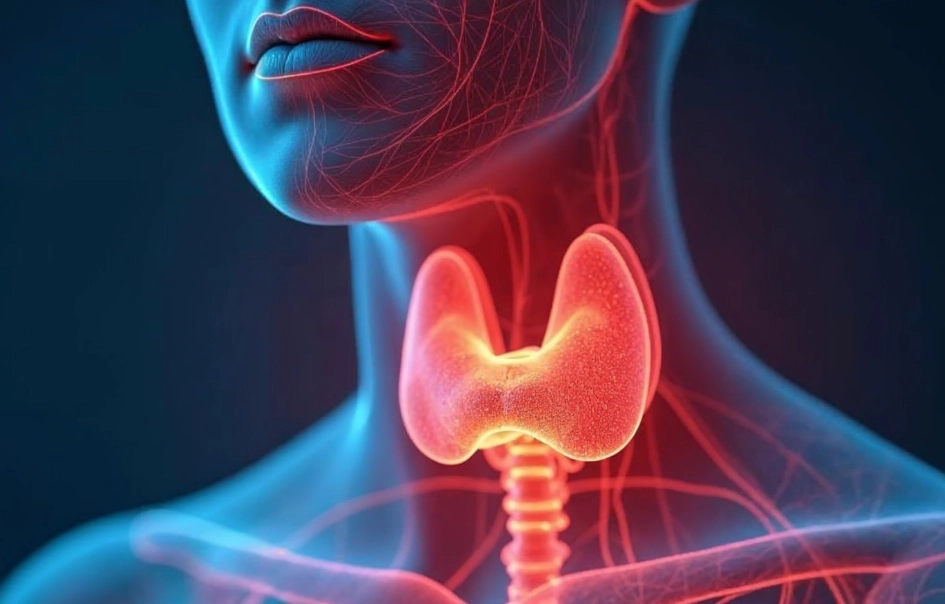
Critical Lifestyle Adjustments Beyond the Plate
You can eat perfectly and still struggle if you ignore these levers.
Stress is Public Enemy #1. Chronic stress elevates cortisol. High cortisol directly suppresses thyroid function, disrupts T4 to T3 conversion, and promotes belly fat storage. Meditation, yoga, walking in nature—find what lowers your cortisol dial. This isn't fluffy advice; it's metabolic regulation.
Sleep is Non-Negotiable. Poor sleep wreaks havoc on cortisol and hunger hormones (ghrelin and leptin), making you hungrier and crave junk. Prioritize 7-9 hours of quality sleep. It's as important as your medication.
Exercise Smart, Not Just Hard. Chronic intense cardio can be an additional stressor. A mix is ideal: strength training (builds metabolism-boosting muscle), moderate cardio (like brisk walking or cycling), and flexibility work. Listen to your body. On high-fatigue days, a gentle walk is better than pushing through a brutal HIIT session.
Putting It All Together: A Real-World Case Study
Let's look at Sarah, 42. She gained 25 pounds over 18 months despite being active. She was tired, cold, constipated, and her hair was thinning. Her doctor ran a TSH test—it was 4.8 mIU/L ("normal" range often goes up to 4.5 or 5, but many functional endocrinologists prefer it under 2.5 for optimal symptoms relief). He said she was "fine."
Sarah pushed for more tests. Her Free T4 was low-normal, but her Free T3 was in the gutter, and her TPO antibodies were sky-high—confirming Hashimoto's with a conversion problem. She started on a low dose of levothyroxine (T4).
But the weight still stuck. Here's what she changed over the next 4 months:
- Medication Timing: She took her pill first thing in the morning with water only, waiting 60 minutes before coffee or food for optimal absorption.
- Diet Tweaks: She focused on protein at every meal, included selenium-rich Brazil nuts daily, and didn't fear complex carbs. She did a 6-week gluten-free trial and noticed less bloating and joint pain, so she largely maintained it.
- Stress & Sleep: She started a 10-minute nightly meditation and set a firm 10:30 PM bedtime.
- Exercise Shift: She swapped two of her long, exhausting runs for weight training sessions and added daily walks.
The result? Her energy returned first. Then, over 4 months, she lost 18 pounds steadily. The scale finally moved in tandem with her efforts.
Your Thyroid & Weight Loss Questions, Answered
I'm on thyroid medication (levothyroxine) but still can't lose weight. What's wrong?
This is incredibly common. Levothyroxine is T4. If your body isn't converting T4 to the active T3 efficiently (due to stress, nutrient deficiencies, or gut issues), you're not getting the full metabolic benefit. Ask your doctor to check your Free T3 levels. You may need a T3-containing medication (like liothyronine) in addition to, or instead of, standard T4. Also, ensure you're taking it correctly—empty stomach, no calcium/iron supplements for 4 hours.
Are there specific foods I must avoid with hypothyroidism?
The list is shorter than you think. The only firm "avoid" is taking your medication with food, coffee, or calcium/iron supplements. For foods, raw cruciferous vegetables in jug-like quantities are a concern only if you have severe iodine deficiency. Soy in large amounts (think multiple servings of soy milk, tofu, and edamame daily) may interfere with hormone absorption, so moderate intake and space it from your medication. The focus should be on adding nutrient-dense foods, not fostering a fear-based relationship with food.
How long after starting treatment or optimizing my levels should I expect to see weight loss?
Manage expectations. Initial rapid weight loss is often water weight as inflammation and fluid retention subside. True fat loss will be slower because your metabolic engine is just getting back online. Give it a solid 3-6 months of consistent medication, diet, and lifestyle changes before evaluating progress. The goal is steady, sustainable loss, not a crash.
Is intermittent fasting safe or helpful for thyroid weight loss?
It's a mixed bag. For some, it helps with insulin sensitivity and reduces calorie intake. For others, especially if calories are too low or stress is high, it can be an additional stressor that suppresses thyroid function. If you want to try it, start gently (e.g., a 12-hour fasting window) and monitor your energy, temperature, and symptoms. If you feel worse, it's not for you right now. Never fast if you are pregnant, breastfeeding, or have a history of eating disorders.
The path to weight loss with a thyroid condition requires patience and a detective's mindset. It's about aligning medication, targeted nutrition, and mindful lifestyle habits. Stop blaming your willpower. Start investigating your physiology. Get the right tests, address the nutrient gaps, manage your stress, and work with a healthcare provider who listens. The scale can move, but it starts with understanding the unique rules your body is playing by.




Leave a comment