Let's be honest. When you hear "drink more water," you likely think of a vague health commandment, right up there with eating your vegetables. It feels like homework. But what if I told you that the benefits of proper hydration are far more immediate and tangible than just "being healthy"? We're talking about sharper thinking within an hour, more energy to tackle your afternoon, and even a better handle on cravings.
I spent years believing my constant 3 PM slump was normal. I'd drink coffee, eat a snack, and wonder why I still felt foggy. It wasn't until I tracked my water intake for a week—and saw it was abysmal—that I connected the dots. The change wasn't dramatic overnight, but within days, that fog lifted. My skin looked less tired. I stopped confusing thirst for hunger.
This isn't about guzzling gallons until you're running to the bathroom every ten minutes. It's about understanding what water actually does inside you, figuring out your personal sweet spot, and making it effortless. Let's move past the generic advice and get into the real, usable science of water intake benefits.
What You'll Learn
Why Your Brain and Body Crave Water (Not Just When You're Thirsty)
Thirst is a late-stage alarm. By the time you feel it, you're already mildly dehydrated. Water isn't just a passive fluid; it's the primary transport system, coolant, and chemical reactant in your body.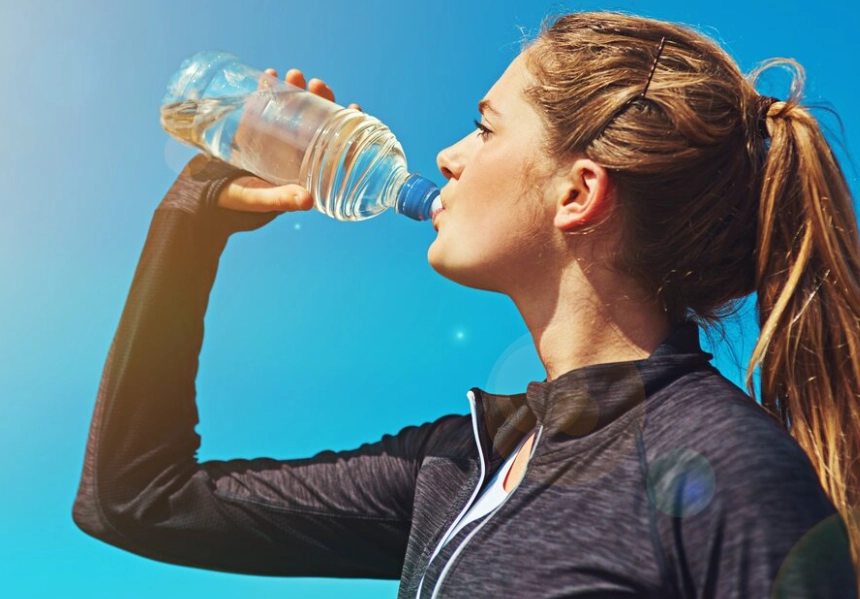
Boosts Brain Function & Mood
Your brain is about 75% water. Even slight dehydration—a loss of just 1-2% of body water—can impair concentration, short-term memory, and alertness. Studies cited by institutions like the Harvard T.H. Chan School of Public Health note that dehydration can increase feelings of anxiety and fatigue. Think about it: a foggy, irritable brain isn't just uncomfortable; it hurts your work, your relationships, your day.
Fuels Physical Performance & Metabolism
Water lubricates joints and regulates body temperature. When you're dehydrated during exercise, your heart works harder, your perceived effort goes up, and you fatigue faster. But it's not just for athletes. Water is essential for digesting food and transporting nutrients. There's also evidence it gives your metabolism a nudge. A study in the Journal of Clinical Endocrinology & Metabolism found drinking about 17 oz of water increased metabolic rate by 30% for about an hour.
Supports Detoxification (The Real Kind) & Skin Health
Your kidneys are your master filtration system, and they need adequate water to flush out waste products effectively. As for your skin, while water won't erase wrinkles, chronic dehydration makes skin look more dry, wrinkled, and less resilient. Proper hydration helps maintain skin elasticity and plumpness from the inside out.
How Much Water Do You *Really* Need? A Simple, Personal Formula
Forget the "8 glasses a day" rule. It's a decent starting point but far from personalized. Your needs depend on your body size, activity level, climate, and diet (water-rich foods like soup, fruits, and veggies count!).
A more tailored approach comes from the U.S. National Academies of Sciences, Engineering, and Medicine. They recommend an adequate daily fluid intake of about:
- 15.5 cups (3.7 liters) for the average adult man.
- 11.5 cups (2.7 liters) for the average adult woman.
Key word: fluid. This includes all beverages and food moisture.
Here’s a practical, back-of-the-napkin formula I use with clients:
Step 1: Take your body weight in pounds.
Step 2: Divide that number by 2. The result is the number of ounces of water you should aim for as a baseline.
Step 3: Add 12-16 ounces for every 30 minutes of moderate to intense exercise.
Step 4: Listen to your body and adjust for hot weather or high altitude.
Example: A 160-pound person. 160 / 2 = 80 ounces (about 10 cups). If they work out for 45 minutes, add another 16 ounces. Total target: ~96 ounces (12 cups).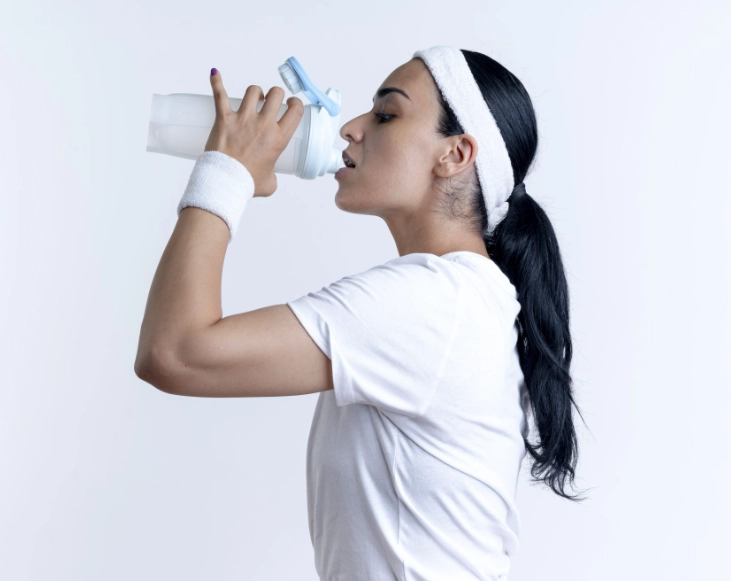
The Best Times to Drink Water for Maximum Impact
Timing can help you harness water intake benefits strategically, turning it from a chore into a powerful daily ritual.
| Time | Why It's Powerful | Simple Action |
|---|---|---|
| First Thing in the Morning (1-2 glasses) | Rehydrates after 6-8 hours of sleep, kickstarts metabolism, wakes up your organs. | Keep a full glass on your nightstand. |
| 30 Minutes Before Meals (1 glass) | Can promote a feeling of fullness, potentially aiding portion control and digestion. | Make it a non-negotiable pre-meal ritual. |
| During & After Exercise | Replaces fluids lost through sweat, maintains performance, and aids recovery. | Sip throughout your session, don't chug after. |
| When You Feel Tired or Foggy | Fatigue is a primary early sign of dehydration. Try water before caffeine. | Ask yourself: "When did I last drink water?" |
| Mid-Afternoon (2-3 PM) | Combats the natural energy dip many experience, often mistaken for hunger. | Set a phone reminder for a "hydration break." |
The goal isn't to rigidly schedule every sip, but to create anchor points in your day so drinking becomes automatic.
Beyond the Glass: Sneaky Signs You're Not Drinking Enough
Dark yellow urine is the classic sign, but your body sends other, subtler signals we often misattribute.
- Persistent Fatigue: Not just sleepiness, but a heavy, sluggish feeling.
- Headaches: Especially in the front of the head. The brain temporarily contracts slightly from fluid loss, pulling on membranes.
- Brain Fog & Irritability: Struggling to focus or feeling unusually snippy.
- Dry Mouth & Bad Breath: Saliva has antibacterial properties. Less water means less saliva.
- Food Cravings, Especially for Sweets: Your liver needs water to release stored glycogen for energy. When dehydrated, it can signal the brain for a quick sugar hit instead.
- Muscle Cramps: Electrolyte imbalance and reduced blood flow to muscles.
If you're experiencing several of these regularly, your water intake is the first thing to audit before looking for more complex causes.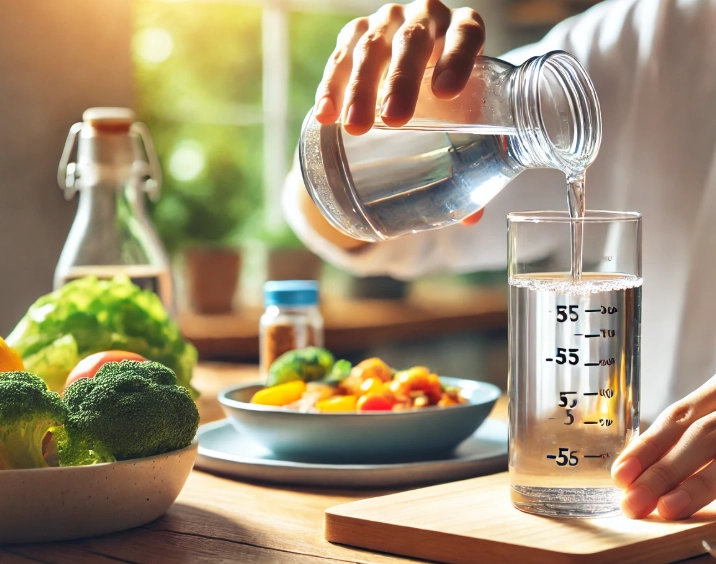
Making Water a Habit: Practical Tips That Actually Work
Knowing the benefits is one thing. Actually drinking enough is another. Here’s what works, based on helping people ditch the struggle.
Invest in a Vessel You Love. Not a clinical plastic bottle. A nice insulated bottle that keeps water cold, or a beautiful glass carafe for your desk. If you enjoy the vessel, you'll reach for it more.
Flavor it Naturally. If plain water bores you, infuse it. My favorite combos: cucumber-mint, lemon-ginger, or frozen mixed berries. Herbal tea (hot or iced) counts 100% toward your goal.
Pair It with Existing Habits. This is the golden rule of habit formation. Drink a glass right after you brush your teeth. Take a sip every time you check email. Finish your glass before you take your first coffee sip.
Eat Your Water. Don't forget about food. Cucumber, watermelon, celery, strawberries, lettuce, and zucchini are all over 90% water. A big salad or a fruit smoothie contributes significantly.
Use Technology (Briefly). Apps or smart bottle reminders are great for the first 2-3 weeks to build awareness. The goal is to eventually not need them, to develop your own internal cue.
The biggest mistake people make is trying to go from 2 cups to 12 cups overnight. It feels awful. Start by adding one extra glass to your current routine. Nail that for three days. Then add another. Small, sustainable wins build the real, lasting habit.




Leave a comment