Let's cut to the chase: aromatherapy isn't just a pleasant smell. For women dealing with the rollercoaster of hormones, endless to-do lists, and sleepless nights, it's a practical, science-backed tool for reclaiming balance. I've spent over a decade guiding clients through essential oils, and the difference it makes isn't subtle—it's life-changing when done right. This guide strips away the fluff and gives you what works.
Your Aromatherapy Roadmap
How Aromatherapy Works Specifically for Women
Women's bodies are complex. Hormonal shifts during menstruation, pregnancy, perimenopause, and everyday stress create unique challenges. Aromatherapy taps into the limbic system—the brain's emotional center—through scent. Inhaling essential oil molecules can directly influence mood, stress response, and even hormonal pathways.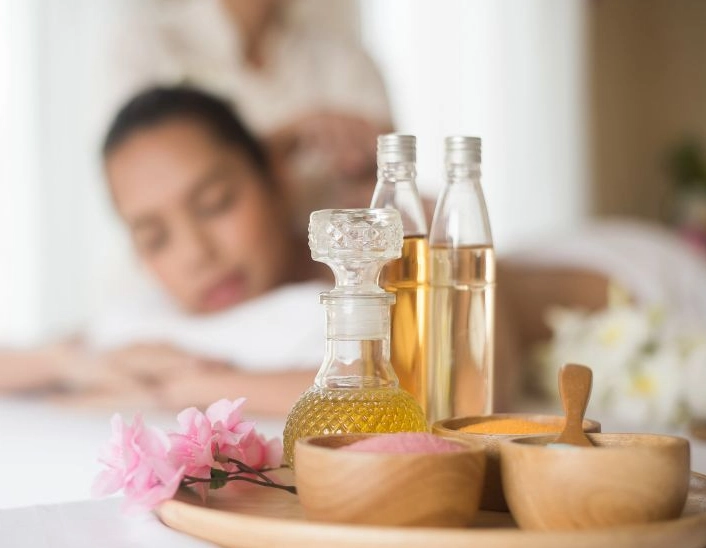
Take cortisol, the stress hormone. Research cited in journals like Phytotherapy Research shows that lavender oil can lower cortisol levels, which is huge for women who often juggle multiple roles. For hormonal balance, oils like clary sage mimic estrogen-like effects, helping ease PMS or menopausal symptoms naturally.
But here's the thing most blogs miss: it's not magic. Consistency matters more than any single oil. Using aromatherapy sporadically won't cut it; integrate it into daily rituals for real impact.
The Essential Oil Toolkit: 5 Must-Have Oils for Women
You don't need a cabinet full of bottles. Start with these five workhorses. I've seen clients waste money on exotic blends when these basics do 90% of the job.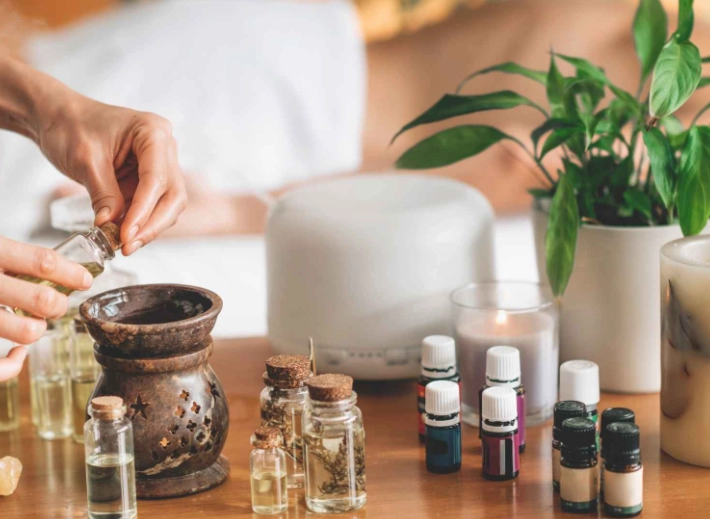
| Essential Oil | Top Benefits for Women | How to Use It |
|---|---|---|
| Lavender | Reduces anxiety, improves sleep, soothes skin irritation | Diffuse 3-4 drops before bed, or add 2 drops to a warm bath |
| Clary Sage | Eases menstrual cramps, balances hormones, uplifts mood | Dilute 1-2 drops in carrier oil, massage onto lower abdomen |
| Peppermint | Relieves headaches, boosts energy, aids digestion | Inhale directly from bottle for instant focus, or apply diluted to temples |
| Bergamot | Combats stress and depression, promotes relaxation | Diffuse during work hours, or add to a roller blend for on-the-go calm |
| Frankincense | Supports immune function, reduces inflammation, enhances meditation | Use in skincare (1 drop per serum), or diffuse for grounding effects |
Quality is non-negotiable. Look for oils labeled "100% pure therapeutic grade" from reputable brands. I've had clients bring me cheap oils that caused rashes—don't skimp here.
Real-Life Scenario: Sarah, a client in her 40s, struggled with perimenopausal night sweats and anxiety. We started with a nightly routine: diffusing lavender and frankincense in her bedroom, plus a clary sage roller for daytime stress. Within two weeks, she reported better sleep and fewer hot flashes. The key was combining oils for synergistic effects.
Crafting Your Personal Aromatherapy Practice: A Beginner's Guide
Start simple. Pick one issue you want to tackle—say, stress or sleep—and build from there.
Step 1: Choose Your Method
Diffusion is great for whole-room effects, but it's not the only way. For targeted relief, topical application works better. Always dilute essential oils in a carrier oil like jojoba, coconut, or almond oil. A safe starting ratio: 2-3 drops of essential oil per tablespoon of carrier oil.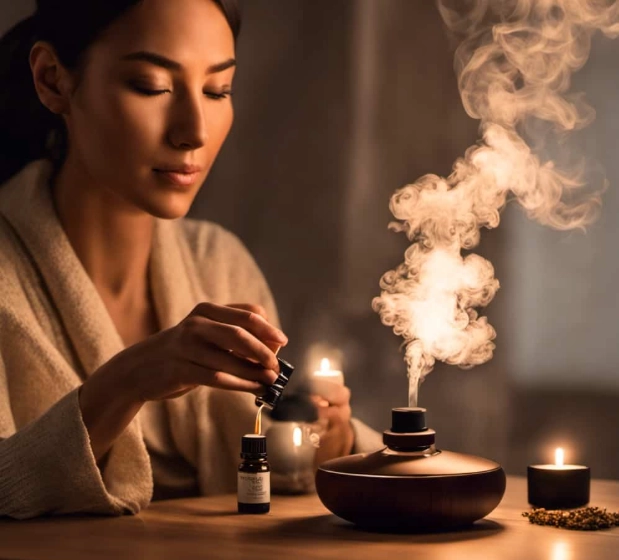
Step 2: Create a Routine
Morning: Add 2 drops of peppermint to your shower floor for an energizing start. Day: Keep a bergamot rollerball in your purse for stress moments. Evening: Diffuse lavender while winding down. Consistency turns this into a habit, not a chore.
Step 3: Listen to Your Body
Some days you might need more calming oils, other days more uplifting ones. Your nose knows—if a scent feels off, switch it up. I once overused lemon oil for energy and ended up with headaches; moderation is key.
Expert Insights: Mistakes I See Women Make with Aromatherapy
After years in this field, I've spotted patterns that hold people back.
Mistake 1: Using Oils Neat (Undiluted). This is the biggest rookie error. Essential oils are concentrated. Applying them directly to skin can cause burns or sensitization. Always dilute, even for "gentle" oils like lavender.
Mistake 2: Ignoring Personal Sensitivity. Just because an oil is popular doesn't mean it's for you. Citrus oils can photosensitize skin, making it prone to sunburn. Patch-test new oils on a small area first.
Mistake 3: Relying Solely on Aromatherapy for Serious Health Issues. Aromatherapy complements conventional care, it doesn't replace it. If you have severe depression or hormonal disorders, see a doctor. I've seen women delay treatment hoping oils alone would fix everything—they don't.
Mistake 4: Storing Oils Poorly. Keep them in dark glass bottles away from heat and sunlight. I had a client whose oils lost potency after leaving them on a sunny windowsill; they're not decor.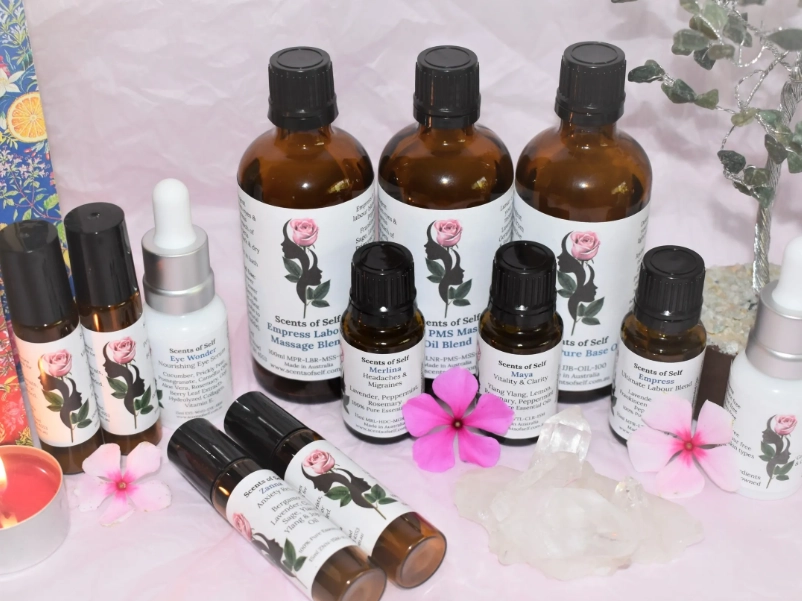
FAQs on Aromatherapy for Women Answered
Aromatherapy for women is about empowerment through simplicity. Start with one oil, one routine, and observe how your body responds. It's not a quick fix, but a steady companion for navigating life's ups and downs. Remember, the goal isn't perfection—it's finding what brings you a moment of peace in a chaotic day.




Leave a comment