Let's be honest. Women's health often gets reduced to a yearly pap smear and maybe a mammogram reminder. We're told to "listen to our bodies," but what does that even mean when you're juggling work, family, and the general chaos of life? I remember hitting 35 and feeling a shift—not a crisis, just a persistent background hum of fatigue and bloating that my doctor dismissed as "normal aging." That's when I realized preventive care isn't about waiting for a problem; it's about decoding your body's unique language before it starts shouting.
This guide is the conversation I wish I'd had. It's not just a checklist. It's a framework for building a sustainable, proactive health strategy that works for you, not against you.
What You'll Find in This Guide
Why the Standard Checkup Isn't Enough
Most of us show up for our annual physical, get a basic blood panel, and are sent on our way with a "you're fine." But fine isn't optimal. The real goal is vibrant health—energy that lasts, stable moods, resilient immunity, and restful sleep. The gap between "fine" and "vibrant" is where preventive care lives.
Think of it like car maintenance. You don't wait for the engine to seize before changing the oil. You follow a schedule based on mileage and conditions. Your body has mileage (age) and conditions (genetics, lifestyle, stress). A one-size-fits-all checkup misses the specific tune-ups your unique model needs.
A major blind spot? The focus on disease over function. Medicine excels at diagnosing illness (like hypothyroidism) but often overlooks suboptimal function (where your thyroid works, but not well). That suboptimal zone is where chronic fatigue, weight creep, and brain fog breed.
Expert Insight: After a decade in wellness coaching, I see one consistent mistake: women chasing single symptoms with single solutions (a new supplement for energy, a different diet for bloating). Health is a web. Fatigue might be tied to poor sleep, which is linked to cortisol dysregulation, which affects blood sugar, which impacts mood. Prevention requires connecting these dots, not just treating the dot that hurts today.
Your Decade-by-Decade Screening Timeline
This isn't about fear-mongering. It's about empowerment through information. Knowing what to ask for puts you in the driver's seat. Here’s a framework, but always personalize with your doctor based on family history and personal risk factors.
| Age Range | Key Screenings & Checks | Why It's Critical Now |
|---|---|---|
| 20s & 30s | Well-woman exam (Pap/HPV as recommended), STI screening if sexually active, baseline lipid panel & fasting glucose, thyroid panel (TSH, Free T3, Free T4), iron/ferritin. | Establish baselines. Thyroid issues often start here. Iron depletion is common but overlooked. This is the time to build metabolic resilience. |
| 40s | Mammogram (starting at 40-50, per guidelines), fasting insulin + glucose (HOMA-IR), DEXA scan for bone density baseline, comprehensive hormone panel (estradiol, progesterone, testosterone, DHEA-S). | Perimenopause begins. Insulin resistance can creep in. Bone loss starts silently. Data here informs your menopause transition strategy. |
| 50s & Beyond | Colonoscopy (starting at 45), continued breast & bone density screening, vitamin B12 & D levels, cardiac risk assessment (e.g., coronary calcium scan). | Focus shifts to cancer prevention and long-term cardiovascular/cognitive health. Nutrient absorption can decline. |
Don't be shy about requesting specific tests. If you're chronically tired, ask for a full thyroid panel, not just TSH. If you have a family history of heart disease, discuss a lipoprotein(a) test. You are your own best advocate.
Decoding Your Hormone Signals
Hormones are your body's messaging system. When they're off, the entire communication network glitches. It's not just about estrogen and progesterone.
The Unusual Suspects: Cortisol and Insulin
We blame sex hormones for everything, but cortisol (your stress hormone) and insulin (your blood sugar regulator) are often the puppet masters. Chronically high cortisol steals progesterone to make more cortisol (hello, PMS and anxiety). Insulin resistance tells your body to store fat, especially around the midsection, and fuels inflammation.
A simple sign? If you get "hangry," crash in the afternoon, or crave carbs, look at your blood sugar balance before blaming your ovaries.
Perimenopause: The Great Transition
This isn't just about hot flashes a decade from now. Perimenopause can start in your late 30s/40s with subtle signs: shorter menstrual cycles, heavier flows, new-onset migraines, disrupted sleep, and a stubborn shift in belly fat. The standard medical response is often "wait for menopause." A preventive approach tracks these shifts early and uses diet, stress management, and targeted supplements (like magnesium glycinate for sleep) to modulate the transition.
Food & Movement as Foundational Medicine
Forget perfect diets. Think strategic nourishment.
Protein at every meal. This is non-negotiable for blood sugar stability, muscle preservation (crucial for metabolism and bone health), and hormone production. Aim for a palm-sized portion.
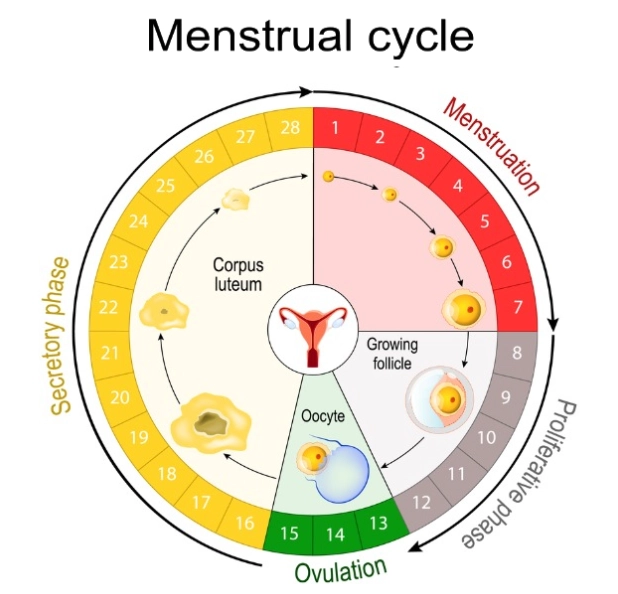
Cycle-syncing nutrition (roughly): In the first half of your cycle (follicular), you might tolerate more carbs. In the second half (luteal), your body uses more energy, so prioritize healthy fats and magnesium-rich foods (dark leafy greens, nuts) to ease potential PMS.
Movement is non-negotiable, but type matters.
- Strength Training: The #1 tool for preventing osteoporosis and sarcopenia (age-related muscle loss). It also improves insulin sensitivity. You don't need a gym; bodyweight and resistance bands work.
- Zone 2 Cardio: Low-intensity, sustainable exercise (brisk walking, cycling) that improves mitochondrial health—your cellular energy engines. This reduces fatigue at a foundational level.
High-Intensity Interval Training (HIIT) has its place, but for stressed, cortisol-sensitive women, too much can be counterproductive. Listen to your energy, don't just burn it.
Managing the Invisible Mental Load
Stress isn't just a feeling; it's a physiological event with measurable impacts on your hormones, gut, and immune system. Preventive health must address the mental load.
This goes beyond "practice mindfulness." It's about boundary hygiene.
- Can you delegate one task that drains you?
- Can you schedule 15 minutes of true quiet (no podcast, no scrolling) daily?
Sleep is your master reset button. Poor sleep disrupts ghrelin/leptin (hunger hormones), spikes cortisol, and impairs detoxification. Prioritize it like your health depends on it—because it does. A cool, dark room and a consistent bedtime are more potent than many supplements.
Building Your Long-Term Health Plan
Prevention is a practice, not a destination. Start small.
Quarterly Check-In: Every 3 months, assess.
- Energy levels (scale of 1-10)?
- Sleep quality?
- Digestion?
- Stress management?
Pick one area to gently improve.
Find Your Team: A proactive healthcare team might include a forward-thinking primary doctor, a registered dietitian, and a physical therapist or trainer. You don't need them all at once, but know who to call.
Embrace Data: Use a simple app to track your cycle, symptoms, and energy. Patterns will emerge that your doctor would never see in a 15-minute visit.
The goal isn't perfection. It's resilience. It's understanding that the small, consistent choices—the extra vegetable, the walk, the early bedtime, the assertive conversation with your doctor—compound over decades. They build a body that doesn't just survive, but thrives.





Leave a comment