Let's talk about women's health. It's more than just annual check-ups. It's a complex, lifelong conversation with your body, influenced by hormones, life stages, and the unique way many conditions present in women. Heart disease might feel like crushing fatigue, not chest pain. A thyroid issue can masquerade as depression. Understanding these common concerns isn't about fear—it's about empowerment and taking the driver's seat in your own well-being.
In This Article: Your Health Navigation Map
The biggest mistake? Dismissing persistent symptoms as "just stress" or "part of being a woman." Listen to your body. It's often whispering long before it screams.
Hormonal Health: The Invisible Regulator
Hormones are your body's messaging system. When they're off, everything feels off. For women, a few key players cause the most frequent trouble.
PCOS: More Than Just Irregular Periods
Polycystic Ovary Syndrome (PCOS) is one of the most common endocrine disorders, affecting up to 1 in 10 women. The classic triad is irregular periods, excess androgen (leading to acne or facial hair), and polycystic ovaries on ultrasound. But here's what often gets missed: the profound metabolic impact. PCOS is closely linked to insulin resistance. This means your body struggles to use insulin effectively, which can lead to weight gain (especially around the middle), intense sugar cravings, and a significantly higher risk of developing type 2 diabetes. It's not just a "reproductive" issue; it's a whole-body metabolic condition.
Management isn't just birth control pills. A foundational approach is dietary: reducing refined carbs, sugar, and processed foods. Whole foods, healthy fats, and lean protein stabilize blood sugar. HIIT workouts or strength training build muscle, which improves insulin sensitivity. Even a modest weight loss—5%—can improve ovulation, reduce androgen levels, and boost fertility.
Thyroid Disorders: Your Body's Thermostat Gone Haywire
Women are 5-8 times more likely than men to have thyroid problems. Hypothyroidism (underactive thyroid) is the most common. Symptoms are notoriously easy to miss: fatigue, unexplained weight gain, feeling cold, hair loss, brain fog, and depression. I've seen patients treated for depression for years before someone checked their TSH level.
Hyperthyroidism (overactive thyroid) is less common but presents with anxiety, rapid heartbeat, weight loss despite increased appetite, and heat intolerance. The key is a simple blood test: TSH, Free T3, and Free T4. If you're experiencing a cluster of these symptoms, ask for the full panel, not just TSH.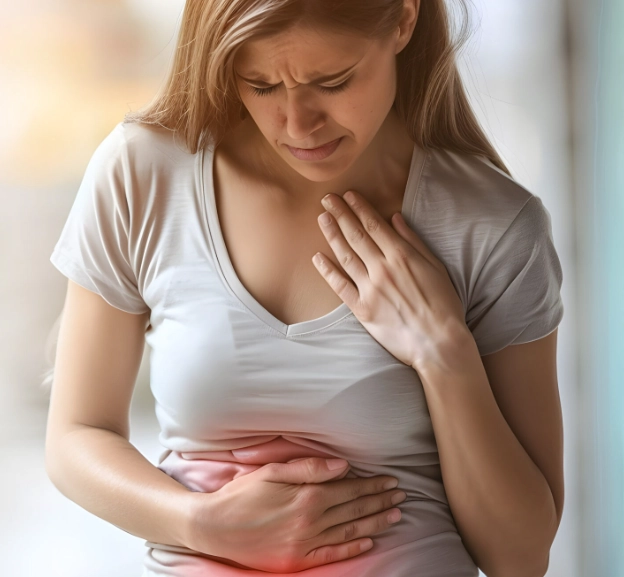
Menopause & Perimenopause: The Great Transition
Perimenopause can start a decade before your last period. It's not just hot flashes. The hormonal rollercoaster of fluctuating estrogen and progesterone causes sleep disturbances, mood swings, vaginal dryness, and changes in libido. The drop in estrogen also accelerates bone loss and negatively impacts cholesterol levels, raising heart disease risk.
The conversation about Hormone Replacement Therapy (HRT) is nuanced. For healthy women under 60 within 10 years of menopause onset, the benefits for symptom relief and bone/heart protection can outweigh risks. Transdermal estrogen (patches/gels) bypass the liver and are considered safer. But it's not for everyone. Lifestyle is paramount: strength training to preserve bone and muscle, phytoestrogens from flax and soy, and mindfulness for stress and sleep.
Reproductive & Pelvic Health
This area is often shrouded in silence, but the issues are incredibly common.
Endometriosis and Uterine Fibroids affect millions. Severe period pain that disrupts your life isn't normal. Pain during sex, heavy bleeding that soaks through a pad/tampon in an hour—these are red flags. Diagnosis often requires ultrasound or laparoscopy. Treatments range from medication to manage pain and hormones to various surgical options.
Urinary Tract Infections (UTIs) plague women more than men due to anatomy. Prevention is key: wipe front to back, urinate before and after sex, stay hydrated. Cranberry juice is debated, but D-mannose powder (a sugar that prevents bacteria from sticking) shows promise for recurrent UTIs.
Heart Health: The Silent #1 Threat
Heart disease is the leading cause of death for women globally, yet it's still perceived as a "man's disease." The symptoms in women are often different. Forget the dramatic Hollywood heart attack. Women are more likely to experience:
- Unusual fatigue that lasts for days
- Shortness of breath
- Nausea or indigestion
- Pain in the back, neck, or jaw
- A sense of "impending doom"
Risk factors include high blood pressure, high cholesterol, diabetes, smoking, and a sedentary lifestyle. Post-menopause, risk increases as estrogen's protective effect wanes. Prevention is your best weapon: a Mediterranean-style diet rich in plants, healthy fats, and fish; 150 minutes of moderate aerobic activity weekly; managing stress; and knowing your numbers (blood pressure, cholesterol, blood sugar).
Bone Health: Building a Strong Foundation
Osteoporosis, or porous bone, is a major concern as women age. The rapid bone loss in the first 5-7 years after menopause is critical. It's a silent disease until a fracture happens.
Prevention starts young. Your 20s and 30s are when you build peak bone mass. Weight-bearing exercise (walking, running, dancing) and strength training (lifting weights) are non-negotiable. Nutritionally, you need calcium (dairy, leafy greens, fortified foods) and Vitamin D (sunlight, fatty fish, supplements). A DEXA scan to measure bone density is typically recommended at 65, or earlier if you have risk factors like a family history, early menopause, or long-term steroid use.
Mental & Emotional Well-being
Women are nearly twice as likely as men to experience depression and anxiety. Hormonal fluctuations throughout the menstrual cycle, postpartum period, and menopause play a significant role. There's also the societal burden of the "mental load"—the invisible labor of managing a household and family.
Prioritizing mental health is not selfish; it's essential. This looks like setting boundaries, saying no, practicing self-compassion, and seeking therapy when needed. Tools like cognitive behavioral therapy (CBT) and mindfulness meditation are evidence-based and powerful. Don't ignore persistent feelings of sadness, hopelessness, or anxiety that last more than two weeks.
Cancer Screenings: Early Detection Saves Lives
Staying on top of recommended screenings is one of the most effective things you can do.
- Breast Cancer: Know how your breasts normally look and feel. Report any changes (lump, dimpling, nipple discharge) immediately. Mammograms are typically recommended starting at age 40-50, depending on guidelines and personal risk.
- Cervical Cancer: The Pap smear (or HPV test) is a success story. Get screened as recommended (usually every 3-5 years from age 21). The HPV vaccine protects against the strains that cause most cervical cancers.
Discuss your personal and family history with your doctor to tailor a screening schedule for you.
Your Actionable Health Strategy
Feeling overwhelmed? Don't be. Build your health strategy one brick at a time.
1. Find a Partner, Not Just a Doctor. Look for a primary care physician or gynecologist who listens, asks questions, and makes you feel heard.
2. Track Your Cycle and Symptoms. Use an app or journal. Note energy levels, mood, sleep, hunger, cravings, pain, bowel movements. Patterns will emerge.
3. Master the Non-Negotiables. Sleep 7-9 hours. Move your body daily—even a 20-minute walk counts. Hydrate. Eat more plants and whole foods.
4. Advocate for Yourself. If you feel dismissed, get a second opinion. Bring your symptom tracker to appointments.
Your Questions, Answered
Your health is your greatest asset. Investing time in understanding these common concerns isn't about dwelling on problems—it's about building a life of vitality, energy, and resilience. Start with one small change today.



Leave a comment