Let's be honest, the term "wellness" gets thrown around so much it can start to feel meaningless. Another list of things you *should* be doing. But after years of coaching and seeing what actually creates lasting change, I've found that real wellness isn't about chasing trends. It's about a handful of foundational habits. Get these right, and everything else—energy, mood, resilience—falls into place. Forget complicated regimens. These are the seven non-negotiable habits that form the bedrock of a truly healthy life.
Your Quick Guide to the 7 Habits
- Habit 1: Fuel with Balance, Not Fear
- Habit 2: Move Your Body, Your Way
- Habit 3: Prioritize Sleep Like Your Life Depends On It
- Habit 4: Master Your Stress, Don't Just Manage It
- Habit 5: Cultivate Real Social Connection
- Habit 6: Challenge Your Mind Consistently
- Habit 7: Hydrate, Simply and Reliably
- How to Start Putting It All Together
Habit 1: Fuel with Balance, Not Fear
We need to talk about food without the drama. A balanced diet isn't a punishment or a math test. The core mistake I see? People get obsessed with subtracting "bad" foods but forget to add the powerfully good ones. Your body needs a steady supply of nutrients to function, not just an absence of calories.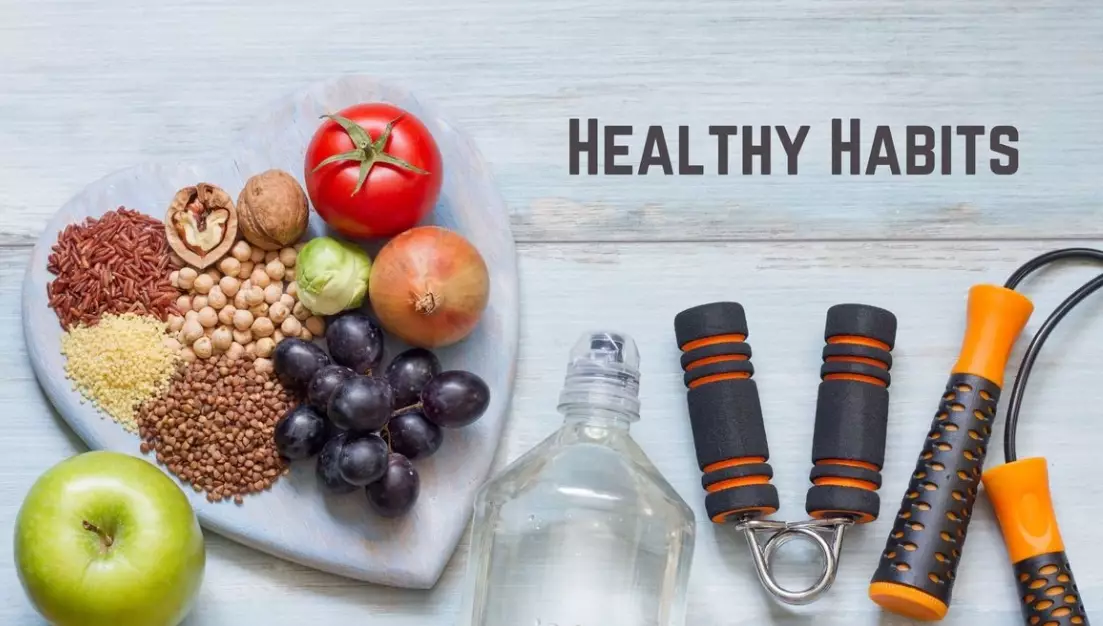
Think of your plate as a canvas.
Aim for this simple visual every time you eat: half the plate filled with colorful vegetables and fruits (the more color, the wider the vitamin range), a quarter with lean protein (chicken, fish, beans, lentils, tofu), and a quarter with whole grains or starchy vegetables (brown rice, quinoa, sweet potato). Add a thumb-sized portion of healthy fats (avocado, olive oil, nuts).
This isn't about perfection at every meal. It's about the overall pattern. Had a sandwich for lunch with just meat and bread? Make sure dinner is heavy on the veggies. The goal is to crowd out the less nutritious stuff by consistently adding the good. It's a gentler, more sustainable approach than restrictive dieting.
Habit 2: Move Your Body, Your Way
"Exercise" can sound like a chore. Let's reframe it: daily movement for joy and function. The official guideline from sources like the CDC is at least 150 minutes of moderate-intensity activity per week. That's 30 minutes, five days a week.
But here's the secret nobody tells you: it doesn't have to be 30 consecutive minutes, and it doesn't have to be in gym clothes.
Break it down. A 10-minute brisk walk in the morning, 10 minutes of bodyweight exercises at lunch, a 10-minute dance session while making dinner. Done. The type matters less than consistency. Find what you don't hate—cycling, swimming, hiking, yoga, even vigorous gardening. The point is to get your heart rate up, your muscles working, and your joints lubricated. Movement is a gift to your future self, preserving mobility and independence.
A quick note on intensity: "Moderate intensity" means you can talk but not sing. If you can have a full, easy conversation, you might need to pick up the pace. If you can't get a few words out, ease back a bit.
Habit 3: Prioritize Sleep Like Your Life Depends On It
Because it does. Sleep is when your body repairs cells, consolidates memories, and regulates hormones (including those that control hunger and stress). Skimping on sleep isn't a badge of honor; it's sabotaging every other wellness effort.
Most adults need 7-9 hours. It's non-negotiable for cognitive function and emotional regulation. The magic happens in the quality, not just the quantity.
How to Engineer Better Sleep
It's about your environment and routine. Make your bedroom a cave: cool, dark, and quiet. Use blackout curtains. Consider a white noise machine if you're in a noisy area. The biggest disruptor? Blue light from screens. It tricks your brain into thinking it's daytime, suppressing melatonin.
Create a "power-down" ritual 60 minutes before bed. Dim the lights. Read a physical book. Do some gentle stretching or deep breathing. This signals to your nervous system that it's time to shift gears. I resisted this for years, calling it silly. Once I committed, the difference in how quickly I fell asleep was startling.
Habit 4: Master Your Stress, Don't Just Manage It
Stress is inevitable. Chronic, unmanaged stress is destructive. It's not about eliminating stress but changing your relationship with it. The goal is resilience—the ability to bounce back.
Effective techniques are often simple but require practice.
- Diaphragmatic Breathing: Not just taking a deep breath. Breathe in slowly through your nose, letting your belly expand (put a hand on it to feel it rise). Exhale slowly through your mouth. Do this for 60 seconds when you feel tension rising. It directly activates your parasympathetic (rest-and-digest) nervous system.
- Mindfulness/Meditation: This isn't about clearing your mind. It's about observing your thoughts without getting swept away by them. Even 5-10 minutes a day using an app like Headspace or Calm can rewire stress responses over time.
- Physical Outlet: Remember Habit 2? Movement is a phenomenal stress-burner. A quick walk can literally metabolize stress hormones.
Find your anchor technique and use it *before* you're in crisis mode.
Habit 5: Cultivate Real Social Connection
This might be the most underestimated habit. Humans are wired for connection. Loneliness isn't just sad; it's a health hazard. Studies have shown that strong social ties can improve longevity as much as quitting smoking.
We're talking about quality, not quantity. It's not about having 500 Instagram followers. It's about having a few people with whom you can be authentically yourself—people who listen, support, and challenge you.
Nurture these relationships proactively. Schedule a regular coffee date, a weekly phone call with a long-distance friend, or a family dinner without phones. Join a club, a class, or a volunteer group around a shared interest. Connection is a nutrient for your emotional well-being.
Habit 6: Challenge Your Mind Consistently
Your brain is a muscle. If you don't use it in new ways, it gets comfortable and, frankly, less sharp. Cognitive engagement builds neural pathways and can help maintain brain health as we age.
This goes beyond doing the daily crossword (though that's fine). It's about novelty and challenge.
- Learn a new language, even just basics on Duolingo.
- Pick up a hands-on skill like woodworking, knitting, or playing a musical instrument.
- Read books that make you think, not just escape.
- Play strategy games or puzzles.
- Take a different route to work.
The key is to break out of autopilot. It keeps your mind agile and curious.
Habit 7: Hydrate, Simply and Reliably
I almost didn't include this because it seems so obvious. But after a decade of talking to clients, I'm convinced it's the most frequently neglected basic. Every single cellular process in your body requires water. Dehydration, even mild, causes fatigue, headaches, and poor concentration.
The "8 glasses a day" rule is a decent starting point, but needs vary. A better gauge is the color of your urine: aim for pale yellow. Carry a reusable water bottle. Start your day with a glass of water before coffee. Have one with every meal.
If you find plain water boring, infuse it with cucumber, lemon, mint, or berries. Herbal teas count too. The goal is consistent, steady hydration throughout the day, not chugging a liter before bed.
How to Start Putting It All Together
Looking at all seven habits can feel overwhelming. Don't try to overhaul your life overnight. That's a recipe for burnout.
Pick one. Just one. The one that feels most manageable or that you're most motivated to change. Master it for 2-3 weeks until it feels automatic. Then layer in a second one.
Maybe you start by buying a water bottle and committing to filling it twice a day. Or you decide to add one serving of vegetables to your dinner every night. Or you set a firm bedtime and stick to it for a week.
Small, consistent actions create massive compound interest for your health. These seven healthy habits of wellness aren't a destination; they're the daily practices of a life lived with energy and intention. Start where you are.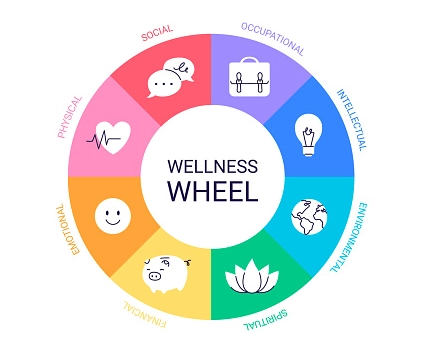
Your Wellness Habits Questions, Answered
What's the most common mistake people make when trying to eat a balanced diet?
I can't find 30 minutes a day to exercise. What's a realistic alternative?
How can I actually improve my sleep quality if I'm a light sleeper?
Is social connection really as important as diet and exercise for health?


Leave a comment