You just checked your blood pressure and the numbers are way higher than normal. Maybe it's 150/95, or even higher. Your heart starts racing with the reading. The first question in your mind is, "How do I get this down right now?" I get it. That spike of panic is real. The good news is, there are legitimate, science-backed ways to lower your blood pressure in the short term. The crucial thing to understand is the difference between managing a temporary spike and dealing with a true hypertensive crisis. This guide will walk you through safe, immediate steps you can take at home, and more importantly, when you must stop what you're doing and seek emergency medical care.
Quick Navigation: What You'll Find Here
- What "Immediate" Really Means for BP
- Your First Step: The 5-Minute Calming Technique
- 5 Key Strategies for Fast Blood Pressure Reduction
- Critical Mistakes to Avoid When Your BP is High
- The Red Line: When Immediate Means the ER
- The Truth About "Immediate" Fixes in a Long-Term Plan
- Your Pressing Questions Answered
Understanding "Immediate" in the Blood Pressure Context
Let's be clear. When we talk about lowering blood pressure "immediately," we're usually talking about a window of 30 minutes to a few hours. We're aiming to bring down a stress-induced or situational spike. This is not about curing chronic hypertension on the spot. Think of it like calming a stormy sea versus draining the ocean. The immediate techniques calm the storm (your sympathetic nervous system), which can indeed lower your numbers significantly within that short timeframe. A study published in the Journal of the American Heart Association found that simple relaxation techniques can lead to a measurable drop in systolic BP (the top number) within 15-20 minutes.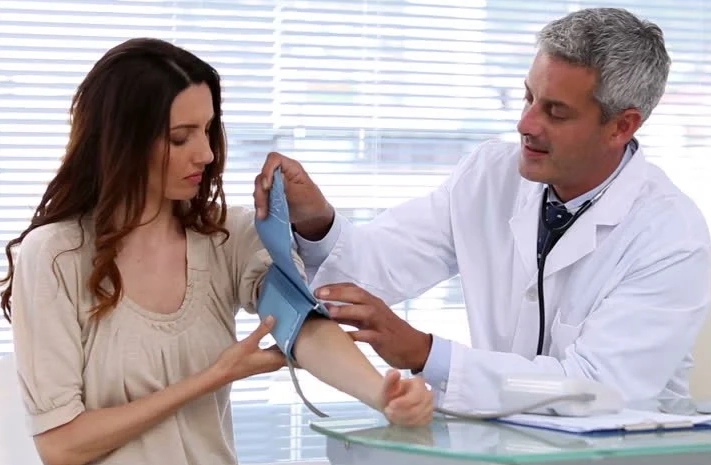
The 5-Minute Calming Technique (Your First Step)
When you see a high number, your body's "fight or flight" system is often already engaged, making things worse. The single most effective immediate action is to break that cycle. Here’s a concrete, timed method I've seen work with countless patients in my clinic.
- Stop and Sit. Literally stop whatever you're doing. Don't check it again right away. Sit down in a comfortable chair with your back supported and your feet flat on the floor. Uncross your legs.
- Focus on Your Breath (2 minutes). Inhale slowly through your nose for a count of 4. Feel your belly expand. Hold that breath for a count of 2. Then exhale slowly through your mouth for a count of 6. This 4-2-6 pattern is key. It activates your parasympathetic nervous system—your body's "brake."
- Passive Awareness (2 minutes). Stop controlling your breath. Just notice it. Feel the air cool as it enters your nostrils, warm as it leaves. Let your thoughts pass by like clouds. If you get distracted, gently bring your focus back to the physical sensation of breathing.
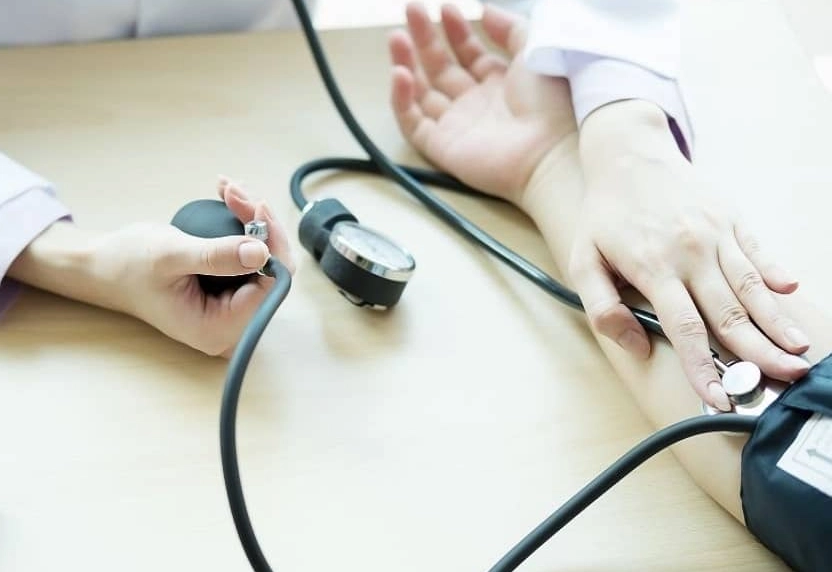
- Re-check (1 minute later). Wait one full minute after finishing. Then take a new reading, ensuring proper cuff placement and arm position. You'll often see a 10-15 point drop in the systolic number just from this.
This isn't just "relaxing." It's a direct physiological intervention. The long exhale is what signals safety to your brain.
5 Key Strategies for Fast Blood Pressure Reduction
Beyond the breathing technique, combine these actions for a more pronounced effect. Think of them as tools in your immediate-response toolkit.
1. Hydrate with a Twist (But Not How You Think)
Dehydration can thicken your blood and make your heart work harder. Drink a large glass of plain, room-temperature water. Avoid ice-cold water, as the shock can sometimes cause a brief vasoconstriction. A common mistake is gulping down a gallon. That's not necessary and can be harmful if you have certain heart conditions. One to two glasses is sufficient. If you suspect your high reading is due to a big, salty meal, the water can help your kidneys start processing the excess sodium.
2. The Power of Quiet and Dark
Sensory overload is a major driver of stress-induced hypertension. If possible, go to a dim, quiet room. Lie down if you can, or recline. The goal is to reduce auditory and visual stimuli. This isn't about taking a nap (though that helps long-term), but about giving your nervous system a break. Even 10-15 minutes in a subdued environment can lower cortisol levels, which directly impact blood pressure.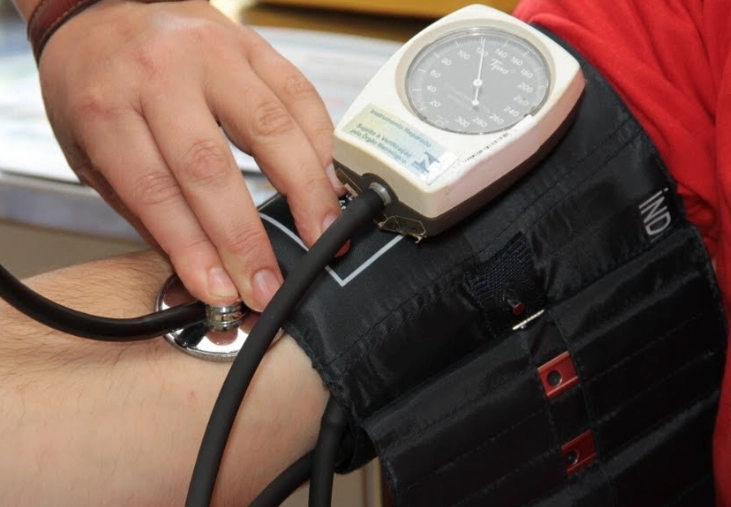
3. Progressive Muscle Relaxation - The Quick Version
You can do this seated. Starting with your toes, tense the muscles as hard as you can for 5 seconds. Then release completely, focusing on the wave of warmth and heaviness that follows. Work your way up: calves, thighs, buttocks, abdomen, hands, arms, shoulders, and finally your face (scrunch it up, then release). This process teaches your body the difference between tension and relaxation, and the release phase promotes vasodilation.
4. Avoid All Stimulants (Immediately and Afterwards)
This is non-negotiable. If your BP is high, do not reach for:
- Caffeine (coffee, tea, energy drinks, soda)
- Nicotine (cigarettes, vapes)
- Alcohol (it may seem relaxing but initially it's a stimulant and a vasoconstrictor)
Even decongestants in cold medicine can spike your pressure. Give your system a clean slate.
5. The Forgotten Factor: Body Temperature
A warm bath or shower can help. Not hot—warm. The heat causes your peripheral blood vessels to dilate, which can lower blood pressure. The key is to avoid a scalding hot shower, which can have the opposite effect and be dangerous if you feel faint. A 10-minute warm soak can be remarkably effective. Dry off slowly and continue resting.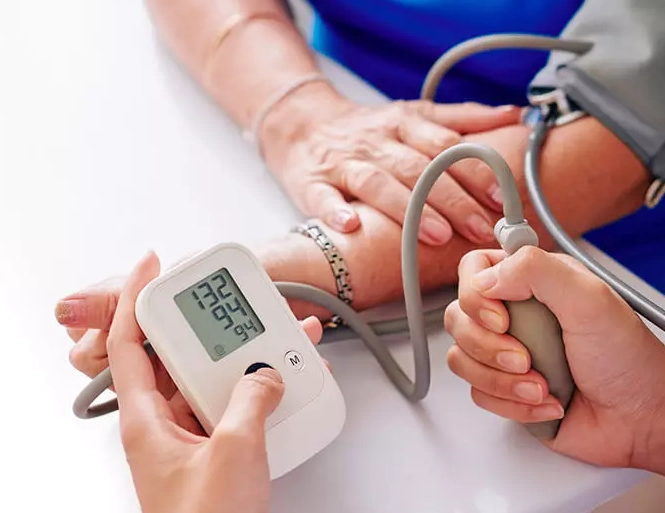
What NOT to Do When Trying to Lower BP Fast
In the panic to lower numbers, people often make choices that backfire. Here’s a quick-reference table of common pitfalls.
| Action to Avoid | Why It's a Bad Idea | What to Do Instead |
|---|---|---|
| Taking an extra dose of your BP medication without consulting your doctor. | Can cause dangerously low blood pressure (hypotension), leading to dizziness, fainting, and organ damage. | Stick to your prescribed schedule. If concerned, call your doctor, don't self-adjust. |
| Performing intense exercise (running, heavy weights). | Will temporarily raise BP even higher due to increased cardiac output. Risk of stroke or heart event rises. | Gentle movement only, like slow walking after you've initially calmed down. |
| Drinking excessive amounts of water very quickly. | Can lead to hyponatremia (low sodium), confusing the body's electrolyte balance and stressing the heart. | Hydrate slowly with 1-2 glasses over 30 minutes. |
| Frantically re-taking your BP every 2 minutes. | Increases anxiety, creating a feedback loop that keeps pressure elevated. Cuff inflation itself is a minor stressor. | Follow the 5-minute technique, then wait at least 15-20 minutes between checks. |
| Consuming "quick fix" supplements like excessive garlic or potassium pills. | Unregulated, can interact with medications or cause GI distress. Effects are not immediate or reliably safe in crisis. | Focus on proven, non-ingestion methods like breathing and rest. Discuss supplements with your doctor for long-term use. |
The Red Line: When "Immediate" Means the Emergency Room
This is the most important section. Home techniques are for non-emergency spikes. According to guidelines from the American Heart Association, a hypertensive crisis requires immediate medical intervention. Here are the unambiguous signs that you need to call 911 or go to the ER: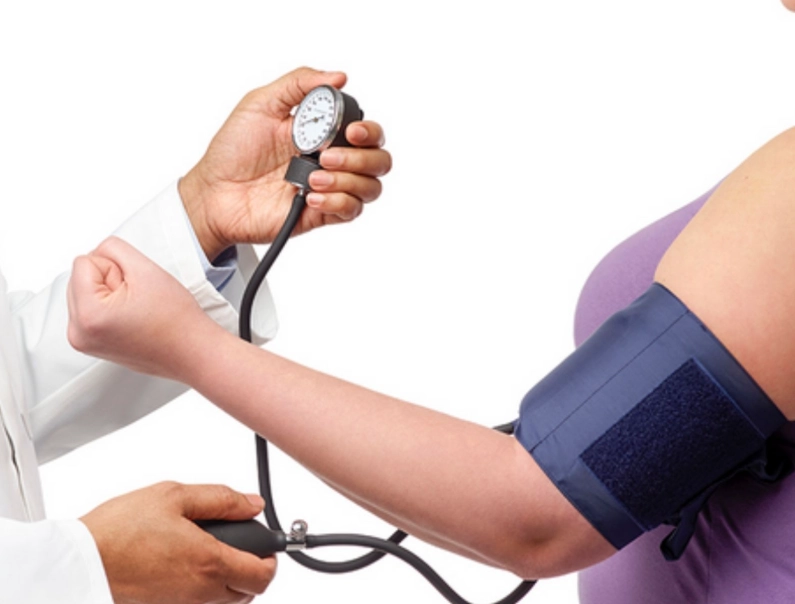
- Your blood pressure reading is 180/120 mmHg or higher, even if you feel fine. This is called hypertensive urgency or emergency.
- You have that high reading AND experience any of these symptoms:
- Chest pain, pressure, or tightness
- Severe headache, confusion, or blurred vision
- Nausea or vomiting
- Severe anxiety or shortness of breath
- Numbness/weakness, or difficulty speaking
Do not drive yourself. Let the professionals in the ER administer controlled, intravenous medications to bring your pressure down safely. A rapid, uncontrolled drop can be as dangerous as the high pressure itself.
The Truth About "Immediate" Fixes in a Long-Term Plan
If you find yourself frequently searching for immediate fixes, that's a glaring signal that your long-term management plan isn't working. These fast-acting methods are band-aids, not cures. Relying on them is like using a bucket to bail water out of a leaking boat instead of plugging the hole.
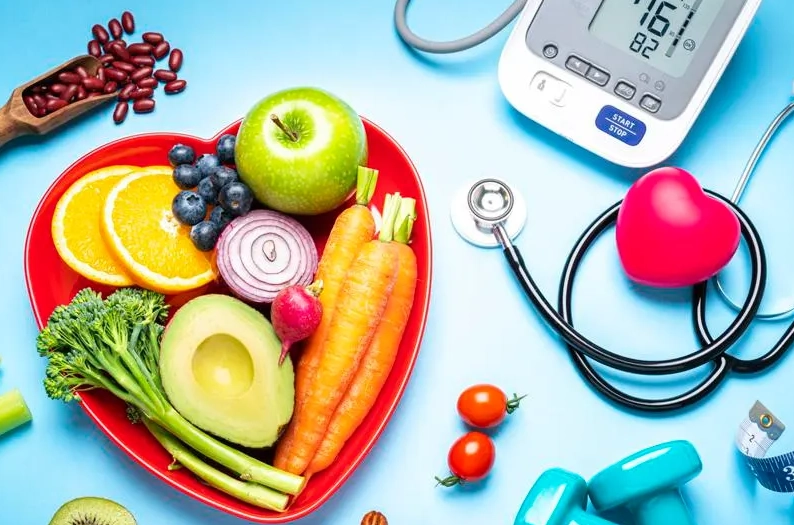
The real work happens daily: consistent medication (if prescribed), a sustainable DASH or Mediterranean-style diet low in processed foods, regular moderate exercise (150 mins/week), stress management practices like daily meditation, and quality sleep. These are the plugs for the leak. The immediate techniques are for the occasional big wave that splashes over the side.
Track your numbers at consistent times (morning and evening) in a log. Look for patterns. Does it spike after a stressful work call? Before a difficult meeting? This data is gold for you and your doctor to tailor your long-term strategy.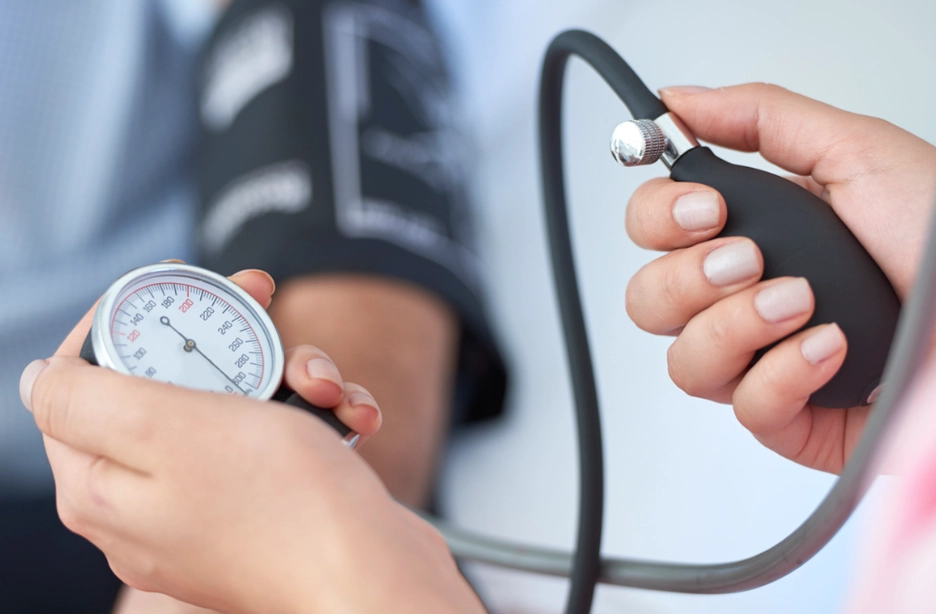




Leave a comment