You've seen the videos. "Lower your BP in 7 seconds!" "Doctor reveals one weird trick!" It's everywhere. And if you're one of the millions managing hypertension, that promise is incredibly tempting. Who wouldn't want a free, instant fix?
Let's cut through the noise. I've been a health writer focusing on cardiovascular wellness for over a decade, and I've seen these trends come and go. The core of this viral "7 second trick" isn't magic—it's a specific, intentional breathing maneuver. But here's the part most videos gloss over: doing it wrong is not just ineffective, it can be counterproductive. I'll show you the precise method, explain the real (and impressive) science behind why it can work, and give you the context most "hack" videos ignore. This isn't a replacement for medication or lifestyle changes, but as a tool for acute stress and pressure spikes, it has legitimate merit.
What's Inside
What Exactly Is the 7-Second Blood Pressure Trick?
Stripped of the sensationalism, the trick is a targeted form of slow, diaphragmatic breathing with a specific hold. It's designed to rapidly engage your body's parasympathetic nervous system—the "rest and digest" counterweight to the "fight or flight" stress response that raises your heart rate and tightens blood vessels.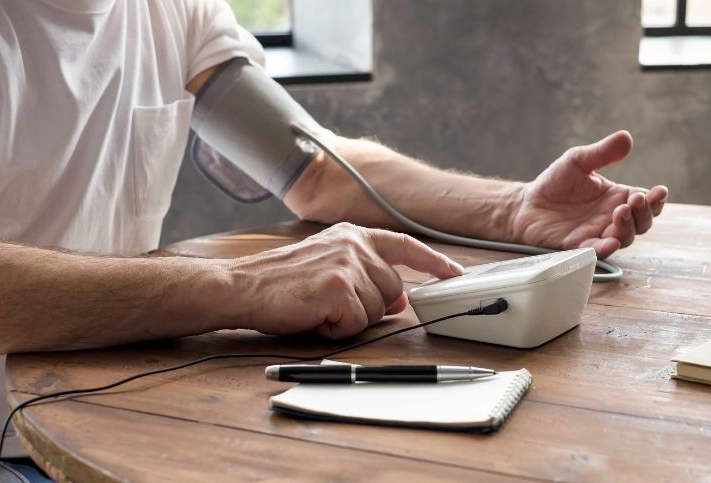
Most people breathe too fast and too shallow, especially when stressed. This keeps the body in a low-grade state of alarm. The 7-second protocol forces a hard reset.
It's not some new discovery. Variations have roots in ancient practices like pranayama yoga. Modern cardiology has been studying the effects of controlled breathing on hypertension for years. A review published in the Journal of the American Heart Association found that device-guided slow breathing can lead to significant reductions in blood pressure. The viral trick is a simplified, accessible version of these principles.
Key Point: This isn't inventing something new. It's packaging a proven physiological mechanism (vagal nerve stimulation through breath control) into an ultra-simple, memorable format. That's why it spread—it's actionable immediately.
The Step-by-Step Guide (Getting It Right Matters)
Here’s the exact sequence. Find a quiet place to sit upright for your first few attempts. Don't lie down.
The 7-Second Breathing Sequence
- Second 1-2: The Slow Inhale. Breathe in slowly and deeply through your nose. Focus on filling your belly, not just your chest. Feel your diaphragm expand. This should take a full 2 seconds.
- Second 3-7: The Hold. Hold that breath gently. Don't clamp down or create tension in your throat or jaw. Just pause. The full hold is 5 seconds. This is the core of the "trick."
- The Release: Exhale slowly and completely through your mouth, as if you're sighing out all the tension. Let your shoulders drop. This exhalation isn't timed rigidly—aim for about 4 seconds.
Repeat this cycle 5 to 10 times in a row. One round of inhale-hold-exhale takes about 7-8 seconds. The "7-second" name comes from the combined inhale and hold (2+5).
I tried this with a blood pressure monitor out of curiosity. Sitting at my desk after a frustrating work call, my reading was 142/88. After 6 cycles of this breathing—taking about one minute total—it dropped to 135/82. Not a miracle cure, but a noticeable shift from "elevated" back toward my normal range. The feeling of calm was more dramatic than the numbers.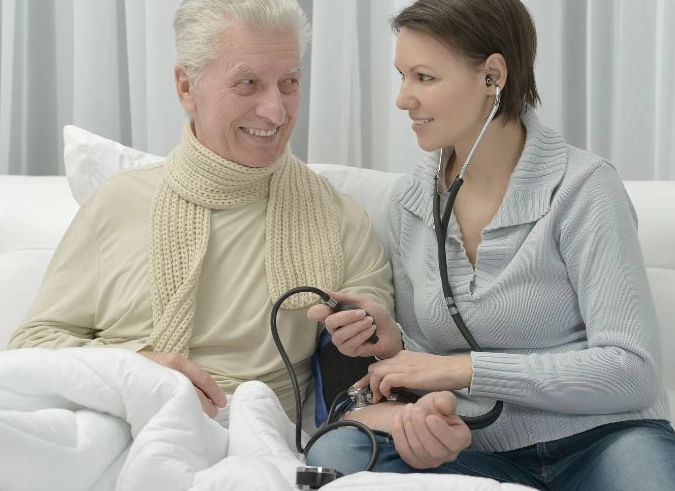
Why a Simple Breath Can Lower Your Blood Pressure
It feels too easy to be true. Let's connect the dots.
When you're stressed or anxious, your sympathetic nervous system fires up. It releases hormones like adrenaline. Your heart beats faster. Your blood vessels constrict (vasoconstriction). This combo is a direct recipe for a temporary blood pressure spike.
The slow, deep inhale followed by the prolonged hold does two critical things:
- Stimulates the Vagus Nerve: This major nerve is the information superhighway of your parasympathetic system. Deep breathing and holding increase pressure in the chest cavity, which activates vagal nerve fibers. This sends a signal to your brain to dial down the stress response.
- Improves Baroreflex Sensitivity: Baroreceptors are pressure sensors in your arteries. Fast, shallow breathing can make them less sensitive. Slow, rhythmic breathing helps reset them, improving your body's ability to regulate blood pressure moment-to-moment.
The American Heart Association notes that while breathing exercises aren't a first-line treatment for chronic hypertension, they can be a beneficial complementary practice for stress management, which is a key contributor to high blood pressure.
The 3 Most Common Mistakes That Ruin the Effect
This is where most online advice fails. They give the instruction but not the nuance. After coaching dozens of people on this, here are the pitfalls I see constantly.
Mistake 1: Holding Your Breath with Force
You're not trying to win a breath-holding contest. If you're turning red or straining, you're creating internal pressure and tension, which has the opposite effect. The hold should be a gentle pause, like the top of a swing before it comes back down. No clenching.
Mistake 2: Chest Breathing
If your shoulders are rising toward your ears on the inhale, you're doing it wrong. Belly breathing is non-negotiable. Place a hand on your stomach—it should push your hand out. This ensures you're engaging the diaphragm fully, which is crucial for vagal stimulation.
Mistake 3: Expecting a Permanent Cure
This is the biggest misconception. The 7-second trick is a tool for acute management. It's fantastic for calming down before a doctor's appointment (to avoid "white coat hypertension"), dealing with a sudden stressful event, or lowering a temporary spike. It is not a substitute for daily exercise, a low-sodium diet, prescribed medication, or weight management for chronic hypertension.
Important: Do not use this breathing technique while driving, operating machinery, or if you have certain respiratory conditions like COPD. Always consult your doctor before starting any new health practice, especially if you have a diagnosed heart condition.
When Should You Actually Use This Trick?
Think of it as a tactical tool in your wellness kit. Here are the specific scenarios where it shines:
- Pre-Appointment Anxiety: In the waiting room before a blood pressure check. Do 5 cycles. This can help get a more accurate, resting reading.
- Stress Spike Moments: After a tough conversation, a work deadline panic, or road rage. Use it to interrupt the stress cascade.
- As a Sleep Aid: Lying in bed with a racing mind? 10 cycles of this breathing can slow your heart rate and signal your body it's time for sleep.
- Complement to Meditation: Use it as a 1-minute focus anchor at the start of a longer meditation session.
It's less effective if you just do it randomly once a day without a trigger. The power is in its targeted use to counteract a specific stressor that is causing, or about to cause, a rise in blood pressure.



Leave a comment