You feel a sudden, intense heat spreading across your chest and face. Your brain feels foggy, like you're trying to think through cotton wool. Sleep is elusive, and your joints ache for no clear reason. If you're piecing together these seemingly random changes, you might be navigating perimenopause or menopause. And yes, the list of potential symptoms is long—often cited as 34. But here's what most articles don't tell you: no one woman gets all of them. The real value isn't in the scary number; it's in understanding your unique pattern and, more importantly, what you can actually do about it.
This guide goes beyond a simple checklist. We'll walk through the full spectrum of the 34 menopause symptoms, organized in a way that makes sense. More crucially, we'll focus on actionable strategies—the ones I've seen make a tangible difference in my years working with women through this transition—to manage them and reclaim a sense of balance.
What's Inside: Your Quick Guide
Why 34? Making Sense of the List
The "34 symptoms" isn't a magic number from one study. It's a cumulative tally from decades of clinical practice and patient reporting, gathered by organizations like The North American Menopause Society (NAMS). It encompasses everything from the classic hot flashes to lesser-known issues like electric shock sensations or gum problems.
The common thread? Fluctuating and declining estrogen. This hormone has receptors all over your body—brain, skin, bones, bladder, heart. As its levels rollercoaster and drop, it sends ripples through every system it touches.
Navigating the 34 Symptoms: A Category-by-Category Guide
Grouping the symptoms makes them less overwhelming. Here’s the breakdown, moving from the most common to the more unexpected.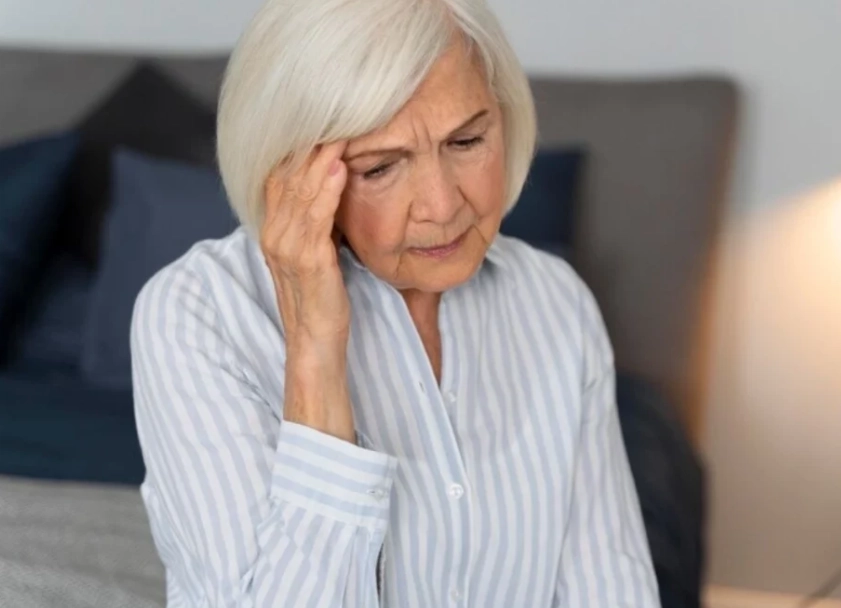
1. The Headliners: Vasomotor and Physical Changes
These are the symptoms most people associate with menopause.
- Hot Flashes/Night Sweats: The classic. Sudden heat, flushing, sweating, sometimes followed by chills.
- Irregular Periods: The hallmark of perimenopause. Cycles shorten, lengthen, skip, or flow gets heavier or lighter.
- Weight Gain (especially abdominal): Metabolism slows, and fat distribution shifts towards the belly.
- Breast Tenderness: Can occur due to hormonal fluctuations.
- Joint and Muscle Aches: Estrogen has anti-inflammatory properties; its decline can lead to new aches.
- Headaches: Hormonal shifts can trigger or worsen headaches.
- Tingling Extremities: A strange but common nerve sensation.
- Electric Shock Sensations: A quick, sharp "zap" often felt just before a hot flash.
2. The Uninvited Guests: Urogenital and Sexual Health
Estrogen is key for pelvic health. Its decline directly affects these areas.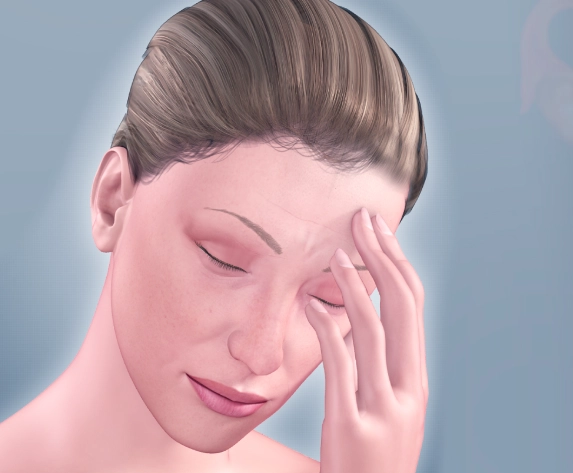
| Symptom | What It Feels Like | Quick Note |
|---|---|---|
| Vaginal Dryness | Itching, burning, discomfort, pain during sex. | One of the most common and often underreported. |
| Urinary Incontinence | Leaking when laughing, coughing, or sneezing. | Weakened pelvic floor muscles play a big role. |
| Urinary Urgency/Frequency | Needing to go often and urgently. | The bladder lining becomes more sensitive. |
| Recurrent UTIs | More frequent bladder infections. | Linked to changes in the vaginal microbiome. |
| Loss of Libido | Decreased interest in sex. | Multifactorial: physical dryness, fatigue, hormonal shifts. |
| Vaginal Atrophy | Thinning, drying, and inflammation of vaginal walls. | The clinical term for the changes causing dryness. |
3. The Mind and Mood Shifters
Perhaps the most disruptive category, because it feels like it's changing *you*.
- Anxiety & Panic Attacks: New or heightened feelings of worry, dread, or sudden panic.
- Depression/Mood Swings: Irritability, sadness, or emotional volatility that feels out of character.
- Brain Fog: Difficulty concentrating, forgetfulness, losing your train of thought.
- Memory Lapses: Trouble recalling words or details.
- Fatigue: Profound, unshakable tiredness that sleep doesn't fix.
- Irritability: A short fuse, feeling easily frustrated or angry.

4. The Sleep Stealers
This is a vicious cycle. Symptoms disrupt sleep, and lack of sleep worsens other symptoms.
- Insomnia: Trouble falling or staying asleep.
- Sleep Disruption from Night Sweats: Waking up drenched and needing to change.
5. The "Is This Related?" Symptoms
These are the surprises that many women don't connect to menopause until they see the list.
- Hair Loss or Thinning: On the scalp.
- Brittle Nails: Nails that split or break easily.
- Dry Skin/Itchy Skin: Loss of collagen and skin hydration.
- Changes in Body Odor: A noticeable shift in personal scent.
- Dizziness/Lightheadedness: Feeling unsteady or woozy.
- Allergies (new or worsening): The immune system can become more reactive.
- Heart Palpitations: A feeling of a racing, fluttering, or pounding heart.
- Digestive Issues (bloating, gas): Hormones affect gut motility.
- Gum Problems/Oral Changes: Gums may bleed more, taste may change.
- Osteoporosis/Bone Loss: A silent, long-term effect of estrogen loss.
- Tinnitus (ringing in ears): A less common but reported symptom.
- Burning Mouth Syndrome: A painful sensation in the mouth.
What to Do: Moving Beyond the Symptom List
Knowing the list is step one. Step two is action. A common mistake is trying to tackle each symptom in isolation. A more effective approach is foundational.
Start With the Non-Negotiables
These won't eliminate every symptom, but they will turn the volume down on almost all of them.
Diet Tweaks, Not Overhauls: Ditch the extreme diets. Focus on adding: plant-based proteins, omega-3s (fatty fish, flax), calcium-rich foods, and plenty of fiber. Reduce processed sugars and refined carbs, which can trigger inflammation and worsen hot flashes. I've seen clients' hot flash frequency drop simply by cutting out their afternoon soda.
Movement is Non-Optional: Not just cardio. Strength training is your top priority. It builds muscle to boost a lagging metabolism, directly supports bone density to fight osteoporosis, and improves mood. Start with bodyweight or light weights twice a week. Consistency beats intensity.
Sleep Hygiene is Your Secret Weapon: Go to bed and wake up at consistent times. Make your bedroom cool, dark, and a screen-free zone an hour before bed. If night sweats wake you, keep a change of clothes and a glass of water by the bed. Don't lie there frustrated; get up, do something quiet in dim light, and try again.
When to Seek Professional Help
If symptoms are significantly impacting your quality of life, talk to a healthcare provider who specializes in menopause. This could be a gynecologist, endocrinologist, or a dedicated menopause practitioner.
Treatment discussions often include:
- Menopausal Hormone Therapy (MHT): Effective for vasomotor, urogenital, and often mood symptoms. The decision is personal and depends on your health profile. Resources from The North American Menopause Society can provide balanced information.
- Non-Hormonal Prescriptions: Certain antidepressants (SSRIs/SNRIs) and anti-seizure medications can reduce hot flashes.
- For Vaginal Health: Topical vaginal estrogen (creams, rings) is highly effective and low-dose, with minimal systemic absorption.
Your Top Menopause Questions Answered
Do all women experience all 34 menopause symptoms?
This is a common and understandable worry. The '34 symptoms' is a comprehensive list compiled from clinical observation and patient reports over decades. Most women will experience a unique subset, often between 5 to 15 symptoms, with varying intensity. Your genetic makeup, overall health, lifestyle, and even the surgical onset of menopause (like after a hysterectomy) dramatically influence your personal menopausal profile. Focusing on your specific experience is far more useful than checking off a universal list.
How long do hot flashes typically last during menopause?
The duration is notoriously unpredictable and varies wildly. While the average is often quoted at 7.4 years according to the Study of Women's Health Across the Nation (SWAN), that's just an average. For some, they might be intense but brief, lasting 1-2 years. For others, they can persist for a decade or more. The key isn't just endurance; it's identifying your personal triggers (spicy food, caffeine, stress, alcohol) and building a toolkit of cooling strategies (layered clothing, portable fans, paced breathing) to manage the episodes when they occur.
Can menopause symptoms be prevented?
You can't prevent the hormonal shift itself, but you can significantly influence how your body and mind navigate the transition. Think of it as building resilience. A robust prevention-mitigation strategy includes: 1) Strength training to combat muscle loss and support bone density, 2) A diet rich in phytoestrogens (soy, flaxseed) and calcium, 3) Prioritizing sleep hygiene long before insomnia hits, and 4) Stress-reduction practices like yoga or meditation to buffer mood swings. Starting these habits in perimenopause is your best defense.
The journey through menopause is deeply personal. The 34 symptoms are not a destiny, but a landscape. Some paths will be rocky, others smoother. With this map in hand—knowing what to expect, how to categorize it, and where to focus your energy—you move from a passive passenger to the confident navigator of your own health. Track your symptoms, experiment with strategies, and don't hesitate to seek support. This transition, while challenging, can also be a powerful catalyst for tuning into and caring for your body in a whole new way.


Leave a comment