Here's a truth that still isn't getting through to enough women or their doctors: a heart attack or heart disease often doesn't look like the dramatic, chest-clutching scene from a movie. For women, the signals are quieter, weirder, and easier to dismiss as stress, anxiety, or just getting older. I've spent over a decade in cardiac care, and the number of women who tell me, "I just didn't think it was my heart" is staggering. This isn't just about knowing the list of symptoms. It's about understanding why your body sends these specific signals and having the confidence to act on them when everything in you wants to brush it off.
The classic male-centric symptom model has left a dangerous gap in awareness. While chest pressure or pain (angina) can still occur, women are far more likely to experience what we call "atypical" symptoms—atypical only because they weren't the ones originally studied. For you, they are the primary presentation. Recognizing them could save your life.
What You'll Find in This Guide
Why Heart Disease Feels Different for Women
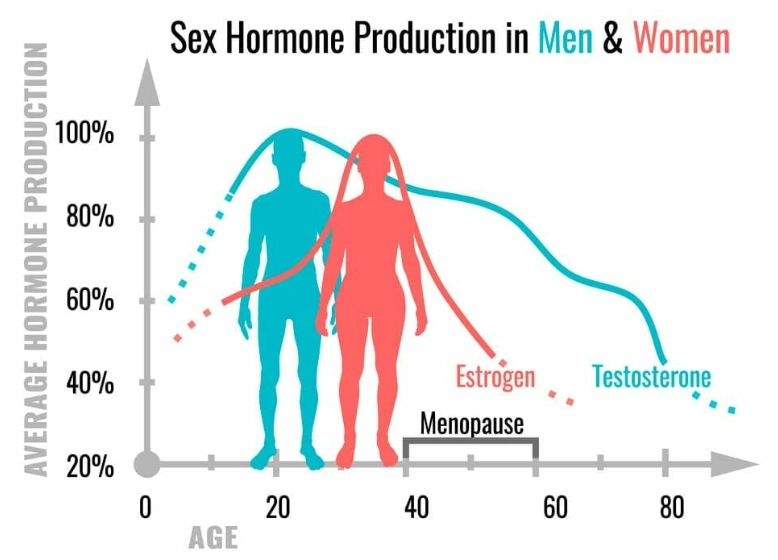
It's not in your head. The biology is distinct. Men often have major blockages in the large coronary arteries—the plumbing problem. Women, particularly younger women, are more prone to a condition called coronary microvascular disease (MVD), where the tiny arteries of the heart don't function properly. Think of it as a problem with the electrical wiring or the small capillaries, not just the main pipes. This leads to diffuse discomfort rather than localized, crushing chest pain. Furthermore, hormonal factors, especially the drop in estrogen after menopause, change how blood vessels dilate and how plaque builds up. The American Heart Association has extensive research on these sex differences, which is finally moving from medical journals into mainstream practice, but too slowly.
The Big Mistake Most Women Make: They attribute new, unexplained symptoms to being "run-down," "stressed," or "just part of aging." They power through, waiting for the classic chest pain that never comes, while their heart muscle is being starved of oxygen. The most dangerous phrase in women's heart health is "It's probably nothing."
The 7 Key Heart Disease Symptoms Women Must Know
Forget the single symptom checklist. Heart disease in women often shows up as a constellation of issues that come and go. You might have two or three of these, not necessarily all at once. They may appear during physical activity but also, crucially, during mental stress or even at rest.
1. Unusual Fatigue That Knocks You Out. This isn't normal tiredness. It's a profound, overwhelming exhaustion that comes on suddenly. You might feel completely drained after a simple task like making the bed or walking to the mailbox—activities that were fine a month ago. One patient described it as "having the flu without the fever."
2. Shortness of Breath. Trouble catching your breath without obvious exertion. You might be sitting at your desk or talking on the phone and suddenly feel like you can't get a full, satisfying breath. This can happen with or without chest discomfort.
3. Pain in the Neck, Jaw, Shoulder, or Upper Back. This is a classic red flag women miss. The pain can be sharp or a dull ache. It might travel from your chest up to your jaw or radiate between your shoulder blades. I've seen countless cases where women first visited a dentist for jaw pain or a chiropractor for back pain.
4. Nausea, Indigestion, or Heartburn. Your gut is sending a signal your heart is in trouble. This isn't your typical spicy-food regret. It's a persistent, unexplained queasiness, a feeling of fullness, or burning that antacids don't touch. It's particularly sneaky because it's so common.
5. Pressure, Squeezing, or Discomfort in the Chest. Yes, it can still happen. But for women, it's often described as a "tightness," "fullness," or "aching" rather than a sharp, stabbing pain. The key detail: it may not be in the center. It could be in the left, right, or even the entire chest. The location is less reliable.
6. Pain That Spreads Down the Arm. More common in the left arm, but it can be either. It's not always a shooting pain; it can feel like a heaviness or an odd tingling.
7. A General Sense of Doom. Patients struggle to describe this, but they know it. A sudden, intense feeling that something is terribly wrong. They feel lightheaded, dizzy, and break out in a cold sweat for no reason. Listen to this feeling. Your nervous system is sounding a major alarm.
The pattern is what matters. Are these symptoms new? Do they get worse with activity (physical or emotional) and better with rest? If the answer is yes, it's time to think about your heart, not your stress level.
A Real Story: How Symptoms Get Missed
Sarah, 52, was a busy project manager. Over three weeks, she noticed she was getting winded walking up the single flight of stairs to her office. She blamed it on her new shoes, then on lack of sleep. Then came the crushing fatigue. By 3 PM every day, she felt like she'd run a marathon. One evening, she felt a strange, aching pressure between her shoulder blades and a sour stomach. She took an antacid and went to bed.
At her annual physical a week later, she mentioned the fatigue and "weird indigestion" to her doctor. Her EKG in the office was "normal." The doctor suggested it was perimenopause and stress. Reassured, Sarah went home. The symptoms persisted. It wasn't until she described the combination—the stair-climbing breathlessness, the 3 PM crash, the backache—to a cardiologist friend at a barbecue that she got a concerned look. "You need a stress echo, now," her friend said.
The stress echocardiogram revealed reduced blood flow to a part of her heart. Sarah had significant coronary artery disease. Her "normal" office EKG was dangerously misleading because her problem only showed up under the stress of exertion. She underwent a stent procedure. Today, she's fine, but she often thinks about the weeks she spent rationalizing her symptoms away.
Sarah's story isn't rare. It highlights the system's failure: a quick check, a "normal" result in a resting state, and a dismissal toward non-cardiac causes. Women need to be their own advocates, connecting the dots between seemingly unrelated symptoms.
What to Do If You Experience These Signs
Knowing the symptoms is useless without an action plan. Here’s exactly what to do, step-by-step.
In the Moment: Is This an Emergency?
If you have sudden, severe chest pain, pressure, or discomfort combined with shortness of breath, cold sweat, nausea, or pain radiating to your arm/jaw—call 911 immediately. Do not drive yourself. Do not wait. Ambulance personnel can start treatment the moment they arrive.
For Persistent, Concerning Symptoms (The "Maybe It's Something" Phase)
This is where most women get stuck. Your symptoms are bothersome but not dramatic. Here's how to navigate your doctor's appointment effectively:
- Keep a Symptom Diary. For one week, note: What you feel, where you feel it, what you were doing, how long it lasted, and what made it better or worse. This data is gold.
- Use Specific Language. Don't just say "I'm tired." Say, "I feel a wave of crushing fatigue after walking my dog around the block, which is new for me." Don't say "I have indigestion." Say, "I get a nauseous, full feeling in my upper stomach when I'm just sitting at my desk, and Tums don't help."
- Ask for the Right Tests. A resting EKG is a starting point, not a finish line. Based on your diary, ask, "Could this be coronary microvascular disease or a blockage that only shows under stress? Would a stress echocardiogram or a coronary CT angiography be appropriate for me?" Mentioning specific tests shows you're informed and moves the conversation forward.
- If You're Dismissed, Get a Second Opinion. If a doctor tells you it's "just anxiety" without ruling out cardiac causes, find a cardiologist, preferably one who lists a specialty in women's cardiovascular health. Your persistence is not hypochondria; it's self-preservation.
Looking Beyond Symptoms: Prevention & Proactive Care
Symptoms are a late warning system. The real work starts before you feel anything. For women, traditional risk calculators can underestimate risk. You need to look at your personal mosaic.
Your Female-Specific Risk Factors:
- Pregnancy History: Did you have preeclampsia, gestational diabetes, or high blood pressure during pregnancy? These are massive red flags for future heart disease risk, often overlooked in standard check-ups.
- Autoimmune Diseases: Conditions like lupus or rheumatoid arthritis dramatically increase inflammation and heart disease risk.
- Early Menopause: Natural or surgical menopause before age 45.
- Mental Health: Chronic stress, depression, and anxiety are not just in your mind; they have measurable, damaging effects on your heart. The link is stronger in women.
Action isn't just about avoiding fat. It's about managing blood pressure (know your numbers!), controlling blood sugar, moving your body in ways you enjoy, prioritizing sleep (non-negotiable), and finding sustainable ways to manage stress—not with a glass of wine, but with connection, nature, or mindfulness.



Leave a comment