Let's be honest. The idea of starting yoga exercises can feel intimidating. You see pictures of people twisted into impossible shapes, breathing calmly, and you think, "That's not for me." I thought the same thing ten years ago. My back ached from sitting all day, my mind raced, and the gym felt like a chore. I gave yoga a shot out of desperation, and it changed everything—not because I became super flexible overnight, but because I found a practice that actually worked with my body, not against it.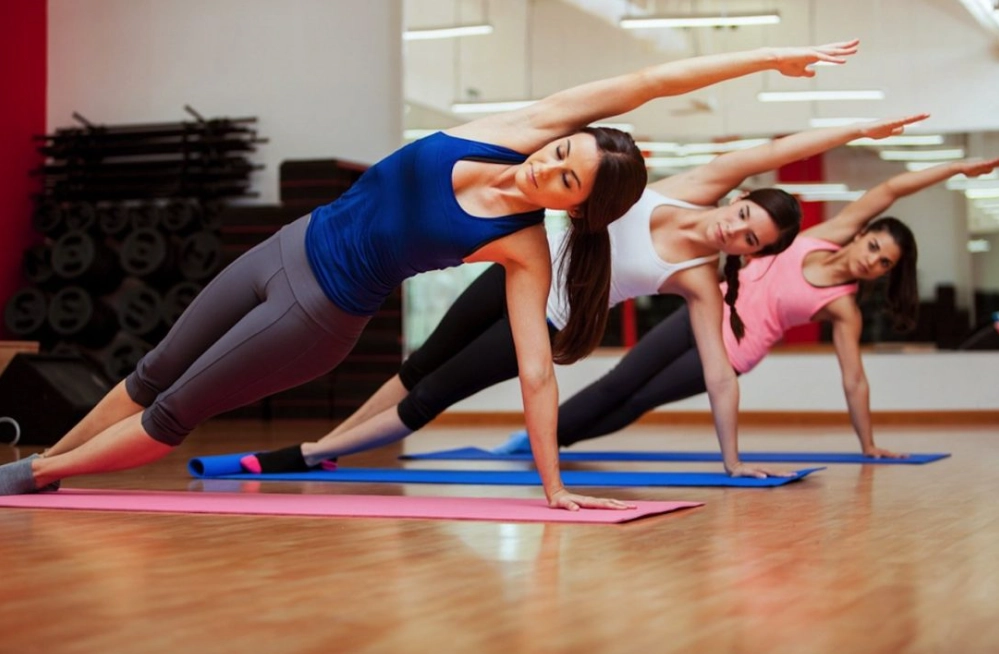
This guide isn't about achieving perfection. It's about giving you a clear, actionable map. We'll cut through the fluff and get straight to the yoga exercises that build a foundation, the common pitfalls that derail beginners, and how to create a routine you'll want to keep doing.
In This Article
- Why Simple Yoga Exercises Actually Work
- How to Start Your Yoga Practice at Home: A Realistic Plan
- Five Foundational Yoga Poses You Need to Master First
- The 3 Most Common Beginner Mistakes (And How to Fix Them)
- Choosing Your Gear: Yoga Mat and Props
- When and How to Take the Next Step
- Your Yoga Questions, Answered
Why Simple Yoga Exercises Actually Work
Forget the spiritual jargon for a moment. At its physical core, yoga is a system of deliberate movement and breath control. When you move your body into specific shapes (asanas) and coordinate your breathing, several things happen simultaneously.
Your muscles lengthen and strengthen in balance, which is key for joint health. Your nervous system gets a signal to shift from "fight-or-flight" to "rest-and-digest"—that's the stress reduction part. Studies, like those summarized by the National Center for Complementary and Integrative Health, point to evidence for yoga's benefits in managing back pain, improving sleep, and reducing anxiety.
The magic isn't in any single crazy pose. It's in the consistent practice of basic movements. Think of it like learning a language. You start with the alphabet, not by writing poetry.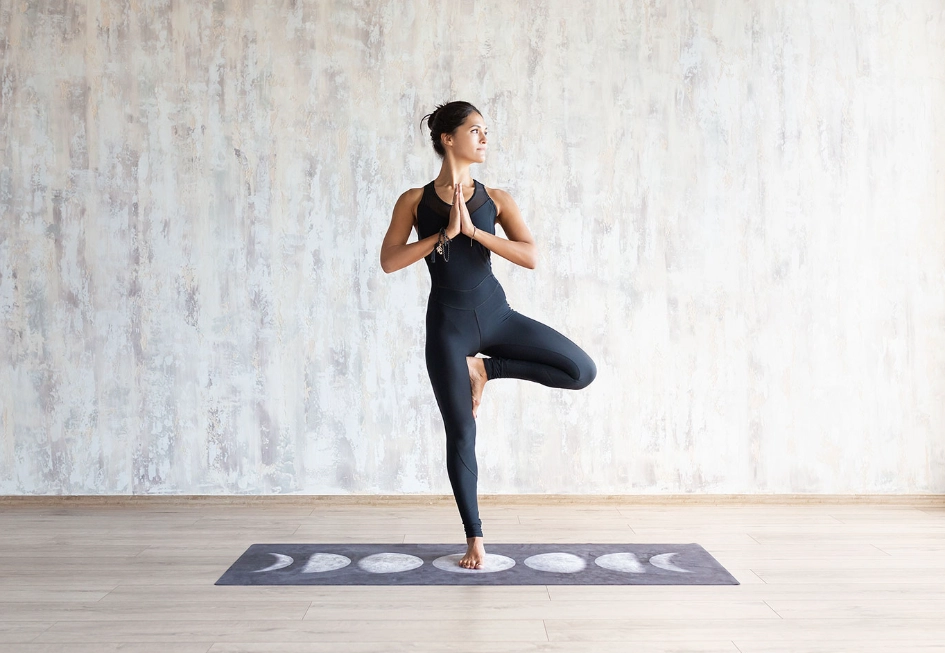
How to Start Your Yoga Practice at Home: A Realistic Plan
You don't need a fancy studio or an hour of free time. You need a plan that fits into your life.
- Frequency Over Duration: Aim for 15-20 minutes, 3 times a week. This is far more sustainable than a heroic 60-minute session once a month that leaves you sore and discouraged.
- Pick Your Time: Morning sessions can set a calm tone for the day. Evening sessions can help you unwind. Experiment. I found that 20 minutes after work was my sweet spot—it became a buffer between job stress and home life.
- Find Your Space: Clear a spot about the size of your yoga mat. A quiet corner in your living room or bedroom works perfectly.
- Use a Guide (At First): Follow along with a beginner-friendly video. YouTube channels like "Yoga with Adriene" are popular for a reason—her cues are clear and she emphasizes listening to your body. Don't just watch; actually do the movements.
Five Foundational Yoga Poses You Need to Master First
Master these five. I mean, really get to know them. They are the building blocks for almost every other yoga exercise you'll encounter. Here’s a quick overview before we dive in.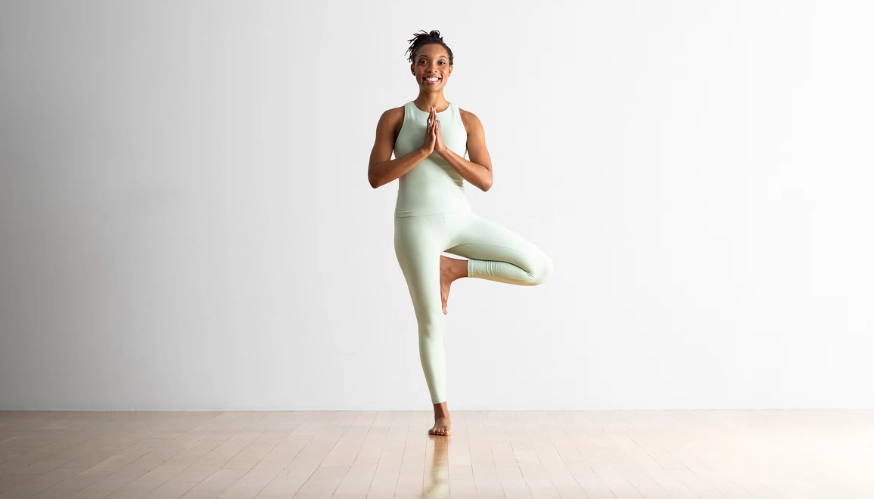
| Pose (Sanskrit Name) | Primary Focus | Key Benefit for Beginners |
|---|---|---|
| Mountain Pose (Tadasana) | Alignment & Awareness | Teaches proper standing posture, grounds you. |
| Downward-Facing Dog (Adho Mukha Svanasana) | Full-Body Stretch | Stretches hamstrings, calves, spine; builds shoulder strength. |
| Warrior II (Virabhadrasana II) | Strength & Stability | Builds leg and core strength, improves balance and focus. |
| Child's Pose (Balasana) | Rest & Recovery | A safe resting pose to catch your breath, release back tension. |
| Cat-Cow Stretch (Marjaryasana-Bitilasana) | Spinal Mobility | Warms up and mobilizes the spine, connects movement to breath. |
1. Mountain Pose (Tadasana) – The Blueprint
This looks like just standing, but it's the most important pose. Stand with your feet hip-width apart, weight evenly distributed across all four corners of each foot. Engage your thighs slightly, lengthen your tailbone down, roll your shoulders back and down, and let your arms hang naturally. Gaze forward. Breathe here for 5-10 breaths. Feel how your body is stacked. This is your home base.
2. Downward-Facing Dog (Adho Mukha Svanasana) – The Workhorse
Start on your hands and knees. Tuck your toes, lift your hips up and back, forming an inverted "V" shape. It's okay if your heels don't touch the ground—most beginners' don't. Focus on pressing your hands firmly into the mat, rotating your upper arms outward, and drawing your chest toward your thighs. Bend your knees generously if your hamstrings are tight. Hold for 5-8 breaths. This pose is a reset button during a flow.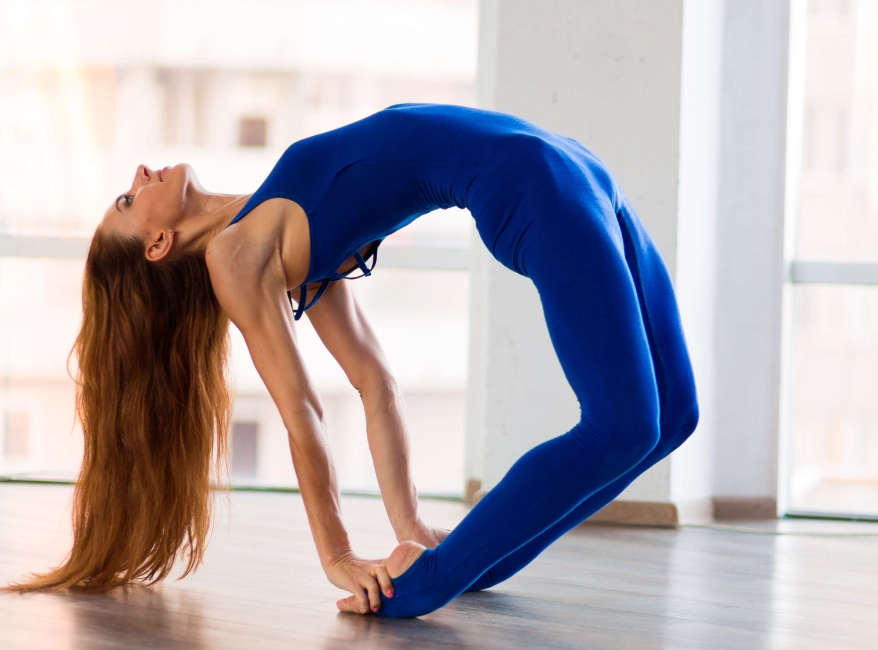
3. Warrior II (Virabhadrasana II) – The Empowerer
From a standing position, step one foot back about 3-4 feet. Turn your back foot out to a 90-degree angle. Bend your front knee so it stacks over your ankle, thigh aiming to be parallel to the floor. Keep your back leg straight and strong. Extend your arms out to the sides at shoulder height, gaze over your front fingertips. Feel strong and expansive. Hold for 5 breaths each side.
4. Child's Pose (Balasana) – Your Safe Haven
Kneel on the floor, big toes touching, knees wide. Sit back on your heels and fold forward, resting your torso between your thighs and your forehead on the mat. Extend your arms forward or rest them alongside your body. Breathe deeply into your back. Use this pose anytime you need a break during your practice. No permission needed.
5. Cat-Cow Stretch (Marjaryasana-Bitilasana) – The Spine Whisperer
On hands and knees, wrists under shoulders, knees under hips. Inhale, drop your belly, lift your chest and gaze (Cow). Exhale, round your spine toward the ceiling, tuck your chin to your chest (Cat). Move slowly, linking each movement to your breath. Do 5-10 rounds to wake up your spine.
The 3 Most Common Beginner Mistakes (And How to Fix Them)
I've seen these in every beginner class, and I made them all myself.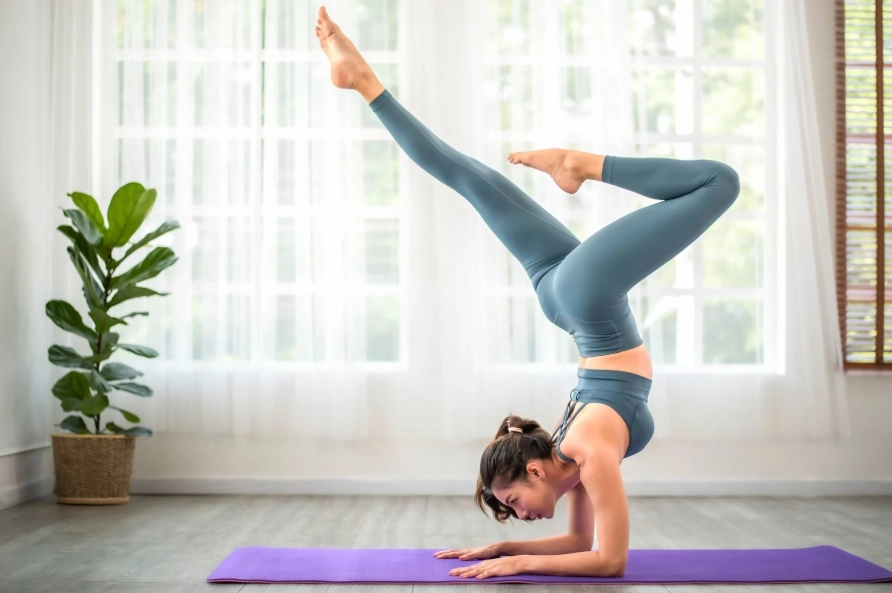
Mistake #1: Holding Your Breath. You're concentrating so hard on getting the shape right that you forget to breathe. The fix? Make a soft "ssss" or "hhhh" sound with your exhale. If you can make sound, you're breathing.
Mistake #2: Chasing Depth Over Form. Trying to touch your toes in a forward fold by rounding your back like a candy cane. This strains your lower back. The fix? Bend your knees—a lot. It's better to have a straight back with bent knees than a rounded back with straight legs. Depth comes from your hips, not your spine.
Mistake #3: Comparing Your Day 1 to Someone Else's Year 10. Your practice is yours alone. The person on the next mat or in the video has a different body, history, and journey. The fix? Focus on internal cues. How does the pose feel today compared to last week? That's your only relevant metric.
Choosing Your Gear: Yoga Mat and Props
You need very little, but the right gear makes a difference.
- The Mat: Don't use a slippery exercise mat. A basic PVC or TPE yoga mat with good grip is essential. Thickness around 4-6mm is ideal for cushioning and stability. Brands like Manduka or Lululemon are popular, but a decent Amazon Basics mat works fine to start. I started on a $20 mat and used it for years.
- Props Are Your Friends, Not Cheats:
- Yoga Blocks (2): The single best investment for a beginner. They bring the floor to you. Use them under your hands in Downward Dog or Triangle Pose if you can't reach the floor.
- Strap: Helps in poses where you can't reach your feet (like a seated forward fold). It maintains alignment while you work on flexibility.
- Bolster or Firm Pillow: Essential for supported rest poses and gentle stretching.
You can improvise: thick books for blocks, a belt or scarf for a strap, couch cushions for a bolster.
When and How to Take the Next Step
After 2-3 months of consistent short practices, you might feel ready for more. Signs include: the five foundational poses feel familiar, you remember the sequences from your go-to video, and you're curious about new poses.
Don't just jump into advanced flows. Instead:
- Lengthen your sessions to 30-40 minutes.
- Explore a new style, like Hatha (slower, held poses) or Vinyasa (more movement with breath).
- Try a local beginner-friendly studio class. The teacher's live adjustments can be invaluable.
- Add one new pose per week and research its alignment deeply.
The plateau is normal. When it happens, focus on refinement—the micro-movements within a pose you already know.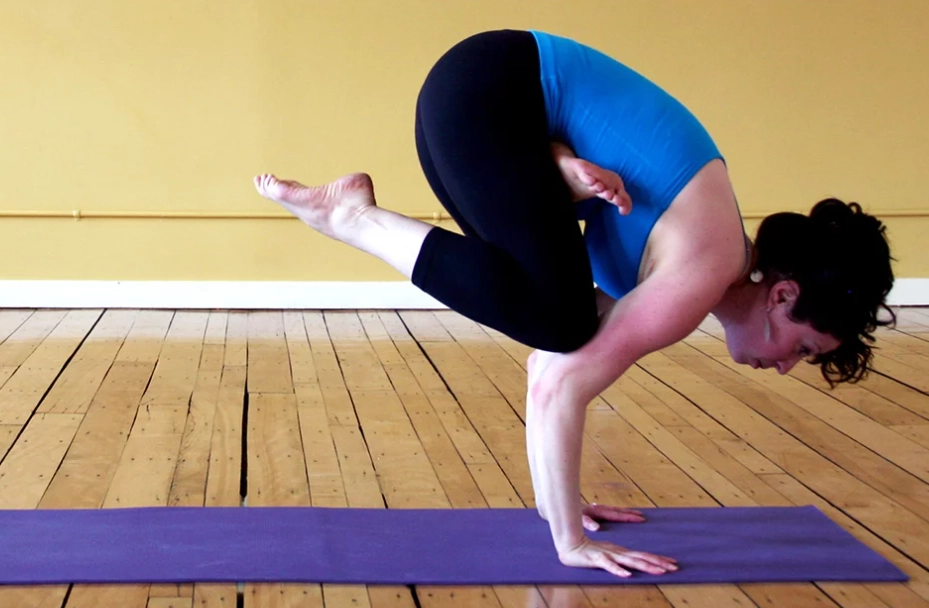
Your Yoga Questions, Answered
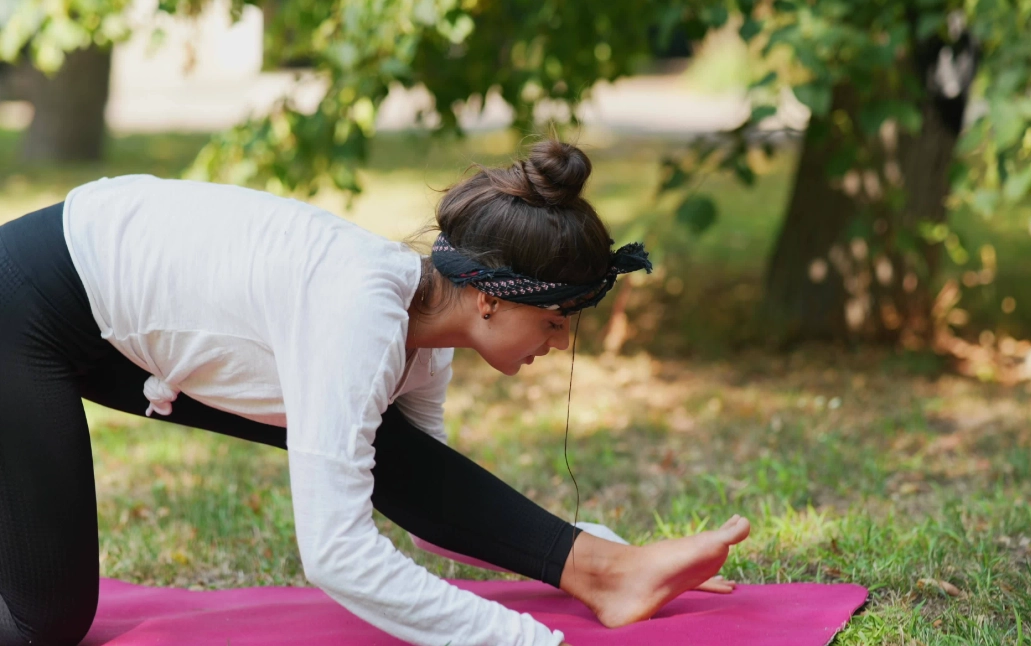 I get bored holding poses. Is there a more dynamic style of yoga for me?


Leave a comment