For decades, heart disease was seen as a man's problem. The classic image of a heart attack victim—a middle-aged man clutching his chest—dominated public consciousness and even medical training. This bias has had real, sometimes deadly, consequences for women. The truth is, heart disease is the leading cause of death for women globally, claiming more lives than all cancers combined. But the causes, the warning signs, and the progression often look radically different in a woman's body compared to a man's. If you're searching for what causes heart disease in women, you've already taken the first step past outdated assumptions. This isn't just about high cholesterol and blocked arteries (though those matter). It's about hormonal shifts, pregnancy complications, and symptoms so subtle they're brushed off as stress or fatigue. Let's clear the fog.
In This Article: Your Guide to Women's Heart Health
Breaking the Myth: Why Female Hearts Are Different
Here's a critical mistake many make: assuming female cardiology is just a smaller version of male cardiology. It's not. The biology is distinct. Women's hearts and arteries are generally smaller. Plaque doesn't always build up in large, obstructive chunks in the major arteries—the kind easily spotted on an angiogram. Instead, women more frequently develop a condition called coronary microvascular disease (MVD), where the tiny arteries of the heart become damaged and don't dilate properly. This means a woman can have debilitating chest pain (angina) even with "clear" major arteries on a standard test, leading to dismissals like "it's just anxiety." I've seen this happen, and it's a failure of the system, not the patient.
Key Insight: The American Heart Association notes that women are up to twice as likely as men to have coronary MVD. This is a paradigm shift in understanding what causes heart disease in women. It explains why many women suffer for years without a proper diagnosis.
Furthermore, the role of estrogen is complex and misunderstood. It's not simply "protective." Before menopause, estrogen helps keep blood vessels flexible. But the drop in estrogen during menopause (typically between 45-55) is a major cardiovascular turning point. This loss contributes to rising blood pressure, unfavorable cholesterol changes, and increased belly fat—all risk factors that converge rapidly.
Unique Female Risk Factors You Can't Ignore
When we talk about causes of heart disease, these female-specific factors are non-negotiable. They are as significant as smoking or diabetes.
Pregnancy-Related Conditions: A Window to Future Risk
Pregnancy is a metabolic stress test for the body. Complications that arise are not just temporary—they are red flags written in neon.
- Preeclampsia & High Blood Pressure in Pregnancy: Developing high blood pressure or preeclampsia doubles your risk of heart disease and stroke later in life. It's not just a pregnancy issue; it's a signal that your vascular system is vulnerable under stress.
- Gestational Diabetes: This increases your lifetime risk of developing type 2 diabetes by up to 50%, and diabetes is a top-tier heart disease risk factor. It also independently raises heart disease risk.
- Preterm Birth & Low Birth Weight: Delivering a baby before 37 weeks or having a small-for-gestational-age baby is linked to a higher future risk of cardiovascular disease for the mother.
The takeaway? Your obstetric history belongs in every discussion with your primary care doctor or cardiologist. Always mention it.
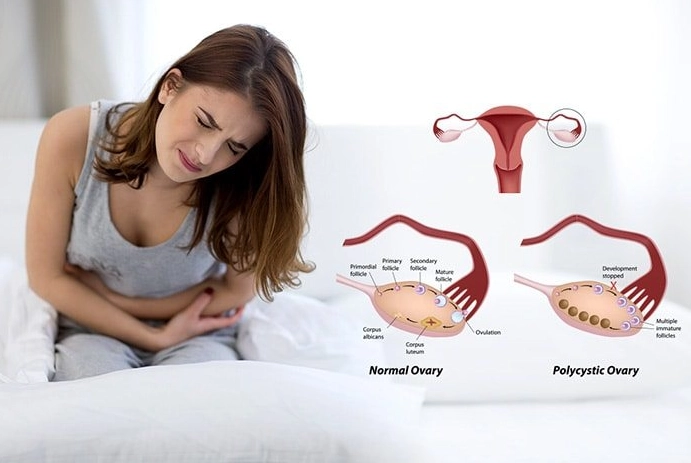
Polycystic Ovary Syndrome (PCOS)
PCOS isn't just about irregular periods and fertility challenges. It's a whole-body metabolic disorder. Women with PCOS frequently have insulin resistance, obesity, high blood pressure, and abnormal cholesterol levels—the perfect storm for early heart disease. They often develop these risks in their 30s and 40s, much earlier than their peers.
Autoimmune Diseases
Conditions like lupus and rheumatoid arthritis, which disproportionately affect women, cause chronic inflammation. This systemic inflammation directly damages blood vessels, accelerating atherosclerosis (plaque buildup). The inflammation from the disease itself is a primary driver of heart disease in these patients.
Traditional Risk Factors with a Female Twist
Yes, smoking, high blood pressure, diabetes, and high cholesterol matter for everyone. But their impact and presentation in women have nuances that change the game.
| Risk Factor | How It Diffently Affects Women | What to Watch For |
|---|---|---|
| High Blood Pressure | More common in women over 65 than men. Often under-treated in women. The risk spikes sharply after menopause. | Aim for <120/80 mmHg. Home monitoring is crucial, as "white coat hypertension" is common. |
| Diabetes | Diabetes completely erases the female "advantage" against heart disease. A woman with diabetes has a 4-5x higher risk of heart disease; for a man, it's 2-3x. | Fasting blood sugar <100 mg/dL, HbA1c <5.7%. Gestational diabetes history requires lifelong vigilance. |
| Cholesterol | After menopause, HDL ("good") cholesterol often drops, and triglycerides rise—a particularly dangerous pattern for women. | Don't just look at total cholesterol. A high triglyceride level with low HDL is a major red flag. |
| Smoking | Women who smoke are 25% more likely to develop heart disease than men who smoke. It also interacts dangerously with birth control pills. | Quitting is the single most effective action. Risk drops dramatically within 1-2 years of quitting. |
| Mental Stress & Depression | Women's hearts may be more vulnerable to the effects of mental stress, which can reduce blood flow to the heart. Depression is twice as common in women and is a proven independent risk factor. | Chronic stress, social isolation, and untreated depression are not just mental health issues—they are heart health issues. |
The Female Heart Attack Symptom Checklist: It's Rarely Just Chest Pain
This is where knowledge saves lives. While some women do experience the classic crushing chest pain, many have subtler signs that start weeks before an actual attack. I tell my patients: if a cluster of these symptoms comes on suddenly, or is severe and unusual for you, call 911. Don't drive yourself. Don't downplay it.
Watch for these often-missed women's heart attack symptoms: Unusual fatigue (can't make your bed without resting), shortness of breath (walking to the mailbox leaves you winded), nausea or vomiting, pain in the back, neck, jaw, or one/both arms, a feeling of impending doom, breaking out in a cold sweat, dizziness, and indigestion-like discomfort. The pain might be described as pressure, tightness, or aching—not always "pain."
A patient of mine, Sarah, 58, thought her extreme fatigue and jaw ache for three days was due to a new workout and stress. It wasn't. She was having a heart attack. Her story is far too common.
Your Actionable Heart Disease Prevention Plan
Knowing what causes heart disease in women is pointless without a plan. Here’s a concrete, step-by-step approach based on life stages.
In Your 20s & 30s: Build Your Baseline
This is not too early. Get your numbers checked: blood pressure, cholesterol, fasting blood sugar, and BMI. Know them. Treat pregnancy as a key health assessment—report any complications to your future doctors. Find a form of movement you enjoy and make it non-negotiable, even if it's just walking. Learn to manage stress through techniques like mindfulness; your future self will thank you.
In Your 40s & Early 50s: Navigate the Transition
Monitor your numbers annually. Discuss your perimenopause/menopause symptoms with your doctor—don't just suffer through them. Hot flashes and night sweats, especially when severe, are linked to a higher risk of heart disease, according to research from the American Heart Association. This is the time to be militant about diet quality: more plants, fiber, and healthy fats; less processed food, sugar, and saturated fat.
Post-Menopause (50+): Double Down on Vigilance
Your risk is now equal to or greater than a man's. Continue annual checks. Consider a coronary calcium scan if you have multiple risk factors—it can detect early plaque. Strength training becomes critical to preserve muscle mass and metabolic health. Prioritize sleep. Quality sleep (7-9 hours) is when your body repairs vascular damage.



Leave a comment