Finding out your child has high blood pressure (hypertension) can be a real shock. It feels like an adult problem, right? But it's becoming more common in kids, often linked to rising rates of childhood obesity. The good news? With the right approach, pediatric hypertension is very manageable. Treatment isn't just about medication; it's a team effort involving lifestyle changes, careful monitoring, and sometimes, yes, medicine. Let's cut through the confusion and talk about what actually works.
What's Inside This Guide?
Understanding Pediatric Hypertension: It's Not Just a Mini-Adult Problem
First, let's get this straight: diagnosing and treating high blood pressure in a child isn't the same as for an adult. Doctors use special pediatric blood pressure tables based on your child's age, sex, and height. A reading that's normal for a 15-year-old boy could be high for an 8-year-old girl. This is why a one-off high reading at a check-up doesn't automatically mean your child has hypertension. It usually requires multiple elevated readings over time.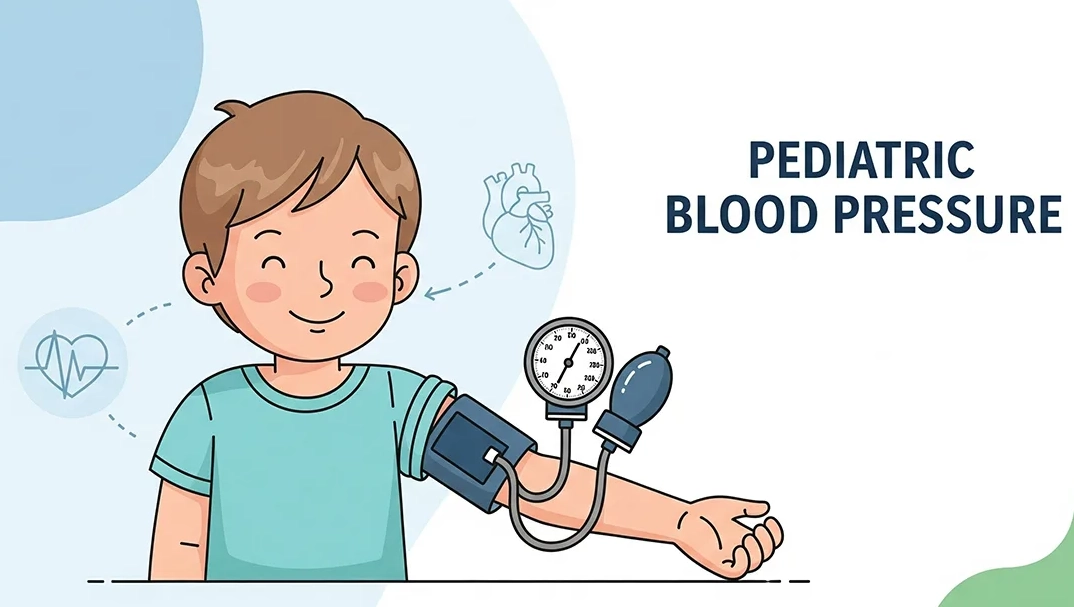
There are two main types:
- Primary (Essential) Hypertension: This is the most common type in older kids and teens. It often has no single clear cause but is strongly linked to factors like excess weight, poor diet, and lack of exercise.
- Secondary Hypertension: More common in younger children, this is caused by an underlying condition, like kidney disease, heart problems, or hormonal disorders. Treating the root cause is the primary goal here.
Step One: Accurate Diagnosis and Home Monitoring
Before any treatment plan, you need a solid diagnosis. This often involves ambulatory blood pressure monitoring (ABPM) – a small device your child wears for 24 hours that takes automatic readings. It's the gold standard because it rules out "white coat hypertension" (nervous high readings at the doctor's office).
If your child is diagnosed, home monitoring becomes your new best friend. But here's a mistake I see all the time: parents using a cheap, ill-fitting cuff. An improper cuff size is the number one cause of inaccurate home readings. The bladder inside the cuff should encircle 80-100% of your child's upper arm. Using an adult cuff on a small child will give a falsely low reading, which is dangerous.
Invest in a validated, automated upper-arm monitor with the right size cuff. Your pediatrician's office can recommend brands. Keep a log – date, time, reading, and what your child was doing beforehand. This log is pure gold for your doctor to see real-world trends.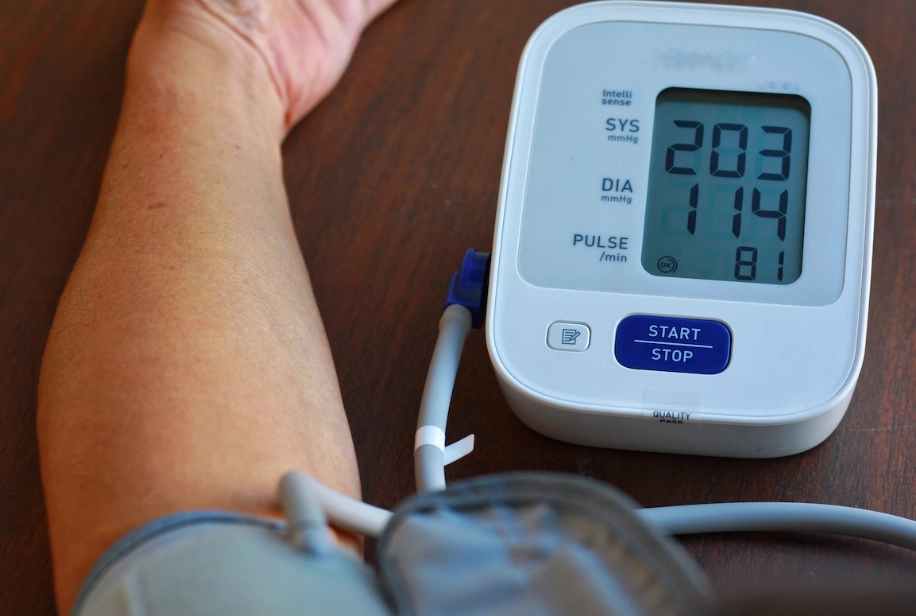
The Foundation of Treatment: Lifestyle and Dietary Changes
For most kids with primary hypertension, lifestyle intervention is the first and most critical line of treatment. Think of it as the main event, not the opening act.
The DASH Diet for Families
The Dietary Approaches to Stop Hypertension (DASH) diet isn't a fad; it's proven. The core idea isn't complicated: more fruits, vegetables, whole grains, and low-fat dairy; less saturated fat, sugar, and, crucially, sodium (salt).
Where do kids get most of their salt? Not from the salt shaker. It's hidden in processed foods: pizza, deli meats, canned soups, packaged snacks, fast food, and even bread. Reading nutrition labels for sodium content is a non-negotiable new skill. Aim for less than 1,500 mg of sodium per day for children with hypertension, as recommended by the American Academy of Pediatrics (AAP).
Making this work requires a family approach. You can't put your child on a special diet while everyone else eats differently. Cook more meals at home, use herbs and spices instead of salt, and involve your child in meal planning. It's a shift, not a punishment.
Increasing Physical Activity
The goal is 60 minutes of moderate-to-vigorous activity most days. This doesn't have to be "exercise." It's playing tag, riding bikes, dancing, or swimming. The trick is reducing sedentary screen time, which is directly linked to higher blood pressure. Set clear limits on TV, video games, and phones. Activity not only helps with weight management but also directly helps blood vessels relax.
Weight Management
If your child is overweight, even a modest weight loss of 5-10% can significantly lower blood pressure. Focus on health, not a number on the scale. The dietary and activity changes above will naturally support healthy weight management. Avoid restrictive diets; they backfire with kids.
| Lifestyle Change | Specific Action for Your Child | Expected Impact on BP |
|---|---|---|
| Reduce Sodium | Swap packaged snacks for fresh fruit/veggies; choose low-sodium versions of soups and sauces. | Can lower systolic BP by 5-10 mmHg. |
| Increase Potassium | Add bananas, sweet potatoes, spinach, beans, and yogurt to meals. | Helps balance sodium's effects; promotes vessel health. |
| Regular Activity | Schedule a daily 30-min family walk or bike ride after dinner. | Can lower BP by 3-5 mmHg; improves overall fitness. |
| Limit Screen Time | Implement a "no screens in bedrooms" rule and set a 2-hour daily recreational limit. | Reduces sedentary time, often linked to better sleep and lower BP. |
When Medication Is Needed for High Blood Pressure in Children
If lifestyle changes aren't enough after a reasonable trial (usually 3-6 months), or if your child's blood pressure is very high, has symptoms, or has secondary hypertension, medication is the next step. This isn't a failure. The goal is to prevent organ damage.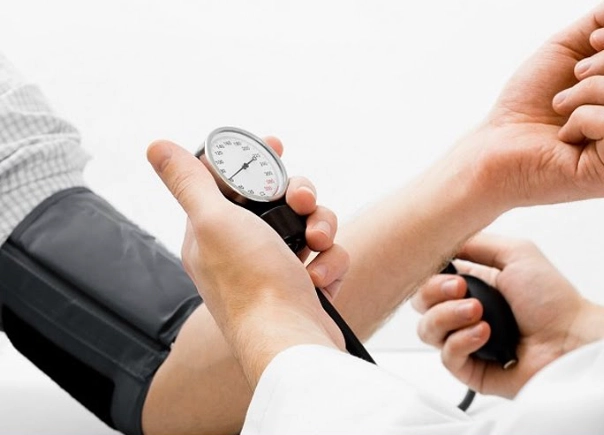
Pediatricians or pediatric nephrologists/cardiologists typically start with one class of medication at a low dose. Common first-line choices include:
- ACE inhibitors (e.g., lisinopril, enalapril): Often preferred, especially if there's also protein in the urine.
- Angiotensin II receptor blockers (ARBs) (e.g., losartan): Similar to ACE inhibitors, sometimes with fewer side effects like cough.
- Calcium channel blockers (e.g., amlodipine): Another good option.
- Diuretics ("water pills"): Used less often as first-line now but still have a role.
The biggest pitfall? Assuming the pill fixes everything and letting lifestyle habits slide. Medication works best *with* continued healthy eating and activity.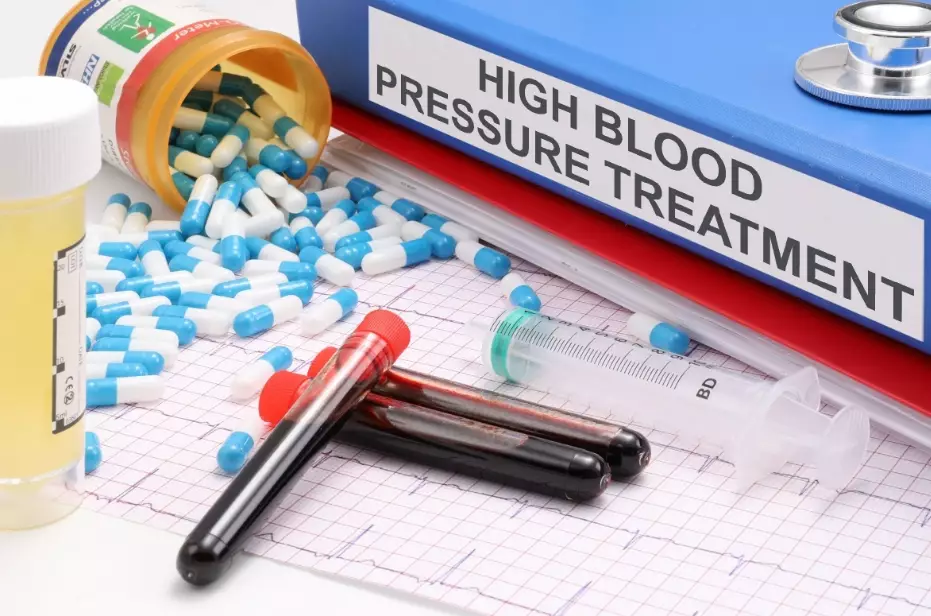
Long-Term Management and Follow-Up Care
Managing pediatric hypertension is a marathon. Regular check-ups are essential—every 3-6 months initially, then potentially less often if well-controlled. These visits aren't just about a BP check. The doctor will monitor growth, listen to the heart and lungs, and may order occasional tests like an echocardiogram (heart ultrasound) or urine tests to check for early signs of organ impact.
Your role as a parent is to be the consistent coach and record-keeper. Keep that home BP log. Advocate for your child at school—ensure they can participate in sports (usually encouraged with controlled BP!) and have access to healthy lunch options. The Centers for Disease Control and Prevention (CDC) has resources on managing chronic conditions in school settings.
The ultimate goal is to instill healthy habits that last a lifetime, reducing the need for medication as they transition into adulthood.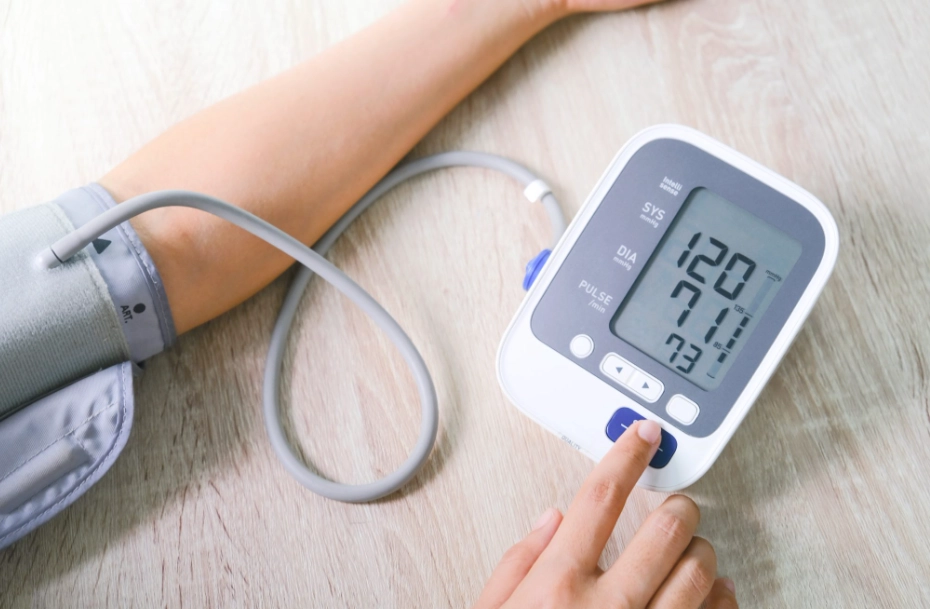
Your Questions Answered: Pediatric Hypertension FAQs
My child was just diagnosed. Will they need to be on blood pressure medication forever?
Not necessarily. For many children with primary hypertension driven by lifestyle factors, the long-term goal is often to reduce or even discontinue medication after sustained lifestyle changes have effectively controlled their blood pressure for a year or more. This decision is made carefully with the pediatric specialist. For secondary hypertension or more severe cases, long-term medication may be needed, but the regimen can evolve over time.
We check blood pressure at home, but the readings are all over the place. What are we doing wrong?
Inconsistency is common. First, verify the cuff size. Second, ensure your child is seated quietly with back supported and feet flat for 5 minutes before the reading. No talking or fidgeting. Take two readings, 1-2 minutes apart, and average them. Avoid taking it right after exercise, a meal, or a stressful event. If readings are still wildly variable, bring your home monitor to the doctor's office to check its accuracy against their calibrated device.
Are there any specific foods we should completely avoid?
Instead of focusing on total avoidance (which can create tension), focus on drastic reduction. The biggest offenders are processed meats (sausage, bacon, hot dogs), canned soups and ramen noodles, frozen pizzas and meals, salty chips and pretzels, and fast food. Also, watch out for sugary drinks—high sugar intake is linked to higher BP. Swap soda and juice for water or milk.
Is it safe for my child with high blood pressure to play sports?
In almost all cases, yes—and it's encouraged! Once blood pressure is under reasonable control with treatment, children should be allowed to participate in sports and physical activities. In fact, it's a key part of treatment. The rare exception would be for a child with very severe, uncontrolled hypertension or specific heart complications. Your pediatrician will give the final clearance, but don't assume a hypertension diagnosis means sidelining your active kid.
What's one piece of advice you'd give to a parent starting this journey?
Don't try to change everything overnight. Pick one small, sustainable change first—like adding one vegetable to dinner every night or switching from salty chips to unsalted nuts for a snack. Success with one change builds confidence. This is a long-term partnership with your healthcare team, not a crisis to be solved in a week. Your calm, consistent support is the most powerful part of your child's treatment.




Leave a comment