If you're a woman living with an autoimmune condition like Hashimoto's, lupus, or rheumatoid arthritis, you've probably noticed a pattern. A tough week at work, a family conflict, or just the general grind of life seems to reliably predict a flare-up of your symptoms. It's not in your head. The link between chronic stress and autoimmune disease activity is one of the most robust and under-discussed realities in managing these conditions, particularly for women. Our bodies aren't betraying us; they're reacting with brutal logic to a constant state of perceived threat. This guide cuts through the generic "just relax" advice and dives into the specific, actionable strategies that can help you build a buffer between life's stressors and your immune system.
What You'll Find in This Guide
The Stress-Autoimmunity Connection in Women
Let's get specific. Stress isn't just a feeling. It's a cascade of physiological events. When your brain perceives a threat (deadline, argument, financial worry), it triggers the hypothalamic-pituitary-adrenal (HPA) axis. This leads to the release of cortisol and other stress hormones. In the short term, this is helpful—it gives you energy to deal with the threat. But when the stress is chronic, the system breaks down.
For women with autoimmune issues, this breakdown is particularly damaging. First, chronic stress promotes systemic inflammation. It's like pouring gasoline on the already-smoldering fire of autoimmunity. Studies from sources like the National Institutes of Health (NIH) consistently show that stress can upregulate pro-inflammatory cytokines, molecules that drive the immune attack on your own tissues.
Second, it can lead to cortisol dysfunction. Instead of a healthy cortisol rhythm, you might get flatlined low cortisol or erratic spikes. Both scenarios impair immune regulation. Your immune system, already confused and targeting "self," loses one of its key moderators.
Why Women Are More Vulnerable
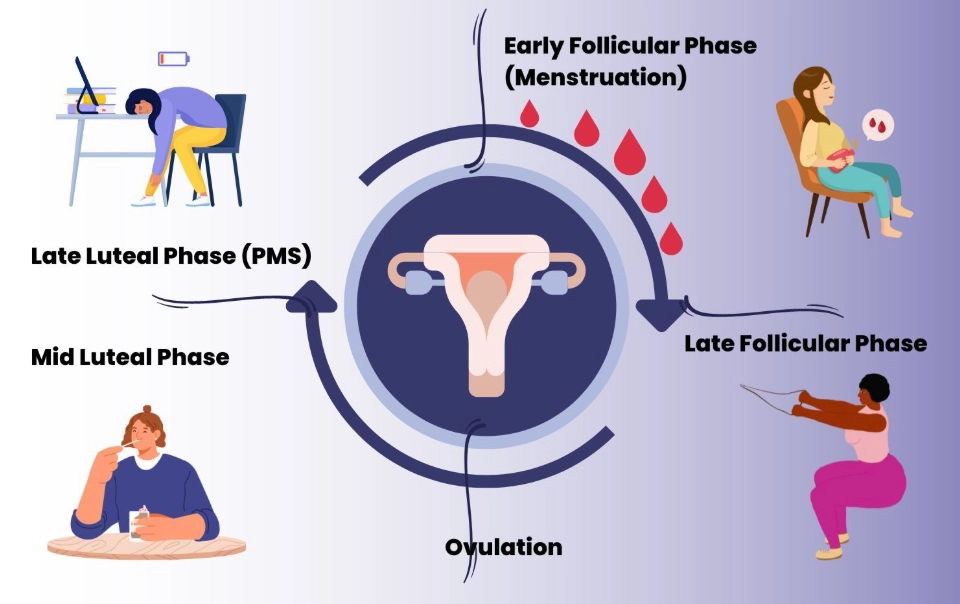
This isn't just about biology being unfair. It's about the intersection of hormones, social roles, and diagnosis delays. Estrogen directly influences immune function, often modulating it towards antibody production (a key player in many autoimmune diseases). The constant hormonal fluctuations across the menstrual cycle, postpartum period, and perimenopause can make the immune system more reactive to stress's inflammatory signals.
Then there's the societal load. The mental load of managing households, caregiving (often called the "sandwich generation" stress), and workplace dynamics frequently falls disproportionately on women. This creates a near-constant, low-grade stress that's perfect for fueling autoimmunity. A common mistake I see? Women trying to power through this fatigue with more caffeine and sheer willpower, which only deepens the HPA axis dysfunction.
How to Manage Stress with an Autoimmune Disease
Generic advice fails here. Telling someone with debilitating fatigue to "go for a run to destress" is not just unhelpful, it's potentially harmful. Your stress management plan must be tailored, sustainable, and forgiving. Think of it as building a toolkit, not following a rigid protocol.
Step 1: Mindfulness and Meditation (But Start Tiny)
I know, you've heard it before. But most people try a 20-minute session, get frustrated, and quit. The non-consensus view? Start with 90 seconds. Set a timer, close your eyes, and just feel your breath. Don't try to clear your mind. Just notice the chaos, label it "thinking," and come back to the breath. Do this once a day. Consistency with a tiny habit beats ambition that fizzles. Apps like Insight Timer are great, but even the timer on your phone works. Research from the American Psychological Association underscores that regular, brief mindfulness practice can lower inflammatory markers over time.
Step 2: The Anti-Inflammatory Diet as a Stress Buffer
Food is information for your immune system. When you're stressed, you crave sugar and processed carbs—the very things that spike inflammation. Breaking this cycle is powerful.
- Prioritize Protein at Breakfast: Skip the toast or cereal. Have eggs, Greek yogurt, or a smoothie with protein powder. This stabilizes blood sugar, which stabilizes mood and energy, preventing mid-morning stress crashes.
- Double Down on Omega-3s: Wild-caught salmon, sardines, flaxseeds, walnuts. These fats are directly anti-inflammatory and support brain health, making you more resilient to stress.
- Identify Your Personal Triggers: Gluten and dairy are common culprits for many with autoimmunity. An elimination diet, guided by a professional, can reveal if these foods are adding internal stress to your system.
Step 3: Movement That Soothes, Not Strains
High-Intensity Interval Training (HIIT) might be terrible for you during a flare. Instead, focus on movement that signals safety to your nervous system.
| Type of Movement | Why It Helps with Autoimmune Stress | Practical Tip |
|---|---|---|
| Gentle Walking | Increases blood flow, helps clear inflammatory cytokines, rhythmic motion calms the mind. | 10 minutes after a meal. No need for speed or distance. |
| Yoga (Restorative or Yin) | Activates the parasympathetic ("rest and digest") nervous system, reduces cortisol. | Use props (bolsters, blocks) for full support. Focus on release, not stretch. |
| Tai Chi or Qi Gong | Combines slow movement with breathwork, excellent for mind-body connection and fatigue. | Many free beginner videos on YouTube. Learn just one short form. |
Listen to your body. On a high-pain day, five minutes of stretching on the floor is a victory. Celebrate that.
Step 4: Strategic Rest and Sleep Hygiene
Poor sleep is both a cause and consequence of stress, creating a vicious cycle. You need to defend your sleep like your health depends on it—because it does.
- Create a "Power-Down" Hour: No screens (phone, TV, laptop) 60 minutes before bed. The blue light suppresses melatonin. Read a physical book, listen to calm music, or do some gentle tidying.
- Keep It Cool and Dark: Lower your bedroom temperature. Use blackout curtains. This signals your body it's time for deep, restorative sleep.
- Embrace Naps: A 20-minute afternoon nap can lower cortisol without causing sleep inertia. Don't fight the fatigue; strategically surrender to it for a short period.
A Real-Life Case Study: Sarah's Journey
Sarah, 42, has Hashimoto's thyroiditis. She's a project manager and a mom of two. Her flare-ups—extreme fatigue, brain fog, joint pain—always seemed random. We started tracking them alongside a simple stress log (just a 1-5 rating and a few notes). The pattern was undeniable: flares followed weeks of tight deadlines coupled with her kids' school events.
Her old approach was to push harder, then crash. We changed the strategy.
First, she negotiated one "no-meeting Wednesday" afternoon per month to create a buffer for deep work and prevent deadline panic.
Second, she implemented a 5-minute breathing exercise at her desk after checking her chaotic email inbox, before diving into replies.
Third, she swapped her aggressive weekly spin class for three gentle walks and one restorative yoga session via a YouTube channel she liked.
It wasn't a miracle cure. But over three months, the intensity and frequency of her flares decreased noticeably. Her thyroid antibody levels on her last lab test were the lowest they'd been in years. The biggest win? She felt a sense of agency she hadn't felt since her diagnosis.
Your Top Questions Answered
The relationship between autoimmune disease and stress in women is complex, but it's not a life sentence of reactivity. By understanding the specific mechanisms at play and implementing small, sustainable changes, you can build remarkable resilience. It's a slow, non-linear journey. Some days you'll nail it, others you'll feel like you've gone backwards. That's normal. The key is to keep returning to your toolkit, adjusting as needed, and treating yourself with the same compassion you'd offer a friend in your situation. Your health is worth the investment.



Leave a comment