Let's talk about something most articles gloss over: your vaginal health is deeply connected to what you put in your mouth. It's not just about avoiding sugar or douching. The ecosystem down there – the pH, the good bacteria (mostly Lactobacilli) – thrives or suffers based on your internal environment. And one of the most direct ways to influence that environment is through your drinks. Forget quick fixes and miracle cures. Supporting vaginal wellness is about consistent, smart hydration with beverages that provide the right building blocks. I've spent years sifting through the hype, talking to gynecologists and nutritionists, and here's what actually works.
What's Inside This Guide
How What You Drink Directly Impacts Vaginal Health
Think of your vagina as a finely tuned garden. The ideal state is a slightly acidic pH (around 3.8 to 4.5), teeming with beneficial Lactobacilli. These good guys produce lactic acid and hydrogen peroxide, keeping the bad bacteria and yeast in check. When this balance is off, you might notice itching, unusual discharge, or odor – signs of conditions like bacterial vaginosis (BV) or yeast infections.
So, where do drinks come in? They affect this garden in three main ways:
- Hydration Status: Water is the transport system. Dehydration leads to thicker cervical mucus and can concentrate urine, which might irritate the urethra (hello, UTIs). Proper hydration keeps fluids moving and tissues healthy.
- Nutrient Delivery: Certain drinks are packed with probiotics (live good bacteria), prebiotics (food for good bacteria), and antioxidants that reduce inflammation. These compounds can directly or indirectly support the vaginal microbiome.
- pH Influence: Some beverages are highly acidic or sugary. Consumed in excess, they can potentially alter your body's overall acid-base balance and feed unhelpful microbes like Candida (yeast).
The goal isn't to micro-manage your vaginal pH with every sip. It's about creating a consistently supportive internal environment where the good bacteria can do their job effortlessly.
The Top 5 Drinks for Vaginal Health (Backed by Science)
Here’s the breakdown of the most effective beverages. I've ranked them based on direct evidence, potency, and ease of use.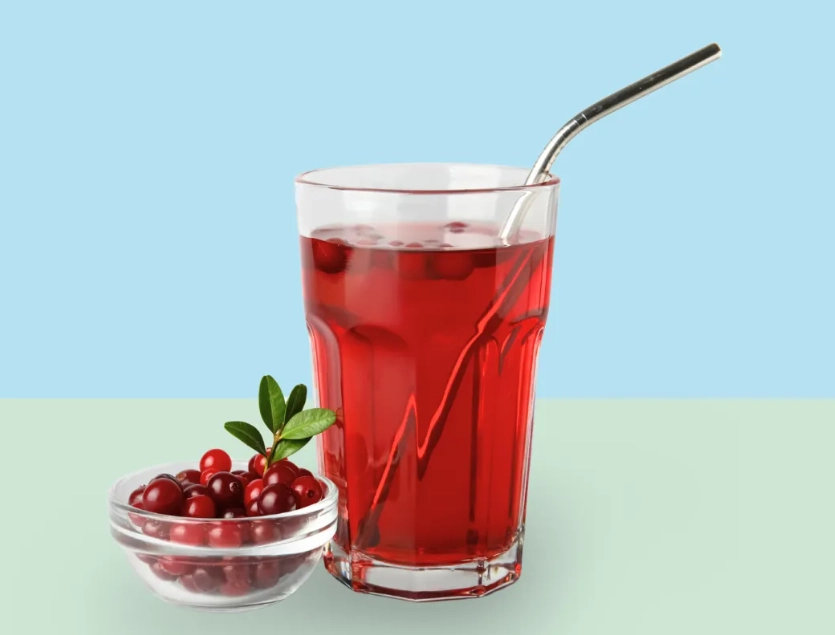
| Drink | Key Benefit for Vaginal Health | How to Use It Best | A Quick Note |
|---|---|---|---|
| 1. Water (Especially with Lemon) | Foundation. Flushes toxins, maintains mucosal moisture, supports overall cellular function. | Aim for 2-3 liters daily. Add a squeeze of fresh lemon for vitamin C and alkalizing effect post-digestion. | Don't underestimate it. Chronic low-grade dehydration is a silent saboteur. |
| 2. Kefir & Probiotic Yogurt Smoothies | Direct probiotic source. Introduces strains like L. rhamnosus and L. reuteri linked to vaginal health. | Choose plain, unsweetened versions. Drink 1 cup of kefir or a smoothie made with probiotic yogurt daily. | Check labels for "live and active cultures." Greek yogurt has more protein but often fewer strains than kefir. |
| 3. Unsweetened Cranberry Juice (100% Pure) | Prevents E. coli bacteria from adhering to bladder walls, reducing UTI risk. Contains proanthocyanidins (PACs). | About 1 cup (240ml) of pure juice daily, not cocktail. Better as a short-term preventive, not a daily staple due to acidity. | The PAC content is key. Many studies, like those referenced by the American Journal of Clinical Nutrition, support its use for UTI prevention. |
| 4. Kombucha | Fermented tea offering probiotics, acetic acid, and antioxidants. Supports gut health, which is linked to vaginal health. | Limit to 4-8 oz daily. Start slow. Choose low-sugar brands ( | Quality varies wildly. Homemade can be risky. It's a gut aid more than a direct vaginal probiotic. |
| 5. Green Tea | Rich in antioxidants (EGCG) that combat inflammation. Some studies suggest links between green tea consumption and lower HPV risk. | 1-2 cups daily. Brew fresh, avoid adding sugar. | A supportive player, not a frontline treatment. Its anti-inflammatory benefits are systemic. |
A crucial insight most miss: The connection between your gut and your vagina is huge – it's called the gut-vagina axis. Probiotics from drinks like kefir primarily colonize your gut. But a healthy gut microbiome seems to positively influence the vaginal microbiome through immune modulation and possibly even bacterial migration. So, you're often helping your vagina by first helping your gut.
Why Kefir is the Unsung Hero
Yogurt gets all the press, but kefir is the powerhouse. It's a fermented milk drink with up to 30-50 different strains of bacteria and yeast, compared to yogurt's 3-5. The diversity is key. In my experience, clients who switch from daily yogurt to kefir often report more consistent results, especially when dealing with recurrent issues. The tart taste takes getting used to – blend it with a handful of frozen berries and a dash of cinnamon. Don't ruin it with sugar.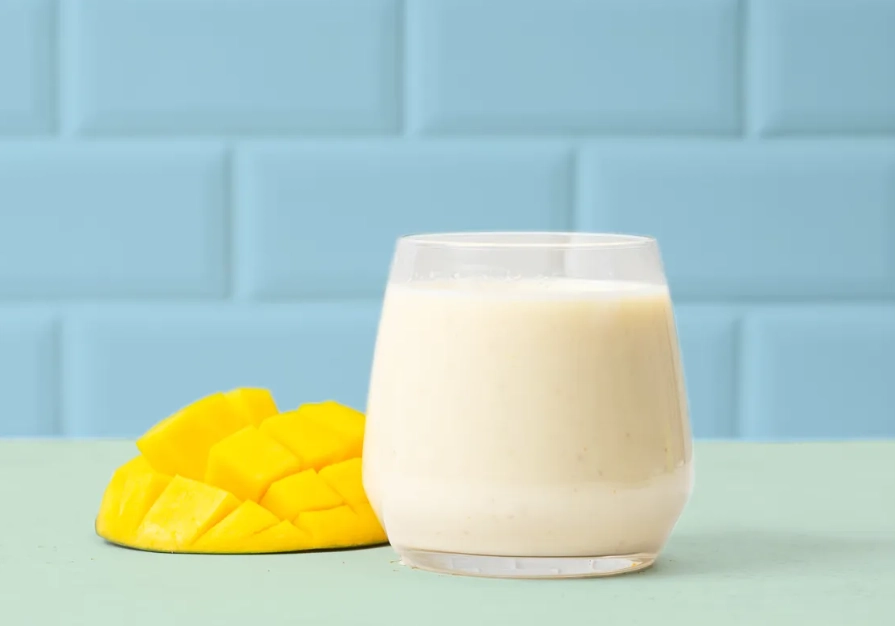
Drinks to Limit or Avoid for pH Balance
Balance is about what you add and what you subtract. These are the beverages that can undermine your efforts.
- Sugary Sodas, Energy Drinks, and Sweetened Coffee Drinks: This is the big one. High sugar content can feed yeast (Candida) and potentially disruptive bacteria. It also promotes systemic inflammation.
- Excessive Alcohol: Especially sugary cocktails and beer. Alcohol is dehydrating, can spike blood sugar, and may alter immune function. An occasional glass of dry red wine (rich in polyphenols) is likely fine for most, but daily heavy drinking is problematic.
- Artificially Sweetened Drinks: The data is mixed, but some people find that artificial sweeteners like aspartame or sucralose can trigger inflammation or gut issues, which might have downstream effects. Your body might still react to the "sweet" signal.
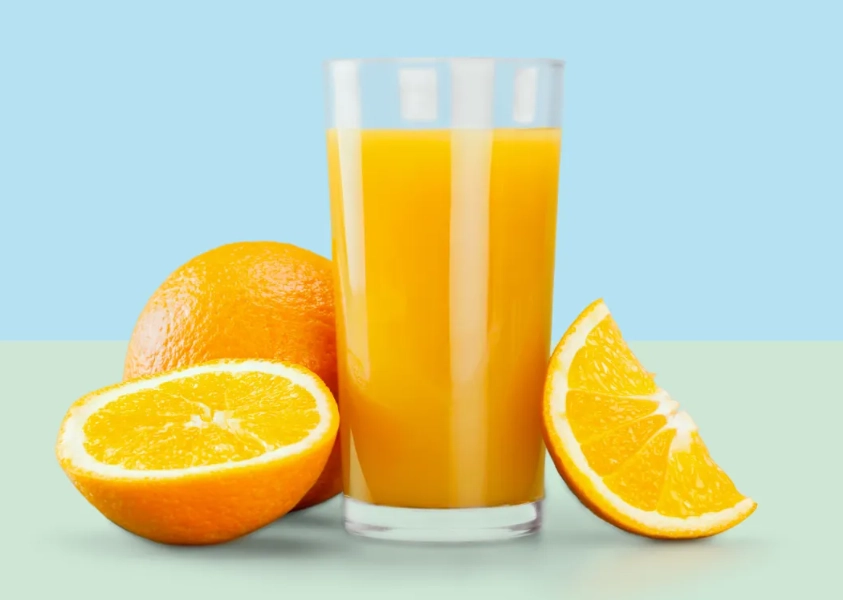
- Very High-Sugar Fruit Juices: Orange juice, apple juice, etc., without the fiber are just sugar bombs. They have vitamins, but the sugar load can be counterproductive.
I'm not saying never have a latte or a glass of wine. I'm saying if you're struggling with persistent imbalances, look at these as potential contributors. Try cutting them out for 3-4 weeks and see if you notice a difference. For many of my clients, reducing sugar-sweetened beverages is the single most effective change.
Putting It Into Practice: Simple Recipes & Daily Routines
Let's make this tangible. Here’s what a day focused on vaginal health through hydration could look like.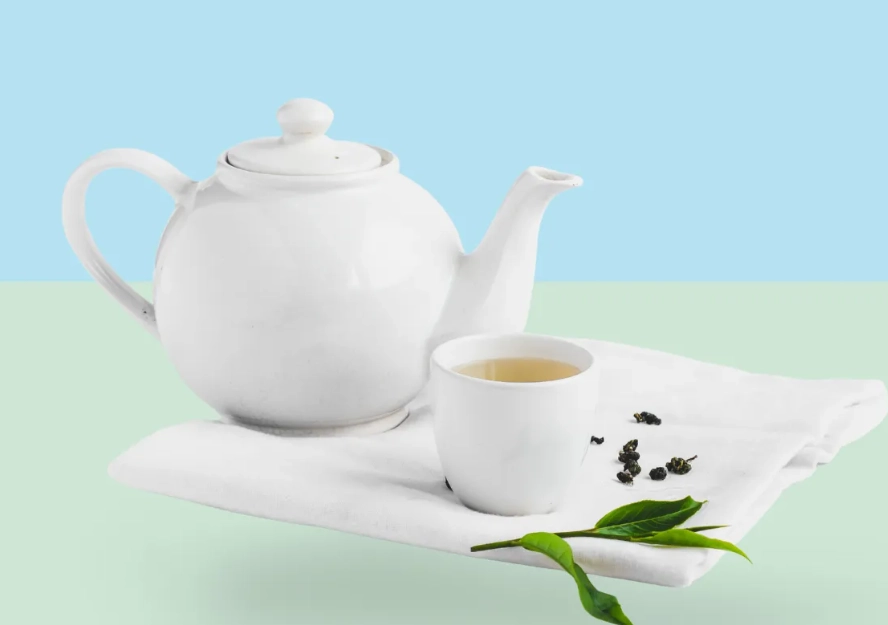
Morning Kickstart: Gut & Vagina Booster Smoothie
This is my go-to. It combines probiotics, prebiotics (from banana), and anti-inflammatory ingredients.
- 1 cup plain, unsweetened kefir (or probiotic yogurt)
- 1/2 banana (frozen works great)
- Handful of spinach
- 1 tablespoon ground flaxseed (for omega-3s and fiber)
- 1/4 teaspoon cinnamon
- A few ice cubes
Blend until smooth. The banana's sweetness makes it palatable without added sugar.
Throughout the Day: Sip on water from a large bottle. Add cucumber slices or a few mint leaves for flavor. Have a cup of green tea in the afternoon.
As a Preventive Measure: If you're prone to UTIs after intimacy, consider having a small glass (4-6 oz) of pure, unsweetened cranberry juice that day and the next. Pair it with drinking a full glass of water – the dilution and flushing action is just as important as the cranberry compounds.
The rhythm is simple: foundation of water, a daily dose of probiotics (kefir/smoothie), supportive teas, and strategic use of things like cranberry juice when needed.
Your Questions, Answered (Beyond the Basics)
 Is drinking apple cider vinegar (ACV) water good for vaginal pH?




Leave a comment