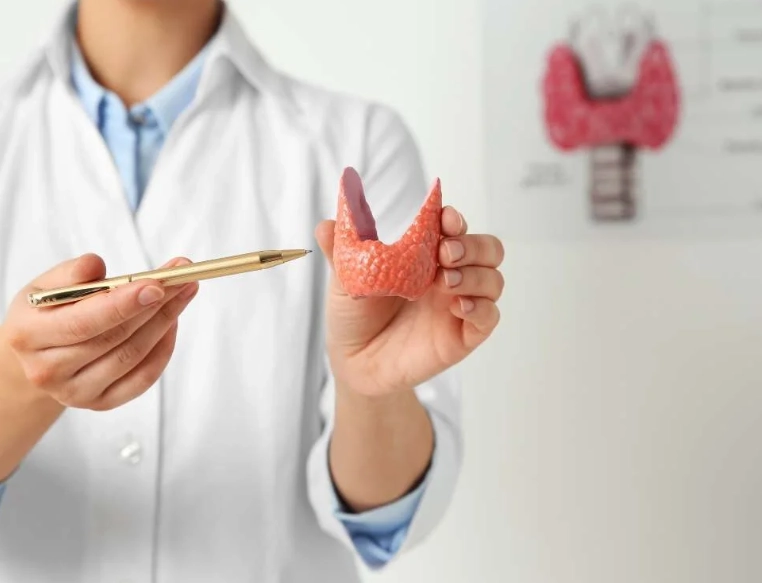
If you've ever sat in a doctor's office wondering why your energy is gone, your weight won't budge, or your mood feels like a rollercoaster, you're not alone. Millions of women do, and for a significant number, the culprit is a tiny, butterfly-shaped gland in the neck: the thyroid. Here's a fact that often surprises people: women are five to eight times more likely to develop a thyroid disorder than men. This isn't a coincidence or just better diagnosis; it's woven into the fabric of female biology. From the chaos of puberty to the transitions of pregnancy and menopause, a woman's body navigates complex hormonal landscapes that directly impact thyroid function. This article digs past the basic "hormones are involved" explanation to show you the specific, often interconnected, reasons why thyroid issues—particularly autoimmune types like Hashimoto's thyroiditis—have a strong preference for women.
What You'll Discover in This Guide
The Core Reasons: Why Women's Bodies Are More Vulnerable
Let's cut to the chase. The high rate of thyroid disease in women isn't down to one single thing. It's a perfect storm of factors where biology sets the stage, and often, lifestyle and environment pull the trigger.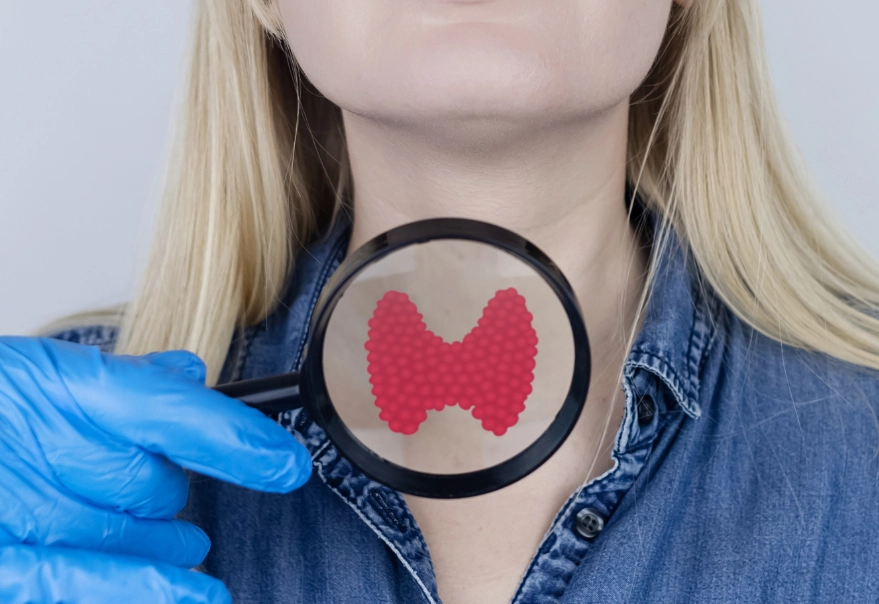
The Autoimmune Connection: When Your Body Turns On Itself
This is the big one. The vast majority of hypothyroidism (underactive thyroid) in developed countries is caused by Hashimoto's thyroiditis, an autoimmune disease. Hyperthyroidism (overactive thyroid) is frequently caused by another autoimmune condition: Graves' disease. And autoimmune diseases disproportionately affect women. The American Autoimmune Related Diseases Association estimates about 75% of autoimmune disease patients are female.
Why? Researchers point to the female immune system itself, which is generally more robust and reactive—a trait evolutionarily beneficial for protecting pregnancies. However, this heightened immune vigilance can sometimes misfire. The X chromosome carries many immune-related genes, and women have two X chromosomes. This double dose, combined with the complex interplay of sex hormones like estrogen, may create an immune system more prone to launching attacks on the body's own tissues, including the thyroid gland. I've seen too many women spend years chasing symptoms of fatigue and brain fog before someone finally checks their thyroid antibodies (TPO antibodies). That test is often the missing piece.
The Hormonal Rollercoaster: Estrogen, Progesterone, and Life Stages
Thyroid hormones (T3 and T4) don't operate in a vacuum. They're in constant conversation with your sex hormones. Estrogen, in particular, influences the proteins that transport thyroid hormones in your blood. High estrogen states can make thyroid hormone less available to your cells, even if your blood levels look "normal" on a standard test.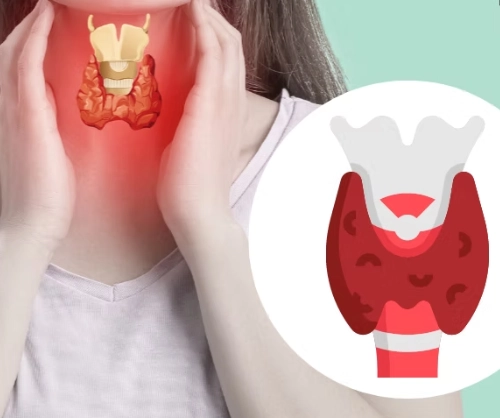
Think about key life stages:
- Pregnancy: The body undergoes massive hormonal shifts. The pregnancy hormone hCG can mildly stimulate the thyroid, and the increased demand for thyroid hormone can unmask a previously borderline thyroid function. Postpartum, the immune system, which was subdued during pregnancy, can rebound aggressively, triggering postpartum thyroiditis in some women.
- Perimenopause & Menopause: Fluctuating and then declining estrogen levels create havoc. Many symptoms of menopause—weight gain, low mood, fatigue—mirror hypothyroidism perfectly. It's crucial to get thyroid levels checked during this transition, as the two conditions can be confused or coexist.
A Common Oversight: Many doctors only look at TSH (Thyroid Stimulating Hormone). For women, especially those with persistent symptoms, a full panel including Free T4, Free T3, and Thyroid Peroxidase Antibodies (TPOAb) is non-negotiable. A "normal" TSH doesn't always mean optimal thyroid function for every individual.
Genetic Predisposition and Nutritional Triggers
If your mother or sister has a thyroid condition, your risk is significantly higher. Genetics load the gun, so to speak. But environment and nutrition often pull the trigger.
Two key nutrients are critical:
| Nutrient | Role in Thyroid Health | Best Food Sources | Common Pitfall |
|---|---|---|---|
| Iodine | Raw material for making thyroid hormones (T3 & T4). | Seaweed, iodized salt, dairy, fish. | Both deficiency AND excess can trigger or worsen autoimmune thyroid disease. Don't mega-dose supplements without testing. |
| Selenium | Essential for converting T4 to the active T3 and protects the thyroid gland from oxidative damage. | Brazil nuts (just 2-3 a day!), tuna, eggs, sunflower seeds. | Soil depletion means food sources can be variable. Selenium deficiency is linked to higher antibody levels in Hashimoto's. |
| Vitamin D | Modulates the immune system; low levels are strongly correlated with autoimmune disease. | Sunlight, fatty fish, fortified foods. | Widespread deficiency, especially in colder climates or with office-bound lifestyles. |
I've worked with clients who, after genetic testing showing a predisposition, focused on optimizing these nutrients through diet and careful supplementation (under guidance), and saw their antibody levels stabilize and symptoms improve dramatically. It's not a cure, but it's powerful management.
Beyond Fatigue: Symptoms That Often Get Mislabeled
"It's just stress." "It's part of getting older." "Maybe you're depressed." Women hear these dismissals all too often. Thyroid symptoms are masters of disguise because the gland affects every cell in your body.
Beyond the textbook fatigue and weight gain, watch for these:
- Mental Fog & Memory Lapses: Forgetting words mid-sentence or walking into a room with no idea why. This isn't just busyness.
- Hair and Skin Changes: Thinning hair, especially the outer third of your eyebrows. Dry, itchy skin that lotion doesn't fix.
- Temperature Dysregulation: Constantly feeling cold when others are comfortable, or having cold hands and feet.
- Menstrual Irregularities: Heavier, longer, or more painful periods are a classic hypothyroidism sign.
- Mood Swings and Anxiety: Not just "feeling blue," but a persistent, low-grade depression or a sudden onset of anxiety/panic attacks, which is more common in hyperthyroidism/Graves'.
The problem is the overlap. A busy mother might blame exhaustion on her kids. A perimenopausal woman might attribute everything to "the change." This is why looking at the constellation of symptoms is key. If you have three or more of these persistently, it's more than worth a thorough thyroid check.
Navigating the Diagnostic Maze: How Thyroid Issues Are Identified
Getting a clear diagnosis can be frustrating. The standard of care starts with a blood test for TSH. If it's high (typically above 4.5 mIU/L), it suggests an underactive thyroid. But here's where many women fall through the cracks.
The "normal" range for TSH is broad (often 0.4 - 4.5 mIU/L). However, many functional medicine practitioners and progressive endocrinologists argue that the optimal range is much tighter, around 1.0 - 2.5 mIU/L for most people, especially women trying to conceive or those with symptoms. A TSH of 3.8 might be flagged as "normal" on a lab report, but for you, it could be the reason you can't get out of bed.
Insist on a comprehensive panel. This should include:
- TSH (the pituitary's signal)
- Free T4 (the stored hormone)
- Free T3 (the active hormone your cells use)
- Thyroid Peroxidase Antibodies (TPOAb) and Thyroglobulin Antibodies (TgAb) to check for autoimmune activity.
An ultrasound of the thyroid might be recommended if nodules are suspected or antibodies are high. Remember, you are your own best advocate. Bring a list of your symptoms to your doctor. Say, "Given my symptoms and family history, I'd like to rule out thyroid dysfunction with a full panel, including antibodies."
How Can Women Proactively Manage Thyroid Health?
If you're diagnosed, management is lifelong but entirely manageable. It's not just about taking a pill (though for hypothyroidism, levothyroxine is the standard, effective treatment). It's about holistic support.
Conventional Treatment: Medication is the Foundation
For hypothyroidism, synthetic T4 (like Synthroid, Levoxyl) replaces what your gland isn't making. The goal is to find the dose that makes you feel well and brings your TSH into an optimal (not just normal) range. It can take 6-8 weeks for levels to stabilize after a dose change. For hyperthyroidism/Graves', options include anti-thyroid drugs (like methimazole), radioactive iodine, or surgery.
Lifestyle as Medicine: The Non-Negotiables
Medication corrects the deficiency, but lifestyle choices manage the inflammation and stress that fuel autoimmune flare-ups.
- Stress Management is Critical: Chronic stress raises cortisol, which can block T4 to T3 conversion and worsen autoimmune responses. This isn't fluffy advice. Find what works—10 minutes of meditation, walking in nature, deep breathing. Non-negotiable.
- Prioritize Sleep: Poor sleep disrupts every hormone, including thyroid hormones. Aim for 7-9 hours of quality sleep. Create a dark, cool, screen-free environment.
- Mindful Nutrition: Focus on anti-inflammatory foods: colorful vegetables, berries, healthy fats (avocado, olive oil), and quality protein. Consider an elimination diet (like gluten-free or dairy-free) for 30 days if you have Hashimoto's, as food sensitivities are common and can increase inflammation. The research, including studies referenced by the National Institute of Diabetes and Digestive and Kidney Diseases (NIDDK), shows a complex link between diet and autoimmune thyroid disease.
- Smart Supplementation: Based on blood tests, consider supplements like high-quality Vitamin D, Selenium (200 mcg daily is a common dose for Hashimoto's), and a good probiotic. Always discuss with your healthcare provider.
I've seen women transform their health by layering these lifestyle strategies on top of proper medication. The pill fixes the number; the lifestyle fixes the feeling.
Your Thyroid Questions, Answered Clearly
Absolutely possible, and it's one of the most common frustrations. The standard "normal" range for TSH is too broad for many individuals. If your TSH is in the upper half of the range (say, above 2.5 or 3.0) and you have multiple symptoms, you may have subclinical hypothyroidism. Push for a full thyroid panel (Free T4, Free T3, and antibodies). Many women feel best when their TSH is between 1.0 and 2.5. Don't accept "you're fine" if you don't feel fine.
You can't change your genetics, but you can powerfully influence your environment. Think of prevention as managing your immune system. Start by getting a baseline thyroid panel with antibodies now, even if you feel okay. Then, focus on the pillars: drastically reduce chronic stress (it's a major trigger for autoimmunity), ensure optimal levels of Vitamin D and selenium through diet and possibly supplementation, heal your gut with probiotic-rich and fiber-heavy foods (a significant portion of your immune system resides there), and avoid known environmental toxins like excessive iodine and cigarette smoke. Regular check-ups every 1-2 years are wise.
Yes, thyroid nodules are found more frequently in women, largely due to more frequent ultrasounds for other reasons. However, the vast majority (over 90%) are benign. Thyroid cancer is also about three times more common in women than men, but it's important to note it's often highly treatable with an excellent prognosis. The increased incidence may be linked to hormonal factors and possibly diagnostic scrutiny. The key takeaway is not to panic if a nodule is found, but to have it properly evaluated with a fine-needle aspiration biopsy if warranted, as recommended by guidelines from the American Thyroid Association.
This is the core challenge of autoimmune disease. The medication (levothyroxine) replaces the missing thyroid hormone, but it does not address the ongoing autoimmune attack and inflammation in your body. Your symptoms may be from the inflammation itself, not just the hormone level. Work with a practitioner who will look beyond TSH. They might check your Reverse T3 (an inactive form that can be high under stress), your cortisol patterns, food sensitivities (gluten and dairy are frequent culprits), and gut health. Managing Hashimoto's is a two-pronged approach: optimizing thyroid hormone and calming the immune system through diet, stress management, and targeted supplements.



Leave a comment