You're brushing your hair, and more comes out than usual. You see strands on your pillow, in the shower drain. It's not dramatic clumps, but a slow, steady thinning that makes your ponytail feel smaller. If you've also been feeling unusually tired, gaining weight without trying, or battling brain fog, your thyroid might be the silent culprit. Thyroid disorders are a leading and often overlooked cause of hair loss in women. The link is strong, but the path to regrowth isn't always straightforward. Let's cut through the confusion.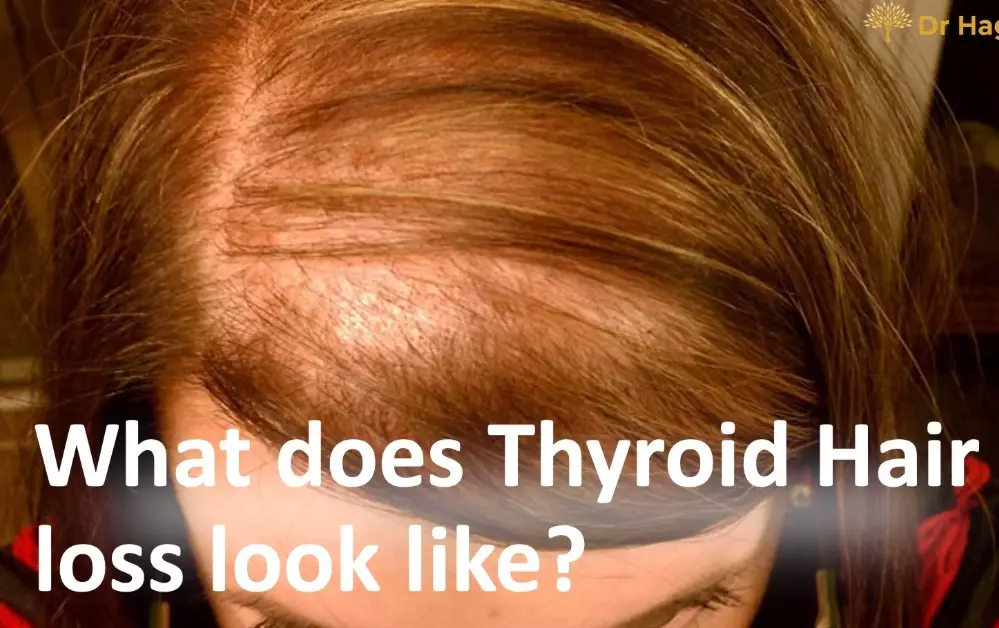
What's Inside This Guide
How Does Thyroid Disease Cause Hair Loss?
Your thyroid gland, that butterfly-shaped organ in your neck, produces hormones (T3 and T4) that act like a master thermostat for your metabolism. Every single cell in your body, including your hair follicle cells, has receptors for these hormones. When thyroid levels are off, it disrupts the delicate hair growth cycle.
Hair grows in three phases: anagen (growth), catagen (transition), and telogen (resting/shedding). Thyroid hormones are crucial for keeping hairs in the growth phase. An imbalance pushes more follicles prematurely into the resting phase, a condition called telogen effluvium. The result? Diffuse thinning all over your scalp, not just in one spot.
Here's the kicker: Hair loss often shows up 2-4 months after the thyroid imbalance begins. This lag time is why many women don't connect their fatigue in January to their hair shedding in April. It's a delayed reaction, making the root cause harder to pinpoint.
Both an underactive thyroid (hypothyroidism) and an overactive thyroid (hyperthyroidism) can trigger hair loss, but through slightly different mechanisms. Hypothyroidism slows everything down, starving follicles of energy and nutrients. Hyperthyroidism revs metabolism too high, stressing the body and diverting resources away from "non-essential" functions like hair growth.
The Autoimmune Factor: Hashimoto's and Graves' Disease
Most thyroid problems are autoimmune. Hashimoto's disease causes hypothyroidism, and Graves' disease causes hyperthyroidism. In these cases, your immune system attacks your thyroid. This systemic inflammation doesn't stop at the neck—it can create a hostile environment for hair follicles, further exacerbating hair loss. If you have an autoimmune thyroid condition, managing inflammation becomes a key part of the hair regrowth puzzle.
Spotting Thyroid-Related Hair Loss vs. Other Types
Not all hair loss looks the same. Knowing the pattern helps you and your doctor narrow down the cause.
Thyroid hair loss typically shows up as:
- Diffuse thinning: General loss of volume all over the scalp. Your part might look wider, and your hair feels less dense.
- Loss of outer third of eyebrows: This is a classic, though not universal, sign of hypothyroidism (especially Hashimoto's).
- Dry, brittle, coarse hair: The hair shaft itself changes texture, becoming more straw-like and prone to breakage.
- Hair loss on other body parts: You might notice less hair on your arms, legs, or even your underarms.
Compare this to female pattern hair loss (androgenetic alopecia), which usually causes thinning concentrated on the top and crown of the scalp with a preserved frontal hairline. Or alopecia areata, which causes sudden, coin-shaped bald patches.
| Type of Hair Loss | Primary Pattern | Common with Thyroid Issues? |
|---|---|---|
| Thyroid-Related (Telogen Effluvium) | Diffuse thinning all over scalp, wider part, eyebrow loss | Always |
| Female Pattern Hair Loss | Thinning on top/crown, preserved hairline | Can be worsened by thyroid issues |
| Alopecia Areata | Circular bald patches | More common in autoimmune thyroid patients |
A crucial point most blogs miss: You can have both thyroid-related telogen effluvium and female pattern hair loss. The thyroid problem unmasks or accelerates the genetic predisposition. This is why simply fixing your TSH might not bring all your hair back—you might need a second strategy for the genetic component.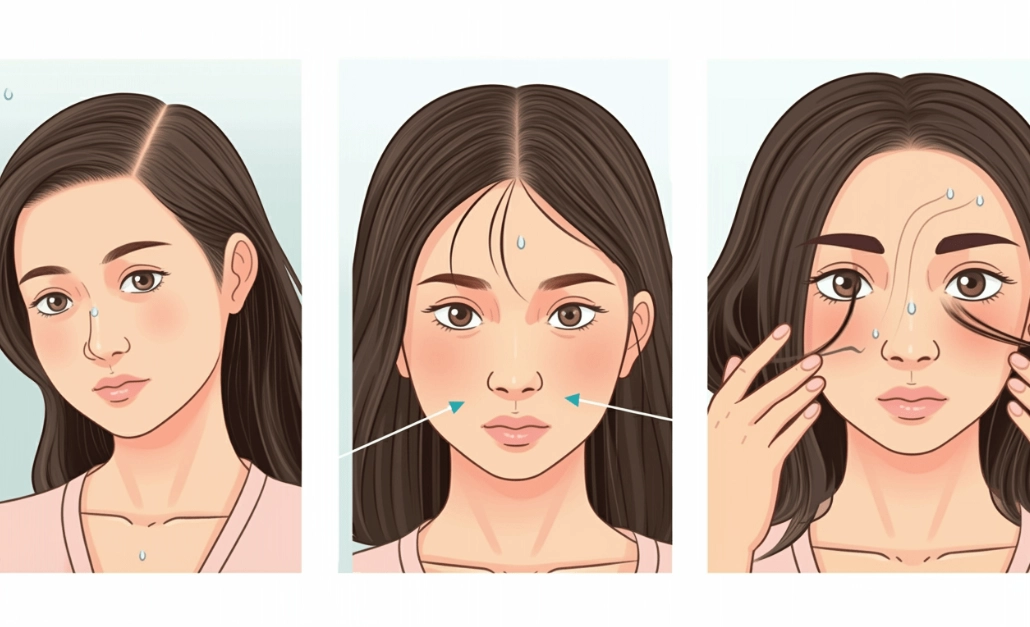
Getting the Right Diagnosis: The Tests You Absolutely Need
You tell your doctor you're losing hair and are tired. They run a "thyroid test." Often, that's just TSH (Thyroid Stimulating Hormone). If it's within the standard lab range (typically 0.4 - 4.0 mIU/L), they might say your thyroid is fine and send you on your way. This is where many women get stuck.
The Standard Lab Range Pitfall: Many functional medicine doctors and endocrinologists argue the optimal TSH for most women is much tighter, often between 1.0 and 2.5 mIU/L. A TSH of 3.8 might be "in range," but it could be suboptimal for you, causing symptoms like hair loss. You need to push for a full panel.
To get a real picture, insist on these tests:
- TSH: The initial signal from the brain.
- Free T4 & Free T3: These measure the actual active thyroid hormones circulating in your blood. T3 is especially important for hair.
- Thyroid Peroxidase Antibodies (TPOAb) & Thyroglobulin Antibodies (TgAb): These test for Hashimoto's autoimmune attack.
- TSH Receptor Antibodies (TRAb): Tests for Graves' disease.
Bringing a printout of these test names to your appointment can help. Say, "Given my hair loss and other symptoms, I'd like to rule out autoimmune thyroiditis and look at my free hormone levels." A good doctor will listen.
How to Regrow Hair with a Thyroid Condition: A Multi-Pronged Plan
Regrowth requires patience—hair cycles are slow. Don't expect results in weeks. Think in terms of 3-6 months for shedding to slow, and 6-12 months to see visible new growth. Here's the layered approach that works.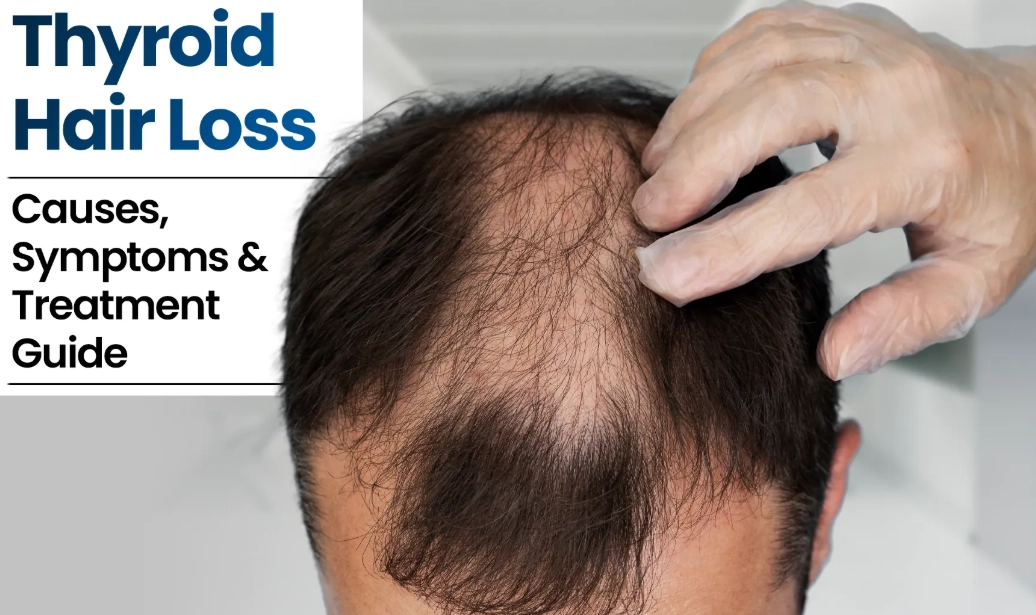
Step 1: Optimize Thyroid Medication (If Prescribed)
If you're diagnosed with hypothyroidism, levothyroxine (T4) is standard. But some women's bodies don't efficiently convert T4 to the active T3. For them, adding a small amount of liothyronine (synthetic T3) or using a natural desiccated thyroid (NDT) medication that contains both T4 and T3 can make a world of difference for energy, mood, and hair. This is a nuanced conversation to have with an experienced endocrinologist. The goal is not just a "normal" TSH, but symptom resolution.
Step 2: Fuel Your Follicles with Targeted Nutrition
Even with perfect thyroid levels, if you're deficient in key nutrients, your hair won't grow well. Thyroid patients are often low in these:
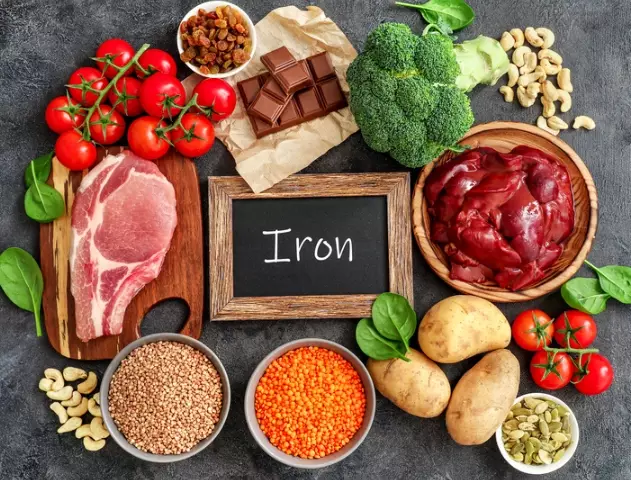
- Ferritin (Iron Stores): This is HUGE. Ferritin needs to be above 70 ng/mL for optimal hair growth, not just the 15 ng/mL that avoids anemia. Get it tested.
- Vitamin D: Aim for a level of 40-60 ng/mL. Low D is rampant and linked to autoimmune activity and hair loss.
- Selenium: Crucial for thyroid hormone conversion and antioxidant protection. 200 mcg daily from Brazil nuts or supplements can help (don't mega-dose!).
- Zinc: Supports hair tissue growth and repair. A modest supplement (15-30 mg) can help if deficient.
- Biotin: Supports keratin production. Critical warning: High-dose biotin (common in hair supplements) can interfere with thyroid lab tests, making them falsely normal or abnormal. Stop taking biotin at least 3-5 days before any blood draw.
Step 3: Adopt Gentle Hair Care Practices
Your hair shafts are likely weaker. Treat them kindly.
- Use a wide-tooth comb on wet hair, not a brush. > Swap tight ponytails for loose styles or clips. > Limit heat styling. When you do, use a heat protectant. > Consider a silk or satin pillowcase to reduce friction breakage. > Look for volumizing shampoos that are sulfate-free to avoid stripping natural oils.
Topical treatments like minoxidil (Rogaine) can be helpful, especially if there's a genetic component. It works by prolonging the growth phase. The key is consistency—apply it daily. The initial dread shed (increased shedding for the first few weeks) is normal and means it's working.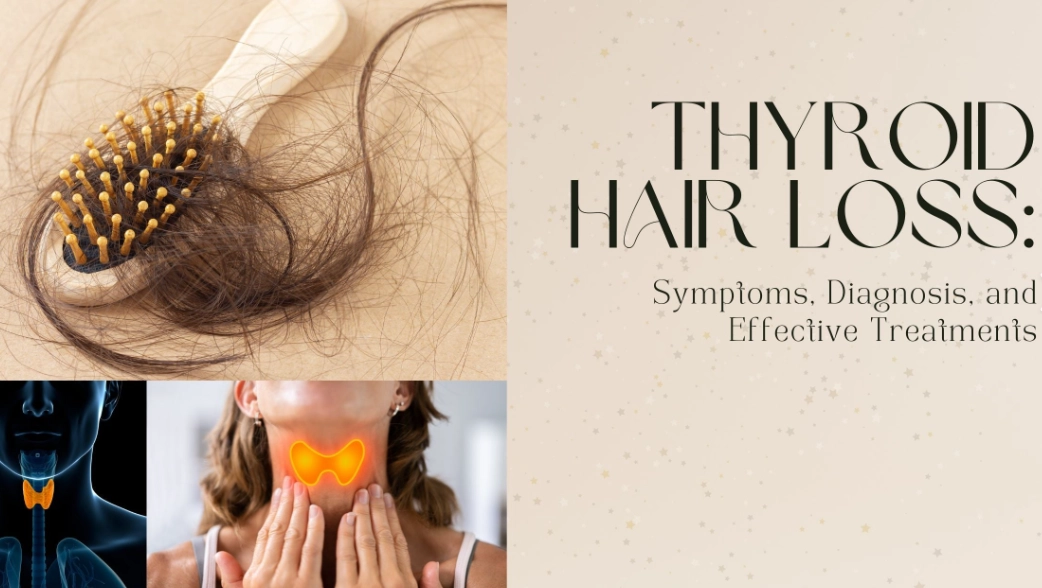
Your Top Thyroid and Hair Loss Questions Answered
 The journey of dealing with thyroid-related hair loss is tough on the psyche. It's a visible sign of an invisible illness. But understanding the mechanism is power. It's not just about vanity; it's about a key biomarker of your overall health. By advocating for the right tests, addressing both hormones and nutrients, and treating your hair with care, you can turn the tide. The growth will come back, slowly but surely.




Leave a comment