Let's be honest. When you search for yoga poses online, you're often met with a beautiful person in a perfect, impossible-looking shape. It's intimidating. You might wonder, "Can my body even do that?" The truth is, yoga isn't about the picture-perfect pose. It's about the movement, the breath, and the awareness you cultivate along the way. I've been teaching for over a decade, and the biggest mistake I see beginners make is chasing the external form of an asana while completely ignoring what's happening inside their own body.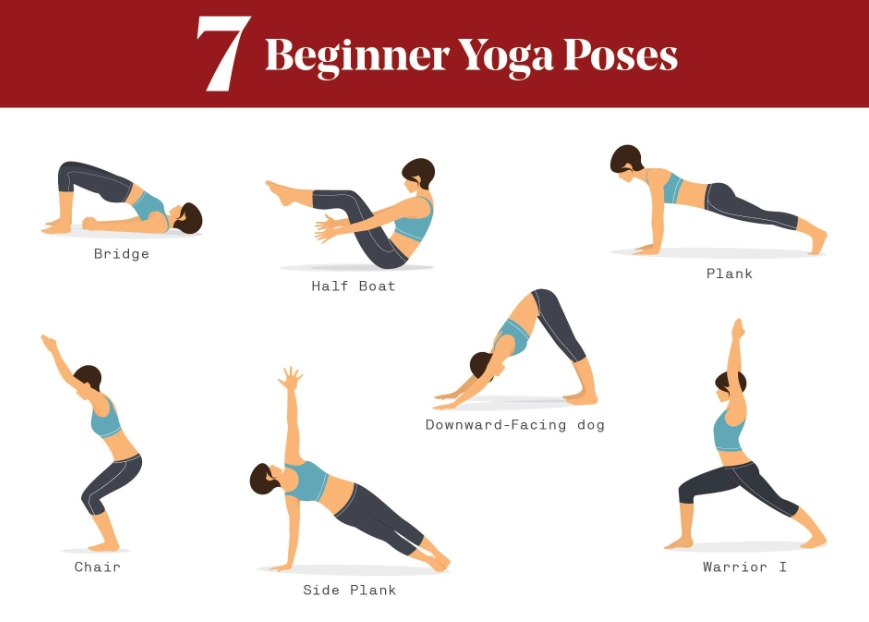
What's Inside This Guide?
How to Start with Yoga Poses if You're a Complete Beginner
Forget the complex sequences for now. Starting a yoga practice is less about flexibility and more about building a relationship with your body. You need two things: a quiet space about the size of a yoga mat, and a mindset of curiosity, not competition (especially not with yourself).
Don't rush out to buy the most expensive mat. Any non-slip surface will do initially. Wear clothes that let you move but aren't so baggy they get in the way.
The real secret? It's in the breath. I've had students hold a perfect Downward-Facing Dog while holding their breath, turning a calming pose into a stressful event. Your breath is your guide. If it becomes short and ragged, you're pushing too hard. Ease up.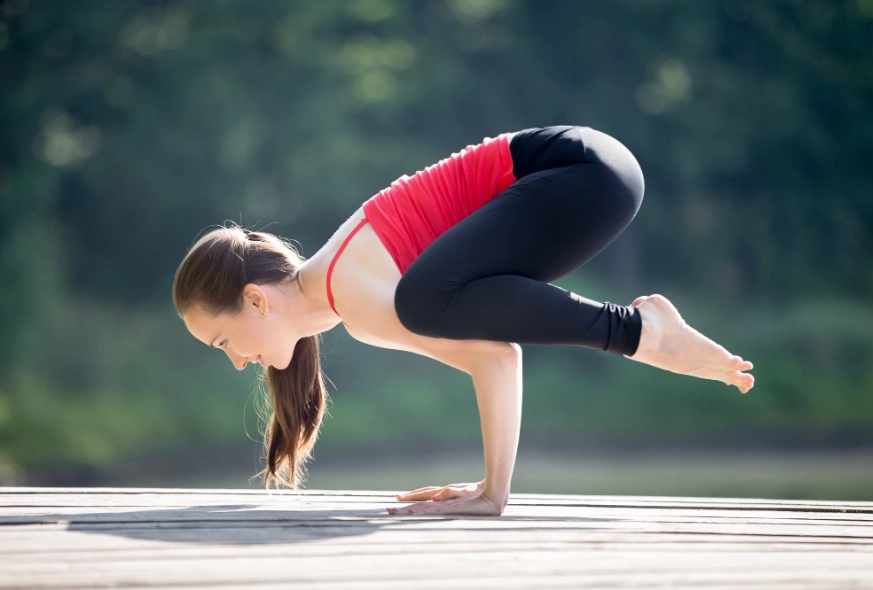
Pro Tip from the Studio: Set a timer for just 10 minutes. Your goal isn't to complete a workout, but to simply move and breathe with intention for those 10 minutes. Consistency with short sessions beats an ambitious hour-long practice you never repeat.
The 5 Foundational Yoga Poses You Should Learn First
Mastering these five asanas will give you the tools for dozens of other poses. Think of them as your yoga alphabet. We'll go beyond the basic "it's good for stretching" and talk about what you should actually feel.
| Pose (Sanskrit Name) | Key Action & Focus | Common Beginner Mistake to Avoid | Practical Benefit |
|---|---|---|---|
| 1. Mountain Pose (Tadasana) | Standing with grounded feet, spine long. It's active standing. | Locking the knees back. Keep a micro-bend. | Improves posture, teaches body awareness from the ground up. |
| 2. Downward-Facing Dog (Adho Mukha Svanasana) | Pressing hands down, hips up and back to form an inverted V. | Rounding the upper back. Focus on pressing the chest towards the thighs. | Strengthens arms & shoulders, lengthens the spine, a great full-body reset. |
| 3. Warrior II (Virabhadrasana II) | Strong stance, hips open to the side, arms extended, gaze over front hand. | Letting the front knee cave inward. Knee must track over the ankle. | Builds leg strength and stamina, opens the hips, improves focus. |
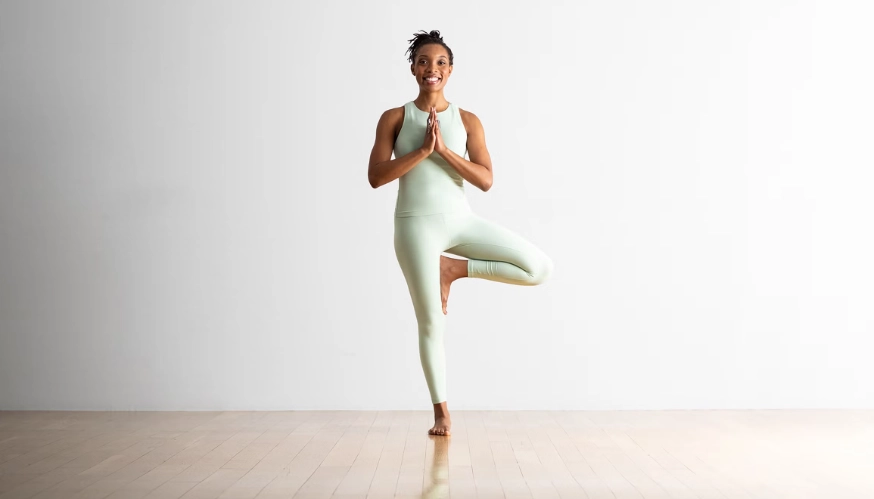
| 4. Tree Pose (Vrksasana) | Standing on one leg, other foot on calf or inner thigh (never knee). | Placing the foot on the standing knee. This destabilizes the joint. | Dramatically improves balance and concentration, strengthens ankles. |
| 5. Child's Pose (Balasana) | Kneeling, sitting back on heels, folding forward with arms extended or resting. | Forcing the forehead to the mat. Let gravity do the work, use a block if needed. | The ultimate rest pose. Calms the nervous system, gently stretches the back. |
Notice how the benefits aren't just "flexibility." They're about strength, balance, and mental focus. That's the real point.
Let me zoom in on Tree Pose for a second. Everyone wants to get their foot high up on the inner thigh right away. Bad idea. The foundation is your standing leg and your core. If you place your foot on your calf and can breathe steadily for 5 breaths, that's a more advanced achievement than wobbling with your foot on your thigh for 2 seconds. The height of your foot is irrelevant if your foundation is shaky. I see this obsession with height over stability all the time, and it's a fast track to frustration.
What About More "Advanced" Poses?
Poses like Crow Pose (Bakasana) or Headstand (Sirsasana) get a lot of social media attention. They are fun goals, but they are skill-based, not flexibility-based. You don't need to be super flexible to do Crow Pose; you need strong core engagement and the understanding of how to shift your weight forward. Treat these as projects, not benchmarks for a "good" practice. Rushing into them without the foundational strength is the most common cause of yoga-related injuries I encounter.
Building a Simple and Effective Yoga Practice at Home
You don't need a studio. Your living room floor is perfect. The challenge is creating a structure so you actually do it.
First, decide on your "why." Is it to ease lower back stiffness after a desk day? To feel less anxious? To move more? Your intention shapes your practice. For tight shoulders, you'd focus more on poses that open the chest. For anxiety, you'd lean towards forward folds and longer holds in restful poses.
Here’s a sample 20-minute sequence you can do anytime:
- Minute 0-2: Sit quietly, set your intention. Just breathe.
- Minute 2-5: Gentle neck rolls, cat-cow stretches on all fours.
- Minute 5-15: Flow through your foundational poses. Mountain -> Forward Fold (bend your knees!) -> Downward Dog -> Step forward to Warrior II -> Tree Pose on each side -> Child's Pose.
- Minute 15-20: Lie on your back (Savasana). Let everything go. This is non-negotiable—it's where your nervous system integrates the work.
The biggest home practice killer is all-or-nothing thinking. Missed a day? A week? Just get back on the mat for 5 minutes. No drama. I've found that students who forgive themselves for "falling off" are the ones who maintain a practice for years.
For credible resources on the health benefits of mindful movement like yoga, organizations like the American College of Sports Medicine (ACSM) often publish research on its positive effects on stress and mobility. The Yoga Alliance, while a credentialing body, also provides access to safety guidelines and foundational philosophy that can inform a responsible practice.
Your Yoga Poses Questions, Answered
 I have wrist pain in poses like Downward Dog. What can I do?
 Is it okay to feel a little sore after yoga?

Leave a comment