Let's be honest. Adult acne feels like a cosmic joke. You navigated your teens, maybe even your twenties, thinking you'd left breakouts behind with bad haircuts and questionable fashion. Then, at 30, 40, or beyond, a stubborn, painful, deep pimple appears on your jawline. Or worse, a whole cluster. Over-the-counter stuff that worked a decade ago now just sits there, useless. You're not alone. According to the American Academy of Dermatology, adult acne is rising, especially among women. The good news? This is exactly what prescription acne medication for adults is designed to tackle. It's a different game than teen acne, and the treatment needs to be smarter.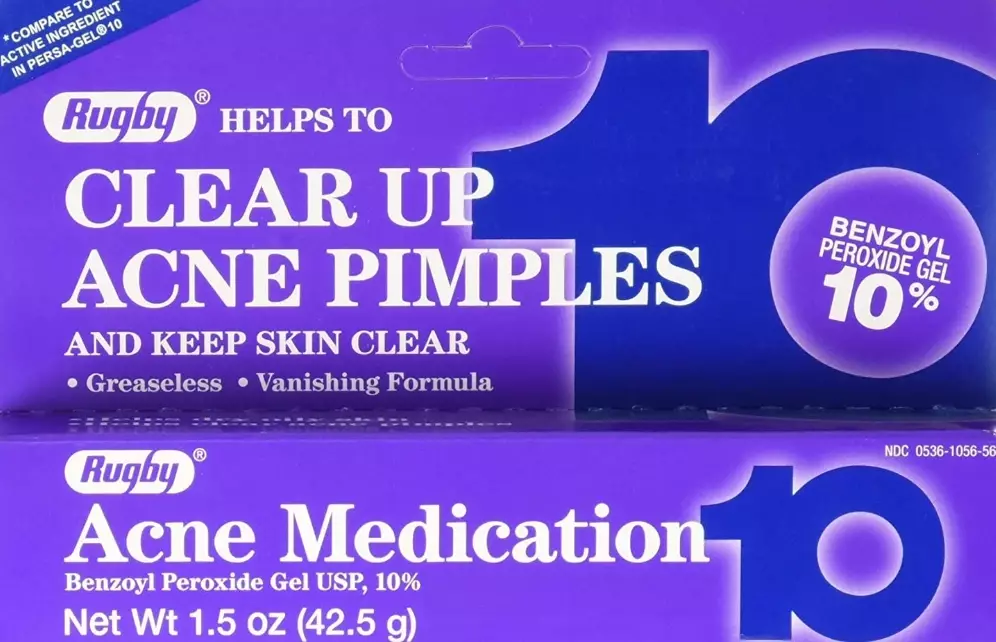
What's Inside: Your Quick Guide
Why Adult Acne is a Different Beast
Teen acne often centers on the T-zone (forehead, nose, chin) and is heavily driven by raging hormones and excess oil. Adult acne, particularly in women, tends to camp out on the lower face—jawline, chin, neck. The causes are more complex.
Hormones are still a prime suspect, but now it's often fluctuations related to menstrual cycles, polycystic ovary syndrome (PCOS), perimenopause, or even stress (cortisol is a hormone, after all). The acne lesions are often deeper, more inflamed, and more cystic. They leave marks—post-inflammatory hyperpigmentation (PIH)—that linger for months.
Your skin is also different. It's less resilient, more prone to dryness and sensitivity. Slathering on harsh, drying products you used as a teen can wreck your skin barrier, making acne and irritation worse. This is why the best acne treatment for adults often involves a finesse approach: strong enough to clear clogged pores and kill bacteria, but gentle enough to not destroy your moisture barrier.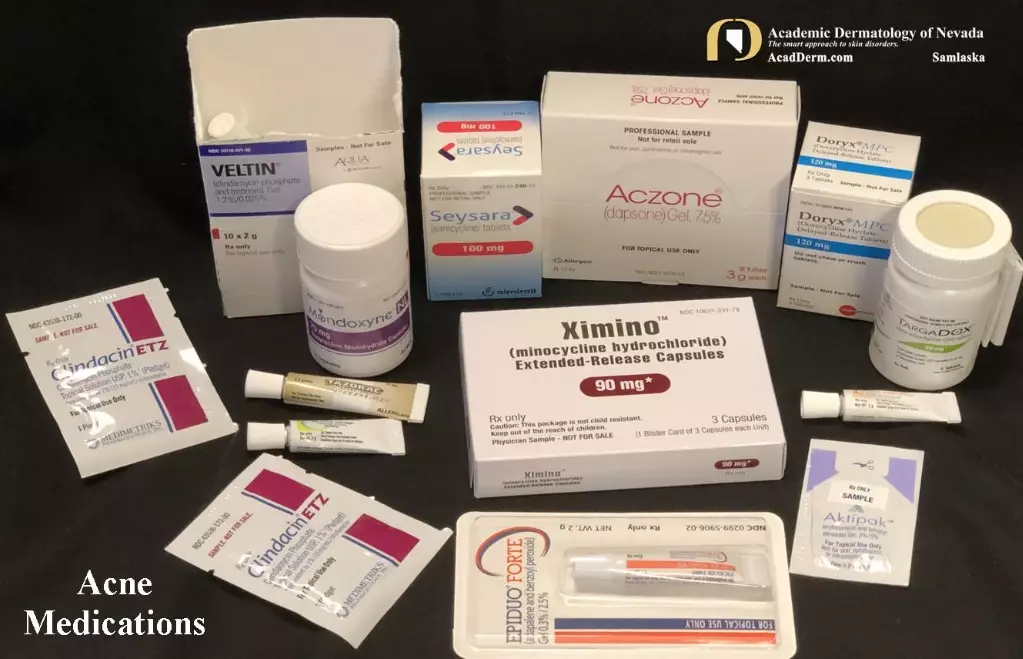
The Topical Arsenal: Creams, Gels, and Lotions
These are the workhorses, applied directly to the skin. They're great for mild to moderate acne and are often combined.
Topical Retinoids (Vitamin A Derivatives)
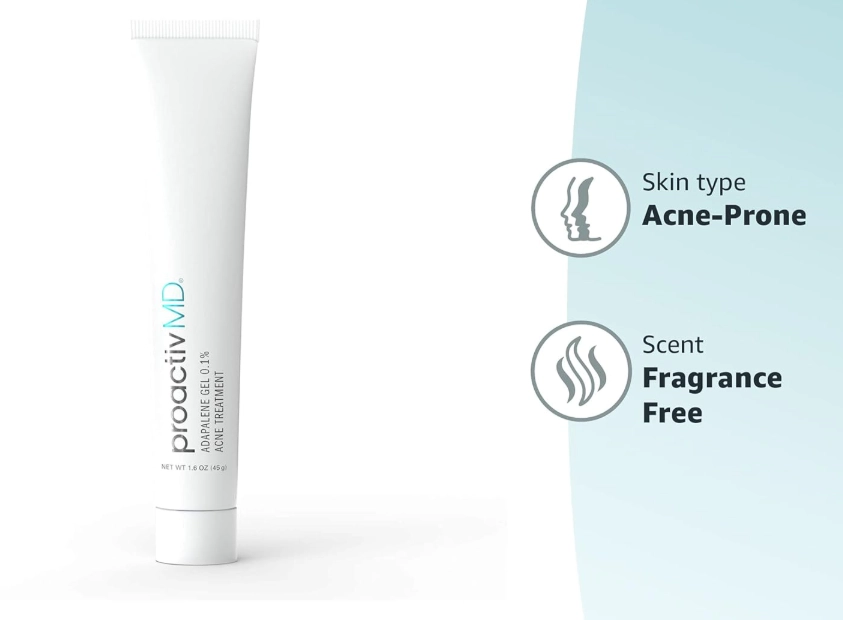
The gold standard. They work by speeding up cell turnover, preventing pores from clogging. Tretinoin (Retin-A), adapalene (Differin, now also OTC but stronger by prescription), and tazarotene (Tazorac) are the big names. Adapalene is generally the most tolerable for sensitive skin. The key with these? Start slow. Twice a week, then build up. The initial "retinization" period of peeling and redness scares people off, but it usually subsides in 4-6 weeks if you're patient.
Topical Antibiotics
Like clindamycin or erythromycin. They reduce the *C. acnes* bacteria and inflammation. Here's the critical expert tip nobody tells you enough: They should almost never be used alone. Bacteria develop resistance fast. Always pair them with benzoyl peroxide (which doesn't cause resistance) or a retinoid. Many combination products (like Benzaclin, which is clindamycin+BPO) exist for this reason.
Other Key Players
Azelaic Acid (Finacea, Azelex): A personal favorite for adult women. It kills bacteria, reduces inflammation, AND helps fade those dark post-acne marks. It's also pregnancy-safe. Dapsone Gel (Aczone): Excellent for inflammatory acne, particularly the tender, red bumps. It's anti-inflammatory first, antibacterial second.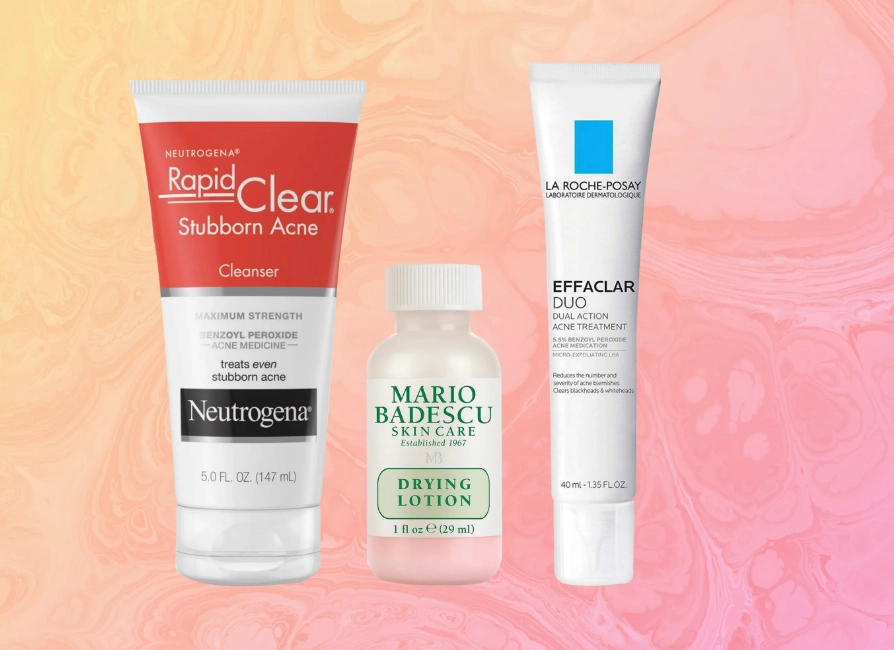
Oral Prescription Medications: Going Systemic
For moderate to severe acne, or acne that's primarily deep and cystic, pills are often necessary. They work from the inside out.
| Medication | How It Works | Best For | Key Considerations |
|---|---|---|---|
| Oral Antibiotics (Doxycycline, Minocycline) | Reduce bacteria & inflammation systemically. | Moderate-severe inflammatory acne; quick reduction of redness. | Short-term use only (3-4 months max) to avoid resistance. Can cause sun sensitivity, stomach upset. |
| Hormonal Therapies (Birth Control Pills, Spironolactone) | Regulate androgen hormones that drive oil production. | Women with hormonal acne (jawline/chin, flares with cycle). | Not for everyone. Spironolactone requires monitoring (potassium). Takes 3-6 months to see full effect. |
| Isotretinoin (Accutane) | Shrinks oil glands, normalizes skin cell shedding, reduces bacteria. | Severe, recalcitrant cystic acne that fails other treatments. | Highly effective but has significant side effects (dryness, requires pregnancy prevention). Requires close monitoring by a dermatologist. |
Spironolactone is a game-changer for adult female acne. It's not a traditional "acne drug," but as a hormone blocker, it targets the root cause for many. The dose for acne (usually 50-100mg/day) is much lower than for its original use (blood pressure). The biggest hassle is the potential need to pee more often (it's a diuretic).
How to Choose (With Your Derm) The Right Treatment
There's no one-size-fits-all best acne treatment for adults. Your dermatologist should play detective. They'll look at:
- Acne Type: Mostly blackheads/whiteheads (comedonal)? Red, angry bumps (inflammatory)? Deep, painful cysts?
- Location & Pattern: Jawline/chin screams hormonal. Forehead might be related to hair products or sweat.
- Your Skin Type: Oily, dry, sensitive? A drying gel might ruin a dry skin type.
- Medical History & Medications: Are you pregnant? Trying to conceive? On other meds?
- Your Lifestyle & Budget: Some generics are cheap; newer brand-name drugs can be expensive.
A typical starting plan for moderate hormonal acne in a woman might be a topical retinoid at night, a clindamycin/BPO gel in the morning, and a low dose of spironolactone. For someone with severe cystic scarring acne, the conversation might quickly turn to isotretinoin.
3 Common Mistakes People Make with Prescription Acne Meds
After a decade in the clinic, these are the patterns I see that derail progress.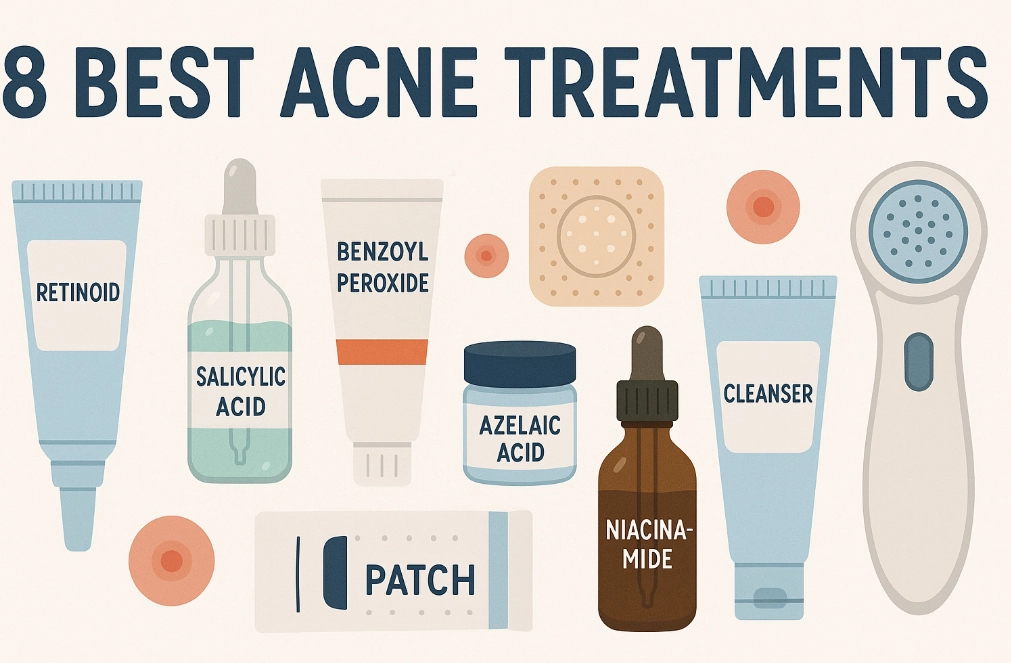
1. The "More is Better" Fallacy with Topicals. Your derm says "use a pea-sized amount for the whole face." You think, "If a pea is good, a chickpea must be better." You wake up with a red, peeling, burning face. You quit the medication, blaming it for being "too harsh." The medication wasn't the problem; the dose was. Start low, go slow.
2. Giving Up Too Soon. Oral antibiotics can show results in weeks. Topical retinoids take 8-12 weeks. Hormonal meds like spironolactone can take 3-6 months. People quit at week 4, frustrated. Acne treatment is a marathon, not a sprint. Mark your calendar for the 3-month mark before you judge.
3. Ignoring the Skincare Basics. You're on powerful prescription acne medication for adults, but you're still using a harsh, stripping scrub and skipping moisturizer because you think your skin is "oily." This sabotages everything. Your new rule: gentle cleanser, non-comedogenic moisturizer, and mineral sunscreen (every day, rain or shine). The sunscreen is non-negotiable—many acne meds make you photosensitive, and sun exposure worsens dark marks.
Your Burning Questions, Answered
 I've heard scary things about isotretinoin (Accutane). Is it worth the risk for adult acne?
 The path to clear skin as an adult isn't about finding a magic bullet. It's about a strategic, patient partnership with a dermatologist who understands that your skin and your life are more complex now. The right prescription acne medication for adults exists—it's about matching the tool to the problem. Don't waste more time on stuff that doesn't work. Make that appointment.



Leave a comment