You see those ads everywhere. "Flatten your belly in 10 minutes a day with Pilates!" The promise is magnetic, especially if you've been struggling with a stubborn midsection that seems immune to crunches. So, can Pilates flatten the belly? The short, honest answer is a resounding yes, but probably not in the way you're imagining. It's not a magic spot-reduction tool. Instead, Pilates works by fundamentally rebuilding your core from the inside out, improving your posture, and creating the conditions where a flatter stomach can become a reality. If you're looking for a quick fix, this isn't it. But if you want lasting change that makes your entire body feel and function better, you're in the right place.
What You'll Discover
The Core Truth: How Pilates Actually Works on Your Belly
Let's be clear: spot reduction is a myth. You can't do a thousand leg lifts and melt fat specifically off your lower belly. The American Council on Exercise has been clear about this for years. So how does Pilates make a difference? It targets the muscles underneath the fat.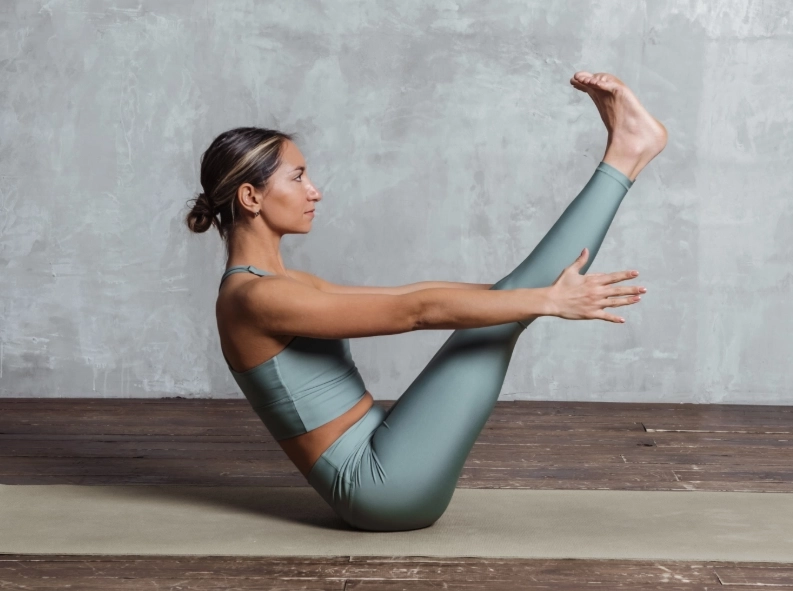
Think of your core like a cylindrical canister. The top is your diaphragm, the bottom is your pelvic floor, the back is your spinal muscles, and the front and sides are your abdominal muscles, including the deep transverse abdominis (TVA). Most people only train the superficial "six-pack" muscle (rectus abdominis) with crunches. Pilates, especially the classical method developed by Joseph Pilates, prioritizes the TVA. This is the body's natural corset. When it's weak, your internal organs can push forward, creating a pooch. When it's strong and engaged, it pulls everything in, providing a supportive foundation.
Here’s the non-consensus part many instructors gloss over: a strong TVA doesn't just look flat, it functions to stabilize your spine. I've seen clients obsessed with getting a flat belly who constantly "suck in" their stomach, which is just a shallow breath hold. True TVA engagement is subtler—it's a gentle, 30-40% contraction you maintain during movement and even while sitting. It's the difference between holding your breath and learning to breathe deeply while keeping that foundational support.
Key Takeaway: Pilates flattens the belly primarily by strengthening your deep core stabilizers (especially the transverse abdominis) and improving posture, which can make your stomach appear inches flatter immediately, even before fat loss.
Posture's Powerful Role
Slouching is the enemy of a flat stomach. An anterior pelvic tilt (where your hips tilt forward, arching your lower back) pushes your belly out. It's a postural issue, not a fat issue. Pilates drills spinal awareness and alignment. Exercises like Pelvic Curls and Spine Stretch Forward teach you to find a neutral pelvis. When you stand or sit with proper alignment, your abdominal wall isn't stretched and distended. The effect is instant—you look taller, slimmer, and yes, your belly looks flatter.
The Fat Loss Factor: Why Pilates Alone Isn't Enough
This is the uncomfortable truth most fitness blogs selling Pilates programs don't emphasize enough. To see a visibly flatter belly, you often need to reduce overall body fat. Pilates, particularly mat Pilates, is not a high-calorie-burning cardio blast. A 150-pound person might burn only 150-200 calories in a 50-minute beginner mat class.
That doesn't mean it's useless for fat loss. It creates a powerful synergy:
- Muscle Building: Pilates builds lean muscle, especially in the core, glutes, and back. More muscle increases your resting metabolic rate slightly, meaning you burn more calories all day.
- Workout Enhancement: A stronger, more stable core from Pilates makes you more efficient and powerful in other fat-burning activities like running, cycling, or strength training. You can lift heavier and run longer with less risk of injury.
- Mindful Movement: The focus on control and precision in Pilates fosters a better mind-body connection. This awareness often spills over into eating habits, making you more conscious of food choices.
My advice after a decade of teaching? Don't do only Pilates if fat loss is a primary goal. Pair it with 2-3 days of cardiovascular exercise (brisk walking, cycling, swimming) and pay close attention to nutrition. The Pilates will sculpt the muscle underneath; the cardio and diet will help reveal it.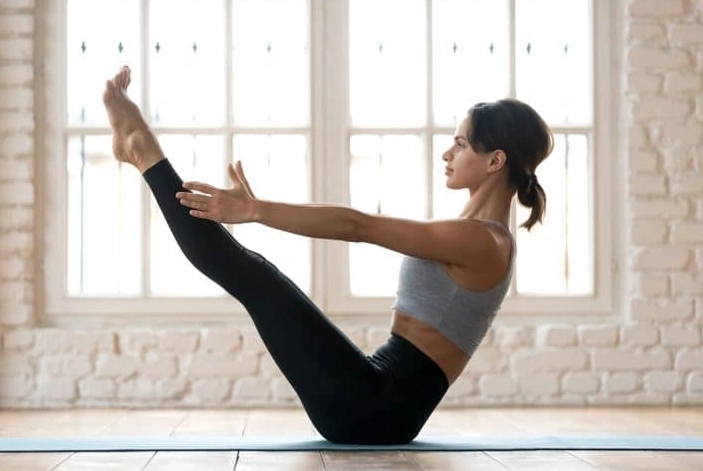
Top Pilates Moves That Target Your Deep Core
Forget endless crunches. These are the Pilates exercises that truly engage the deep core system for a flatter, stronger midsection. Quality over quantity is everything.
| Exercise | Primary Muscle Targeted | Why It Works for a Flatter Belly | Common Form Pitfall |
|---|---|---|---|
| The Hundred | Transverse Abdominis, Rectus Abdominis | The quintessential Pilates warm-up. The pumping arms challenge your core to stay completely still, forcing isometric TVA engagement to stabilize the spine. | Letting the lower back arch off the mat. Keep your back flat and focus on scooping your navel toward your spine. |
| Roll Up | Rectus Abdominis, Hip Flexors | Teaches sequential spinal articulation and control. It lengthens the abdominals while strengthening them, combating that "tight but bulging" crunch effect. | Using momentum to swing up. Move slowly, peeling one vertebra off the mat at a time. |
| Double Leg Stretch | Transverse Abdominis, Obliques | The ultimate coordination challenge. Extending limbs away from your center forces your core to work overtime to prevent your back from arching. | Letting the back pop up. Imagine gluing your lower back to the mat throughout the entire movement. |
| Criss-Cross | Obliques | Targets the side waist (the "love handles") with a rotational movement that emphasizes contralateral engagement (opposite shoulder to knee). | Pulling on the neck. Keep your head heavy in your hands and lead the rotation from your ribs, not your elbows. |
| Plank & Variations | Entire Core, Shoulders | A full-body stabilizer. Holding a proper Pilates plank (with shoulders over wrists and body in one line) builds incredible endurance in the TVA. | Sagging hips or hiking buttocks. Engage your glutes and draw your front ribs in to maintain a straight line. |
Spend 5 minutes mastering the engagement in The Hundred before you even think about adding more reps or harder exercises. A solid foundation is non-negotiable.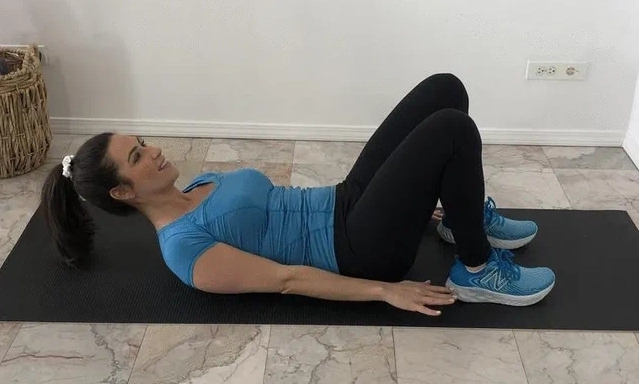
Your 4-Week Action Plan for a Flatter Midsection
Here’s a realistic, integrated plan. This isn't a brutal bootcamp; it's about building sustainable habits.
Weeks 1 & 2: Foundation & Awareness
Pilates: 3 times per week (20-30 min sessions). Focus on the basic five exercises above. Use online resources from certified instructors or take a beginner class. The Pilates Method Alliance is a good place to find qualified instructors.
Cardio: 2 times per week (30 min of brisk walking or cycling).
Nutrition: No drastic diets. Add one extra serving of vegetables to your lunch and dinner. Drink a glass of water before each meal. The goal is hydration and fiber to support digestion and reduce bloating.
Weeks 3 & 4: Integration & Progression
Pilates: 3-4 times per week. Add one new exercise per week (like Single Leg Stretch, Swimming). Try a longer (45 min) session once a week.
Cardio: 2-3 times per week. Introduce intervals (e.g., 1 min fast walk/jog, 2 min recovery walk).
Nutrition: Focus on protein intake at breakfast and lunch (eggs, Greek yogurt, lean meat). Protein increases satiety and supports the muscle you're building. Be mindful of hidden sugars in sauces and drinks.
Patience is a Muscle: You likely won't see dramatic visual changes on the scale or in the mirror in 4 weeks. What you will feel is profound: better posture, less lower back ache, your clothes fitting differently around the waist, and a newfound sense of control when you move. These are the real wins that lead to lasting physical change.
Common Mistakes That Sabotage Your Pilates Belly Results
I see these every single week in group classes.
Mistake 1: Holding Your Breath. Pilates is about coordinated breath with movement. Holding your breath increases intra-abdominal pressure and can cause bulging. Exhale deeply during the exertion phase of an exercise (e.g., exhale as you roll up).
Mistake 2: Over-Relying on Hip Flexors. In exercises like Leg Lifts, if you feel a deep pinch in the front of your hips or your back arches, your hip flexors are taking over. The work should be a deep, low burn in your lower abdominals. Lower your legs only as far as you can while keeping your back flat on the mat.
Mistake 3: Neglecting the Back Body. A strong back is essential for a flat front. Exercises like Swimming and Swan Dive prep strengthen the posterior chain, which pulls your shoulders back and opens your chest, automatically improving your abdominal presentation.
Mistake 4: Expecting Mat Work Alone to Transform Everything. The Pilates apparatus (Reformer, Cadillac) offers resistance and support that can accelerate core development in ways the mat can't. If you have access to a studio, even a few sessions can revolutionize your understanding of engagement.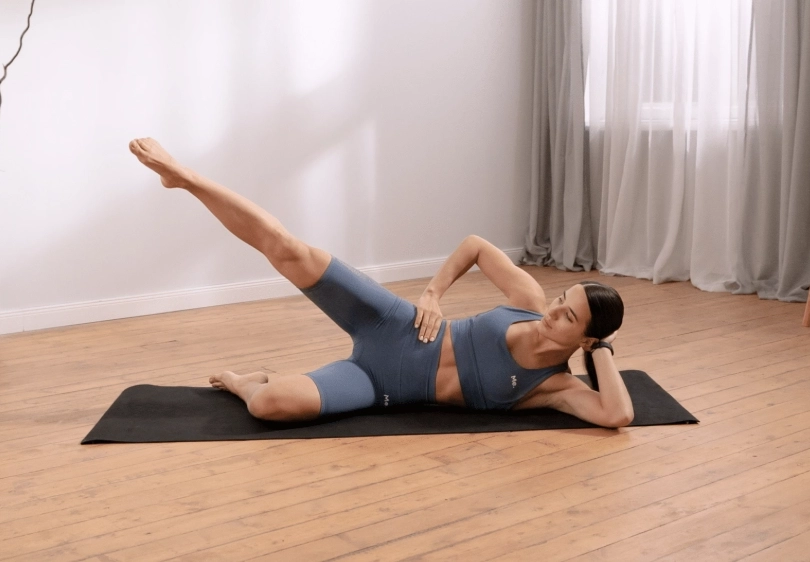


Leave a comment