Let's cut to the chase. You're here because something feels off. Maybe it's the relentless fatigue that coffee can't touch, the stubborn weight clinging to your midsection, the mood swings that feel like a rollercoaster you never bought a ticket for, or sleep that just won't come. You've probably typed "how to fix my hormonal balance" into Google more than once, sifting through vague advice and miracle cures. I get it. I spent years there too, feeling like my own body was working against me.
Fixing hormonal balance isn't about a single magic pill. It's a systems check. Think of your endocrine system as a complex, finely-tuned orchestra. When one instrument (hormone) is out of tune, the whole symphony sounds wrong. The good news? You are the conductor, and you have more control over the music than you think. This guide is your practical, science-backed sheet music.
What’s Inside This Guide
First, Spot the Signs: Are Your Hormones Out of Whack?
Before we talk fixes, let's confirm the problem. Hormones like cortisol, insulin, estrogen, progesterone, testosterone, and thyroid hormones govern everything from energy to metabolism to mood. An imbalance often shows up in patterns, not just one symptom.
A common mistake: People blame a single hormone (usually "estrogen dominance" or "low thyroid") without seeing the interconnected picture. High cortisol from chronic stress can disrupt thyroid function and sex hormones. Poor blood sugar control (insulin) directly fuels inflammation and can worsen PCOS symptoms. You have to look upstream.
Here’s a quick checklist. If you're nodding along to several in a category, it's a strong signal:
- Energy & Sleep: Constant fatigue, needing caffeine to function, trouble falling or staying asleep, waking up tired.
- Weight & Metabolism: Weight gain (especially around the belly), intense sugar/carb cravings, feeling "hangry," difficulty losing weight despite effort.
- Mood & Mind: Anxiety, irritability, depression, brain fog, poor memory, low libido.
- Physical Symptoms: Irregular or heavy periods, PMS, acne, hair loss, dry skin, digestive issues (bloating, constipation).
How to Fix Hormonal Imbalance Through Diet
Food is information, not just calories. Every meal sends instructions to your hormones. The goal isn't a restrictive diet, but strategic nourishment to stabilize blood sugar, reduce inflammation, and provide building blocks for hormone production.
Priority #1: Stabilize Your Blood Sugar
This is the foundation. Insulin spikes and crashes wreak havoc on cortisol, sex hormones, and hunger signals. Forget strict keto or fasting if you're starting out stressed and tired—it can backfire.
What to do: Pair carbohydrates with protein, fat, and fiber at every meal and snack. Instead of just toast, have toast with avocado and an egg. Instead of just fruit, have an apple with a handful of almonds. This slows digestion and prevents the insulin rollercoaster.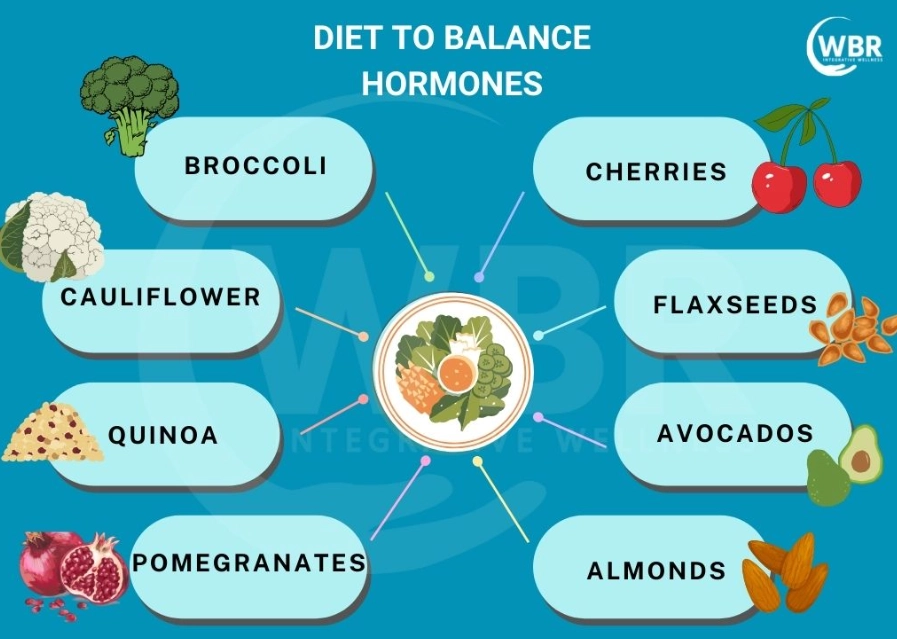
Priority #2: Focus on These Key Nutrients
Your body needs specific raw materials to make and regulate hormones.
| Nutrient | Why It Matters for Hormones | Best Food Sources |
|---|---|---|
| Magnesium | Crucial for cortisol regulation, sleep quality, and insulin sensitivity. Most people are deficient. | Spinach, pumpkin seeds, almonds, black beans, dark chocolate (85%). |
| Omega-3 Fats | Powerful anti-inflammatory; building blocks for hormones; supports brain health and mood. | Fatty fish (salmon, mackerel, sardines), flaxseeds, chia seeds, walnuts. |
| Zinc | Essential for thyroid function, immune health, and the production of key sex hormones. | Oysters, beef, pumpkin seeds, lentils, chickpeas. |
| Fiber | Feeds good gut bacteria, which help metabolize and eliminate excess hormones (like estrogen). | Vegetables, fruits, legumes, oats, flaxseeds. |
My personal game-changer was adding a daily serving of ground flaxseed to my yogurt. It's rich in fiber and lignans, which help modulate estrogen levels. Simple, cheap, effective.
The Non-Negotiable Lifestyle Levers: Sleep & Stress
You can eat perfectly, but if you're chronically stressed and sleep-deprived, you're pouring water into a bucket with a giant hole. This is where most people hit a wall.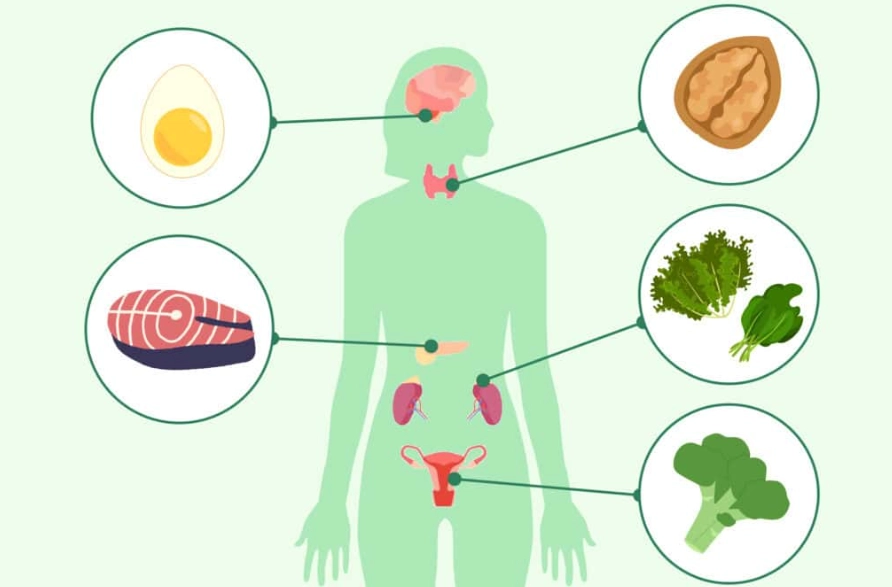
Sleep: Your Hormonal Reset Button
During deep sleep, your body repairs itself, regulates cortisol, and produces growth hormone (vital for metabolism). The National Sleep Foundation recommends 7-9 hours, but quality matters more than just duration.
The fix isn't complicated, just consistent: Dim lights 90 minutes before bed. Stop screens 60 minutes before. Keep your room cool and dark. Go to bed and wake up at roughly the same time, even on weekends. This regularity signals safety to your nervous system.
Stress Management: Taming the Cortisol Dragon
Chronic stress keeps cortisol elevated, which tells your body to store fat (especially belly fat), disrupts ovulation and thyroid function, and breaks down muscle. Telling someone to "just relax" is useless.
Find a physiological brake, not a mental one. This means activities that actively switch your nervous system from "fight-or-flight" (sympathetic) to "rest-and-digest" (parasympathetic).
- Diaphragmatic breathing: 5 minutes of slow, deep belly breaths. This isn't fluffy—it directly lowers cortisol.
- Walking in nature: No phone, no podcast. Just walking and observing.
- Vagus nerve stimulation: Humming, singing, gargling. Sounds weird, works.
I learned this the hard way. I was meditating but still checking emails right after. My body never got the "all clear" signal. Unplugging completely for short bursts was far more effective.
Movement Matters, But Not How You Think
If you're stressed and fatigued, pounding yourself with hour-long high-intensity workouts can raise cortisol further, making things worse. Exercise is a stressor—a good one in the right dose.
The goal for hormone balance is to support metabolism without adding systemic stress.
Focus on this mix:
- Daily low-intensity movement: Walking, gentle cycling, stretching. This aids circulation and recovery without spiking cortisol.
- Strength training (2-3x/week): Builds muscle, which improves insulin sensitivity. Think bodyweight exercises, dumbbells, resistance bands.
- Shorter, intense bursts (sparingly): Maybe 1-2 short HIIT sessions per week, only if you're sleeping well and not feeling fried.
Listen to your body. If a workout leaves you exhausted for hours or disrupts your sleep, it was too much for your current hormonal state. Scale back.
Red Flag: If you've implemented consistent diet, sleep, and stress changes for 3-4 months and see no improvement in your symptoms, it's time to dig deeper with a professional. This is a key step many hesitate to take.
When to Get Professional Help
Lifestyle is powerful, but it's not a substitute for medical diagnosis and treatment when needed. A good doctor or endocrinologist can help connect the dots.
See a doctor if you experience: Extreme fatigue, rapid weight change, loss of menstrual period for several months, severe depression/anxiety, or symptoms that significantly disrupt your life.
Come prepared. Track your symptoms, sleep, and cycle for a month. Ask for specific tests, don't just accept a "normal" TSH for thyroid—request Free T3, Free T4, and thyroid antibodies for a fuller picture, as recommended by resources like the Mayo Clinic. For insulin resistance, ask for a fasting insulin test, not just glucose.
Your Hormone Balance Questions, Answered
 I eat healthy and exercise, but I'm still tired and can't lose weight. What's the missing piece?
The journey to fixing your hormonal balance is a return to listening to your body. It's about consistent, gentle nudges in the right direction—better food, deeper sleep, quieter moments, smarter movement—not drastic overhauls. Start with one thing. Master sleep. Then tackle blood sugar at breakfast. Build from there. Your hormones are listening.




Leave a comment