Let's talk about drinking. Not in a scary, finger-wagging way, but straight up. For years, the message around women and alcohol has been muddled. A glass of red wine is good for the heart, right? It's how we unwind, celebrate, and connect. I've been there—thinking that nightly pinot noir was a self-care ritual. But after digging into the research and talking to countless women in my wellness circles, the picture is far more complex, and honestly, a bit unsettling for our long-term health.
The conversation isn't about judgment; it's about information. Alcohol interacts with a woman's body in uniquely potent ways, influencing everything from hormone balance to cancer risk in a manner that's distinct from men. This isn't just about avoiding a hangover. It's about understanding the trade-offs we might be making without even realizing it.
What You'll Find in This Guide
How Does Alcohol Affect Women Differently Than Men?
This isn't a minor biological footnote. It's the core reason why the risks are amplified. Think of it like this: if you pour the same amount of dye into a smaller vase of water and a larger one, the color in the smaller vase will be more concentrated. That's a simplified version of what happens in our bodies.
We generally have a higher percentage of body fat and less body water than men. Since alcohol is water-soluble, it becomes more concentrated in our bloodstream. Then there's the enzyme alcohol dehydrogenase (ADH), which starts breaking down booze in the stomach. Women often produce less of this enzyme, so more alcohol sails right through to the small intestine and into the blood.
And hormones? They're not just along for the ride. Estrogen seems to slow down the metabolism of alcohol. Some women report feeling the effects more strongly during certain phases of their menstrual cycle, though the research here is still evolving. The bottom line is that one drink for a woman does not equal one drink for a man in terms of biological impact.
| Factor | Impact on Women | Practical Consequence |
|---|---|---|
| Body Composition | Higher body fat, lower body water | Higher Blood Alcohol Concentration (BAC) from the same intake |
| Stomach Enzyme (ADH) | Lower levels on average | More alcohol absorbed unmetabolized |
| Hormonal Influence | Estrogen may slow metabolism | Effects can feel stronger; variability across cycle |
The Specific Health Risks for Women: Beyond the Liver
Everyone knows heavy drinking hurts the liver. But for women, the risks start lower and branch out in specific directions. The Centers for Disease Control and Prevention (CDC) and the National Institute on Alcohol Abuse and Alcoholism (NIAAA) have compiled decades of data showing these patterns.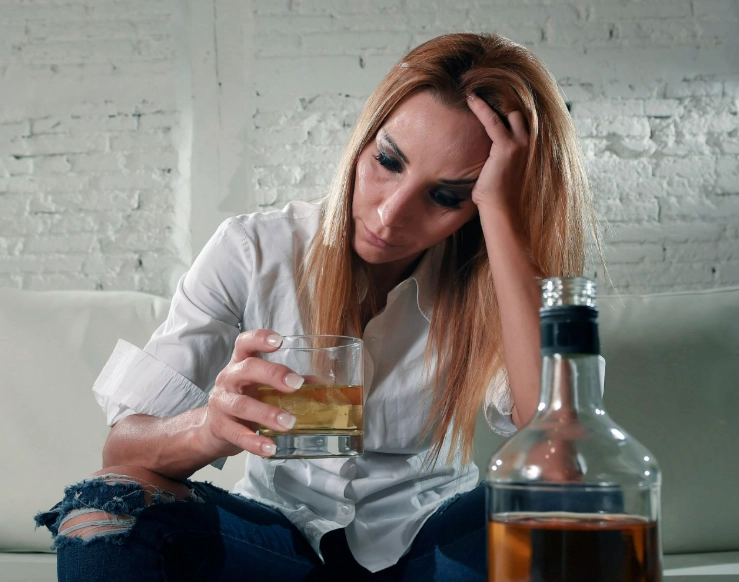
Breast Cancer is the big one that often gets whispered but not shouted. The link is established. Alcohol is metabolized into acetaldehyde, a known carcinogen, and it can increase estrogen levels. A major analysis published in the Journal of the National Cancer Institute found that each additional 10 grams of alcohol (about one drink) consumed per day was associated with a 7-12% increase in breast cancer risk. It's a dose-dependent relationship. This doesn't mean a few drinks cause cancer, but it adds a tangible weight to the decision.
Heart Health is where the "red wine myth" needs confronting. Early studies suggesting benefits were largely observational and focused on middle-aged men. For women, particularly younger women, the story is different. Alcohol can raise blood pressure and triglycerides. While very moderate intake might offer a slight benefit for heart disease in some postmenopausal women (a point often overplayed), it simultaneously raises the risk for other issues like stroke and breast cancer. It's a messy trade-off, not a clear health win.
Reproductive & Hormonal Health is a huge area. Alcohol can disrupt the menstrual cycle, making periods irregular or more painful. It can lower fertility by affecting hormone production and ovulation. During pregnancy, there is no known safe amount or safe time to drink—Fetal Alcohol Spectrum Disorders are a real and preventable risk. Even menopause can be trickier; alcohol can worsen hot flashes and interfere with sleep, which is already fragile for many women in this stage.
Then there's mental health. Women with alcohol use disorders are much more likely than men to also have anxiety or depression. It becomes a chicken-or-egg scenario: are we drinking to dampen anxiety, or is the drinking itself rewiring our brain chemistry to create more of it? In my experience, it's usually a feedback loop.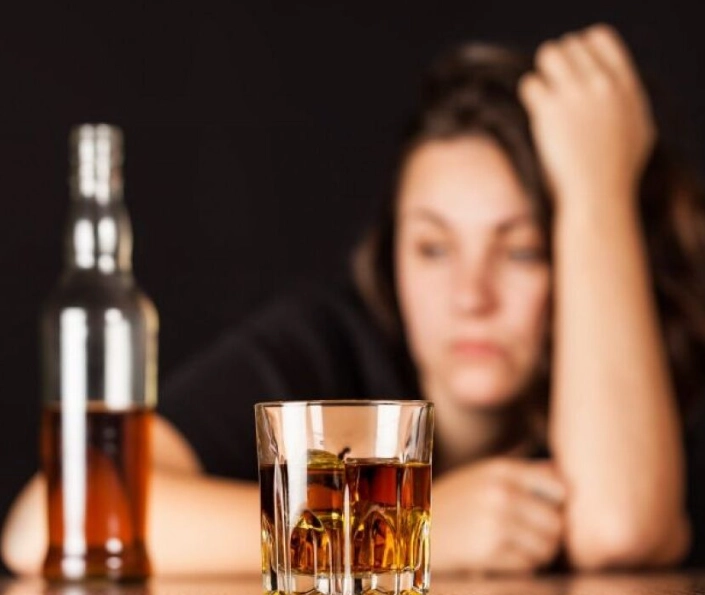
A subtle mistake I see: Women tracking "dry days" but then binge-drinking on the weekends. This pattern (sometimes called "weekend warrior" drinking) is particularly hard on the liver and does not offer the health reprieve you might think. The liver doesn't have a weekly quota; a large influx of alcohol in a short period is still highly stressful to the organ.
What Do "Safe" Drinking Guidelines Actually Mean for Women?
Official guidelines are a starting point, not a personal prescription. The U.S. Dietary Guidelines and the CDC are clear: if women choose to drink, it should be limited to 1 standard drink or less per day. Not 7 drinks on Saturday. One per day, max.
But what's a "standard drink"? This is where people get tripped up. That large pour of wine at a restaurant? Probably two standard drinks. The craft beer with 8% alcohol by volume (ABV)? That's likely 1.5 standard drinks. You have to do the math.
- Beer (5% ABV): 12 fluid ounces
- Wine (12% ABV): 5 fluid ounces (that's a small glass)
- Distilled Spirits (40% ABV): 1.5 fluid ounces (a single shot)
The World Health Organization (WHO) has taken an even stronger stance recently, stating that when it comes to cancer prevention, no level of alcohol consumption is safe. They frame it as a Class 1 carcinogen, in the same group as tobacco and asbestos. That's sobering.
So how do you use these guidelines? Treat them as a hard ceiling, not a target. If you're drinking most days, try spacing it out. Have a goal of several alcohol-free days each week. This gives your body, especially your liver, time to repair. Pay attention to why you're reaching for a drink. Is it thirst? Habit? Social ease? Stress? The "why" often tells you more than the "how much."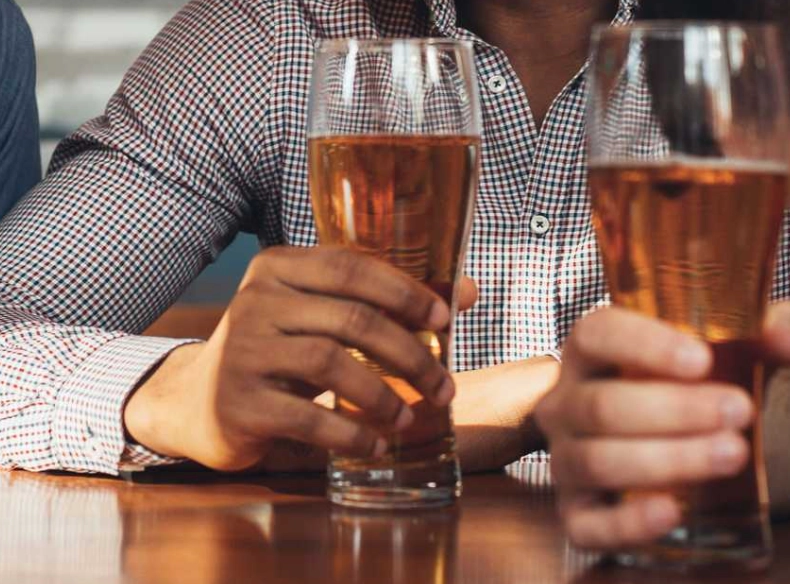
When Zero is the Right Number
There are clear times when the guideline is zero, no debate. If you are pregnant, trying to become pregnant, or could become pregnant. If you are on medications that interact with alcohol (and many do, including common pain relievers and antidepressants). If you have a personal or strong family history of breast cancer, liver disease, or mental health conditions. In these cases, the potential risk simply doesn't justify the temporary pleasure.
Navigating Social Pressure and Making Informed Choices
This is the hardest part. Alcohol is woven into our social fabric—book clubs, networking events, dates, "girls' nights." Opting out can feel awkward. I've found the key is to have a plan and a better drink in your hand.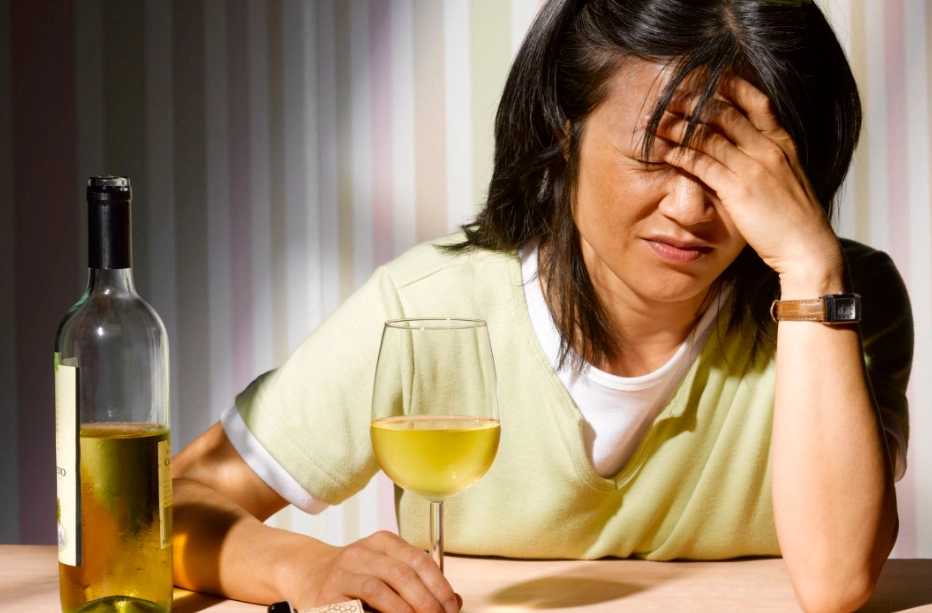
Order a sparkling water with lime in a wine glass. It looks like a cocktail, and you avoid the "why aren't you drinking?" conversation. If you do choose to drink, make it count. Skip the cheap, sugary cocktail you don't really love and have one small glass of something you truly enjoy, sipping it slowly. The goal is to participate in the ritual, not just the intoxication.
The "Sober Curious" movement has been a game-changer here. It's not about lifelong abstinence, but about questioning the default role of alcohol in your life. Try a month off, like Dry January or Sober October. It's a reset button that lets you observe how your sleep, energy, skin, and mood change. You might be surprised. I was. My anxiety levels, which I thought I was managing, noticeably dropped after three weeks.
My personal strategy: I now default to "no, thanks" at work events or large parties. I save a glass of wine for a quiet, meaningful dinner with a close friend where the drink is an accompaniment to the conversation, not the focus. This shift has made drinking a conscious choice rather than a reflex, and honestly, I enjoy it more.
It's about reclaiming agency. Your health data is yours. You get to weigh the pleasure of a drink against the potential risks, which are very real for women. There's no universal right answer, but there can be a more informed, more intentional choice.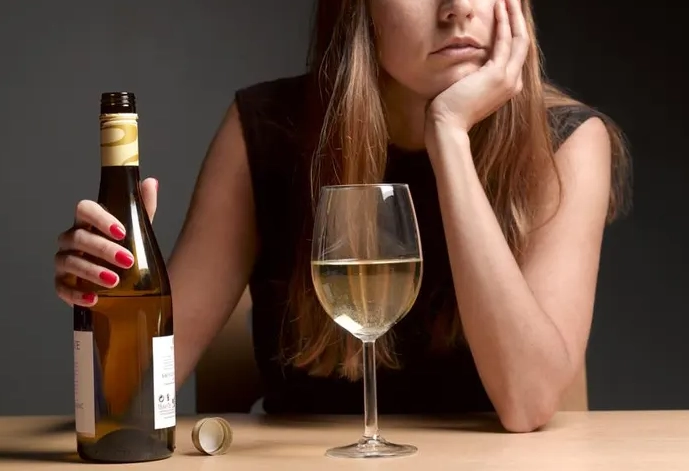
Your Questions, Answered Honestly
The final word isn't about fear. It's about clarity. For women, the equation with alcohol is different. The costs are higher and show up in unique ways. By understanding the specific mechanics—the why behind the risks—you can move past vague anxiety and into empowered decision-making. Sometimes that means a mindful glass of something wonderful. Sometimes it means a sparkling water with friends, feeling clear-headed and proud. Both choices, when made with your eyes open, are valid.

Leave a comment