Let's cut to the chase. Yes, you can get pregnant 3 days after your period, but it's not a simple yes or no. It depends on your cycle, ovulation, and a bunch of factors most people don't talk about. I've worked as a reproductive health educator for over a decade, and I've seen too many women confused by this exact question. They follow generic advice and end up with surprises. So, here's a no-nonsense guide to help you understand your body better.
What You'll Find in This Guide
Understanding Your Menstrual Cycle: It's Not Just a Calendar
Most of us learn the basics in school: 28-day cycle, ovulation on day 14. But bodies aren't textbooks. A menstrual cycle is the time from the first day of your period to the day before your next period. It's split into phases: menstruation, follicular phase (before ovulation), ovulation, and luteal phase (after ovulation).
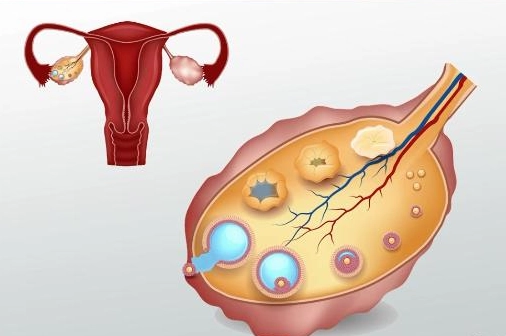
Ovulation is when an egg is released from the ovary. That egg lives for about 12-24 hours. Sperm, though, can hang out inside you for up to 5 days, waiting for an egg. That's why the fertile window isn't just one day—it's about 6 days total: the 5 days before ovulation and the day of ovulation itself.
Think of it like this. If you have a 28-day cycle, ovulation typically happens around day 14. Your period might last 5 days, so day 3 after your period ends could be cycle day 8 or 9 (depending on when you start counting). That's usually before the fertile window, but here's the catch: cycles vary. A lot.
Personal note: I once coached a woman with "regular" 30-day cycles who ovulated on day 10 consistently. She thought day 3 after her period was safe, but for her, it was prime fertility time. That's why assumptions can backfire.
How Ovulation Actually Works (Beyond the Basics)
Ovulation is triggered by a surge in luteinizing hormone (LH). Signs include changes in cervical mucus (becoming clear and stretchy, like egg whites), a slight rise in basal body temperature (BBT), and sometimes mild pain on one side of the lower abdomen. But many women don't notice these signs, or they misinterpret them.
For example, cervical mucus can be tricky. Some women have dry mucus after their period, then suddenly fertile mucus a few days later. If you only check on day 3 after your period, you might miss the shift.
Can You Get Pregnant 3 Days After Your Period? Breaking Down the Risk
Let's get specific. The risk depends on your cycle length and when you ovulate. Here's a table to illustrate different scenarios:
| Cycle Length | Typical Ovulation Day | Day 3 After Period (Approx. Cycle Day) | Pregnancy Risk Level |
|---|---|---|---|
| 21 days | Day 7 | Day 9-10 | High (within fertile window) |
| 28 days | Day 14 | Day 10-11 | Low to moderate (near fertile window) |
| 35 days | Day 21 | Day 10-11 | Low (far from ovulation) |
Note: "Day 3 after period" assumes a 5-day period. If your period is shorter or longer, adjust accordingly.
From my experience, women with shorter cycles (21-24 days) are at higher risk because ovulation happens earlier. Sperm survival means if you have sex on day 3 after your period, and you ovulate on day 10, sperm could still be around to fertilize the egg.
Factors that mess with ovulation timing:
- Stress: Big work deadlines or emotional events can delay ovulation.
- Illness: Even a common cold can shift your cycle.
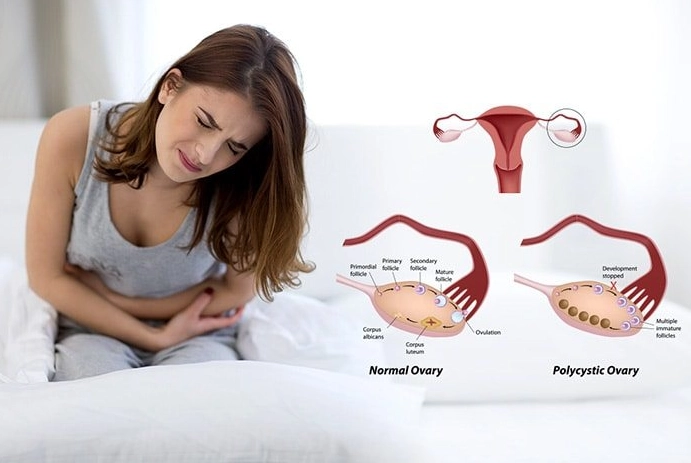
- Hormonal imbalances: Conditions like PCOS make cycles irregular.
- Age: Cycles can shorten or become less predictable as you approach perimenopause.
I recall a client, Sarah, who had a 26-day cycle. She always ovulated around day 12. For her, day 3 after her period was cycle day 8, which fell within her fertile window because sperm could survive until ovulation. She didn't realize this until she started tracking meticulously.
How to Calculate Your Safe Days Accurately
Don't just guess. If you're using the calendar method for contraception or planning, here's a step-by-step approach I recommend:
Step 1: Track your cycle for at least 3 months. Use a simple app or a journal. Note the first day of your period each month.
Step 2: Find your shortest and longest cycle lengths. For example, if your cycles are 28, 30, and 29 days, shortest is 28, longest is 30.
Step 3: Use the standard formula. Subtract 18 from your shortest cycle to find the first fertile day. Subtract 11 from your longest cycle to find the last fertile day. For a shortest cycle of 28 days: 28-18=10. For a longest cycle of 30 days: 30-11=19. So, days 10 to 19 of your cycle are potentially fertile. Day 3 after your period (cycle day ~10) might overlap.
Step 4: Cross-check with physical signs. Monitor cervical mucus daily. When it becomes wet and stretchy, you're likely fertile. Also, consider using ovulation predictor kits (OPKs) to detect the LH surge.
Many women skip step 4, relying only on dates. That's a mistake. Bodies aren't clocks.
Tools and Methods for Better Tracking
Besides apps, try these:
- Basal Body Temperature (BBT) tracking: Take your temperature every morning before getting out of bed. A sustained rise of about 0.5°F indicates ovulation has occurred. But it only confirms ovulation after the fact, so it's better for learning patterns.
- Cervical position checking: This is more advanced. Around ovulation, the cervix feels higher, softer, and more open. It takes practice to notice changes.
- Combination approach: Use OPKs to predict ovulation, BBT to confirm, and mucus as a backup. I've found this reduces errors.
A common pitfall: women assume ovulation happens exactly mid-cycle. In reality, the luteal phase (after ovulation) is more fixed at 12-16 days, while the follicular phase (before ovulation) varies. So if your luteal phase is 14 days, and you have a 25-day cycle, you'll ovulate around day 11.
Common Mistakes Women Make with Cycle Tracking
After years of counseling, I've seen these errors repeatedly:
Mistake 1: Assuming regularity without data. Just because your cycles seem regular doesn't mean they are. Track for a few months to confirm.
Mistake 2: Ignoring sperm survival. Even if you ovulate later, sperm can live for days. Having sex on day 3 after your period could lead to pregnancy if ovulation happens soon after.
Mistake 3: Relying on "average" cycle data. The average cycle is 28 days, but normal ranges from 21 to 35 days. Your body might not fit the average.
Mistake 4: Not considering cycle changes over time. Stress, travel, or changes in diet can shift ovulation. I've had clients who ovulated a week early after a stressful event, throwing off their safe day calculations.
Let me share a case. Jane, 32, used an app that predicted safe days based on her past cycles. She had sex on day 3 after her period, thinking it was safe. But that month, she ovulated on day 9 due to a new workout routine, and she got pregnant. She later told me she wished she'd known about tracking physical signs.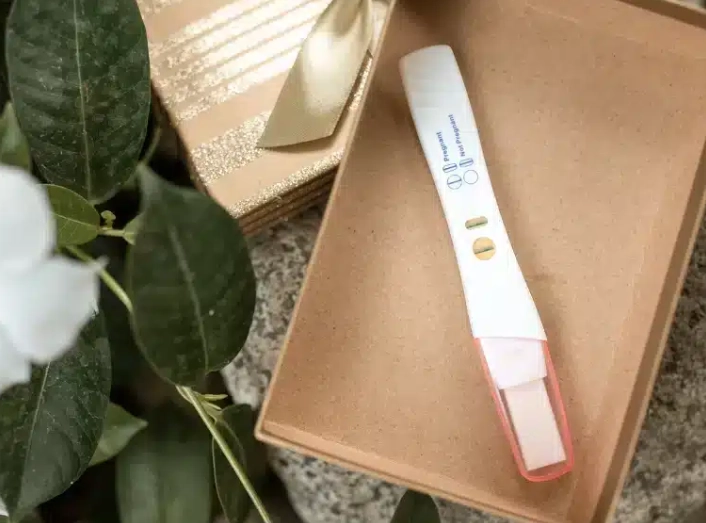
Your Burning Questions Answered
Wrapping up, the question "Can I get pregnant 3 days after my period?" doesn't have a one-size-fits-all answer. It hinges on your unique cycle. If you're trying to avoid pregnancy, use more reliable methods like hormonal contraceptives or barrier methods. If you're planning a pregnancy, focus on tracking ovulation closely. And always consult a healthcare provider for personalized advice—they can help you navigate the nuances.
Remember, your body is dynamic. What worked last month might not apply this month. Stay curious, track consistently, and don't let myths guide your decisions.

Leave a comment