Quick Navigation: Your Guide Inside
Let's cut to the chase. If you're here, you're probably noticing things—maybe hot flashes that hit out of nowhere, or mood swings that feel alien. I've been a women's health coach for over a decade, and the biggest mistake I see? Women brushing off symptoms as "just stress" until they pile up. Menopause isn't a single event; it's a transition with a wild range of signs. This list isn't just a checklist; it's a roadmap to understanding what's happening in your body and how to take control.
Understanding Menopause: Beyond the Basics
Menopause officially starts 12 months after your last period, but the ride begins years earlier with perimenopause. Think of it in three stages:
- Perimenopause: This can last 4-8 years. Hormones like estrogen rollercoaster, causing most symptoms. Periods get irregular—heavier, lighter, or MIA for months.
- Menopause: That 12-month mark post-last period. Average age is 51, but it varies wildly from 40s to late 50s.
- Postmenopause: The years after. Symptoms may ease, but health risks like osteoporosis rise.
Why does this matter? Spotting symptoms early in perimenopause lets you act sooner. I worked with a client, Sarah, 47, who blamed her fatigue on work. Turns out, her iron was low from heavy periods—a common perimenopause twist. Addressing it early changed everything.
The Full Menopause Symptoms List (Categorized)
Most lists just throw terms at you. Here, I've grouped symptoms by how they show up, based on clinical guidelines from sources like the North American Menopause Society and real patient stories. Keep a journal; track what hits you and when.
| Category | Symptoms | Why It Happens |
|---|---|---|
| Physical & Vasomotor | Hot flashes, night sweats, heart palpitations, headaches, joint pain, dry skin, hair thinning, weight gain (especially belly fat), urinary incontinence, vaginal dryness | Estrogen drops affect temperature regulation, collagen production, and metabolism. Hot flashes stem from hypothalamus confusion. |
| Emotional & Mental | Mood swings, irritability, anxiety, depression, brain fog (memory lapses, poor concentration), sleep disturbances, low libido | Hormonal shifts impact neurotransmitters like serotonin. Sleep loss from night sweats worsens mood—a vicious cycle. |
| Long-Term & Often Overlooked | Bone density loss (osteoporosis risk), increased cholesterol, vision changes, tingling extremities, gum issues, altered body odor | Estrogen protects bones and heart; its decline raises long-term risks. These creep in silently postmenopause. |
Personal note: The symptom that surprised me most? 'Formication'—a crawling skin sensation. Rare, but clients mention it. It's linked to nerve changes. If you feel it, you're not imagining things.
Hot flashes get all the press, but joint pain is a stealth culprit. One study in the journal Menopause found nearly 50% of women report achy joints. It's often misdiagnosed as arthritis. The fix? Low-impact exercise like swimming—it lubricates joints and boosts mood.
Why Symptoms Vary So Much
Genetics play a role, but lifestyle is huge. Smokers tend to hit menopause earlier with worse flashes. Diet matters too: high sugar intake can spike inflammation, amplifying symptoms. I've seen women reduce hot flashes by 30% just cutting processed carbs.
How to Manage Symptoms: Real-World Strategies
Forget generic advice like "exercise more." Here's what works, broken down.
Lifestyle Changes That Actually Stick
- For hot flashes: Layer clothing. Cotton is your friend. Avoid triggers—spicy food, caffeine, alcohol—especially in the evening. A bedside fan is non-negotiable. Some women swear by paced breathing: 6 breaths per minute when a flash starts.
- For sleep: Cool your bedroom to 65°F (18°C). Use moisture-wicking sheets. If night sweats wake you, don't lie there frustrated; get up, sip cool water, read for 10 minutes. It resets your brain.
- For mood swings: Regular exercise, even 20-minute walks, releases endorphins. Mindfulness apps? Overhyped. Try simple grounding: name 5 things you see when anxiety hits. It works.
When to Consider Medical Help
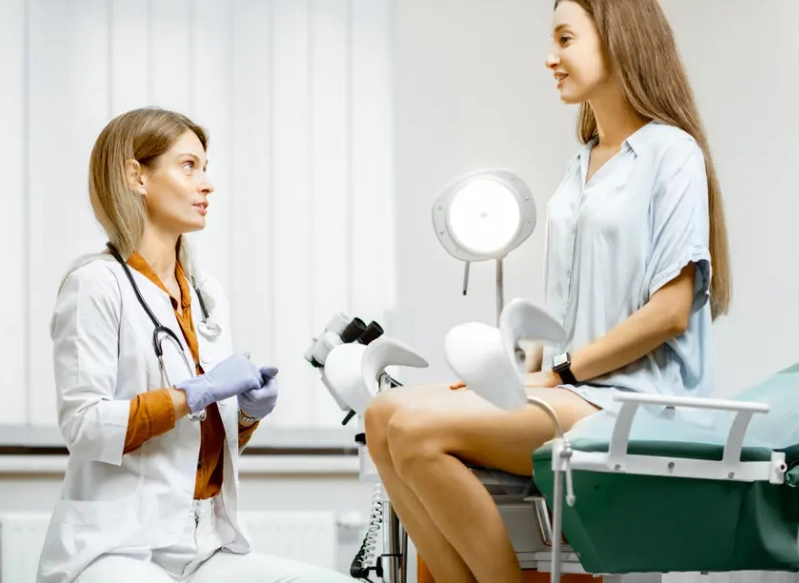
If symptoms wreck your quality of life—think missing work due to fatigue or relationships straining—see a menopause specialist. Options:
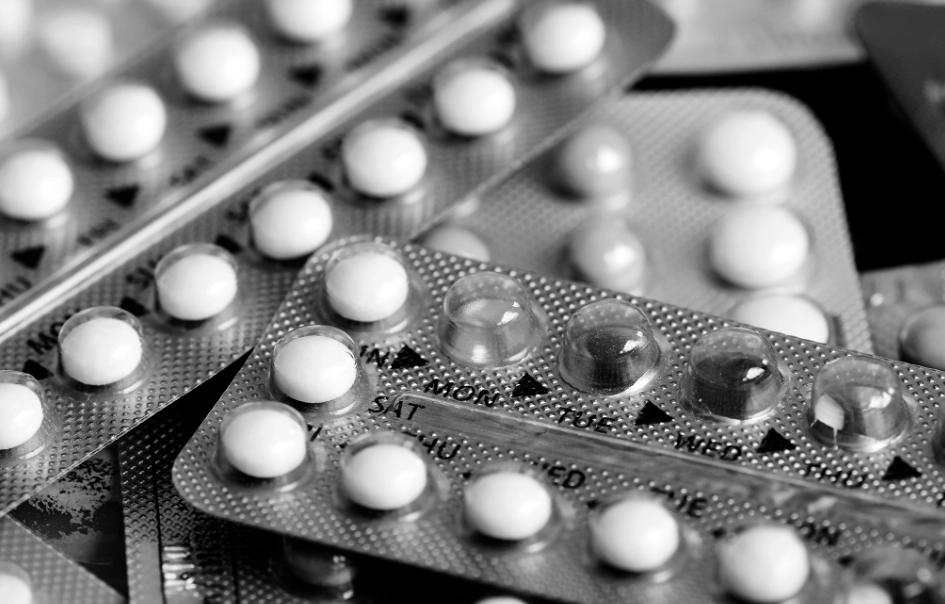
- Hormone therapy (HT): Low-dose estrogen patches or gels have lower risks than pills. Best started within 10 years of menopause onset.
- Non-hormonal meds: SSRIs like paroxetine can ease flashes and mood. Gabapentin helps night sweats.
- Vaginal estrogen: For dryness, local creams are safe and effective long-term.
I advise against jumping on supplement trends without testing. Black cohosh might help some, but it can interact with meds. Get your vitamin D and B12 levels checked first—deficiencies mimic menopause symptoms.
Common Myths Debunked
Myth 1: "Menopause means you'll gain 20 pounds." Not true. Metabolism slows, but weight gain often comes from lifestyle shifts—less activity, more stress eating. Focus on protein and strength training to preserve muscle.
Myth 2: "Symptoms last forever." Most peak during perimenopause and ease postmenopause. But some, like vaginal dryness, may persist without treatment.
Myth 3: "It's all in your head." Absolutely not. Research from the National Institutes of Health shows brain changes during menopause affect memory and emotion. It's biological.
Your Top Questions Answered
Menopause isn't an end—it's a change. With this list, you're equipped to navigate it. Start tracking symptoms today, and don't hesitate to seek help. Your body's talking; listen to it.

Leave a comment