You wake up tired, even after eight hours. Your jeans feel tighter for no clear reason. Your mood swings like a pendulum, and you can't shake the feeling that something just isn't right. You tell yourself it's stress, age, or just a phase. But deep down, you suspect there's a deeper, systemic issue at play.
You're probably right. These vague, frustrating symptoms are often your body's way of signaling a hormonal imbalance. Hormones are your body's chemical messengers, and when they're off—even slightly—your entire system feels the ripple effects. The tricky part? The signs are rarely dramatic. They're subtle, persistent, and easily dismissed.
Let's cut through the noise. Based on clinical patterns and patient stories I've seen over the years, here are the 11 most common signs your hormones are out of whack. More importantly, we'll look at what each sign might actually mean and where to focus your energy.
Your Quick Guide to the 11 Signs
- 1. Fatigue That Sleep Can't Fix
- 2. Unexplained Weight Gain or Stubborn Belly Fat
- 3. Mood Swings, Anxiety, or Irritability
- 4. Sleep Troubles (Falling Asleep or Staying Asleep)
- 5. Skin Changes: Acne, Dryness, or Rashes
- 6. Hair Loss or Thinning
- 7. Digestive Issues (Bloating, Constipation, etc.)
- 8. Brain Fog and Memory Lapses
- 9. Low Libido
- 10. Food Cravings (Especially Sugar and Carbs)
- 11. Temperature Dysregulation (Always Hot or Cold)
1. Fatigue That Sleep Can't Fix
This isn't normal tiredness. It's a deep, cellular exhaustion where you drag yourself through the day, caffeine has little effect, and a full night's sleep leaves you just as drained. You might hit a wall at 3 PM every single day.
Hormones likely involved: Cortisol (your stress hormone), thyroid hormones (T3, T4), and sometimes sex hormones like progesterone.
Most people blame their thyroid first, and that's valid. But a mistake I see often is overlooking adrenal fatigue or HPA axis dysfunction. Your adrenals pump out cortisol. Chronic stress—from work, diet, poor sleep, or inflammation—can exhaust them, leading to a flatlined cortisol rhythm. You have no energy in the morning and can't wind down at night. A standard thyroid panel might come back "normal," leaving you frustrated. A more comprehensive look, including cortisol testing through saliva over a day, can be revealing.
2. Unexplained Weight Gain or Stubborn Belly Fat
You're not eating more, you might even be exercising, but the scale keeps creeping up. The weight often settles around your midsection—that "spare tire" that won't budge.
Hormones likely involved: Insulin, cortisol, estrogen, thyroid hormones.
This is a classic sign of insulin resistance. Your cells stop listening to insulin, so your body pumps out more, and high insulin tells your body to store fat, especially visceral fat. Cortisol excess from chronic stress directly promotes belly fat storage. An often-missed point for women: as estrogen declines during perimenopause, the body often becomes more sensitive to insulin's fat-storing effects, leading to that frustrating midlife weight shift.
3. Mood Swings, Anxiety, or Irritability
Feeling suddenly tearful, snapping at your partner, or having a low-grade anxiety that hums in the background. It feels emotional, but the root is often biochemical.
Hormones likely involved: Estrogen, progesterone, cortisol, thyroid.
Estrogen significantly influences serotonin (your "feel-good" neurotransmitter). When estrogen drops (like before your period or during perimenopause), serotonin can dip, leading to mood crashes and anxiety. High cortisol keeps you in a constant "fight-or-flight" state, making you irritable and on edge. What's rarely said? Even subtle, subclinical thyroid issues can manifest as anxiety or depression long before they show up as major weight changes.
4. Sleep Troubles (Falling Asleep or Staying Asleep)
You lie in bed with a racing mind, or you wake up at 2 AM and stare at the ceiling for hours. Restorative sleep feels like a distant memory.
Hormones likely involved: Cortisol, melatonin, progesterone.
Cortisol should be high in the morning and low at night. If it's high at night (from chronic stress), it directly opposes melatonin, the sleep hormone. For women, progesterone has a natural calming, sedative effect. Low progesterone (common in the second half of the cycle or during perimenopause) can make it incredibly hard to fall and stay asleep. Relying on sleep aids without checking these rhythms is just masking the problem.
5. Skin Changes: Acne, Dryness, or Rashes
Adult acne along the jawline and chin. Skin that's suddenly Sahara-dry or itchy. New rashes or eczema flares. Your skin is a direct reflection of your internal hormone environment.
Hormones likely involved: Androgens (like testosterone), estrogen, thyroid.
Jawline acne in women is a classic sign of androgen excess (like in PCOS). These hormones increase skin oil production. Conversely, low estrogen can thin the skin and reduce its ability to retain moisture, leading to dryness and wrinkles. Thyroid imbalance can cause dry, flaky skin and even puffiness. Treating the skin topically without addressing the internal driver is a losing battle.
6. Hair Loss or Thinning
Finding more hair in the shower drain or on your brush. Your ponytail feels thinner, or you notice widening parts. For men, it might be a receding hairline; for women, it's often diffuse thinning all over.
Hormones likely involved: Thyroid hormones (T3, T4), androgens, estrogen, cortisol.
Hair loss is one of the most distressing signs. Thyroid hormones are critical for hair follicle regeneration. Both an underactive and overactive thyroid can cause shedding. High androgens can miniaturize hair follicles (pattern hair loss). Postpartum or perimenopausal hair loss is often due to the sharp drop in estrogen, which prolongs the hair's growth phase. When estrogen falls, more hairs enter the shedding phase at once. High stress (cortisol) can trigger a condition called Telogen Effluvium, causing massive shedding 3-6 months after a stressful event.
7. Digestive Issues (Bloating, Constipation, etc.)
Constant bloating that makes you uncomfortable, irregular bowel movements, or new food sensitivities. Your gut and hormones are in constant conversation.
Hormones likely involved: Cortisol, thyroid, estrogen.
High cortisol diverts energy away from digestion—it's a non-essential function in "fight-or-flight" mode. This can slow gut motility, leading to bloating and constipation. Thyroid hormones directly control the speed of your digestive tract. Low thyroid = slow digestion. Estrogen dominance can increase bile production and affect gallbladder function, contributing to bloating after fatty meals. An unhealthy gut microbiome can also disrupt estrogen metabolism, creating a vicious cycle.
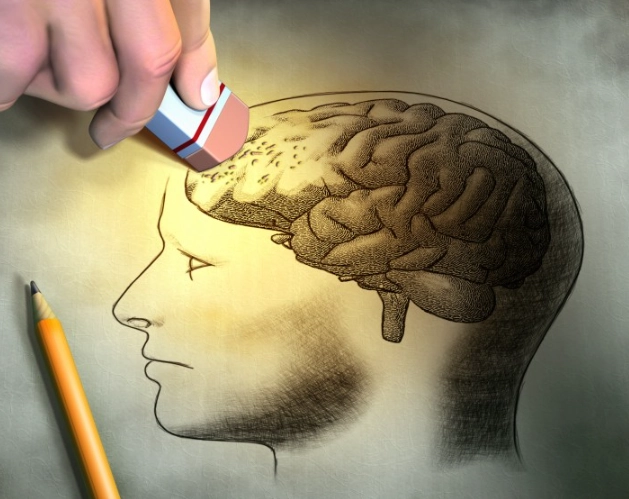
8. Brain Fog and Memory Lapses
You walk into a room and forget why. You struggle to concentrate at work. Words escape you. It feels like your brain is wrapped in cotton wool.
Hormones likely involved: Cortisol, thyroid, estrogen, insulin.
Your brain is packed with hormone receptors. Chronically high cortisol can damage the hippocampus, a brain region critical for memory. Thyroid hormones are like fuel for brain cells; low levels lead to slow cognitive processing. Estrogen supports neurotransmitter function and brain connectivity; its decline is strongly linked to brain fog. Insulin resistance in the brain (sometimes called "type 3 diabetes") impairs its ability to use glucose for energy. This isn't just "getting older"; it's a sign of biochemical imbalance.
9. Low Libido
A lack of interest in sex that's more than just being tired. The desire is simply gone. This can strain relationships and affect self-esteem.
Hormones likely involved: Testosterone (in both men and women), estrogen, progesterone, cortisol, thyroid.
It's a complex interplay. Testosterone drives desire. Cortisol is its arch-nemesis—they're made from the same precursor (pregnenolone). Under chronic stress, your body "steals" resources to make more cortisol at the expense of sex hormones, a phenomenon called pregnenolone steal. Low thyroid zaps overall energy, including sexual energy. For women, painful sex from vaginal dryness (low estrogen) can understandably kill desire. It's rarely just one thing.
10. Food Cravings (Especially Sugar and Carbs)
Intense, can't-think-of-anything-else cravings for chocolate, bread, or chips, often in the afternoon or evening. Willpower seems useless against them.
Hormones likely involved: Insulin, cortisol, serotonin (influenced by estrogen).
This is your body screaming for quick energy. If you're insulin resistant, your cells are starving for glucose, so your brain demands sugar. Cortisol spikes can cause cravings for high-fat, high-sugar "comfort foods." Low serotonin (linked to low estrogen) triggers cravings for carbs, which temporarily boost serotonin production. Craving salt can sometimes point to adrenal fatigue, as the adrenals help regulate electrolytes.
11. Temperature Dysregulation (Always Hot or Cold)
You're the person wearing a sweater in summer while others are in tank tops. Or you're hit with sudden, intense heat flashes (not just in menopause). You just can't regulate your body temperature.
Hormones likely involved: Thyroid, estrogen, cortisol.
The thyroid is your body's thermostat. An underactive thyroid (hypothyroidism) makes you constantly cold, especially in the hands and feet. Fluctuating estrogen affects the hypothalamus (the brain's temperature control center), leading to hot flashes and night sweats. High cortisol can also disrupt temperature regulation. Feeling cold all the time is one of the most common, yet overlooked, signs of a sluggish thyroid.
Putting It All Together: A Symptom-Hormone Map
To see the connections clearly, here's a quick-reference table. Remember, one symptom can have multiple hormonal causes.
| Sign/Symptom | Primary Hormones to Consider | Common Underlying Pattern |
|---|---|---|
| Persistent Fatigue | Cortisol, Thyroid (T3/T4) | Adrenal Fatigue, Hypothyroidism |
| Belly Fat Gain | Insulin, Cortisol | Insulin Resistance, Chronic Stress |
| Mood Swings & Anxiety | Estrogen, Progesterone, Cortisol | Estrogen Dominance/Decline, HPA Axis Dysfunction |
| Sleep Disruption | Cortisol, Progesterone, Melatonin | Reversed Cortisol Rhythm, Low Progesterone |
| Adult Acne / Dry Skin | Androgens, Estrogen, Thyroid | PCOS (androgen excess), Estrogen Decline |
| Hair Thinning/Loss | Thyroid, Androgens, Estrogen, Cortisol | Thyroid Imbalance, Telogen Effluvium (stress) |
| Brain Fog | Thyroid, Cortisol, Estrogen, Insulin | Hypothyroidism, "Pregnenolone Steal", Insulin Resistance |
What To Do Next: Practical First Steps
Feeling overwhelmed is normal. Don't try to fix everything at once. Start here:
Track Your Symptoms
For two weeks, jot down your energy levels, mood, sleep, cravings, and any symptoms. Note the time of day and where you are in your menstrual cycle (if applicable). Patterns will emerge. This data is gold for you or a healthcare provider.
Prioritize Foundational Habits
Before expensive tests or supplements, master the basics. They're powerful hormone regulators.
- Sleep: Aim for 7-9 hours. Create a dark, cool, tech-free sleep cave. A consistent bedtime is more important than you think.
- Stress Management: Not elimination—management. 10 minutes of deep breathing, a walk in nature, or journaling can lower cortisol more effectively than most people realize.
- Nutrition: Focus on balancing your blood sugar. Eat protein, healthy fats, and fiber at every meal. Ditch the sugary drinks and processed snacks. This single step improves insulin, cortisol, and energy.
- Movement: Not grueling workouts. Regular, gentle movement like walking, yoga, or strength training reduces inflammation and improves insulin sensitivity.
Consider Professional Guidance
If foundational changes don't shift the needle after 3 months, seek help. Look for a functional medicine doctor, a naturopathic doctor (ND), or an endocrinologist who listens. Be prepared with your symptom journal.
Testing: A standard doctor might run basic thyroid (TSH) and sex hormone tests. To get a fuller picture, you might discuss:
- Comprehensive Thyroid Panel: TSH, Free T3, Free T4, Reverse T3, thyroid antibodies.
- DUTCH Test or Salivary Cortisol: Maps your cortisol rhythm throughout the day.
- Sex Hormone Panel: Estrogen, progesterone, testosterone, often tested at specific times in the menstrual cycle.
- Fasting Insulin & Glucose: To assess insulin resistance, even before blood sugar rises.
Resources like the Endocrine Society or the Institute for Functional Medicine can help you find qualified practitioners.
Your Hormone Balance Questions Answered
 Are there specific foods I should absolutely avoid to help my hormones?
The journey to balancing your hormones starts with listening to your body's signals, not ignoring them. These 11 signs are your roadmap. You don't have to accept feeling "off" as your new normal. By understanding the connections, taking strategic action on the foundations of health, and seeking the right help when needed, you can reclaim your energy, mood, and vitality.




Leave a comment