Let's talk about the birth control patch. You've probably seen the ads – a small, square bandage-looking thing that promises freedom from daily pills. But is it really that simple? As someone who's talked countless women through their contraceptive options, I can tell you the patch is a fantastic choice for many, but it's not a one-size-fits-all solution. It works, it's convenient, but there are nuances to using it correctly that most brochures gloss over. This guide will cut through the marketing and give you the real-world, practical details you need to decide if the patch is your match.
Your Quick Patch Guide
How the Birth Control Patch Actually Works on Your Body
Forget the complex biology for a second. Think of the patch as a tiny, steady hormone delivery service stuck to your skin. The most common brand, Xulane (a generic for Ortho Evra), releases two synthetic hormones through your skin and into your bloodstream: norelgestromin (a progestin) and ethinyl estradiol (an estrogen).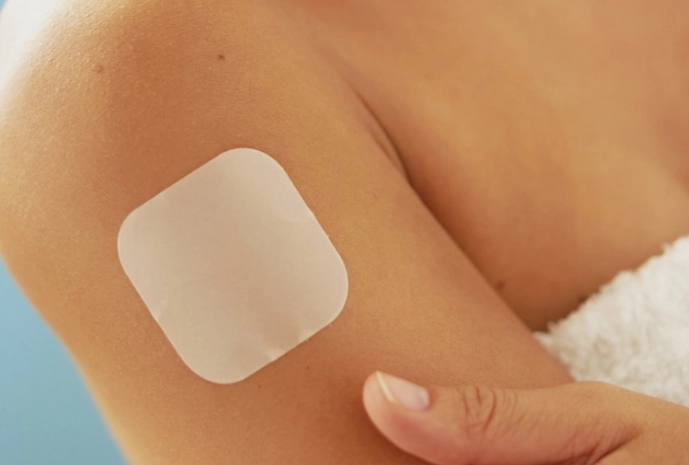
It's a transdermal system – "transdermal" just means "through the skin." This steady drip of hormones does three key things:
It stops ovulation. No egg is released from your ovary. No egg, no possibility of fertilization. This is its primary job.
It thickens cervical mucus. This makes it incredibly difficult for sperm to swim through the cervix and reach any egg (though, ideally, there isn't one).
It thins the uterine lining. This makes it less likely for a fertilized egg to implant, acting as a backup mechanism.
The "steady drip" part is crucial. Unlike the pill, where hormone levels spike and then fall daily, the patch maintains a more consistent level. Some women find this leads to fewer emotional side effects like mood swings compared to some daily pills. But that same consistency means the hormones are always there, which can influence side effects like headaches or breast tenderness differently for each person.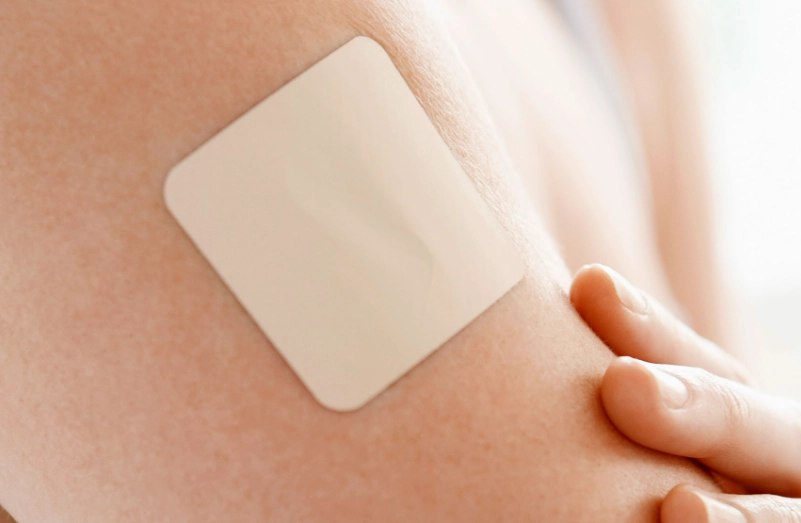
The Real Deal: Pros, Cons, and Who It's Best For
I always tell my clients to lay it out plainly. Here’s a no-nonsense breakdown.
| Advantages (The Good Stuff) | Disadvantages (Things to Consider) |
|---|---|
| Weekly, not daily. You change it once a week for three weeks, then have a patch-free week for your period. For anyone who's ever forgotten a pill, this is a huge win. | Visible. It's on your skin. Some people don't mind; others feel self-conscious, especially in swimwear or intimate situations. |
| Highly effective with perfect use. When used correctly, it's over 99% effective. That's on par with the pill and the vaginal ring. | Can cause skin irritation. About 20% of users get some redness or itching at the site. It usually goes away, but sometimes you need to switch spots. |
| Steady hormone levels. May reduce side effects associated with daily hormone peaks and troughs. | Not for everyone. You should NOT use it if you smoke and are over 35, have a history of blood clots, certain migraines, or uncontrolled high blood pressure. |
| Discreet under clothes. Once it's on, you generally can't feel it, and it's hidden under most clothing. | Can fall off. It's rare with modern adhesives, but it happens—about 2% of patches fall off partially or completely. You need a backup plan. |
| Control over your period. Like other combined hormonal methods, you can often skip your period by starting a new patch pack immediately. | Potential for higher estrogen exposure. Some studies, like those cited by the FDA, suggested the patch might expose users to about 60% more estrogen than a typical low-dose pill. While the clinical significance is debated, it's a factor for those at risk for estrogen-related side effects. |
So, who is it really best for? In my experience, it's a home run for:
The Forgetful Pill-Taker. This is the prime candidate. If your life is chaotic and a 9 PM alarm for a pill just doesn't stick, a weekly change is far more manageable.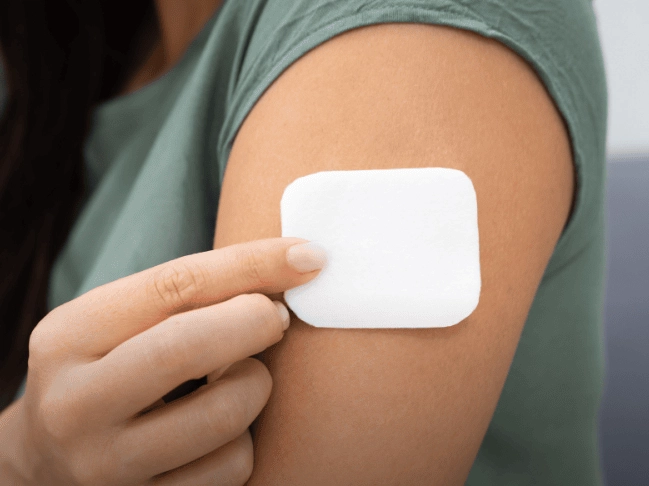
Those who dislike daily routines. Some people just want to "set it and forget it" for a week at a time.
People with busy gastrointestinal systems. Since the hormones bypass your gut, the patch's effectiveness isn't reduced by vomiting or diarrhea, a common concern with the pill.
I once worked with a nurse who worked rotating shifts. The pill was a disaster for her. The patch gave her the consistency her schedule lacked. She loved it.
How to Use the Patch Correctly (And What to Do When You Mess Up)
This is where most mistakes happen. Getting it right is simple, but there are pitfalls.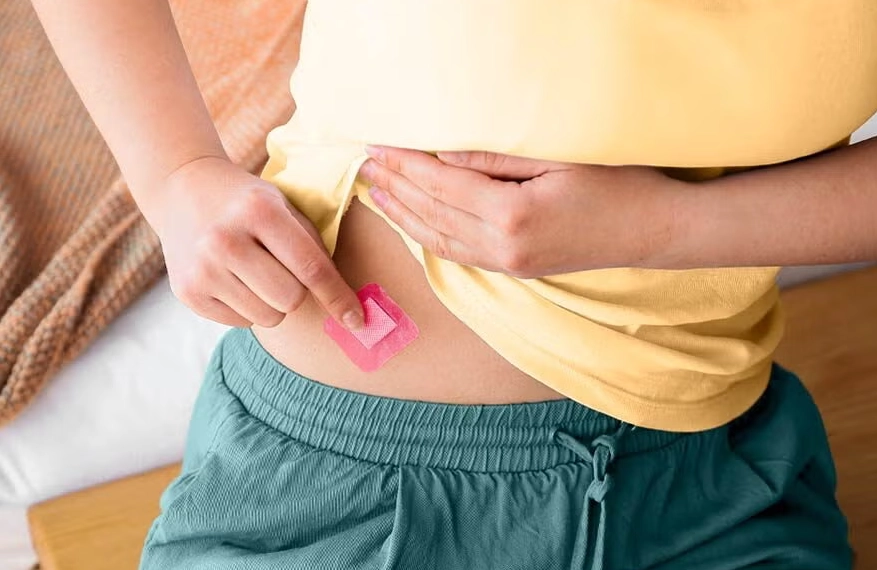
Where to Stick It
The official sites (like the Planned Parenthood guide) say: on clean, dry, healthy skin on your buttock, abdomen, upper outer arm, or back. Never on your breasts.
Here's the expert tip nobody tells you: Rotate sites, but not within the same week. Put a new patch on a different area from your last one to avoid irritation. But pick a spot and leave it alone. Don't try to re-stick a patch that's coming loose with a Band-Aid or tape—it messes with the drug delivery. If it's less than 24 hours, try to re-stick it. If it's been off longer, or won't stick, put on a new one and treat it as your new "Day 1." Use backup contraception for a week.
The Weekly Schedule
You wear one patch for 7 days (a "patch week"). You do this for three weeks in a row (so, three patches total). On the day you would apply the fourth patch, you don't. You go patch-free for 7 days. During this week, you'll get a withdrawal bleed, like a period. After those 7 patch-free days, you apply a new patch, starting the cycle over. Always apply your new patch on the same day of the week—your "Change Day." Mark your calendar.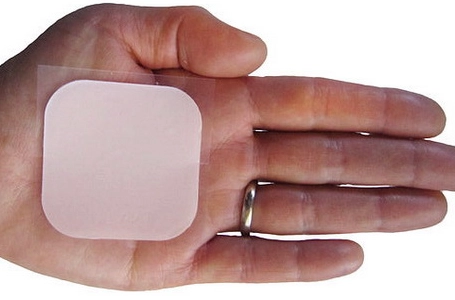
What If You Forget to Change It?
This is critical. The rules from the Centers for Disease Control and Prevention (CDC) are your bible here:
Forgot to change on your scheduled day? Put on a new patch as soon as you remember. Your new "Change Day" is now this day of the week. If you were patch-free for 1 or 2 days, you're still protected. No backup needed.
Patch-free for more than 2 days? You might have ovulated. Apply a new patch ASAP. That starts a new 4-week cycle. You must use backup contraception (like condoms) for the next 7 days. If you had unprotected sex in the previous 5 days, consider emergency contraception.
Effectiveness, Safety, and Long-Term Considerations
With perfect use, the patch is brilliant. But "typical use"—how people actually use it in real life—tells a different story. Typical use effectiveness is about 93%. That 7% gap is mostly due to late or missed changes.
Let's talk side effects honestly. Many are the same as other combined hormonal contraceptives: nausea, headaches, breast tenderness, mood changes. These often subside after 2-3 months.
The patch-specific ones are skin reactions and, for some, a feeling that the estrogen dose is a bit strong, leading to more bloating or breast tenderness initially.
The serious risks are the same as for the pill: an increased risk of blood clots, stroke, and heart attack. This risk is small for healthy, young, non-smoking women but rises significantly with smoking, age, and other conditions like obesity. This isn't scare-mongering; it's the necessary conversation you must have with your healthcare provider. They will check your blood pressure and take a full medical history.
One long-term consideration is cost and access. It's usually covered by insurance under the Affordable Care Act, but copays vary. A box for a one-month cycle (3 patches) can be comparable to a month of brand-name pills.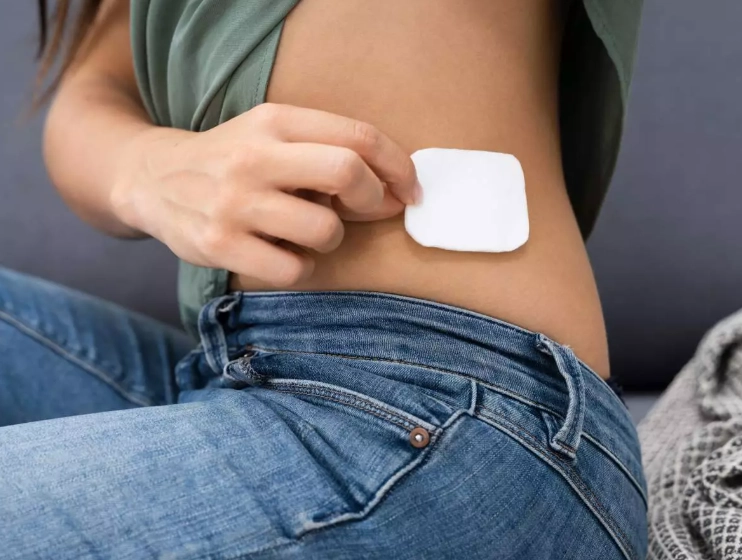




Leave a comment