Your Quick Start Guide
Starting yoga at home can feel overwhelming. I remember my first attempt—I rolled out an old beach towel, played a random YouTube video, and spent most of the time confused about my feet. It was a mess, but it sparked something. Now, after a decade of teaching and practicing, I've seen countless beginners thrive by skipping the common flubs. This guide is your roadmap to building a home yoga practice that sticks, without the guesswork.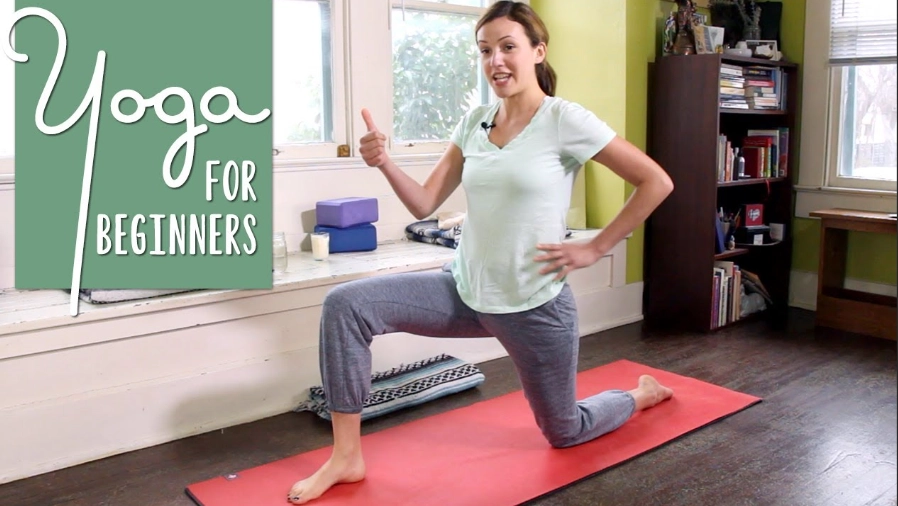
How to Start a Yoga Practice at Home
Let's cut to the chase. You don't need a fancy studio or expensive gear. The biggest hurdle is often just getting started. Here's what actually matters.
What You Really Need (Equipment)
Forget the marketing hype. Here's the bare-bones list:
- Yoga mat: A non-slip mat is key. I started with a $20 one from a local store—it worked fine. Thicker mats (6mm) are kinder on joints, but any mat with grip will do.
- Comfortable clothes: Wear something that lets you move. I've done yoga in pajamas; it's fine.
- Optional extras: Blocks (use thick books instead), strap (a belt or scarf), blanket. Don't buy these upfront. See if you need them after a few sessions.
I made the mistake of splurging on gear early on. It didn't make me better. Focus on consistency over equipment.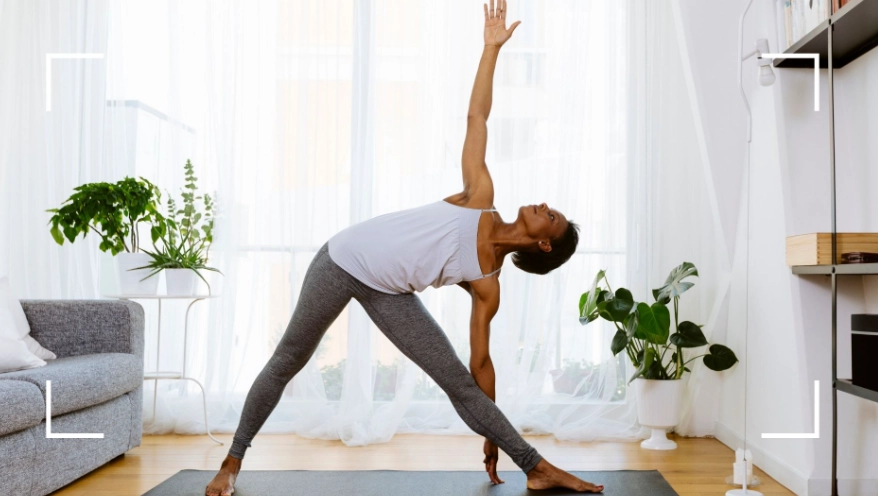
Setting Up Your Space
You need about a 6x6 foot area. Clear clutter—a tripping hazard is real. Good lighting helps, but natural light is best. I practice in my living room corner; it's not Instagram-perfect, but it's functional.
Noise? I live in a busy apartment. Sometimes I use headphones with calm music. Other times, I embrace the chaos. Your space doesn't have to be silent, just safe.
Choosing the Right Time
Morning vs. evening? It's personal. I prefer mornings—it sets a calm tone for the day. But if you're not a morning person, forcing it will backfire. Try 10-15 minutes after work instead. Consistency trumps timing.
A common pitfall: aiming for hour-long sessions from day one. Start with 10 minutes. Really. It's sustainable.
Essential Yoga Poses for Beginners
These five poses form a solid foundation. I'll break them down with steps most guides skip—like where your weight should be.
Mountain Pose (Tadasana)
It looks like just standing, but it's everything. Feet hip-width apart, press evenly through all four corners of your feet. Engage your thighs slightly. Shoulders relaxed, chin parallel to the floor. Breathe.
Newbies often lock their knees. Don't. Keep a micro-bend. Hold for 5 breaths.
Downward-Facing Dog (Adho Mukha Svanasana)
From hands and knees, tuck toes, lift hips up and back. Hands shoulder-width, feet hip-width. It's okay if your heels don't touch the ground—mine didn't for months.
The mistake: collapsing into the shoulders. Push the floor away with your hands, engage your core. It should feel like a stretch, not a strain.
Warrior I (Virabhadrasana I)
Step one foot back, turn it out 45 degrees. Bend your front knee to 90 degrees if possible. Arms reach up. Hips square forward—this is tough for beginners. It's fine if they're slightly open.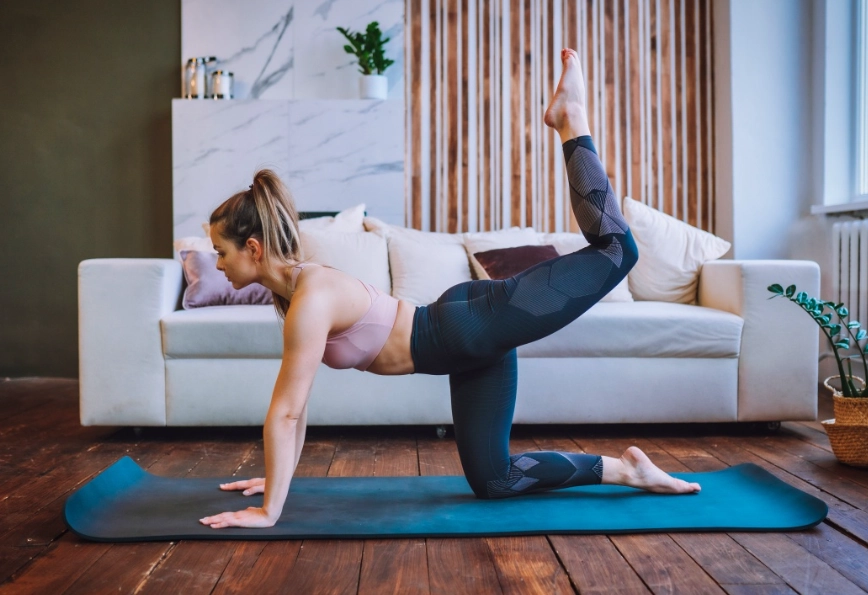
I see people leaning forward. Keep your torso upright. Hold for 3-5 breaths per side.
Child's Pose (Balasana)
Kneel, sit back on heels, fold forward, arms extended or resting. This is your rest pose. Use it anytime you feel overwhelmed.
If your forehead doesn't reach the mat, place a pillow under it. Comfort is key.
Corpse Pose (Savasana)
Lie on your back, arms at sides, palms up. Close your eyes. Relax completely. It's harder than it sounds. Stay for 2-5 minutes.
Don't skip this. It integrates the practice. I used to rush through it—big mistake.
Pro tip: Film yourself doing a pose on your phone. Watch it back. You'll spot alignment issues you can't feel. I did this early on and fixed my downward dog instantly.
Creating Your Home Yoga Routine
Random videos won't build a habit. You need a plan. Here's a sample weekly schedule—adjust based on your life.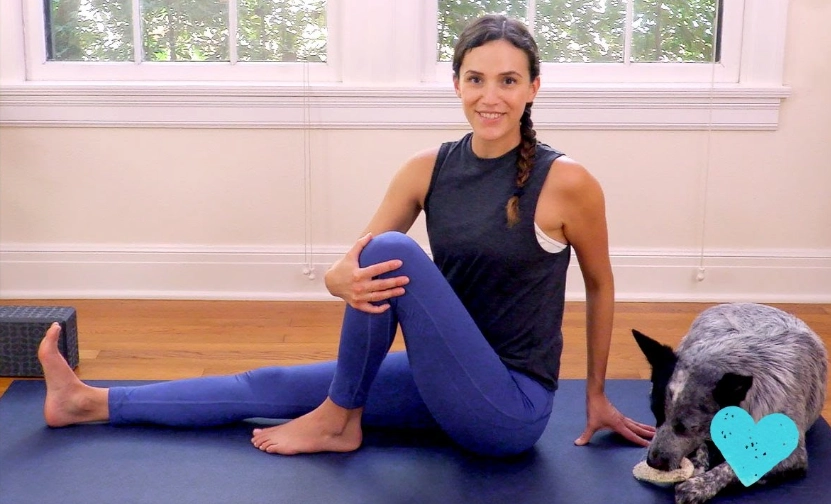
| Day | Focus | Duration | Notes |
|---|---|---|---|
| Monday | Full-body basics | 15 min | Include Mountain, Downward Dog, Warrior I |
| Tuesday | Rest or gentle stretch | 10 min | Focus on Child's Pose and seated stretches |
| Wednesday | Strength focus | 20 min | Add plank pose, hold poses longer |
| Thursday | Rest | – | Listen to your body |
| Friday | Flexibility | 15 min | Emphasis on forward folds and twists |
| Saturday | Longer session | 25 min | Combine all poses, end with Savasana |
| Sunday | Reflection | 10 min | Meditative poses, set intention for week |
This isn't rigid. Miss a day? No guilt. Just resume. I've found that scheduling it like an appointment increases adherence. Use phone reminders.
Resources: I recommend Yoga with Adriene on YouTube for beginners—she's relatable and clear. But explore to find your style.
Benefits of Practicing Yoga at Home
Beyond flexibility, home yoga offers subtle perks. You control the pace. No comparing yourself to others in a class. It's cheaper—studio memberships add up.
Physically, it improves posture. I had back pain from desk work; consistent yoga alleviated it within weeks. Mentally, it's a stress reset. The American Psychological Association notes mindfulness practices reduce anxiety, and yoga fits that bill.
But the biggest benefit? Empowerment. You learn to listen to your body. That spills into daily life—better sleep, more patience. It's not magic, but it's close.
My aha moment: After a month of home practice, I noticed I wasn't clenching my jaw during work calls. Small win, huge impact.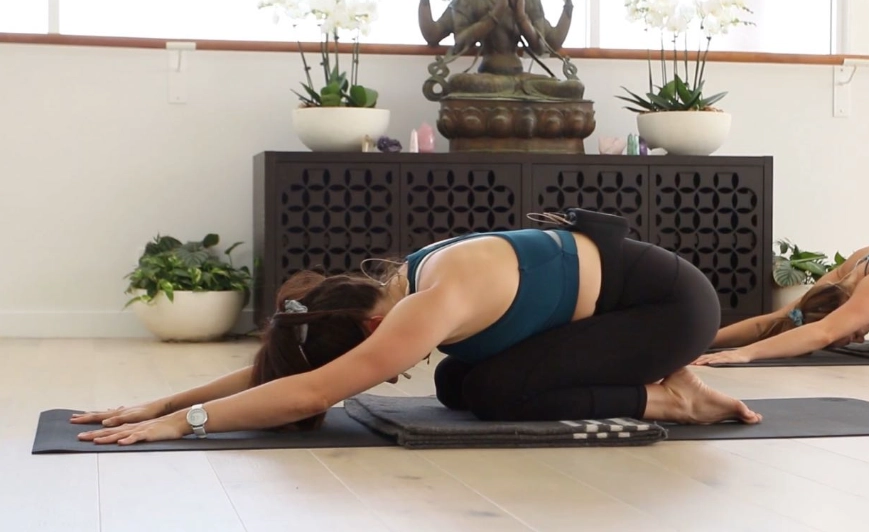
Frequently Asked Questions
 Can I do yoga at home without a mat, and what are alternatives?
Starting yoga at home is a journey, not a destination. Embrace the wobbles. Remember, even experienced practitioners have off days. Your mat is a judgment-free zone—make it your own.





Leave a comment