You've been told to watch your salt. You know exercise is good. But if you're managing high blood pressure, you probably sense there's more to the story. I've seen it countless times in my practice—patients diligently avoiding the salt shaker while unknowingly sabotaging their efforts elsewhere. The real challenge isn't just knowing the big rules; it's spotting the hidden pitfalls. Let's cut through the noise and talk about the specific, often-overlooked things you need to avoid to keep your numbers in a healthy range. This isn't about fear, it's about giving you clear, actionable control.
Your Quick Guide to a Healthier Heart
The Sneaky Dietary Pitfalls (It's Not Just Table Salt)
Yes, sodium is enemy number one. The American Heart Association recommends less than 2,300 mg a day, with an ideal limit of 1,500 mg for most adults. But fixating only on salty chips means you're missing the major sources.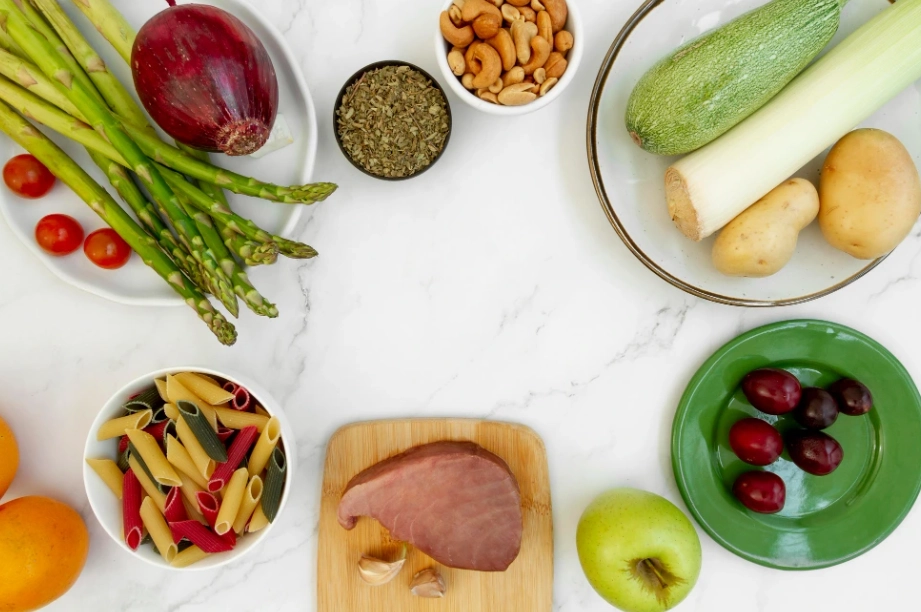
Hidden Sodium: The Invisible Load
The biggest mistake? Thinking "low salt" cooking at home solves it. Up to 70% of the sodium we eat comes from packaged and restaurant foods. That "healthy" whole-grain bread, canned beans, pasta sauce, and even some breakfast cereals are loaded with it.
My patient, Sarah, was baffled. She cooked all her meals, never added salt. Yet her pressure stayed high. We did a food diary deep dive. The culprits? Her favorite store-bought marinara (480 mg per half-cup), the canned chickpeas she used for salads (320 mg), and her "light" salad dressing (280 mg per tablespoon). These "background" sources added over 1,000 mg of sodium before she even seasoned her food.
The Sugar-Blood Pressure Link
This one surprises people. Excessive sugar, especially from sugary drinks and processed carbs, contributes to weight gain and insulin resistance. This, in turn, can make your body retain more sodium and stiffen your arteries. A study published in the journal Open Heart argued that sugar may be more directly related to hypertension than sodium in some individuals. It's a double whammy we often ignore.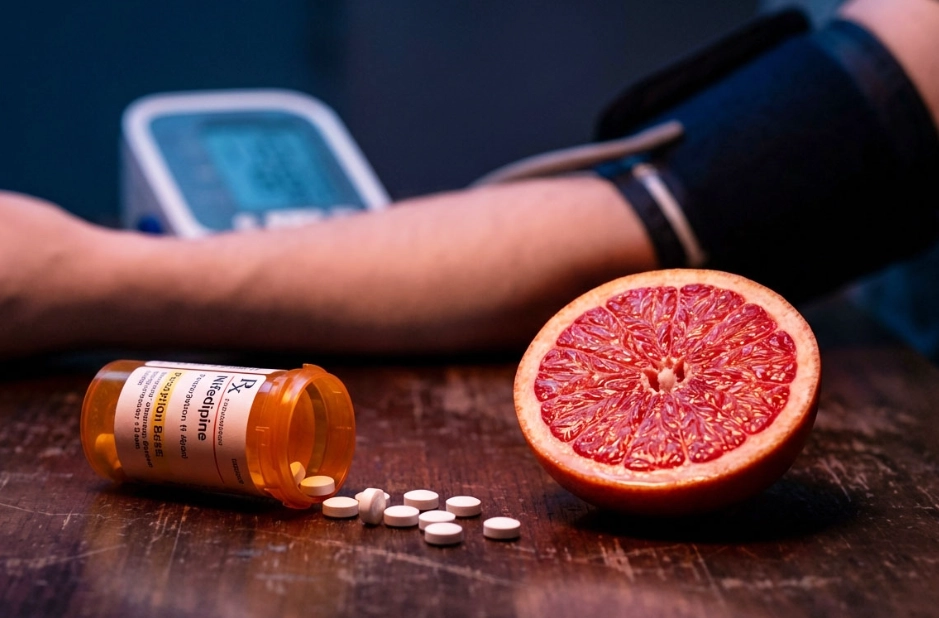
Processed Meats and Aged Cheeses
Beyond sodium, these contain compounds like tyramine and high amounts of saturated fat, which can constrict blood vessels. That Friday night charcuterie board might be doing more harm than you think.
| Food Category | Specific Items to Be Wary Of | Why It's a Problem | Better Swap |
|---|---|---|---|
| Breads & Grains | Bagels, rolls, instant flavored oatmeal, frozen waffles | High baseline sodium for structure/preservation | Unsweetened oatmeal, sodium-free whole grain bread |
| Canned & Packaged Goods | Soups, broths, canned vegetables, packaged rice mixes | Extremely high sodium for shelf life and flavor | Low-sodium or no-salt-added versions, frozen vegetables |
| Condiments & Sauces | Soy sauce, ketchup, BBQ sauce, salad dressings, salsa | Concentrated sodium and sugar sources | Make your own with herbs, citrus, vinegar, olive oil |
| Processed Meats | Deli meat, bacon, sausage, hot dogs, pepperoni | High in sodium, nitrates, and saturated fat | Fresh roasted chicken or turkey, tuna |
Common Medication Missteps You Must Avoid
This is where I see the most dangerous gaps in knowledge. People carefully take their blood pressure pills but then take over-the-counter meds that completely counteract them.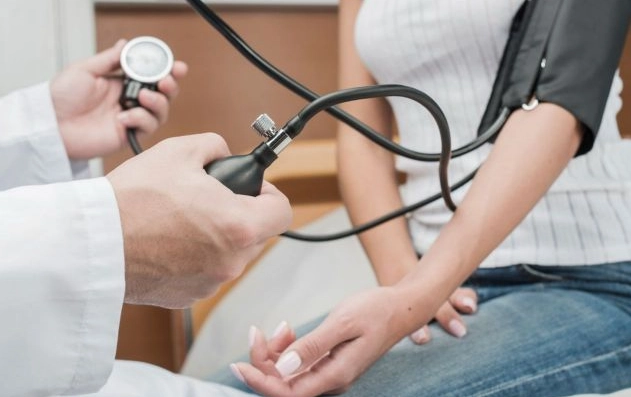
NSAIDs: The Silent Antagonist
Nonsteroidal anti-inflammatory drugs (NSAIDs) like ibuprofen (Advil, Motrin) and naproxen (Aleve) are public enemy number one for hypertension management. They cause your kidneys to retain sodium and fluid and can narrow the blood vessels that help regulate pressure. For some, they can raise blood pressure enough to negate the effect of a medication. I've had patients who needed their BP med dose increased just because of regular NSAID use for arthritis.
Decongestants and Stimulants
That over-the-counter cold medicine with pseudoephedrine or phenylephrine? It works by constricting blood vessels in your nose—unfortunately, it does the same throughout your body, raising your blood pressure and heart rate. Many "multi-symptom" cold and allergy formulas contain these. Always choose a decongestant-free version if you have hypertension.
The same goes for heavy caffeine use or weight loss supplements containing stimulants like synephrine. They create a surge that your cardiovascular system doesn't need.
Everyday Lifestyle Traps
Your daily habits create a background rhythm that your blood pressure dances to. Disrupt that rhythm, and the numbers climb.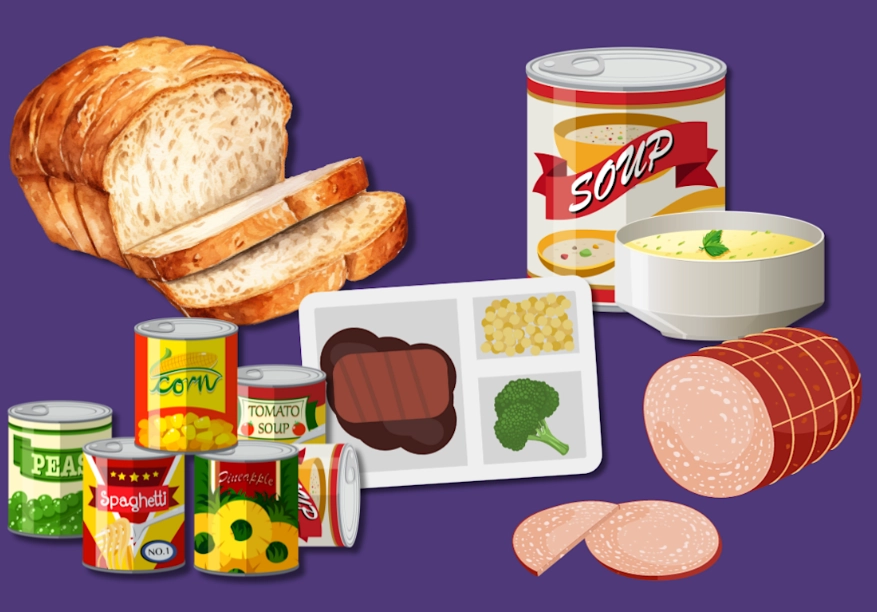
Alcohol: The Deceptive "Relaxant"
While a small amount might cause a brief dip, more than moderate drinking is a consistent raiser of blood pressure. Alcohol is also calorie-dense, promotes weight gain, and can interfere with medication. "Moderate" is key: that's up to one drink per day for women, two for men. And a drink is 5 oz of wine, 12 oz of beer, or 1.5 oz of spirits. That large glass of wine at dinner is likely two servings.
Smoking and Vaping: The Immediate Spike
Every cigarette causes an immediate, temporary spike in blood pressure. The chemicals in tobacco damage artery walls, causing inflammation and narrowing. While the long-term vascular damage is worse, the acute spikes throughout the day add significant strain. Nicotine in any form—cigarettes, vaping, chewing tobacco—is a potent vasoconstrictor.
Physical Inactivity vs. Wrong Kind of Exercise
Avoiding exercise is terrible for BP. But so is jumping into intense, heavy weightlifting without proper breathing. Holding your breath during exertion (the Valsalva maneuver) causes a dramatic, dangerous spike in blood pressure. If you lift weights, focus on lighter weights with higher reps, and exhale during the exertion phase.
The Stress & Sleep Connection You Can't Ignore
You can't measure this with a food label, but it's just as real.
Chronic Stress: The Constant Drip
Stress floods your body with hormones like cortisol and adrenaline. These increase heart rate and constrict blood vessels. The problem isn't acute stress (a work deadline), but the chronic, low-grade variety—financial worry, a toxic relationship, constant busyness. Your body stays in a mild "fight or flight" mode, keeping your pressure elevated.
My non-consensus advice here? Don't just try to "relax more." That's vague. Identify one specific, recurring stress trigger and create a concrete buffer. For example, if checking work email after 7 PM spikes your anxiety, install an app that blocks your email client after that time. Physical barriers often work better than willpower.
Poor Sleep (Especially Sleep Apnea)
This is a massive, under-diagnosed driver of resistant hypertension. If you snore loudly, gasp for air at night, or wake up exhausted despite enough time in bed, you might have obstructive sleep apnea. Each time you stop breathing, your oxygen drops, stressing your system and spiking your blood pressure. Treating sleep apnea can be as effective as adding a blood pressure medication. Talk to your doctor about a sleep study.
Even without apnea, consistently sleeping less than 6 hours a night disrupts your body's stress hormones and nervous system regulation.
Your Hypertension Questions Answered
I love eating out. Can I ever do it again without ruining my progress?
Absolutely, but you need a strategy. Look up menus online beforehand and identify grilled, baked, or steamed options. Ask for sauces and dressings on the side. Immediately request "no added salt" during cooking. Start with a side salad (light dressing) to fill up. Choose cuisines that are naturally lighter, like Japanese sashimi or Mediterranean grilled dishes, over heavy Italian or Chinese takeout. One meal won't break you, but the cumulative effect of weekly unmonitored restaurant meals will.
My doctor said my blood pressure is "borderline." Do I still need to avoid all this?
"Borderline" or elevated blood pressure (120-129/
Is caffeine completely off-limits?
Not necessarily, but it's individual. Caffeine can cause a short-term spike. The key is to know your body. Check your blood pressure about 30-60 minutes after your morning coffee. If it's significantly elevated, you may be sensitive and should cut back or switch to decaf. If it's stable, moderate intake (like 1-2 cups) is likely fine. Avoid loading up on large energy drinks or drinking caffeine late in the day, which harms sleep.
What's the one thing you see people get wrong most often when trying to lower their BP?
They focus on subtraction without addition. They try to avoid salt, stress, etc., but don't actively add the counterpoints: potassium-rich foods (avocados, bananas, spinach, potatoes), magnesium (nuts, seeds, leafy greens), daily movement, and dedicated relaxation. Hypertension management isn't just a defensive game; you need an offensive strategy of positive nutrients and habits to help your blood vessels relax and function optimally.

Leave a comment