Let's be real: you can't cure a chronic condition like hypertension in three minutes. Anyone promising a permanent fix that fast is selling fantasy, and that's dangerous. But here's what you can realistically do—and what I've advised patients to do for over a decade. If you're feeling stressed, anxious, or you just saw a scary high number on your home monitor, there are safe, evidence-backed techniques that can help lower your blood pressure within a few minutes. This isn't magic; it's physiology. We're talking about calming your nervous system to bring down a temporary spike, buying you time and clarity. This guide will give you those immediate tools, explain exactly how they work, and then, crucially, map out what you need to do after those three minutes are up for real, lasting health.
What You'll Find in This Guide
The Truth About a "3-Minute Cure" for High Blood Pressure
I need to be blunt, because your health depends on it. Hypertension develops over years due to factors like diet, genetics, stress, and activity levels. A cure implies reversing that permanently. That doesn't happen in 180 seconds.
What you're likely searching for—and what this article delivers—is rapid symptomatic relief for a sudden blood pressure increase. Think of it like using an inhaler during an asthma attack. The inhaler isn't curing asthma; it's opening the airways in an emergency. The techniques here are your "inhaler" for a blood pressure spike, often caused by acute stress, anxiety, or pain.
The goal of these fast methods is to activate your body's parasympathetic nervous system—the "rest and digest" mode—to counter the stress-induced "fight or flight" response that's squeezing your blood vessels tight.
How to Lower Your Blood Pressure in 3 Minutes (Emergency Techniques)
These are the steps I walk my most anxious patients through. The key is to focus entirely on the technique for the full three minutes. No checking your phone, no thinking about your to-do list.
>Triggers the "diving reflex," slowing metabolism.>Releases physical tension linked to vascular tension.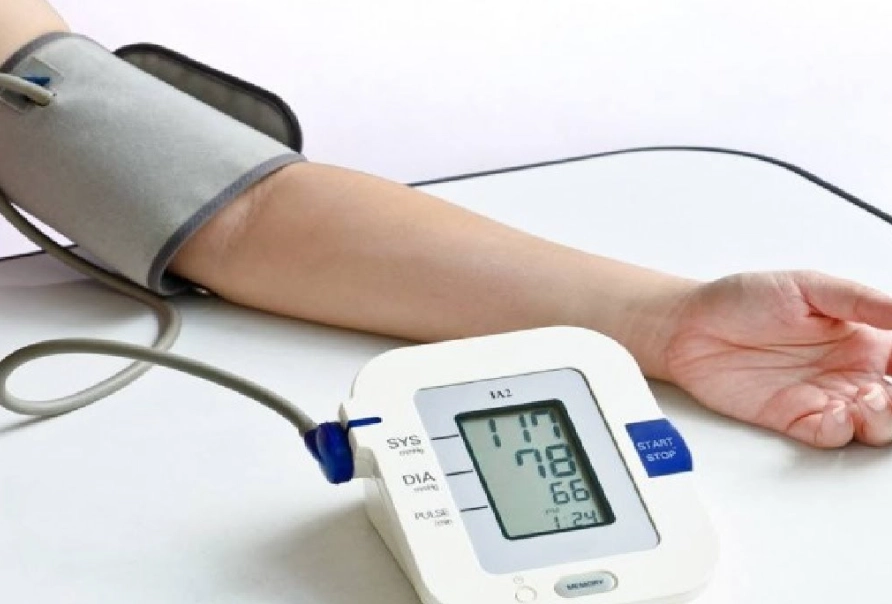
| Technique | Primary Action | Step-by-Step (3-Minute Protocol) |
|---|---|---|
| The 4-7-8 Breathing Reset | Slows heart rate, signals brain to relax. | 1. Sit upright, feet flat. 2. Place tongue behind front teeth. 3. Exhale completely. 4. Inhale quietly through nose for 4 seconds. 5. Hold breath for 7 seconds. 6. Exhale forcefully through mouth for 8 seconds (make a "whoosh" sound). Repeat this cycle for 3 minutes. |
| Cold Water Face Dive | 1. Fill a basin with cold water (add ice if tolerable). 2. Hold your breath and submerge your entire face for 15-30 seconds. 3. Lift face, breathe normally for 30 seconds. 4. Repeat 3-4 times within 3 minutes. Caution: Not for those with heart rhythm issues. | |
| Progressive Muscle Unclenching | 1. Lie down or sit comfortably. 2. Starting with your toes, tense the muscles as hard as you can for 5 seconds. 3. Suddenly and completely release, feeling the tension melt for 20 seconds. 4. Move systematically up your body: calves, thighs, glutes, abdomen, hands, arms, shoulders, neck, face. Spend about 20-30 seconds on each major group. |
Most people default to taking a few deep breaths, but they do it wrong. They lift their shoulders and breathe into their chest, which can actually engage more stress muscles. The trick is diaphragmatic breathing—making your belly rise, not your chest. Place a hand on your stomach to feel it.
Why These Quick Techniques Actually Work: The Science of Calm
When you're stressed, your body floods with hormones like adrenaline and cortisol. These make your heart pound and your blood vessels constrict—raising pressure. It's a survival mechanism.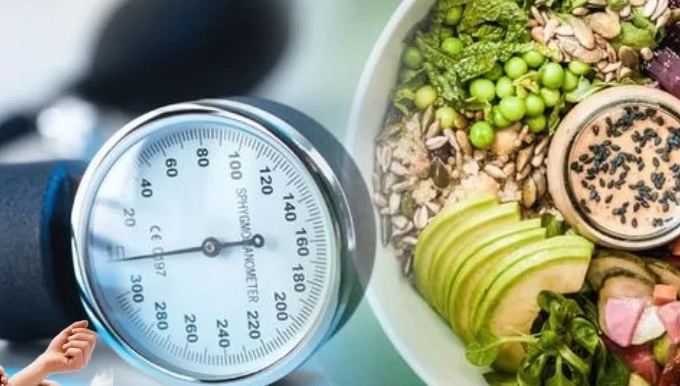
The 4-7-8 breathing pattern directly stimulates the vagus nerve, the main highway of your parasympathetic system. A study published in the Journal of Human Hypertension found that slow, deep breathing exercises can lead to significant, immediate reductions in both systolic and diastolic BP. The cold water on the face? It's a powerful biological hack called the mammalian diving reflex. It immediately slows your heart rate and redirects blood to your core.
Progressive relaxation works because your brain and blood vessels are in constant communication. When you forcibly relax skeletal muscles, you send a feedback signal to your brain that the "threat" is over, which allows it to dial down the vascular constriction.
What To Do After the 3 Minutes: The Real Path to Control
Okay, you've used your three-minute hack. Your head feels clearer, maybe you feel a bit less jittery. This is where 99% of people fail. They feel better and go right back to what caused the spike. The real work starts now.
Managing hypertension is a lifestyle marathon, not a three-minute sprint. Based on clinical guidelines from sources like the American Heart Association, here's your actionable plan:
1. Get the Data Right
Home monitoring is crucial, but most people use their cuff wrong. Wrong size, wrong position, wrong timing. An inaccurate reading causes unnecessary panic. Ensure the cuff bladder wraps 80% of your upper arm. Sit quietly with back supported and feet flat for 5 minutes before taking a reading. Take two readings, one minute apart, and average them. Keep a log—not to obsess, but to identify patterns for your doctor.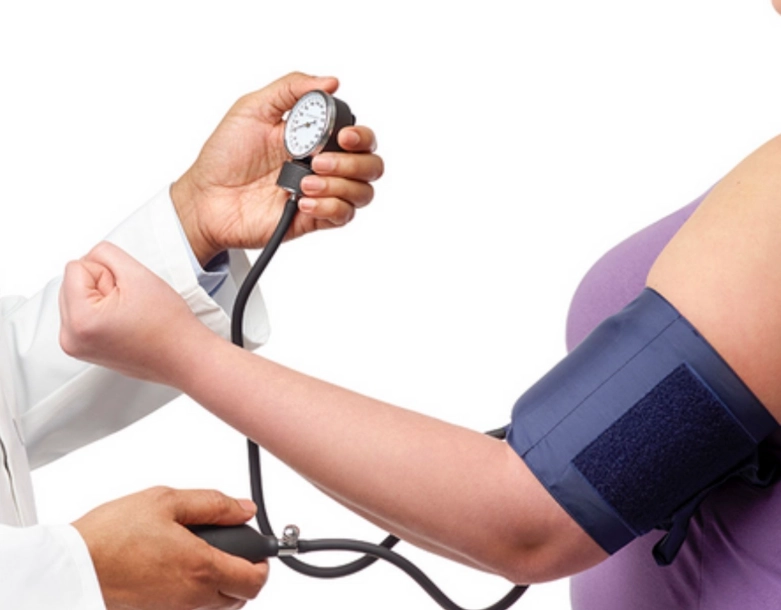
2. The Daily Diet Adjustments (Not What You Think)
Everyone says "reduce sodium." That's vital (aim for under 1500mg), but increasing potassium is the often-ignored lever. Potassium helps balance sodium in your cells. Focus on adding: sweet potatoes, spinach, avocados, beans, bananas, and coconut water. A practical hack: swap your afternoon chips for a handful of dried apricots and almonds.
3. Movement That Matters
You don't need to run marathons. Consistent, moderate activity is key. Isometric handgrip exercises—squeezing a spring-loaded device for 2 minutes per hand, a few times a week—have shown surprising benefits in lowering BP. Pair that with a daily 30-minute brisk walk. The consistency signals long-term stability to your cardiovascular system.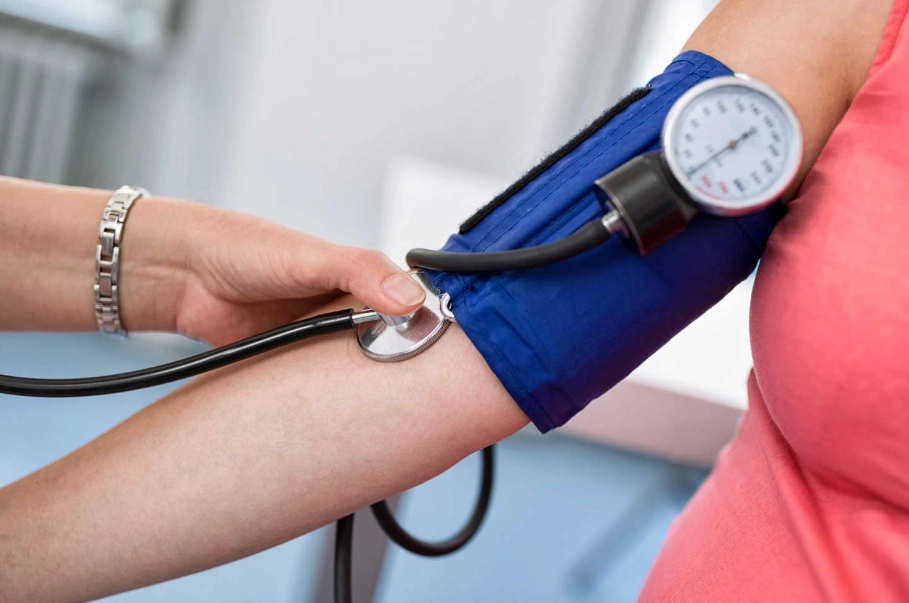
4. Long-Term Stress Resets
If you're relying on the 3-minute hack daily, your underlying stress is too high. This requires system changes: 20 minutes of daily mindfulness meditation (apps can help), evaluating and setting boundaries at work, or even something as simple as a nightly digital detox one hour before bed. Chronic stress keeps your cortisol elevated, which directly impacts blood pressure over time.
Remember, medication prescribed by your doctor is not a failure. For many, it's a necessary tool to get BP under control so lifestyle changes can have a foundation to work from. It's a partnership.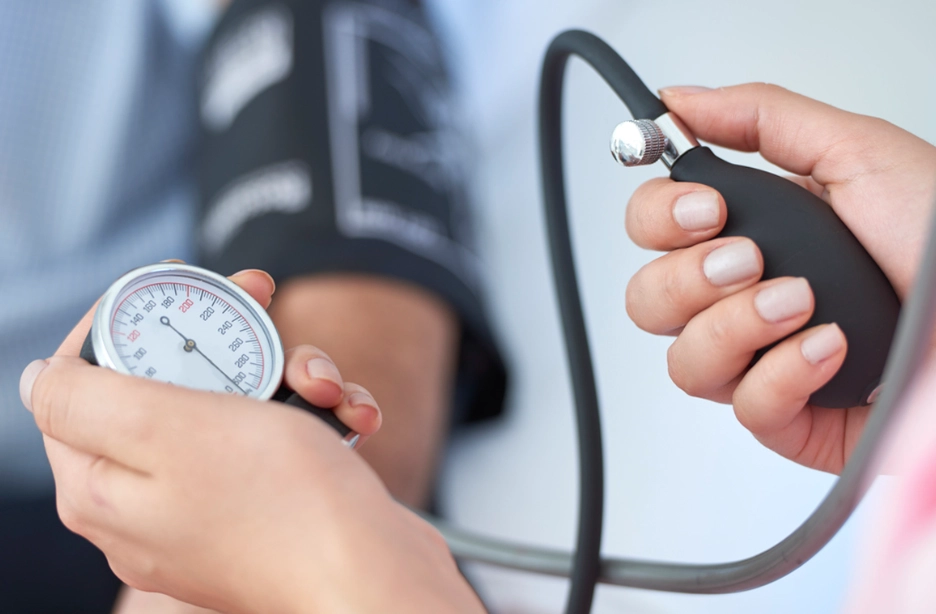
Your Pressing Questions on Rapid BP Reduction
The search for a "3-minute cure" comes from a place of fear and urgency. I get it. The good news is you have powerful tools to manage that urgency safely. Use the three-minute techniques to put out small fires. Then, commit to the daily, unsexy work of lifestyle change to prevent the wildfire. Start with one thing—perfecting your breathing technique tonight, buying a potassium-rich snack tomorrow, or scheduling that long-overdue doctor's appointment. Control is built minute by minute, but also day by day.



Leave a comment