Let's cut through the noise. Searching for the "best yoga for women" isn't about finding one magic style. It's about matching a practice to your body, your life phase, and what you need right now—whether that's melting stress, building resilient strength, or finding quiet in a chaotic day. As someone who's taught yoga for over a decade, I've seen women get overwhelmed by choices or push into practices that don't serve them. The best yoga for you today might not be the best in five years, and that's perfectly okay.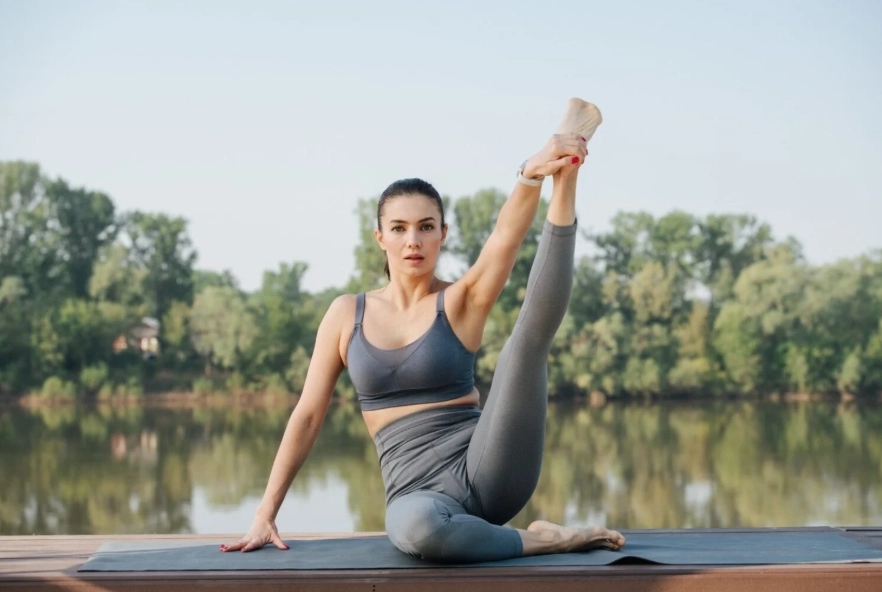
Your Quick Guide to This Article
How to Choose the Best Yoga Style for You
Walk into a studio or browse a streaming service, and the list of yoga types can be paralyzing. Here’s the breakdown you actually need, stripped of the fluff. Think of this as your menu—you order based on your current appetite.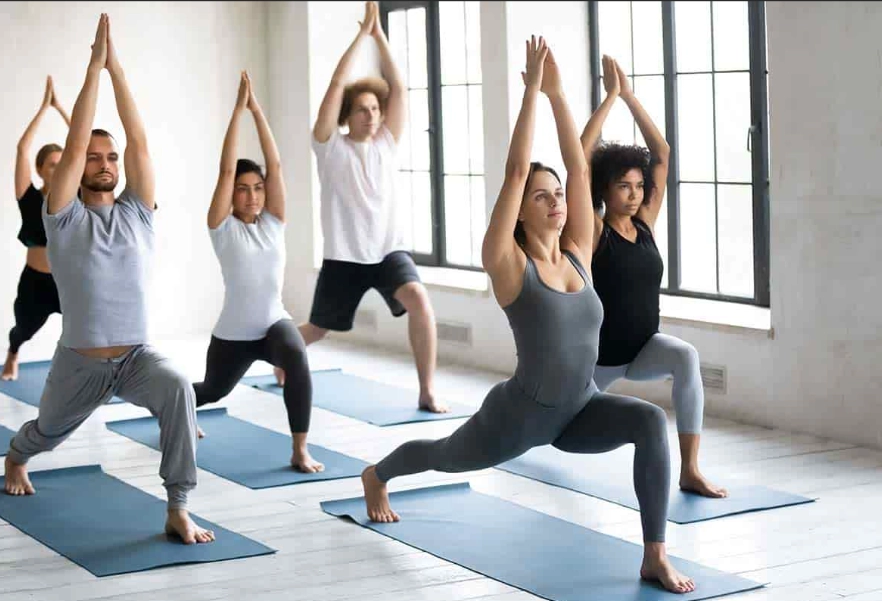
| Yoga Style | Pace & Focus | Best For Women Who... | A Note of Caution |
|---|---|---|---|
| Hatha | Slow, foundational. Holds poses with emphasis on alignment. | Are absolute beginners, want to learn basics safely, need a gentle introduction. | Can feel too slow if you're craving a sweat or dynamic movement. |
| Vinyasa | Medium to fast. Flows linking breath to movement. | Want a cardiovascular element, like creativity in sequences, enjoy building heat and strength. | Easy to sacrifice form for speed. Prioritize mindful movement over keeping up. |
| Iyengar | Very slow, precise. Uses props (blocks, straps) extensively. | Are recovering from injury, have specific alignment issues, appreciate technical detail. | The heavy focus on props can feel less like a "flow" and more like a technical workshop. |
| Restorative | Very slow, passive. Fully supported poses held for 5-10 minutes. | Are chronically stressed, in need of deep nervous system reset, experiencing burnout or fatigue. | If you struggle with stillness, this can be mentally challenging. It's active relaxation. |
| Yin | Slow, deep stretch. Targets connective tissue (fascia, ligaments). | Have tight hips/hamstrings, sit at a desk all day, want to improve flexibility and joint health. | Not about "going deep" into the muscle. The sensation should be a sustainable, dull stretch. |
My personal, slightly contrarian take? Most beginners are pointed toward Vinyasa because it's popular, but starting with a solid month of Hatha or a slow-flow class builds a smarter, safer foundation. You learn what a proper plank feels like before you're asked to jump into one. I've seen too many women develop wrist or shoulder niggles from rushing through Chaturangas they were never taught correctly.
Why Yoga is a Game-Changer for Women's Health
The benefits go far beyond flexibility. For women, yoga interacts with our unique physiology in powerful ways that other forms of exercise often miss.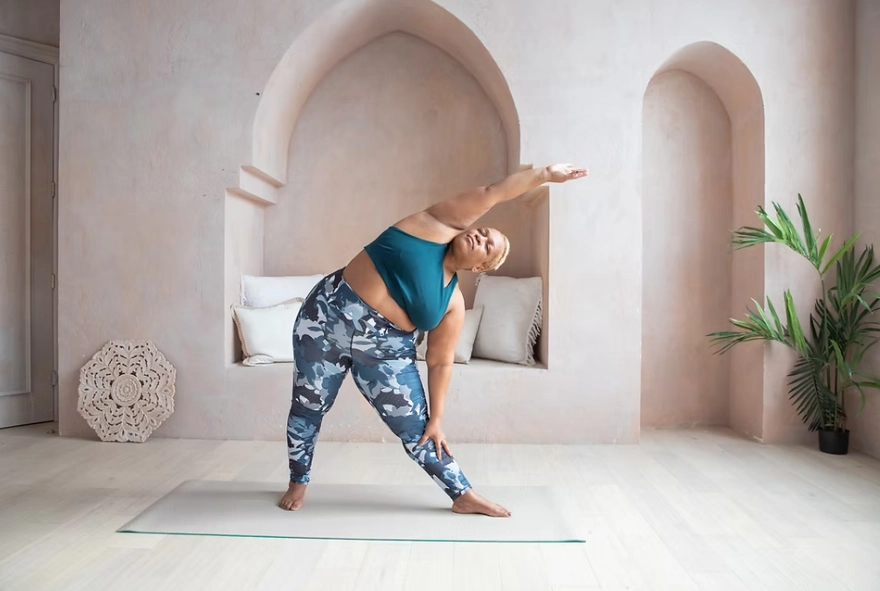
Beyond Stress Relief: Nervous System Regulation
Yes, yoga reduces stress. But it's more specific than that. Practices like Restorative or gentle Yin activate the parasympathetic nervous system—the "rest and digest" mode. This is crucial for women dealing with the mental load of career, family, and life admin. It's not just feeling calm for an hour; it's teaching your body how to downshift out of constant fight-or-flight, which can positively impact everything from sleep to digestion to hormonal balance. Resources from places like Harvard Health Publishing often highlight this mind-body connection.
Strength That Protects You
Forget the skinny-yoga stereotype. A well-rounded practice builds functional, lean strength. This is critical for women as we age and face higher risks of osteoporosis. Weight-bearing poses like Warrior II, Plank, and Chair pose strengthen bones. More importantly, yoga builds stability around joints—think strong glutes and core to protect the knees and lower back during daily activities like lifting kids or groceries. It's preventative care in motion.
Hormonal Harmony and Cycle Awareness
This is a huge, often overlooked area. Your ideal yoga practice can and should shift with your menstrual cycle. The American College of Obstetricians and Gynecologists acknowledges exercise can help manage PMS symptoms.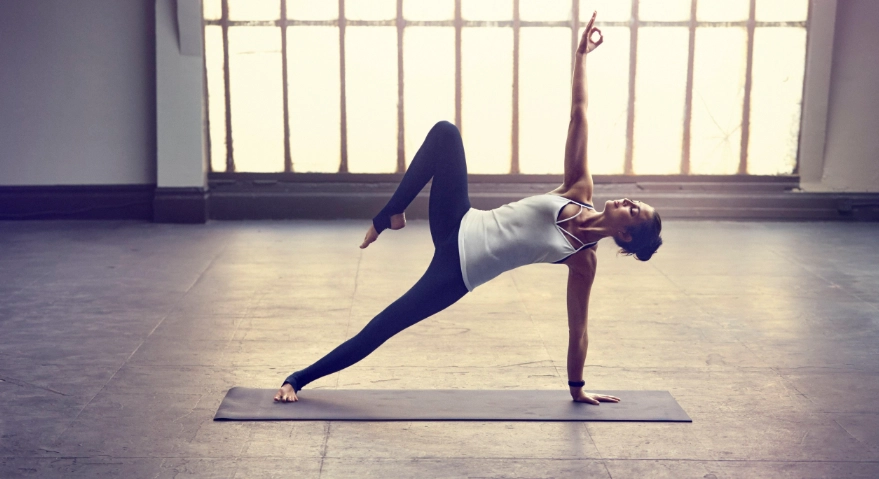
- Follicular Phase (after period): More energy. Great time for building strength with Vinyasa or power yoga.
- Ovulation: Peak energy. Go for your most dynamic, social practices.
- Luteal Phase (pre-menstrual): Energy wanes. Shift to slower flows, Yin, or Hatha. Focus on poses that ease bloating and low back tension (like gentle twists).
- Menstruation: Prioritize Restorative, gentle stretching, or legs-up-the-wall. Avoid intense inversions if they don't feel good.
Listening to your body here isn't being lazy; it's working with your biology, not against it. I've had clients report significantly milder cramps and mood swings just by making this simple adjustment.
Yoga Poses Every Woman Should Know (And Why)
Instead of a random list, here are five poses with their "why"—the specific benefit that makes them non-negotiable for a woman's practice.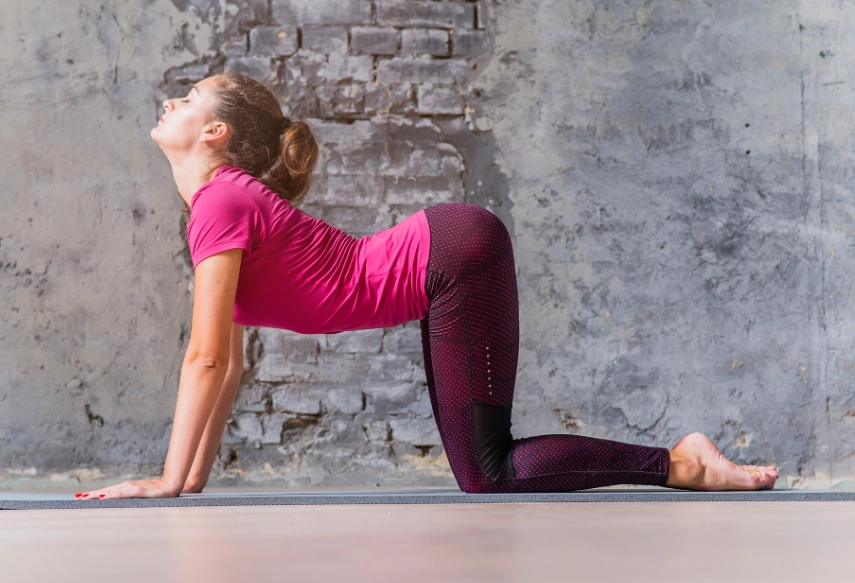
1. Goddess Pose (Utkata Konasana)
Why: It's a powerhouse for the pelvic floor, inner thighs, and glutes. It builds strength in the exact areas that support pelvic organ health, which is vital postpartum and perimenopause. It also fosters a sense of grounded power.
2. Supported Bridge Pose
Why: Not the active bridge, but the restorative version with a block under your sacrum. This gentle inversion is brilliant for calming the nervous system, easing menstrual cramps, and providing a mild stretch to the front body and hip flexors (which get tight from sitting).
3. Cat-Cow Stretch (Marjaryasana-Bitilasana)
Why: This simple spinal wave mobilizes the entire back, massages internal organs, and encourages diaphragmatic breathing. It's the perfect reset for anyone who spends hours hunched over a desk or a phone.
4. Legs-Up-The-Wall Pose (Viparita Karani)
Why: The ultimate recovery pose. It reduces swelling in the legs and feet, offers a rest for the heart, and is profoundly calming. Do this for 5-10 minutes after a long day or when you feel overwhelmed. It requires zero flexibility.
5. Reclining Bound Angle Pose (Supta Baddha Konasana)
Why: It opens the hips and groin in a completely passive, supported way. This can alleviate tension held in the hips (where many women store stress) and is deeply relaxing for the lower back. Use pillows under your knees for full support.
Your No-Stress Plan to Start a Yoga Practice
Overthinking is the biggest barrier. Here's a straightforward, two-week plan to build a habit without feeling like it's a second job.
Week 1: The Exploration Phase
Goal: Try three different 20-30 minute classes. Don't judge, just experience.
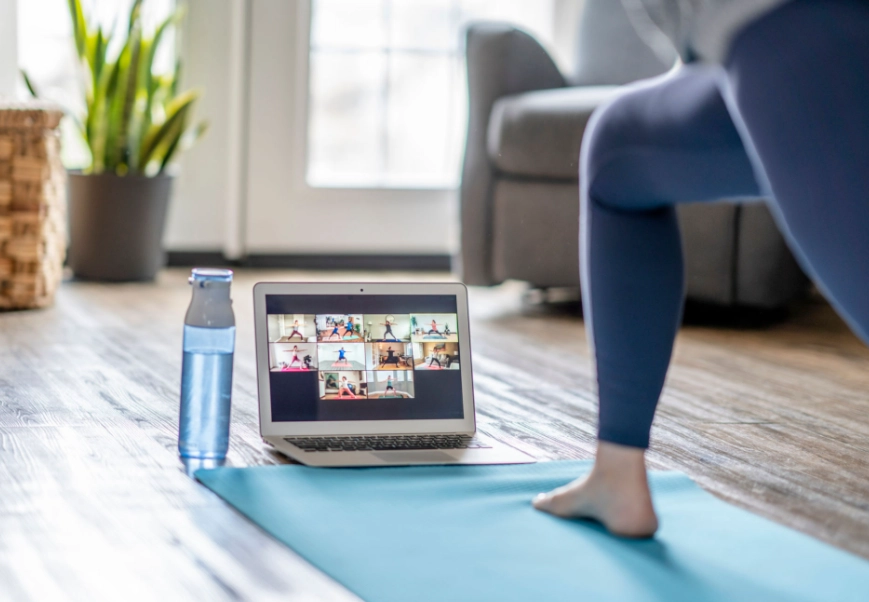
- Day 1-2: Find a "Beginner Hatha" or "Gentle Yoga" video online. The Yoga Alliance website can help you find certified teachers if you're looking for local options.
- Day 3-4: Try a "Slow Flow" or "Beginner Vinyasa." Notice the difference in pace.
- Day 5-6: Try a "Restorative" or "Gentle Yin" session. See how your body responds to stillness.
- Day 7: Rest. Or repeat the one you liked most.
Week 2: The Integration Phase
Goal: Practice 4 times for 20+ minutes.
- Pick the two styles that resonated most from Week 1. Alternate between them.
- Schedule these sessions like appointments. First thing in the morning or right after work often works best.
- Invest in a basic mat (non-slip is key) and maybe one foam block. That's all you need.
The mistake I see? People aim for a daily 60-minute intense practice, burn out in week three, and quit. Start small. A consistent 20-minute practice is infinitely more valuable than a sporadic 90-minute one.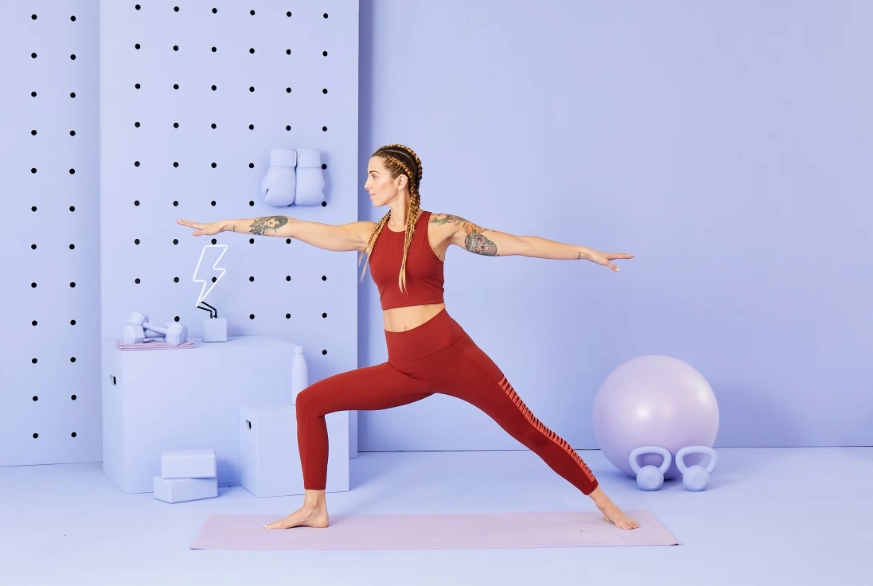
Your Yoga Questions, Answered
 Can I do yoga during my period?


Leave a comment