If you're reading this, you're likely navigating the complex and often emotional world of trying to conceive. Female infertility treatment isn't a one-size-fits-all path. It's a spectrum, ranging from simple lifestyle tweaks to sophisticated medical procedures. The good news? More options exist today than ever before. The challenge is understanding which path is right for you. This guide cuts through the noise, explaining the causes, the diagnostic journey, and the full landscape of treatment options for female infertility. We'll talk about what actually works, what the process feels like, and how to make informed decisions with your healthcare team.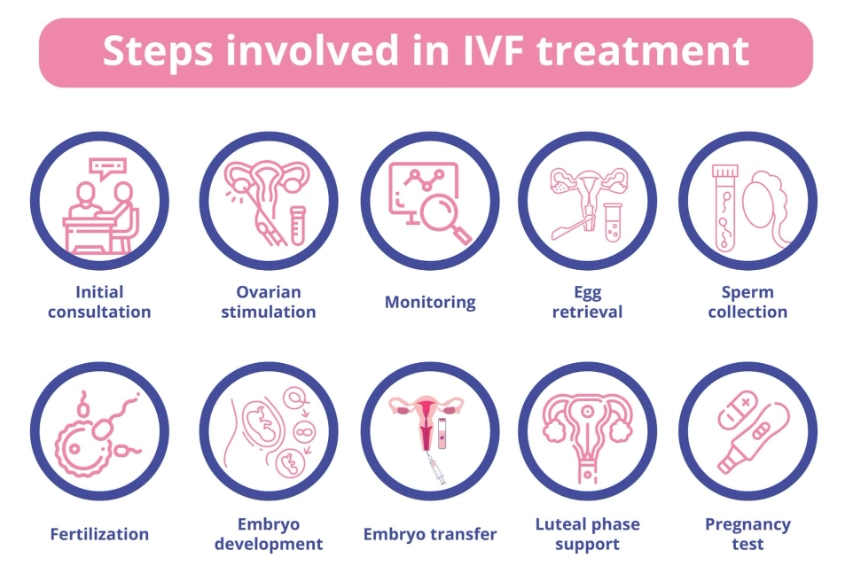
Your Quick Guide to Navigating This Article
What Causes Female Infertility?
Pinpointing the "why" is the first critical step. Infertility in women can stem from issues at various points in the reproductive process. Here are the most common culprits, broken down. Think of it as a checklist doctors use.
Ovulation Disorders: This is a big one. If you're not releasing an egg each month, pregnancy can't happen. Conditions like Polycystic Ovary Syndrome (PCOS) are classic examples—your body may produce too many follicles but not mature and release a single egg. Thyroid problems, both overactive and underactive, can throw your entire hormonal cycle off balance. Then there's diminished ovarian reserve, which is essentially the biological clock ticking; the quantity and quality of your eggs decrease with age.
Tubal Factors: Your fallopian tubes are the highways for the egg and sperm to meet. If they're blocked or damaged, that meeting never happens. The main cause here is Pelvic Inflammatory Disease (PID), often a consequence of untreated sexually transmitted infections like chlamydia. Previous surgeries in the pelvic area can also lead to scar tissue (adhesions) that block the tubes.
Uterine or Cervical Issues: Sometimes the problem is where the embryo is supposed to implant and grow. Uterine fibroids (non-cancerous growths) or polyps can distort the uterine cavity. Endometriosis—where tissue similar to the uterine lining grows outside the uterus—creates a hostile, inflammatory environment. It can affect ovulation, egg quality, and implantation. A less common issue is cervical stenosis, where the cervical opening is too narrow for sperm to pass through.
A subtle point most blogs miss: Many women are told they have "unexplained infertility." This can be incredibly frustrating. But in my experience, this often points to subtle issues with egg quality or the fertilization process itself—problems that standard tests like HSGs and hormone panels can't detect. It doesn't mean nothing is wrong; it means we need to look deeper, sometimes through the lens of treatments like IVF where we can observe the egg and sperm interacting directly.
How is Female Infertility Diagnosed?
Getting a diagnosis isn't a single test; it's a process. A good fertility specialist will start with a detailed history and then move through a logical sequence. They're trying to answer three questions: Are you ovulating? Are your tubes open? Is your uterus receptive?
The Initial Consultation: Your Story Matters
This is more than paperwork. Your doctor will ask about your menstrual cycle length and regularity, any pelvic pain, past surgeries, sexual history, and lifestyle factors like stress, diet, and exercise. Bring your partner if you can. This conversation often reveals clues that guide the next steps.
Key Diagnostic Tests
- Ovulation Tracking: This can start at home with basal body temperature charting or ovulation predictor kits. In the clinic, a series of blood tests to check progesterone levels about a week before your expected period can confirm if ovulation occurred.
- Ovarian Reserve Testing: This assesses your egg supply. It usually involves a blood test for Anti-Müllerian Hormone (AMH) and a transvaginal ultrasound to count the number of small follicles (antral follicle count) in your ovaries early in your cycle. Low AMH or a low follicle count suggests a diminished reserve.
- Hysterosalpingogram (HSG): This X-ray test checks if your fallopian tubes are open. A dye is injected through the cervix into the uterus and tubes. It can be uncomfortable—some cramping is normal—but it's over quickly. The bonus? Some studies suggest a slight increase in pregnancy rates for a few months after an HSG, possibly because the dye flushes out minor blockages.
- Transvaginal Ultrasound: A standard workhorse. It looks at the structure of your uterus and ovaries, checking for fibroids, polyps, ovarian cysts, and measuring follicle growth during treatment cycles.
- Hysteroscopy or Laparoscopy: These are surgical procedures. A hysteroscopy uses a thin camera inserted through the cervix to look inside the uterus. A laparoscopy uses small incisions in the abdomen to view the outside of the uterus, tubes, and ovaries. They're usually reserved for when other tests suggest a problem like polyps, fibroids, or endometriosis.
Female Infertility Treatment Options: A Step-by-Step Guide
Treatment typically follows a ladder, starting with the least invasive and moving up. Where you start depends entirely on your diagnosis, age, and how long you've been trying.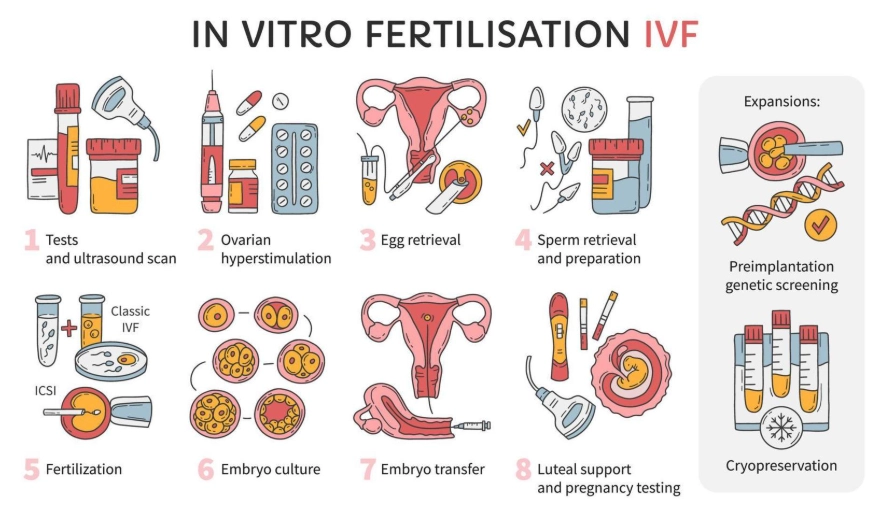
Step 1: Lifestyle & Timed Intercourse
This is always the foundation, even if you need more advanced help. It's not just "eat healthy." It's specific.
- Nutrition: Focus on a Mediterranean-style diet—plenty of vegetables, healthy fats (like olive oil, avocados), lean protein, and complex carbs. The goal is to reduce inflammation, which can impact egg quality and implantation. I've seen clients make significant improvements just by cutting out processed sugars and trans fats.
- Weight Management: Both being underweight and overweight can disrupt ovulation. For women with PCOS, even a 5-10% reduction in body weight can restart regular ovulation.
- Stress Reduction: Chronic stress elevates cortisol, which can interfere with reproductive hormones. It's not about eliminating stress (impossible), but managing it. Yoga, mindfulness, walking—find what works for you. The data from the American Society for Reproductive Medicine supports the link between psychological well-being and treatment outcomes.
- Tracking & Timing: Using ovulation predictor kits or tracking cervical mucus to identify your fertile window (the 5-6 days leading up to and including ovulation) ensures you're having intercourse at the right time.
Step 2: Medications to Induce Ovulation
This is often the first medical intervention for ovulation disorders like PCOS.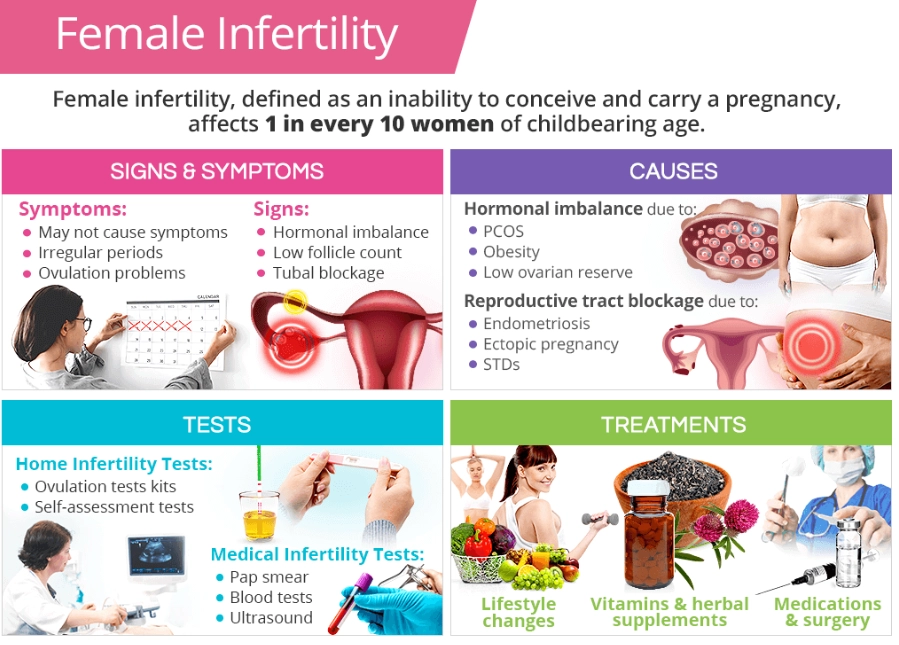
- Clomiphene Citrate (Clomid): A pill taken for 5 days early in your cycle. It tricks your brain into producing more follicle-stimulating hormone (FSH), which stimulates the ovaries. Success rates are decent for those with ovulation issues, but it comes with a slightly increased risk of twins and can cause side effects like hot flashes and mood swings.
- Letrozole (Femara): Originally a breast cancer drug, it's now often preferred over Clomid for women with PCOS. Studies, including those referenced by the National Institutes of Health, suggest it may have higher live birth rates and lower twin rates for this group.
- Gonadotropins: These are injectable hormones (FSH and/or LH) used when oral medications fail or for controlled ovarian stimulation in IVF. They're more potent, require close monitoring via ultrasound and blood tests, and carry a higher risk of multiple pregnancies and Ovarian Hyperstimulation Syndrome (OHSS).
Step 3: Surgical Procedures
Surgery can fix specific anatomical problems.
- For Fibroids/Polys: A hysteroscopic myomectomy or polypectomy removes growths from inside the uterus, potentially improving implantation chances.
- For Endometriosis: Laparoscopic surgery to remove endometrial implants and scar tissue can reduce pain and may improve fertility, especially in mild to moderate cases.
- For Tubal Blockages: Tubal surgery to reopen tubes is possible but success depends heavily on the location and extent of the damage. Often, IVF is recommended as a more effective alternative to tubal surgery.
Step 4: Assisted Reproductive Technology (ART)
This is the big league. It involves handling eggs and sperm outside the body.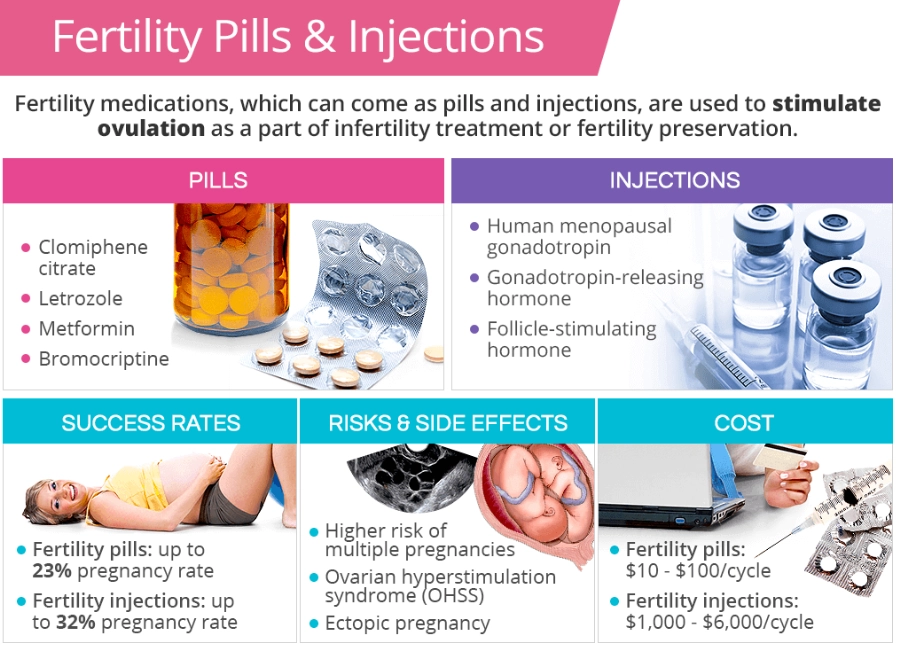
| Treatment | What It Is | Best For | Typical Success Rate (Per Cycle)* | Key Considerations |
|---|---|---|---|---|
| Intrauterine Insemination (IUI) | Washed, concentrated sperm is placed directly into the uterus around ovulation. | Unexplained infertility, mild male factor, cervical issues. Requires at least one open tube. | 10-20% | Less invasive and expensive than IVF. Often combined with ovulation-inducing drugs. |
| In Vitro Fertilization (IVF) | Eggs are retrieved from ovaries, fertilized with sperm in a lab, and resulting embryo(s) are transferred to the uterus. | Tubal blockage, severe male factor, endometriosis, advanced maternal age, failed IUI. | 20-35% (varies greatly with age) | The most effective ART. Allows for genetic testing of embryos (PGT-A). Involves daily injections and close monitoring. |
| Intracytoplasmic Sperm Injection (ICSI) | A single sperm is injected directly into an egg. A step performed during an IVF cycle. | Severe male factor infertility, previous IVF fertilization failure. | Similar to standard IVF | Virtually eliminates fertilization problems. Adds cost to an IVF cycle. |
| Donor Eggs or Embryos | Using eggs or embryos from a younger, healthy donor. | Diminished ovarian reserve, premature ovarian failure, genetic disorders. | 50%+ (due to donor's young age) | Highest success rates of any treatment. Involves complex emotional and legal considerations. |
*Success rates are live birth rates per cycle for women under 35, based on U.S. CDC data. They decline significantly with age, especially after 40.
The IVF process itself is a marathon. It starts with 8-12 days of hormone injections to stimulate multiple follicles. You'll be in the clinic every other day for monitoring. The egg retrieval is a short, sedated procedure. Then comes the 3-5 day wait for embryos to develop in the lab. The final step is the embryo transfer, a quick and painless procedure much like a Pap smear. The two-week wait for a pregnancy test after that is arguably the hardest part.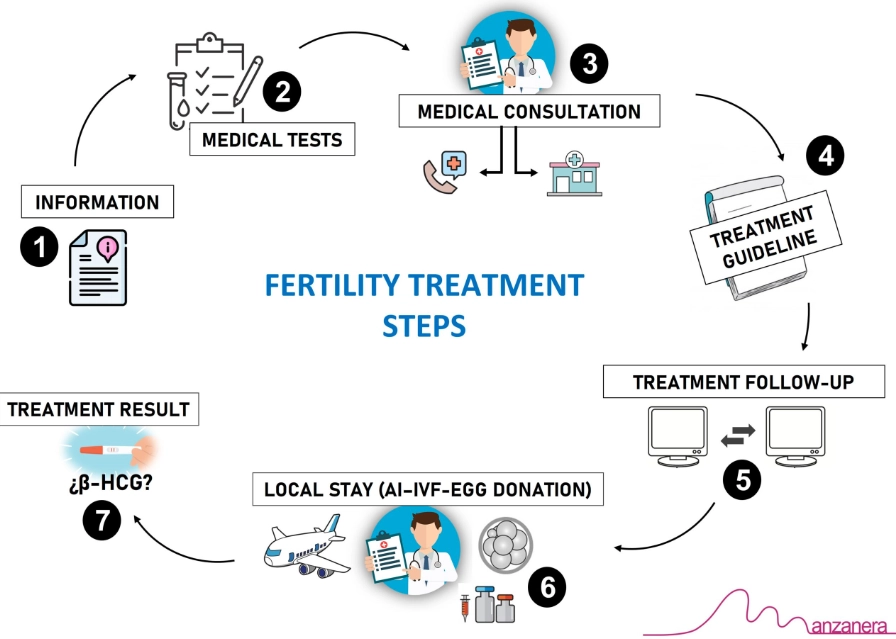
An expert's nuanced view: There's a pervasive myth that IVF is a guarantee. It's not. It's a numbers game influenced heavily by age and the specific cause of infertility. A woman under 35 with tubal factor has great odds. A woman of 42 with diminished reserve faces much steeper odds, even with IVF. That's why donor eggs exist. Managing expectations is as crucial as managing the medication protocol.
Your Fertility Treatment Questions Answered
I've been trying for 6 months and I'm 35. Should I jump straight to a fertility specialist?
The standard advice is to try for a year if you're under 35, and six months if you're 35 or older. But I tell my clients not to wait if something feels off. If your cycles are wildly irregular (shorter than 21 days, longer than 35), extremely painful, or you have a known condition like endometriosis, see a specialist sooner. There's no penalty for getting a basic check-up and peace of mind.
How many IVF cycles does it typically take to succeed?
This is the million-dollar question with no single answer. For a woman under 35 with a good prognosis, cumulative success rates after three cycles can be 65-80%. For someone over 40, it might take more cycles, and the chances per cycle are lower. The key is to have a frank discussion with your doctor after your first cycle—how many eggs were retrieved? How many fertilized? How many made it to good-quality blastocysts? That data will give you a realistic picture of your personal odds for subsequent attempts.
 Can stress alone cause infertility?
It's unlikely to be the sole cause of long-term infertility in an otherwise healthy person. But high, chronic stress can absolutely disrupt ovulation, making your cycles irregular and reducing your chances in any given month. More importantly, the stress of the infertility journey itself is immense and can affect your relationship, your mental health, and your ability to cope with treatment. Treating your emotional health is not a luxury; it's part of the treatment plan.
What's one thing people often overlook when choosing a fertility clinic?
Everyone looks at success rates. You should (check the CDC's Fertility Clinic Success Rates report). But also look at their cancellation rate. A high cycle cancellation rate might indicate a clinic that's overly aggressive with stimulation, leading to high risk of OHSS, or one that isn't great at tailoring protocols to individual patients. Call and ask about their communication protocol—how often will you talk to your actual doctor versus a nurse? The clinic's bedside manner matters hugely during this vulnerable time.
Are there any "natural" treatments that actually have scientific backing?
A few have decent supportive data when used alongside conventional treatment. Acupuncture, for instance, some studies suggest may improve blood flow to the uterus and reduce stress, potentially improving outcomes when done around the time of embryo transfer. The supplement Coenzyme Q10 (CoQ10) has evidence showing it may improve egg quality in older women by supporting cellular energy in the eggs. However, always, always run any supplement by your fertility doctor first—some can interfere with medications.




Leave a comment