Infertility isn't a single condition. It's a symptom, a final common pathway for dozens of different underlying issues. If you're searching for "infertility causes," you're likely looking for more than a textbook list. You want to understand which ones might apply to you, what they actually feel like, and what happens next. I've spent over a decade in reproductive health, and the most common frustration I hear isn't about the diagnosis itself—it's about the lack of clear, actionable explanation. This guide is built to change that.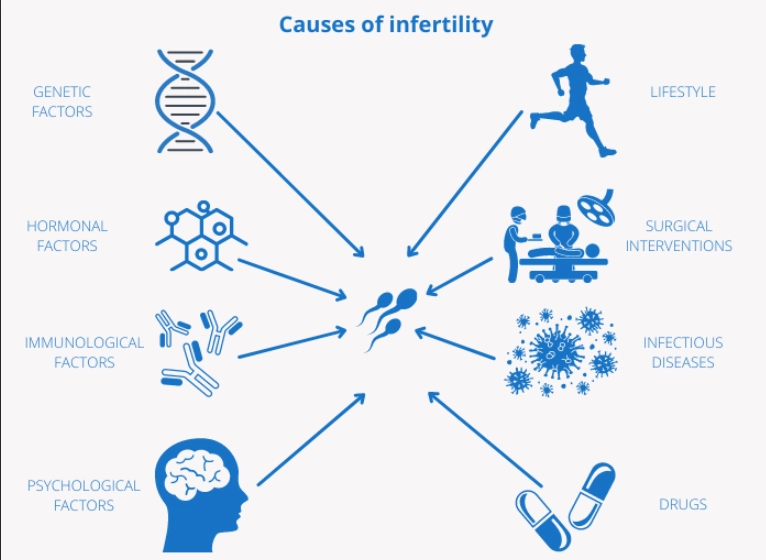
What You'll Find in This Guide
Let's cut through the noise. We'll start with the female reproductive system because, statistically, the initial evaluation often begins there. But a huge mistake couples make is stopping the conversation if one partner's initial tests come back "normal." Infertility is a team diagnosis.
The Female Factor: A System-Wide Check
About one-third of infertility cases are linked primarily to female factors. Think of it as a relay race where the egg needs to be released, picked up, transported, fertilized, and implanted. A problem at any leg stops the process.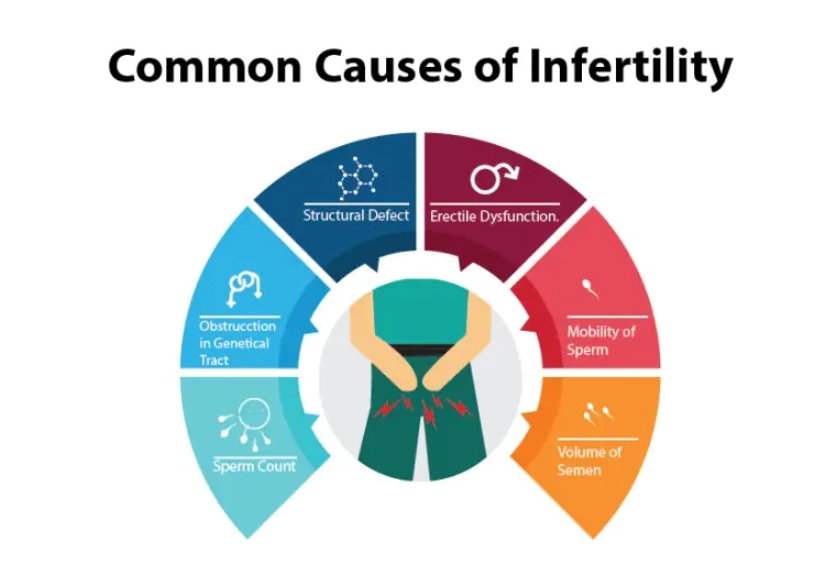
Ovulation Disorders: When the Starting Gun Doesn't Fire
No egg, no pregnancy. It's that simple. Polycystic Ovary Syndrome (PCOS) is the most common culprit here, but it's wildly misunderstood. It's not just about cysts on ovaries; it's a metabolic hormone imbalance that prevents regular ovulation. Women with PCOS often have irregular periods—think cycles spanning 35 to 90 days—which is the biggest red flag.
Then there's hypothalamic amenorrhea. This one flies under the radar. It's when the brain's signaling center (the hypothalamus) shuts down ovulation due to stress, excessive exercise, or low body weight. I've seen marathon runners and women in high-stress corporate jobs with this. Their hormone panels look "empty"—low across the board—because the master switch is off.
Premature ovarian insufficiency (POI), formerly called premature menopause, is another. It means the ovarian reserve depletes before age 40. The frustrating part? It can happen to women in their 20s and 30s with no family history.
Tubal and Uterine Factors: Roadblocks on the Journey
If ovulation is fine, the next checkpoints are the tubes and uterus. Blocked or damaged fallopian tubes prevent the egg and sperm from meeting. The main cause? Past infections like pelvic inflammatory disease (PID), often from untreated chlamydia or gonorrhea. Sometimes it's from previous surgeries like an appendectomy that caused scarring. The insidious thing about tubal blockages is they're often silent—no pain, no symptoms.
Inside the uterus, issues like fibroids (especially those that distort the cavity), polyps, or adhesions (Asherman's syndrome, often from a past D&C) can prevent a fertilized embryo from implanting properly. Think of it as trying to plant a seed in rocky or weedy soil.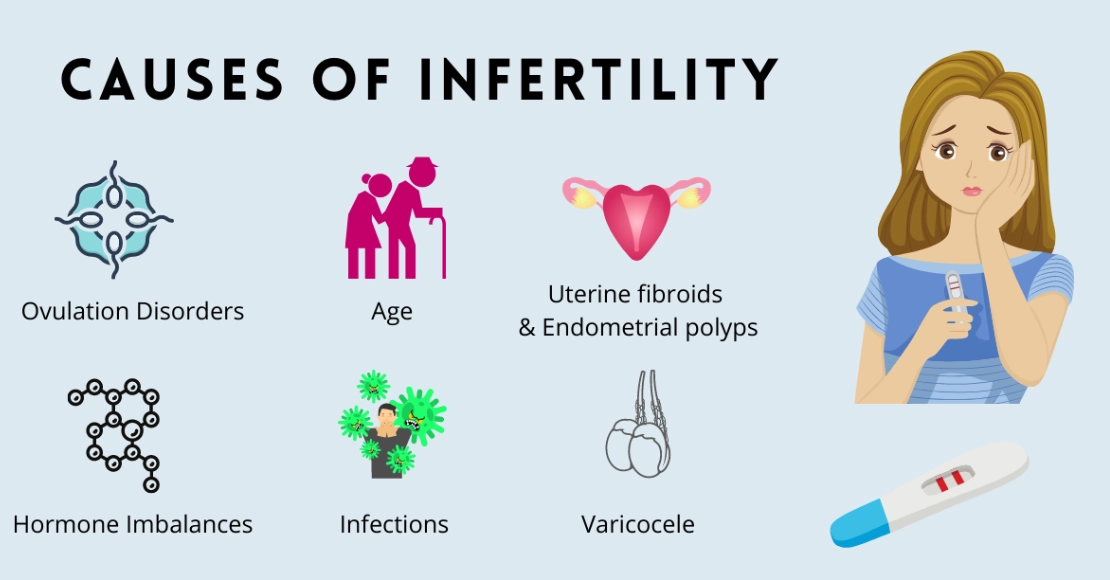
Here’s a quick comparison of some key female fertility factors:
| Cause | Primary Symptom/Indicator | Common Diagnostic Test | Typical Treatment Paths |
|---|---|---|---|
| PCOS | Irregular/absent periods, excess hair, weight gain | Blood work (androgens, AMH), ultrasound | Lifestyle change, ovulation induction meds (Clomid/Letrozole) |
| Tubal Blockage | Often none; history of PID or abdominal surgery | Hysterosalpingogram (HSG) | Laparoscopic surgery or in vitro fertilization (IVF) |
| Uterine Fibroids | Heavy periods, pelvic pressure; may be asymptomatic | Ultrasound, saline sonogram | Monitoring, myomectomy (surgical removal), or IVF if cavity is distorted |
| Diminished Ovarian Reserve | Shortening menstrual cycles ( | Blood work (AMH, FSH), Antral Follicle Count (AFC) ultrasound | Often requires more aggressive treatment like IVF, possibly with donor eggs |
The Male Factor: More Than Just a Number
Another third of cases are primarily due to male factors. The semen analysis is the cornerstone, but reading it takes nuance. It's not just about sperm count. Motility (movement) and morphology (shape) are equally critical. A man can have a billion sperm, but if none can swim straight, conception is unlikely.
Varicocele is the most common correctable cause of male infertility. It's a varicose vein in the scrotum that overheats the testicles, impairing sperm production. It's often palpable during a physical exam.
Then there are hormonal issues (like low testosterone), genetic conditions (like Klinefelter syndrome), or blockages in the ducts that carry sperm. Lifestyle hits hard here too. I tell my patients: the sperm you produce today was influenced by your lifestyle choices 70-90 days ago. That means months of heavy drinking, smoking, tight underwear, or hot tubs can have a delayed effect.
One under-discussed point? The impact of certain medications and supplements. Testosterone replacement therapy, for instance, can completely shut down natural sperm production. Some bodybuilding supplements have the same effect.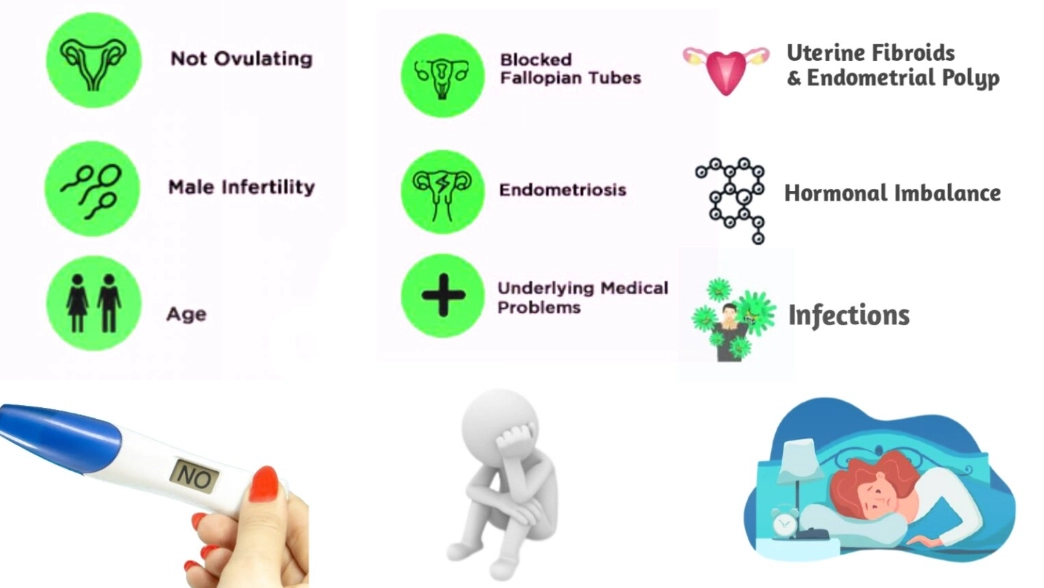
When Causes Combine or Remain a Mystery
In about 20% of couples, the problem is a combination of minor issues in both partners. Maybe her ovarian reserve is slightly low, and his sperm morphology is borderline. Separately, they might conceive. Together, they create a significant hurdle.
The Frustrating Realm of Unexplained Infertility
This label is given to about 15-30% of couples after a standard workup (semen analysis, HSG, ovulation confirmation) shows no clear cause. It's a diagnosis of exclusion, and it's incredibly frustrating. It doesn't mean there's no cause; it means our current standard tests can't identify it.
Potential hidden culprits include:
- Egg or sperm quality issues at a microscopic, DNA-fragmentation level that basic tests miss.
- Subtle endometriosis that doesn't show up on ultrasound but creates a hostile inflammatory environment in the pelvis. The American Society for Reproductive Medicine (ASRM) notes that endometriosis is found in a significant portion of women with unexplained infertility.
- Immune factors where the body's defenses mistakenly interfere with implantation.
- Poor embryo development after fertilization, which can only be observed with IVF.
My advice for couples with unexplained infertility? Don't view it as a dead end. View it as a need for more advanced detective work or a different treatment approach, like moving to intrauterine insemination (IUI) or IVF, which can both diagnose (by seeing if embryos form) and treat.
The takeaway? A normal test result is progress. It rules out major categories. The journey then becomes about optimizing what you can control and considering next-step procedures that might reveal the hidden issue.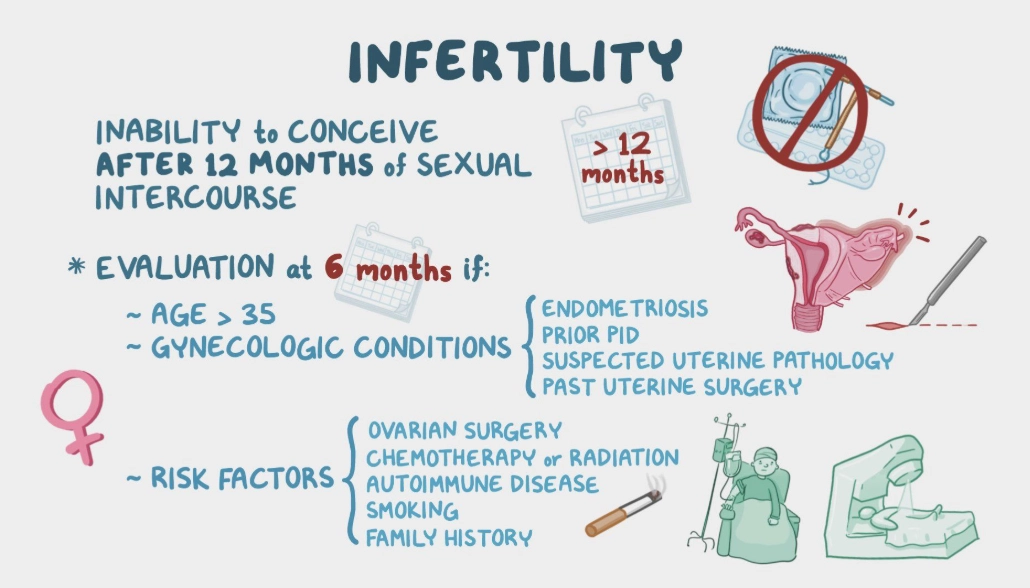
Your Top Infertility Cause Questions, Answered
If my partner's sperm analysis is normal, does that mean the problem is 100% with me?
Can stress alone cause infertility?
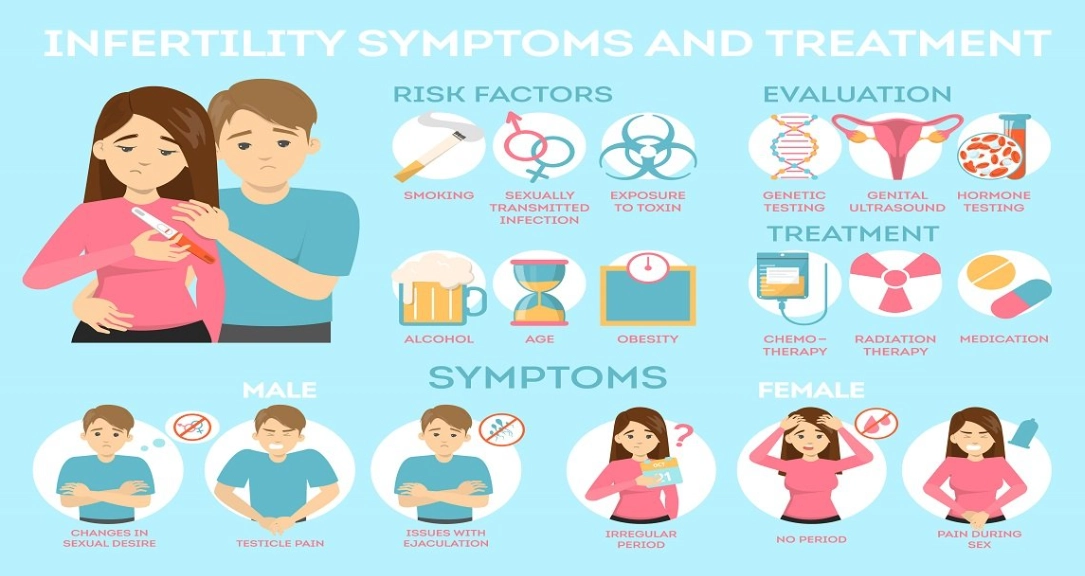 How long should we try before seeking testing for potential causes?
Are lifestyle causes like diet and weight really that big of a deal, or is that just doctors blaming patients?
We got diagnosed with "unexplained infertility." Does that mean we're just not trying hard enough or are too anxious?




Leave a comment