Here's the truth, straight up: asking if male infertility can be cured is the right question, but the answer isn't a simple yes or no. It's a "it depends, but very often, yes—we can effectively treat it." The word "cure" implies a permanent, complete fix that restores everything to a perfectly natural state. In male fertility, that's possible for some specific conditions. For others, the goal shifts to successfully managing the issue to achieve a pregnancy, which, for you and your partner, is the ultimate win.
I've spent over a decade in this field, and the most common mistake I see is couples—and sometimes doctors—jumping straight to advanced assisted reproductive technology (ART) like IVF without fully investigating the why. A significant portion of male infertility cases have identifiable, treatable causes. Skipping that detective work can mean opting for a more expensive, invasive solution when a simpler one existed.
In This Article: Your Roadmap to Answers
Understanding "Cure" in Male Infertility
Let's reframe the goal. Instead of just "cure," think in terms of restoring fertility potential. This happens on a spectrum.
On one end, you have definitive cures. A varicocele (enlarged veins in the scrotum) is repaired surgically, testicular temperature normalizes, and sperm production often improves naturally within 3-6 months. That's a cure. A hormonal imbalance like hypogonadism is corrected with medication, signaling the testes to produce sperm again. That's a cure.
On the other end, you have effective management. If you have a genetic condition causing zero sperm production (azoospermia), we might not be able to "cure" the genetics. But, we can often retrieve sperm directly from the testicle and use it with IVF/ICSI. The underlying condition remains, but the barrier to pregnancy is removed. For the couple, the outcome is the same: a baby.
How to Diagnose the Root Cause: The Fertility Detective Work
This isn't just a simple semen analysis. A proper male fertility workup is a multi-step process. If your doctor only orders one semen test and calls it a day, you're not getting the full picture. Here's what should happen:
- Detailed History & Physical Exam: This sounds basic, but it's critical. We ask about childhood illnesses (like undescended testes), past surgeries, infections, exposure to toxins, medication use, and lifestyle. The physical exam checks for testicle size, consistency, and the presence of a varicocele.
- Comprehensive Semen Analysis (SA): Not just one, but usually two, taken 2-3 months apart (that's a full sperm production cycle). We look at volume, count, motility (movement), and morphology (shape). The World Health Organization provides the reference ranges, but even "sub-normal" parameters don't always mean infertility.
- Hormone Blood Tests: Checking Follicle-Stimulating Hormone (FSH), Luteinizing Hormone (LH), Testosterone, and Prolactin. This tells us if the brain is signaling the testes properly.
- Specialized Tests (as needed): This is where we find the specific answers.
- Scrotal Ultrasound: To visually confirm a varicocele or check for other testicular issues.
- Post-Ejaculation Urinalysis: To check for retrograde ejaculation (sperm going into the bladder).
- Genetic Testing (Karyotype, Y-chromosome microdeletion): For men with very low or zero sperm counts.
- Testicular Sperm Extraction (TESE) Biopsy: The definitive test for obstructive vs. non-obstructive azoospermia. It tells us if sperm are being made but not coming out, or not being made at all.
Male Infertility Conditions That Can Be Cured (or Significantly Improved)
Here are the big ones where targeted treatment can lead to natural conception.
1. Varicocele
This is the most common reversible cause of male infertility, present in about 40% of men with primary infertility. The enlarged veins warm the testicles, impairing sperm production. Repairing it (varicocelectomy) is a minor outpatient surgery. Studies, including those cited by the American Urological Association, show it can improve semen parameters in 60-80% of men and increase pregnancy rates.
2. Hormonal Imbalances
If the pituitary gland isn't sending the right signals (hypogonadotropic hypogonadism), sperm production shuts down. This is often treatable with hormone replacement therapy (like hCG and FSH injections). It's a slower process—taking 6+ months—but can restart natural spermatogenesis. The Endocrine Society has clear guidelines on this.
3. Obstructive Azoospermia
Zero sperm in the ejaculate because of a blockage. This could be from a prior infection (like chlamydia), a vasectomy, or a congenital absence of the vas deferens (CBAVD). Microsurgical reconstruction (vasectomy reversal or vasoepididymostomy) can cure the obstruction, allowing sperm to return to the ejaculate. Success rates for vasectomy reversal are high, especially if it's been less than 10 years.
4. Infections & Inflammation
Acute infections of the reproductive tract (epididymitis, prostatitis) can cause scarring and blockages. Treating the infection with antibiotics can preserve fertility. Chronic inflammation can also damage sperm DNA; anti-inflammatory treatments and antioxidants may help.
Your Treatment Options: From Cure to Bypass
This table breaks down the pathways based on the diagnosis. It's your strategic menu.
| Underlying Cause | Primary Goal | Specific Treatment Options | Realistic Outcome |
|---|---|---|---|
| Varicocele | Correct anatomical issue | Varicocelectomy (surgical repair) | Improved semen parameters; chance for natural conception. |
| Hormonal Deficiency | Restore hormonal signaling | Clomiphene citrate, hCG/FSH injections, testosterone replacement (caution: can suppress sperm production) | Restart of natural sperm production; often requires 6-12 months. |
| Obstruction (e.g., Prior Vasectomy) | Re-establish sperm pathway | Microsurgical vasectomy reversal | Return of sperm to ejaculate; high success rates for natural pregnancy. |
| Idiopathic Low Count/Motility (No clear cause) | Improve sperm health | Antioxidant supplements (CoQ10, vitamins C&E), lifestyle changes, possibly IUI (Intrauterine Insemination) | Modest improvements possible; may need to progress to ART. |
| Severe Male Factor / Non-Obstructive Azoospermia | Retrieve viable sperm | TESE/microTESE (sperm retrieval) combined with IVF/ICSI | Bypasses the problem; enables pregnancy using retrieved sperm. |
| Ejaculatory Dysfunction | Retrieve sperm for use | Medication, electroejaculation, or sperm retrieval from urine (for retrograde) | Sperm obtained for use with IUI or IVF/ICSI. |
When a Direct "Cure" Isn't Possible: The Role of ART
For conditions like non-obstructive azoospermia (sperm production failure) or severe genetic issues, we may not be able to fix the root cause. This is where assisted reproductive technology isn't a failure—it's a brilliant workaround.
IVF with ICSI (Intracytoplasmic Sperm Injection) changed everything. With ICSI, a single sperm is injected directly into an egg. It bypasses the need for millions of motile sperm. Even men with only a handful of sperm retrieved via TESE can become biological fathers. According to data from the CDC's ART Success Rates, success rates with ICSI are comparable to standard IVF.
It's expensive and invasive for the female partner, no doubt. But for many, it's the only path to a biological child. The decision to move from "trying to cure" to "using ART" is a big one, best made with a full diagnostic picture in hand.
The Lifestyle Factor: What You Can Start Today
While not a "cure" for a medical condition, lifestyle is the foundation everything else is built on. I've seen men make changes and see noticeable improvements in their semen analysis. It's about creating the best environment for sperm production.
- Heat: Avoid hot tubs, saunas, and placing laptops directly on your lap. Opt for loose-fitting boxers over tight briefs.
- Substances: Smoking tobacco and marijuana significantly lowers sperm count and motility. Heavy alcohol use is also detrimental. Cutting back or quitting is one of the most effective non-medical interventions.
- Weight & Diet: Obesity is linked to lower testosterone and poorer sperm quality. A balanced diet rich in antioxidants (berries, nuts, leafy greens) and zinc (oysters, lean meat) supports sperm health. Don't underestimate this.
- Exercise & Stress: Moderate exercise is great; extreme endurance cycling can sometimes cause problems due to pressure and heat. Chronic stress raises cortisol, which can interfere with reproductive hormones. Find a way to manage it.
Give these changes a solid 3-month commitment (a full spermatogenesis cycle) before expecting to see changes on a repeat test.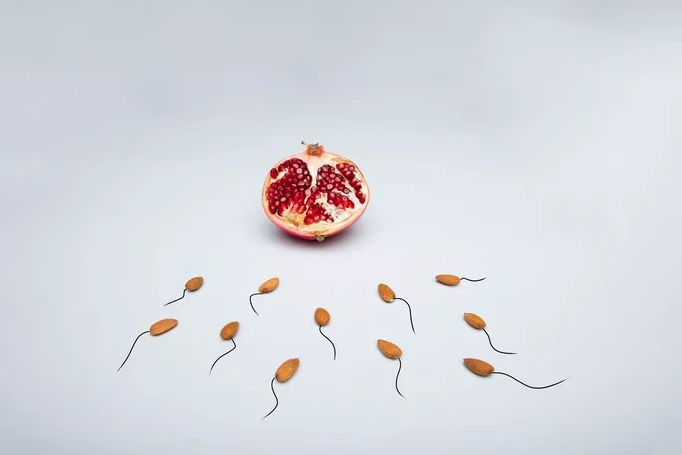
Frequently Asked Questions: The Real Talk
 I had a vasectomy 15 years ago. Is reversal a true cure, or should we just do sperm retrieval and IVF?
The journey through male infertility is tough, no sugarcoating it. But feeling powerless is the worst part. The power comes from knowledge and a precise diagnosis. Start with a reproductive urologist—a specialist in male fertility—and get that full workup. Understand exactly what you're dealing with. From there, you'll know if a true cure is on the table, or if the most effective path is a brilliant modern workaround. Either way, for the vast majority of men, the answer to "can we have a baby?" is a resounding, and well-supported, yes.




Leave a comment