Let's be honest. When you decide you're ready for a baby, you expect it to happen. Month after month of negative tests can feel like a personal failure, but it's almost never that. The reality is, not getting pregnant usually has a clear, medical reason. In about 85-90% of cases, there's an identifiable cause that can be addressed. The trick is figuring out which one applies to you.
I've spent over a decade talking to couples and individuals struggling with this. The most common mistake I see? People jump straight to assuming the worst—or blaming themselves—without understanding the full landscape of possibilities. Infertility is defined as the inability to conceive after one year of unprotected sex (or six months if you're over 35). It affects about 1 in 8 couples. The causes are split roughly equally: one-third are female factors, one-third are male factors, one-third are a combination or unexplained.
What’s Inside This Guide?
The Female Factor: Common Reasons in Women
When we talk about female infertility, we're usually looking at a problem with one of three key areas: ovulation, the fallopian tubes/uterus, or the cervix. Age is the elephant in the room that affects all of these.
Ovulation Disorders (The "No Egg" Problem)
This is the single most common cause, accounting for about 25% of infertility cases. If you're not ovulating (releasing an egg), pregnancy is impossible. The signs can be subtle. You might have irregular periods, very light periods, or no periods at all. But here's a twist many miss: you can have regular periods and still not be ovulating properly. It's called anovulation.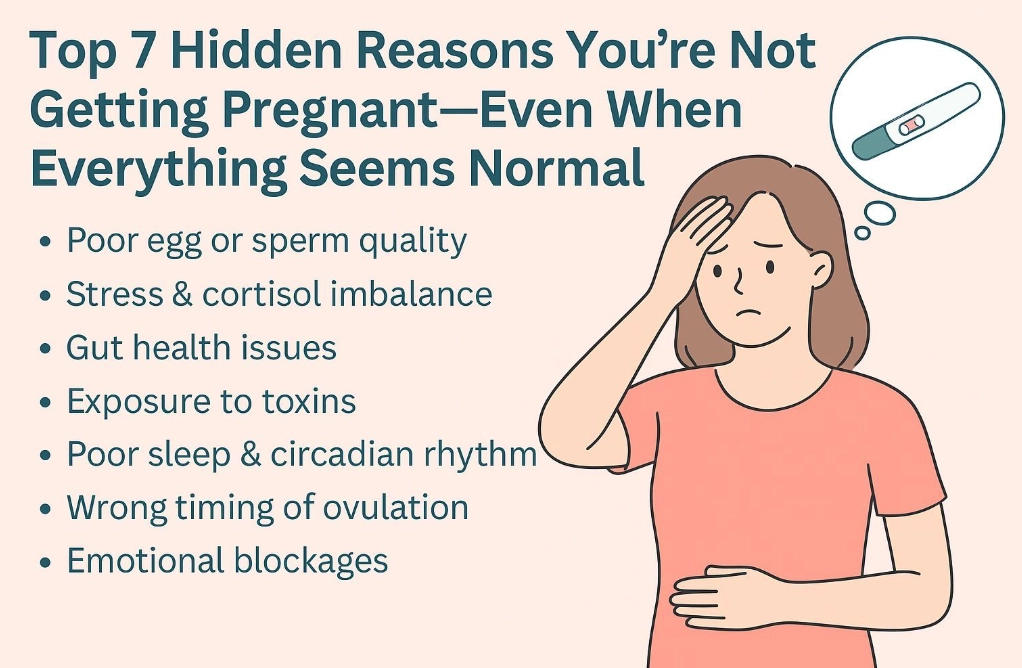
Polycystic Ovary Syndrome (PCOS) is the top culprit. It's a hormonal rollercoaster where your body produces too many androgens (male hormones), which messes up the ovulation signal. Eggs start to develop but don't fully mature or get released. Other causes include:
- Premature Ovarian Insufficiency (POI): Think of it as early menopause. Your ovaries call it quits before age 40.
- Thyroid Issues: Both an overactive and underactive thyroid can shut down ovulation. It's one of the easiest things to check and treat.
- Hyperprolactinemia: High levels of the milk-producing hormone prolactin can inhibit ovulation.
- Extreme Exercise, Stress, or Low Body Weight: Your body needs a certain amount of energy (read: fat) and calm to prioritize reproduction. If it's in survival mode, it shuts down the baby-making factory.
Fallopian Tube Damage or Blockage (The "Roadblock" Problem)
The egg and sperm meet in the tube. If the tubes are blocked or scarred, that meeting never happens. The main cause is Pelvic Inflammatory Disease (PID), often a silent aftermath of sexually transmitted infections like chlamydia or gonorrhea. You might have had it and never known. Other causes are previous surgeries in the area (like for appendicitis or ovarian cysts), or endometriosis.
Endometriosis & Uterine Problems (The "Hostile Environment" Problem)
Endometriosis is where tissue similar to the uterine lining grows outside the uterus. It causes inflammation, scarring, and can distort pelvic anatomy. It's notorious for causing pain, but in some women, infertility is the only symptom. It can affect egg quality, implantation, and cause tubal damage.
Uterine issues include fibroids (especially those that distort the uterine cavity), polyps, or a septum (a wall of tissue dividing the uterus). These can interfere with an embryo implanting or growing.
A Note on Age: This isn't just a "number." It's about egg quantity and quality. A woman is born with all the eggs she'll ever have. By her late 30s, not only are there fewer eggs left, but a higher percentage of the remaining ones have chromosomal abnormalities, making fertilization less likely and miscarriage more likely. It's the most common reason for age-related fertility decline.
The Male Factor: It's Not Just About Sperm Count
Male factor infertility is involved in about 30-40% of cases. The stereotype is low sperm count, but that's only part of the story. A semen analysis looks at three key things: count (how many), motility (how well they swim), and morphology (how well they're shaped). A problem in any area can be the reason.
| Potential Cause | What It Means | Common Reasons |
|---|---|---|
| Varicocele | A swelling of the veins that drain the testicle. It's the most common reversible cause of male infertility. | Raises scrotal temperature, which impairs sperm production. |
| Infections | Past or current infections can block sperm passage or affect production. | STIs, mumps after puberty, prostatitis. |
| Retrograde Ejaculation | Semen enters the bladder instead of exiting the penis. | Diabetes, spinal injuries, surgeries, certain medications. |
| Hormonal Imbalances | The brain isn't sending the right signals to the testicles. | Pituitary gland disorders, steroid abuse. |
| Genetic Defects | Inherited conditions like Klinefelter syndrome. | Can cause severely low or no sperm production. |
| Lifestyle & Environmental | Exposure to toxins, heat, or habits that damage sperm. | Smoking, heavy alcohol, anabolic steroids, pesticides, prolonged biking, hot tubs. |
One thing I always tell men: don't rely on an at-home sperm test. They only check count. You need a full lab analysis to assess motility and morphology, which are just as crucial.
Combined, Unexplained & Lifestyle Factors
Sometimes, it's a mix of minor issues in both partners that alone wouldn't be a problem, but together they are. Other times, we have unexplained infertility—about 15-30% of cases. All standard tests come back normal. It's frustrating, but it often points to subtler issues like poor egg or sperm quality, fertilization problems, or implantation failure that we can't easily detect with basic tests.
Then there's lifestyle. It's rarely the sole cause, but it can be the tipping point.
- Weight: Being significantly over or underweight disrupts hormone balance in both men and women. For women with PCOS, losing just 5-10% of body weight can restart ovulation.
- Smoking: It ages your ovaries, damages sperm DNA, and increases miscarriage risk. It's one of the worst offenders.
- Alcohol: Heavy drinking is a definite problem. The data on moderate drinking is murkier, but most experts recommend cutting it out when trying.
- Stress: Chronic, severe stress can affect ovulation and sperm production. It's more about the constant, draining stress than everyday worries.
What to Do Next: A Practical Action Plan
Feeling overwhelmed? Don't. The process is about systematic elimination. Here's how to move forward logically.
1. Track and Observe (Months 0-3)
Before you see a doctor, get data. Use ovulation predictor kits (OPKs) or track your basal body temperature (BBT) to confirm you're ovulating. Note the length of your cycle. For men, consider lifestyle adjustments: avoid tight underwear, hot baths, and heavy drinking for at least 3 months (that's how long sperm production takes).
2. The Initial Medical Workup (When to Go)
See your OB/GYN or a family doctor if you're under 35 and have been trying for a year, or after 6 months if you're 35 or older. Go sooner if you have red flags: irregular/no periods, known PCOS/endometriosis, painful periods, prior pelvic surgery or infections, or if your partner has known sperm issues.
The initial workup should include:
- For her: Day 3 FSH/Estradiol and AMH tests (egg reserve), TSH/Progesterone (ovulation/thyroid), possibly a pelvic ultrasound.
- For him: A proper semen analysis at a reputable lab. One abnormal test isn't conclusive; it needs to be repeated.
3. Seeing a Specialist & Further Testing
If basic tests are inconclusive, a Reproductive Endocrinologist (RE) is the expert. They might recommend:
- Hysterosalpingogram (HSG): An X-ray to check if your tubes are open.
- Hysteroscopy/Sonohysterogram: To look inside the uterus.
- Laparoscopy: A surgical look for endometriosis or scar tissue (usually if other symptoms point to it).
4. Treatment Pathways: A Quick Overview
Treatment depends entirely on the cause.
- Ovulation Problems: Medications like Clomid or Letrozole are often first-line.
- Tubal Blockages: Surgery or in vitro fertilization (IVF).
- Endometriosis: Surgery to remove lesions, often followed by IVF.
- Male Factor: Depending on severity, options range from lifestyle changes and medication to Intrauterine Insemination (IUI) or IVF with Intracytoplasmic Sperm Injection (ICSI).
- Unexplained: Often starts with IUI and progresses to IVF, which can itself be a diagnostic tool—seeing how eggs and sperm behave in the lab can reveal the hidden problem.
Your Burning Questions Answeredv
 My partner's sperm analysis came back "normal." Does that completely rule him out?



Leave a comment