Let's talk about hormones. Not the abstract medical concept, but the real, daily experience. The crushing fatigue that hits at 3 PM, the mood swings that feel like you're on a rollercoaster you never bought a ticket for, the stubborn weight around your middle that refuses to budge, or the unpredictable cycles that make planning anything a gamble. If you're nodding along, you're not imagining things, and you're certainly not alone. This is the lived reality of hormonal imbalance for countless women. The good news? Your body has an incredible capacity to find its way back to balance, and often, the most powerful tools aren't found in a prescription bottle, but in your kitchen, your daily routine, and your mindset.
This guide cuts through the noise. We're moving past generic advice like "eat healthy" and "reduce stress"—though those are pillars—and diving into the specific, actionable, and science-supported natural strategies that can genuinely recalibrate your endocrine system. I've seen these approaches work, not just in studies, but in the lives of friends and clients who were tired of just managing symptoms and wanted to address the root cause.
Your Roadmap to Hormonal Harmony
Food as Your Primary Medicine: The Hormone-Healing Plate
Think of food as information. Every bite sends instructions to your cells, your gut, and yes, your hormone-producing glands. The goal isn't a restrictive diet, but a nutrient-dense, anti-inflammatory way of eating that supports detoxification, stable blood sugar, and healthy estrogen metabolism. This is where most generic advice falls short. It's not just about "more veggies"; it's about the right veggies and how they work together.
A common mistake I see: People load up on raw cruciferous veggies (like kale and broccoli) for their detox benefits, which is great, but if you have a sluggish thyroid (common in hormone imbalance), consuming them exclusively raw in large quantities can be counterproductive. Lightly steaming or sautéing them deactivates the goitrogens and makes their nutrients more accessible.
Building Your Plate: The Key Players
Fiber is your best friend. It binds to excess estrogen in the digestive tract and escorts it out of the body. Think 35-45 grams daily. This comes from a variety of sources: flaxseeds (ground is best), chia seeds, legumes, berries, avocados, and whole vegetables like artichokes and Brussels sprouts.
Healthy fats are non-negotiable. Hormones are literally made from cholesterol. Skimp on fat, and you're skimping on building blocks. Prioritize avocados, olive oil, nuts, seeds, and fatty fish like wild-caught salmon. Omega-3s from fish or algae oil are potent anti-inflammatories.
Protein at every meal. This is crucial for blood sugar stability. When blood sugar spikes and crashes, it triggers cortisol (your stress hormone) release, which throws other hormones like progesterone out of whack. Aim for palm-sized portions of clean protein: pasture-raised eggs, organic poultry, wild fish, lentils, or tempeh.
Try This: A Day on a Hormone-Supportive Plate
Breakfast: 2-egg omelet with spinach and mushrooms, cooked in coconut oil, topped with half an avocado.
Lunch: Large salad with mixed greens, grilled chicken, roasted chickpeas, sunflower seeds, and an olive oil & lemon dressing.
Snack: Full-fat Greek yogurt with a handful of berries and a tablespoon of ground flaxseed.
Dinner: Baked salmon with a side of steamed broccoli and a small sweet potato with ghee.
The goal is balance, color, and real food at every turn.
Herbal Allies: Nature's Pharmacy for Hormone Support
Herbs are powerful modulators. They don't force your body to do something; they gently nudge it toward balance. However, this isn't a "one herb fits all" situation. Your specific symptoms—are you feeling wired and anxious, or sluggish and depressed?—point to different herbal strategies.
Adaptogens are the superstar category. They help your body adapt to stress, which is foundational for hormone health. Research from institutions like the National Center for Complementary and Integrative Health acknowledges their role in stress response.
- Ashwagandha: Excellent for the "tired but wired" feeling. It can lower cortisol, support thyroid function, and improve sleep. I find it works best taken consistently for at least 6-8 weeks. A common pitfall? Taking it in the evening if it energizes you—try morning or afternoon instead.
- Rhodiola: Better for fatigue with brain fog and low mood. It's more energizing than Ashwagandha.
- Holy Basil (Tulsi): A gentler adaptogen, wonderful as a daily tea for overall stress resilience and blood sugar support.
For Cycle-Specific Support:
Vitex (Chasteberry) is often touted for PMS and irregular cycles. It works on the pituitary gland to promote progesterone production. Here's the nuanced view many miss: it works slowly, over 3-6 months, and can sometimes make things feel worse before they get better as your body adjusts. It's not a quick fix.
Dong Quai is known as the "female ginseng" in Traditional Chinese Medicine, often used for menstrual cramps and cycle regulation. A simple way to use it? Steep a 1-inch piece of the dried root with a few slices of fresh ginger for a warming tea during your period.
The Non-Negotiable Lifestyle Levers: Sleep, Stress, and Movement
You can eat all the right foods and take the perfect herbs, but if you're burning the candle at both ends, progress will be glacial. These are the foundational habits that either make or break your hormone-healing journey.
Sleep: The Ultimate Hormone Reset
Deep sleep is when your body repairs itself, regulates cortisol, and produces growth hormone. Aiming for 7-9 hours is a start, but quality is king. A dark, cool room is essential. The biggest disruptor? Blue light from screens. It tricks your brain into thinking it's daytime, suppressing melatonin. Try blue-light blocking glasses after sunset, or at least use night mode on your devices.
My personal rule? No phone in the bedroom. I charge it in another room. The first few nights were hard, but now I fall asleep faster and wake up feeling more restored.
Stress Management: It's Not Optional
Chronic stress means chronically high cortisol. High cortisol steals progesterone to make more cortisol (the "pregnenolone steal"), leading to estrogen dominance symptoms. It also promotes insulin resistance and belly fat storage.
Find your daily de-stressor. It doesn't have to be an hour of meditation (though that's great). It could be 5 minutes of deep belly breathing, a 10-minute walk in nature, journaling three things you're grateful for, or even humming (which stimulates the vagus nerve). Consistency beats duration.
Movement: The Sweet Spot
More is not always better. Intense, long-duration cardio can actually increase cortisol and worsen hormonal issues for some women. The goal is to move your body in a way that feels good and reduces stress.
Prioritize: Walking (aim for 8-10k steps daily), strength training (2-3x week to build metabolically active muscle), yoga, or Pilates. Listen to your body. If you're exhausted, a gentle walk or restorative yoga is better than pushing through a hard workout.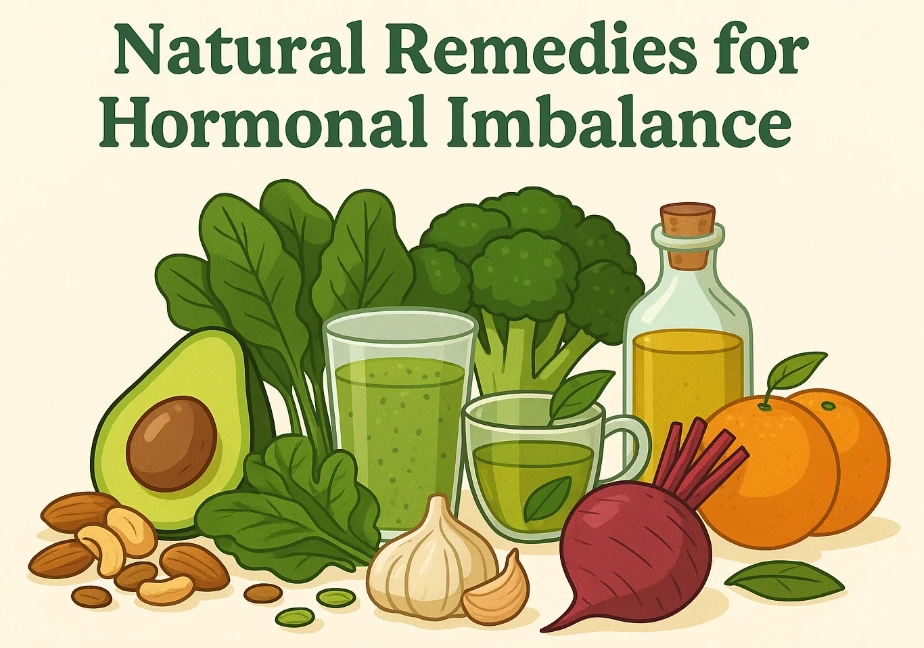
Your Top Questions on Natural Hormone Balance, Answered
 Are there specific natural remedies for hormonal acne?


Leave a comment