Let's cut through the noise. The best thing for anti-aging isn't a $500 cream, a trendy supplement, or a magic pill. It's a boring, consistent, multi-pronged strategy that works from the inside out. After years of reading studies and seeing what actually makes a difference for people, I've realized most advice misses the forest for the trees. They focus on erasing a single wrinkle while ignoring the system that created it. True anti-aging is about slowing down the biological clock at a cellular level, and that requires a holistic shift.
Think of it like maintaining a classic car. You wouldn't just polish the hood and ignore the engine, right? Yet that's exactly what we do when we slather on serums but eat junk food and skimp on sleep. The real magic happens when you align daily habits with how your body is designed to repair and renew itself.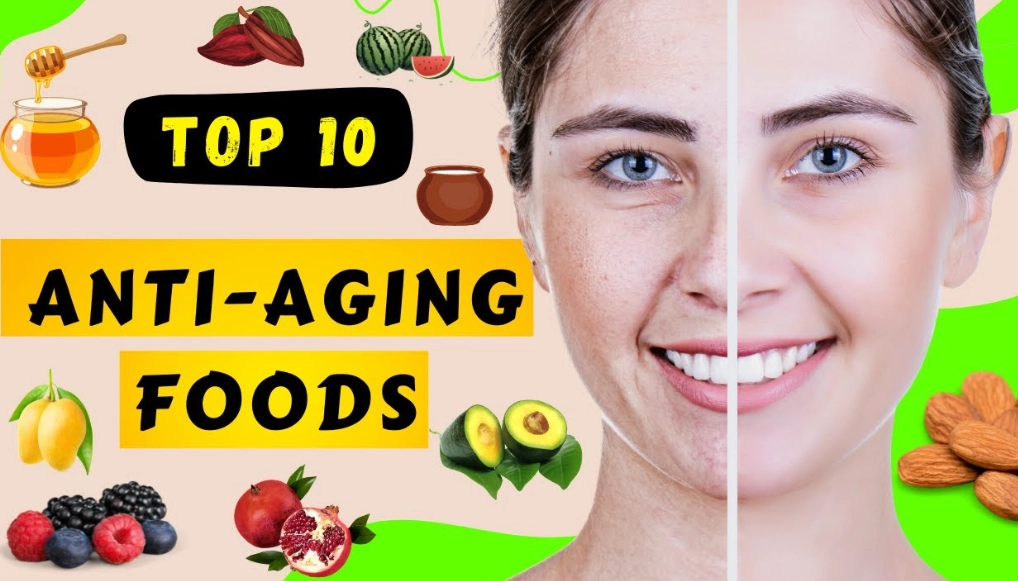
Your Quick Guide to Aging Well
The Three Pillars of Effective Anti-Aging
Forget searching for one miracle solution. Sustainable results come from building on these three foundations. Neglect any one, and your efforts in the others become less effective.
Pillar 1: Protection and Defense
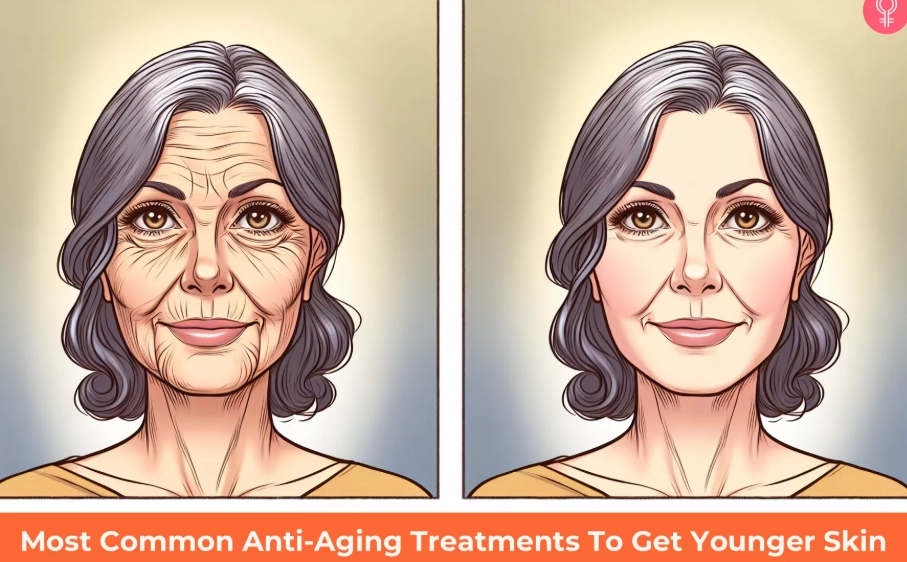
This is non-negotiable. Your skin and cells face daily assaults, primarily from the sun and environmental pollutants. Sun exposure is responsible for up to 90% of visible skin aging, according to research from the National Institutes of Health (NIH). It breaks down collagen and elastin, causing wrinkles, sagging, and spots. But protection goes deeper.
It's about creating a barrier. A broad-spectrum sunscreen (SPF 30 or higher) is your most powerful anti-aging product, period. I don't care if it's cloudy or you're indoors near a window. Make it as habitual as brushing your teeth. Antioxidants, both topical (like vitamin C serum) and dietary (from colorful fruits and veggies), act as your internal defense force, neutralizing free radicals before they damage cells.
Pillar 2: Nutrition and Repair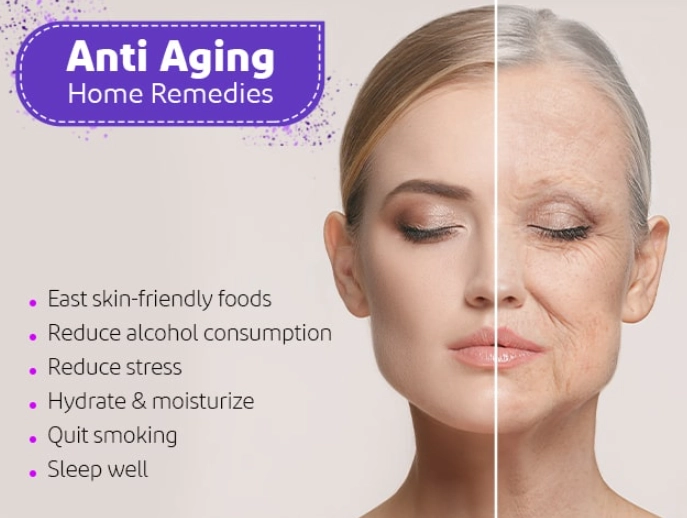
Your body can't build youthful skin, strong muscles, or sharp cognition from poor-quality materials. The standard Western diet, high in processed foods and sugar, fuels inflammation—a major accelerator of aging. This is where I see the biggest gap between common knowledge and expert action.
Everyone knows "eat your vegetables," but few understand why it's critical for anti-aging. It's about providing the raw materials for autophagy (your body's cellular cleanup process) and supplying micronutrients that act as co-factors for thousands of repair enzymes. A study published in the New England Journal of Medicine highlighted the role of specific nutrients in maintaining telomere length, a key biomarker of cellular aging.
Focus on protein for muscle and collagen synthesis, healthy fats for cell membrane integrity, and a rainbow of plants for phytonutrients. Hydration is part of this pillar too—dehydrated cells simply don't function or repair optimally.
Pillar 3: Lifestyle and Regeneration
This pillar houses the silent aging accelerators and decelerators. It's how you manage stress, how you sleep, and how you move.
Sleep is when your body does its most intensive repair work. Growth hormone release, collagen production, brain detoxification—it all peaks during deep sleep. Skimping on sleep raises cortisol (a stress hormone that breaks down collagen) and directly leads to puffy eyes, dull skin, and impaired recovery.
Chronic stress is like constantly pressing the gas pedal on aging. It shortens telomeres, increases inflammation, and worsens every age-related condition. Managing it isn't a luxury; it's a core anti-aging protocol.
Movement, particularly a mix of strength training and cardio, is a potent signal to your body to maintain itself. Muscle mass naturally declines with age (sarcopenia), but resistance training directly counters this, boosting metabolism and supporting posture and mobility.
The Expert Angle: Most people prioritize Pillar 1 (protection) because it's visible, then maybe dabble in Pillar 2 (nutrition). But Pillar 3 (lifestyle) is the force multiplier. You can use the best sunscreen and eat perfectly, but if you're chronically stressed and sleep-deprived, you're fighting a losing battle. The body stays in breakdown mode, not repair mode.
Your Anti-Aging Daily Habits Checklist
Let's get practical. Here’s a breakdown of what integrating these pillars looks like on a Tuesday in October. This isn't about perfection; it's about consistency across key areas.
| Habit Category | Specific Action | Why It Works |
|---|---|---|
| Morning Protection | Apply vitamin C serum followed by a moisturizer with SPF 30+ to face, neck, and hands. | Antioxidant defense + UV protection from the two main external aging factors. |
| Hydration Kickstart | Drink a large glass of water before coffee. | Rehydrates after sleep, supports cellular functions and skin plumpness. |
| Nutrient-Dense Breakfast | Greek yogurt with berries and walnuts, or eggs with spinach. | Provides protein, antioxidants (berries), omega-3s (walnuts), and leafy greens for folate and fiber. |
| Movement Snack | 20-minute brisk walk, or 10 minutes of bodyweight exercises (squats, push-ups). | Boosts circulation, manages stress hormones, maintains muscle. |
| Mindful Midday Reset | 5-minute deep breathing or meditation after a stressful meeting. | Lowers cortisol, prevents chronic stress damage. |
| Afternoon Nutrition | Green tea instead of a sugary soda. A handful of almonds as a snack. | Green tea has EGCG (a potent antioxidant). Almonds provide vitamin E and healthy fats. |
| Evening Wind-Down | Digital curfew 1 hour before bed. Read a book instead of scrolling. | Reduces blue light exposure, which disrupts melatonin production and sleep quality. |
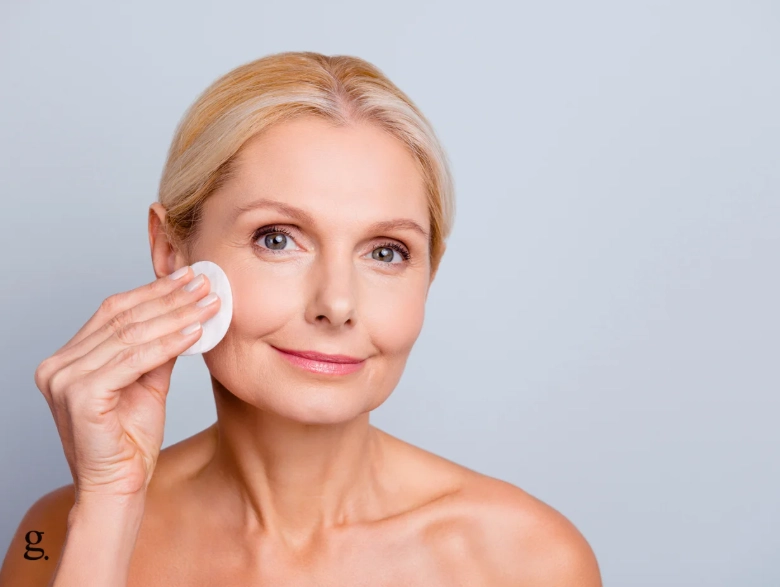
| Nightly Repair | Cleanse skin, apply a retinoid or peptide serum (2-3 times a week), moisturize. | Removes pollutants, encourages cellular turnover and collagen production during sleep. |
| Sleep Priority | Aim for 7-8 hours in a cool, dark room. | Peak time for physiological repair, hormone regulation, and memory consolidation. |
See? It's not about drastic changes. It's layering small, intelligent choices that compound over months and years. The person who does 80% of this consistently will out-age the person who does one thing perfectly and ignores the rest.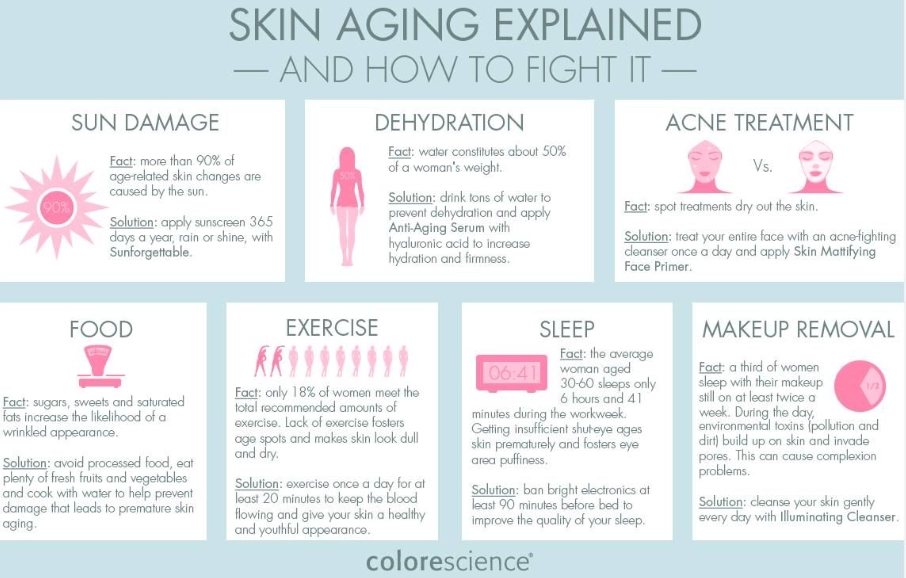
Common Anti-Aging Mistakes You're Probably Making
Here's where my decade of looking at this stuff gets real. I've seen these patterns over and over.
Mistake 1: Chasing quick fixes while neglecting sleep. You'll spend hundreds on a "bottled collagen" drink but regularly get only 5-6 hours of sleep. Your body produces its own collagen primarily during deep sleep. No supplement can compensate for that lost repair time. It's like trying to fill a bathtub with the drain wide open.
Mistake 2: Over-exfoliating and damaging your skin barrier. In the quest for smooth skin, people go crazy with acids and scrubs. A compromised skin barrier leads to inflammation, dehydration, and increased sensitivity—all of which make you look older. Gentle cleansing and supporting your barrier with ceramides is often more anti-aging than aggressive exfoliation.
Mistake 3: Doing only cardio for exercise. While great for heart health, steady-state cardio alone doesn't combat sarcopenia (muscle loss). Without strength training, you lose metabolic rate, functional strength, and the structural support that keeps your posture upright. Muscle is youth-promoting tissue.
Mistake 4: Thinking "natural" means no sunscreen. I've heard it: "I just use coconut oil and get my vitamin D." Sun damage is cumulative and irreversible at a cellular DNA level. There is no "natural" or "healthy" tan when it comes to aging. Vitamin D can be sourced from supplements and food; don't use it as an excuse to skip SPF.
Your Anti-Aging Questions, Answered
I use a good retinoid and sunscreen, but I'm still getting new lines. What am I missing?
Is there a single most important supplement for anti-aging?
 How do I start strength training if I've never done it and I'm over 50?
Do expensive "medical-grade" skincare products work better?
 The journey to slowing aging is a marathon, not a sprint. It's built on the small, daily decisions that respect your biology. Stop looking for a single "best thing." Instead, build your personal protocol around the three pillars: protect relentlessly, nourish intentionally, and live mindfully. That's the sustainable, science-backed secret no one wants to hear because it requires effort, but it's the only thing that truly works.




Leave a comment