Let's be honest. When you hear "prevent osteoporosis," you probably think of a glass of milk and maybe some calcium pills. If that's your entire plan, you're missing about 80% of the picture. After working with patients on bone health for years, I've seen too many people focus solely on calcium, only to be disappointed when their next bone density scan shows little improvement. The real strategy is a multi-pronged attack that starts much earlier than you think.
The best way to prevent osteoporosis is a consistent, lifelong commitment to three pillars: targeted nutrition that goes beyond calcium, specific types of exercise that stress your bones, and eliminating lifestyle habits that silently steal your bone mineral density. It's less about a single magic bullet and more about building a daily framework that supports your skeleton.
This guide cuts through the noise. We'll move past the basic advice and into the specifics that actually move the needle on your bone density scores.
What You'll Learn in This Guide
The Bone-Building Nutrition Pillar (It's Not Just Calcium)
Yes, calcium is the primary building block. But swallowing a pill without the supporting crew is like trying to build a brick wall without mortar. The nutrients below work as a team.
Calcium: The Main Event, But Source Matters
Adults need about 1,000 mg daily, rising to 1,200 mg for women over 50 and men over 70. Food first is the golden rule. Your body absorbs calcium from food better than from most supplements.
Top Food Sources: Plain yogurt (415 mg per cup), sardines with bones (325 mg per 3 oz), cheddar cheese (307 mg per 1.5 oz), fortified plant milks (300-450 mg per cup), kale (94 mg per cup cooked).
Here's a common mistake: taking your calcium supplement all at once. Your body can only absorb about 500 mg at a time. If you need supplements, split the dose – one with breakfast, one with dinner.
Vitamin D: The Essential Conductor
Without adequate Vitamin D, you might as well throw that calcium in the trash. Its job is to tell your gut to absorb the calcium you consume. The National Institutes of Health notes that many adults are deficient, especially those with limited sun exposure, darker skin, or living in northern latitudes.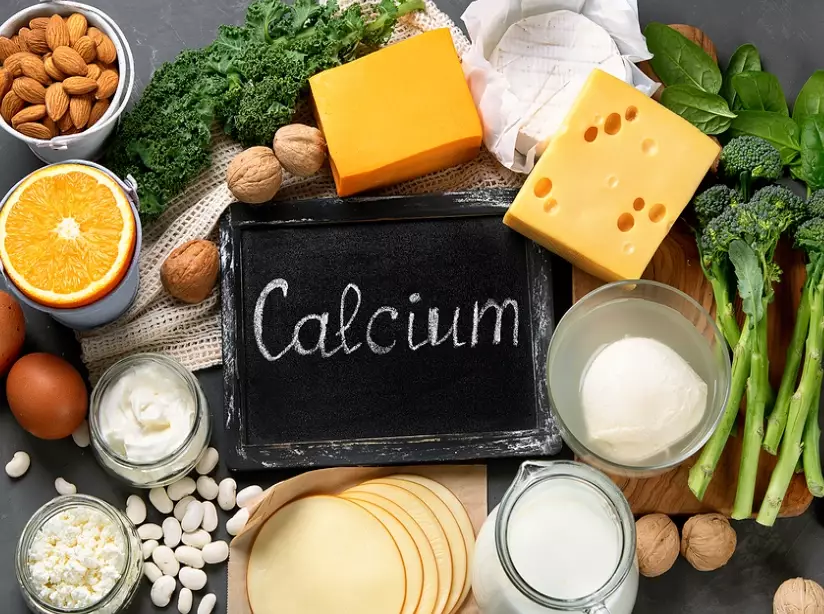
While fatty fish and fortified foods provide some, most people need a supplement. A daily dose of 800-2000 IU is typical for maintenance, but get your levels checked. The target blood level (25-hydroxyvitamin D) is at least 30 ng/mL.
The Supporting Cast Most People Ignore
This is where standard advice falls short.
Magnesium: Over half of adults don't get enough. It helps convert Vitamin D into its active form and is a component of bone crystals. Find it in almonds, spinach, black beans, and avocados.
Vitamin K2: This is the traffic director. It shuttles calcium from your bloodstream into your bones and teeth, and away from your arteries where it doesn't belong. Natto (fermented soy) is the best source, but it's an acquired taste. Grass-fed dairy and cheese also contain some. A supplement (MK-7 form) is a practical option for many.
Protein: Surprised? Bones are about 50% protein by volume. Adequate protein intake is crucial for maintaining the bone matrix that minerals latch onto. A 2017 review in the American Journal of Clinical Nutrition linked higher protein intake with higher bone density and reduced fracture risk in older adults. Aim for a palm-sized portion with each meal.
The Exercise Pillar: Which Moves Actually Strengthen Bone?
Bone is living tissue. It responds to stress by getting stronger. But not all exercise is created equal for bone health. Swimming and cycling are great for your heart, but they're low-impact and don't do much for your hips and spine. You need to give your bones a reason to adapt.
Weight-Bearing and Impact Exercise: Non-Negotiable
These activities force you to work against gravity while staying upright.
High-Impact (Best for younger, healthy bones): Running, jogging, hiking, dancing, jumping rope, tennis. The impact sends a strong "build bone!" signal.
Low-Impact (Safer for beginners or those with joint issues): Brisk walking, elliptical trainer, stair climbing. Consistency here is key – aim for at least 30 minutes most days.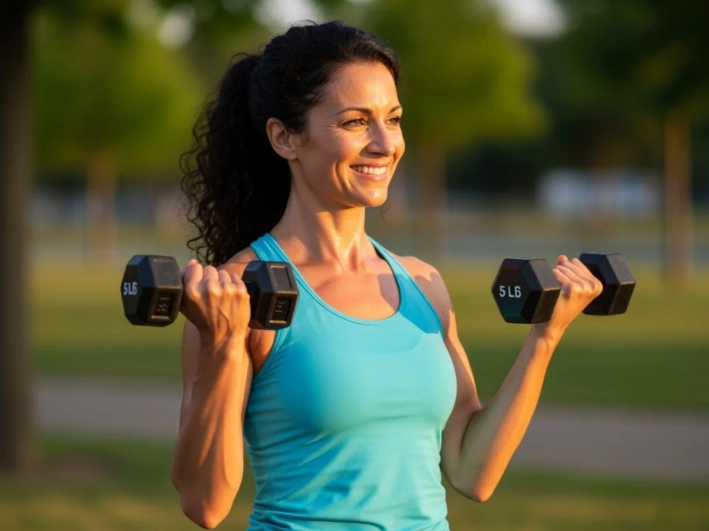
Strength Training: The Most Underrated Tool
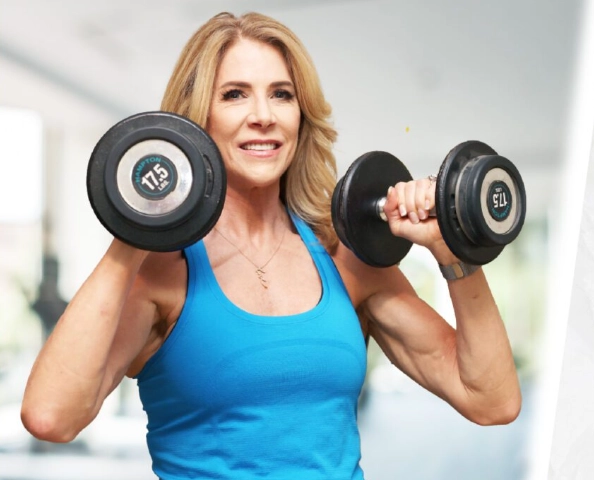
This is the secret weapon. Muscle pulling on bone during resistance exercises is a powerful stimulus for bone growth. A 2018 study showed that postmenopausal women who did progressive strength training significantly improved their hip bone density.
Focus on multi-joint movements that load the spine and hips:
- Squats and Lunges: Target hips and spine.
- Push-ups and Overhead Presses: Strengthen wrists and arms (common fracture sites).
- Rows and Deadlifts (with proper form): Build back strength crucial for posture.
Start with bodyweight or light weights, focusing on form. Two to three sessions per week is the sweet spot.
Balance and Posture Work: The Fracture Prevention Layer
Strong bones are useless if you fall and break them. As we age, balance becomes critical.
Incorporate just 5-10 minutes a day of balance practice: stand on one leg while brushing your teeth, try Tai Chi (proven to reduce fall risk), or use a balance board. Strengthen your core – a strong midsection helps you stay upright if you trip.
The Lifestyle & Prevention Pillar: Stopping the Silent Thieves
You can eat perfectly and exercise hard, but these habits can undo your progress.
| Habit | Effect on Bones | Actionable Advice |
|---|---|---|
| Smoking | Directly toxic to bone-building cells (osteoblasts), reduces estrogen levels, impairs calcium absorption. | Quitting is the single best move. Bone density improvements can be seen within a year of stopping. |
| Excessive Alcohol | More than 2 drinks daily interferes with calcium balance and bone remodeling. Increases fall risk. | Stick to moderate intake: 1 drink/day for women, 2 for men. Consider alcohol-free days each week. |
| High Sodium Diet | Causes your body to excrete more calcium in urine. | Read labels. Limit processed foods, canned soups, and fast food. Use herbs and spices instead of salt. |
| Excessive Caffeine | May slightly increase calcium excretion, but effect is small if calcium intake is adequate. | Keep it under 400 mg daily (about 4 cups of coffee). Don't have coffee with your calcium-rich meal or supplement. |
| Being Underweight | Low body weight (BMI under 18.5) means less mechanical stress on bones and often lower hormone levels. | Aim for a healthy BMI. Weight-bearing exercise helps build both muscle and bone mass. |
One subtle point nobody talks about: chronic stress. High cortisol levels over long periods can lead to bone loss. It's not just about diet and weights – managing stress through sleep, meditation, or hobbies is part of the bone health equation.
And about screenings: a DEXA scan is the gold standard. If you're a woman over 65, a man over 70, or have significant risk factors (family history, early menopause, long-term steroid use), talk to your doctor about getting a baseline. It's not just for diagnosis; it's a tool to measure the success of your prevention plan.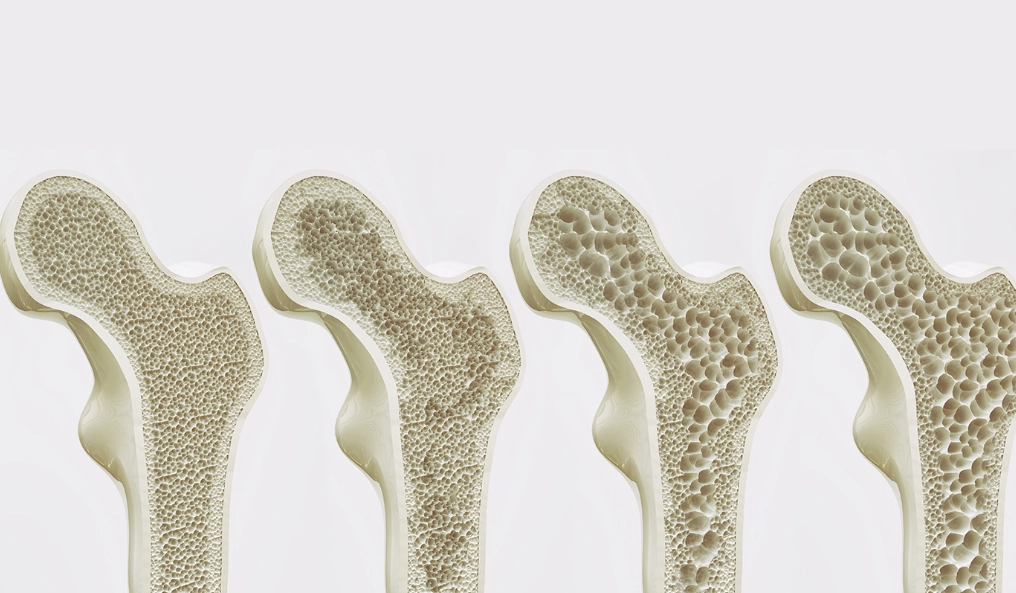
Your Bone Health Questions, Answered
If I'm already diagnosed with osteopenia (low bone mass), is it too late to prevent osteoporosis?
My mom has osteoporosis. Does that mean I'm doomed to get it too?
Are plant-based milks as good as dairy for bone health?
I hate lifting weights. Are there alternatives for strength training?
How long does it take to see improvements in bone density from lifestyle changes?
Preventing osteoporosis isn't a passive activity. It's an active construction project that lasts a lifetime. It's about the food you choose at the grocery store, the decision to take the stairs, the consistency of your strength routine, and the habits you avoid.
The best way isn't a single action. It's the sum of these daily choices. Start with one pillar today. Maybe it's adding a serving of leafy greens to dinner or doing five minutes of balance practice. Build from there. Your future, stronger-boned self will thank you.


Leave a comment