Let's get straight to the point. Managing your cholesterol isn't just about avoiding the bad stuff; it's a proactive game of adding the right stuff. Forget the confusing labels and conflicting advice you've heard. Based on years of reviewing the science and seeing what works for real people, the most effective strategy centers on specific, powerful foods that actively improve your lipid profile. This guide strips away the fluff and gives you a practical, food-first blueprint for better heart health.
What's Inside: Your Cholesterol Food Guide
The Power Players: Top 3 Food Categories That Actually Work
Most lists just throw random "healthy" foods at you. I'm grouping them by their proven mechanism of action. Knowing why a food helps is more useful than just memorizing a name.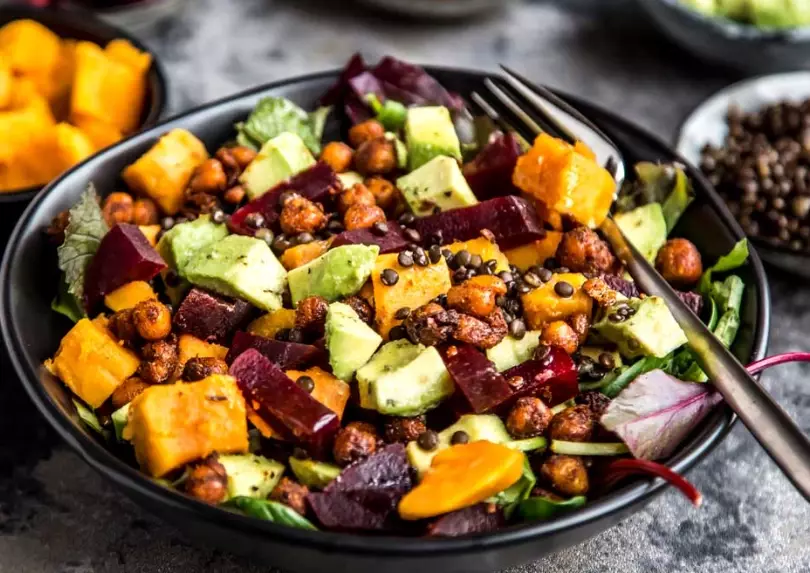
1. The Soluble Fiber Squad
This is your frontline defense. Soluble fiber acts like a sponge in your gut, binding to cholesterol (specifically LDL, the "bad" kind) and helping your body excrete it before it gets absorbed. The American Heart Association consistently highlights this as a cornerstone of dietary management.
- Oats & Barley: Not just for breakfast. A daily bowl of oatmeal (not the instant sugary kind) can lower LDL by 5-10%. I add barley to soups and stews for a chewy, filling boost.
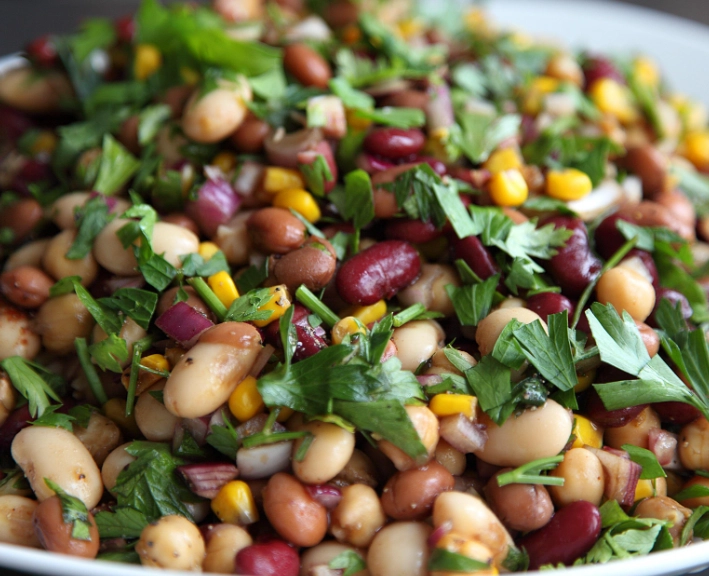
- Legumes: Beans, lentils, chickpeas. The most underrated food group. A cup a day is a fantastic goal. They're cheap, versatile, and packed with fiber and protein.
- Apples, Citrus Fruits, & Berries: The pectin in apples and the flesh of citrus are particularly good. Eat the whole fruit, not just the juice.
- Psyllium Husk: A concentrated source. Mixing a teaspoon into water or yogurt is a powerful supplement if you're struggling to get enough from food alone.
2. The Healthy Fat All-Stars
The old "avoid all fat" advice was disastrous. Replacing saturated fats with unsaturated fats is key. These foods can raise your HDL (the "good" cholesterol) and improve the overall particle quality of your LDL.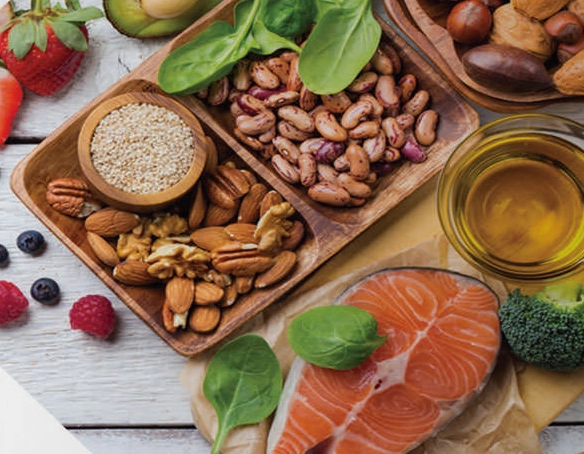
| Food | Key Component | Practical Tip |
|---|---|---|
| Avocados | Monounsaturated fats | Use mashed avocado instead of mayo on sandwiches. |
| Olive Oil & Canola Oil | Monounsaturated fats | Your primary cooking oils. Drizzle extra virgin olive oil on finished dishes. |
| Fatty Fish (Salmon, Mackerel) | Omega-3 fatty acids (EPA & DHA) | Aim for two 3.5-oz servings per week. Canned salmon is a great, affordable option. |
| Nuts & Seeds (Walnuts, Almonds, Flaxseed) | Polyunsaturated fats, plant sterols, fiber | A small handful (about 1 oz) daily. Keep a jar of mixed nuts at your desk. |
3. The Plant Sterol & Stanol Specialists
These are plant compounds that structurally resemble cholesterol. They compete with dietary cholesterol for absorption in your gut, effectively blocking it. You get small amounts from plants, but fortified foods can deliver a clinically effective dose.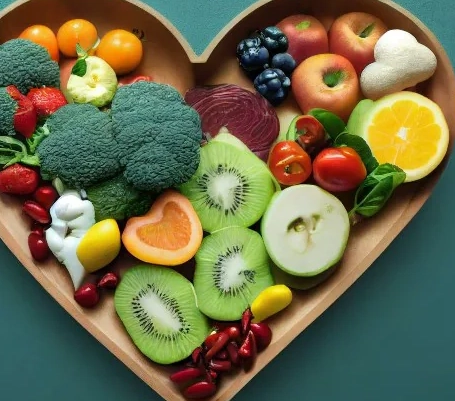
Where to find them: Naturally in vegetable oils, nuts, seeds, and whole grains. In concentrated, fortified forms in certain margarines, orange juices, and yogurts (look for labels like "heart health" or mentions of plant sterols). For example, consuming 2 grams of plant sterols daily can lower LDL by about 10%.
How to Build a Cholesterol-Lowering Plate (A Day in the Life)
Abstract advice is useless. Let's make it concrete. Here’s how these foods come together in real meals.
Breakfast (The Most Important Meal for Fiber): This is where most people fail. Skipping breakfast or having a refined carb meal (toast, sugary cereal) sets a poor metabolic tone for the day. Instead, try a bowl of steel-cut oats topped with a tablespoon of ground flaxseed, a handful of blueberries, and a few walnut pieces. If you're rushed, a smoothie with spinach, half a banana, a tablespoon of psyllium husk, and unsweetened almond milk works.
Lunch: A large salad is perfect. Base it with mixed greens and chickpeas or lentils for protein and fiber. Add avocado slices, cherry tomatoes, cucumber, and a sprinkle of sunflower seeds. Dress with a simple vinaigrette of olive oil, lemon juice, and herbs. On the side, a small apple.
Dinner: Focus on a plant-centric plate. A serving of baked salmon (rich in omega-3s) with a side of quinoa (a whole grain) and a generous portion of roasted broccoli and Brussels sprouts drizzled with olive oil. The fiber from the vegetables and quinoa, combined with the healthy fats, makes this a heart-healthy powerhouse.
Snacks: A small handful of almonds, an orange, or carrot sticks with hummus (made from chickpeas).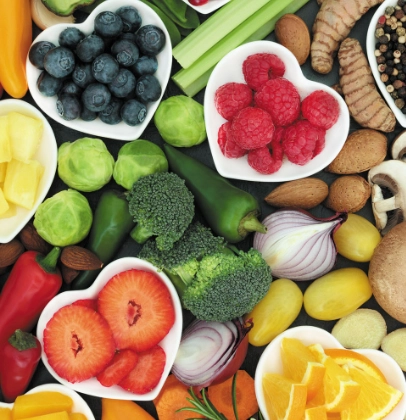
Common Mistakes & The "Low-Fat" Trap
Here's a subtle error I see constantly: people see "low-fat" on a label and think it's automatically good for cholesterol. Often, it's the opposite.
When fat is removed from yogurt, salad dressing, or packaged snacks, it's usually replaced with added sugars or refined carbohydrates to make it palatable. These refined carbs can increase triglycerides and lower HDL, worsening your overall lipid profile. A study published in the journal Circulation has linked high intake of added sugars to unfavorable cholesterol levels.
Another mistake is going overboard on “healthy” foods. Yes, nuts and avocados are fantastic, but they are calorie-dense. A giant bag of nuts isn't a free pass. A small handful is the therapeutic dose.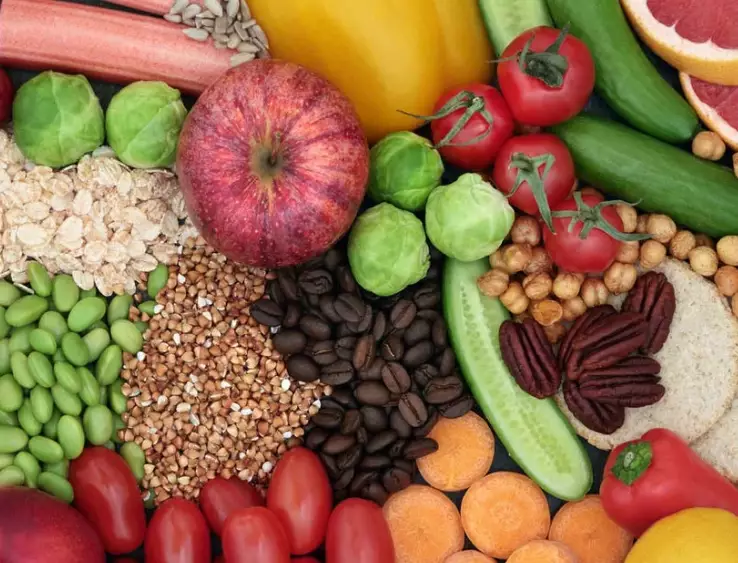
Your Actionable Shopping List
Take this to the store. This isn't exhaustive, but it's a solid core to build from.
- Produce: Oats (steel-cut or old-fashioned), barley, apples, oranges, berries, avocados, broccoli, spinach, Brussels sprouts, carrots.
- Protein: Canned or fresh salmon, mackerel, lentils (dry or canned), chickpeas, black beans.
- Pantry: Extra virgin olive oil, canola oil, walnuts, almonds, sunflower seeds, ground flaxseed, psyllium husk powder, quinoa.
- Dairy/Alternatives: Plain Greek yogurt (full or 2% fat), fortified plant sterol margarine or yogurt (if needed).
Your Cholesterol Food Questions Answered
The journey to controlling cholesterol through food is about addition, not just subtraction. By consistently incorporating these powerful, science-backed foods into your daily routine, you're not just lowering a number on a lab report—you're building a foundation for long-term heart health and overall vitality. Start with one change, like adding a daily serving of beans or swapping your cooking oil, and build from there.




Leave a comment