Let's be honest. The world of bone supplements for women is a crowded, confusing marketplace. Walk down any pharmacy aisle, and you're bombarded with promises of "stronger bones" and "osteoporosis defense." As someone who's spent over a decade in women's health nutrition, I've seen the good, the bad, and the utterly useless. This guide isn't about selling you a miracle pill. It's about giving you the clear, actionable information you need to make a decision that actually supports your skeleton for the long haul. We'll move past the basic "calcium is good" advice and dive into what combinations work, what most people get wrong, and how to tailor a plan to your life.
Your Quick Guide to Stronger Bones
Why Women Need Bone Health Supplements More Than Men
It's not fair, but it's biology. Women start with lower peak bone mass than men. Then comes menopause. The drop in estrogen, a key hormone that protects bones, accelerates bone loss dramatically. The National Osteoporosis Foundation states that about one in two women over 50 will break a bone due to osteoporosis. That's a 50% chance. Think about that.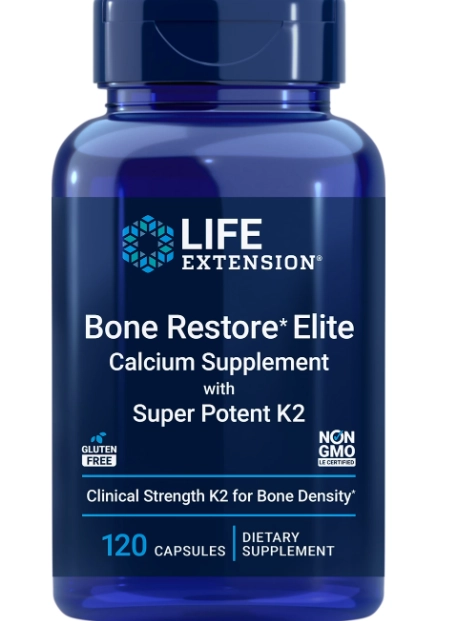
But here's a nuance most articles miss: the foundation for those post-50 fractures is often laid in your 30s and 40s. If you're not actively building and maintaining density then, you're starting the decline from a lower point. A calcium supplement for osteoporosis prevention isn't just for your 70-year-old grandmother. It's for the 45-year-old who's noticing her periods becoming irregular (perimenopause), the 35-year-old endurance athlete with low body weight, or anyone who's ever been on long-term corticosteroid medication.
The 4 Essential Bone-Building Ingredients (Beyond Just Calcium)
If you think bone health is just about calcium, you're missing 75% of the picture. Bone is a living tissue that requires a complex construction crew. Here’s your core team:
1. Calcium: The Building Material
It's the primary mineral in bone. The trick is the form and the dose. Calcium carbonate is cheap and needs stomach acid to be absorbed (take it with food). Calcium citrate is more easily absorbed and can be taken anytime. Mega-dosing (over 500mg at once) is wasteful—your body can't absorb it all. Split your dose.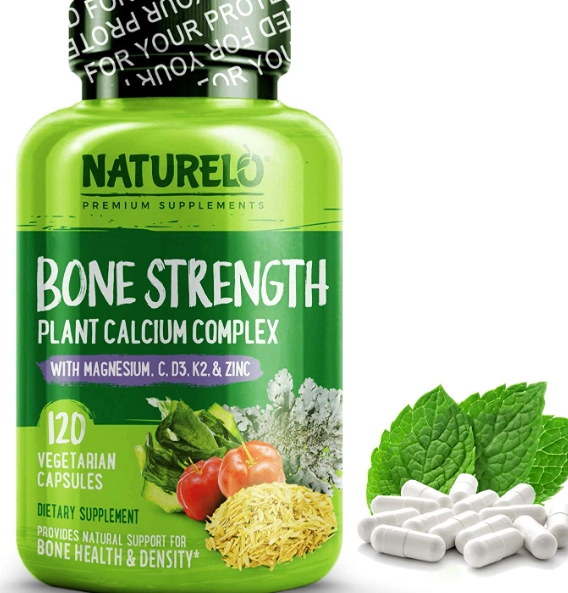
2. Vitamin D: The Foreman
This is arguably the most critical player. Without adequate vitamin D, you might as well throw that calcium in the trash—your gut can't absorb it properly. It's the best vitamin D for bones because it's a hormone that directs calcium where to go. Most experts now agree the old RDA of 600-800 IU is too low for optimal bone health. I often see clients with "normal" blood levels (30 ng/mL) who feel better and show better markers when they get to 40-50 ng/mL. This usually requires 2000-4000 IU daily, but get your levels checked.
3. Magnesium: The Unsung Hero
Magnesium converts vitamin D into its active form. It's also needed to make parathyroid hormone, which regulates calcium balance. A deficiency throws the whole system off. Most multi-vitamins have pathetic amounts. Look for magnesium glycinate or citrate in your bone formula.
4. Vitamin K2 (MK-7): The Traffic Cop
This is the game-changer most people don't know about. Vitamin D helps you absorb calcium, but K2 (specifically the MK-7 form) directs that calcium into your bones and teeth and away from your arteries and soft tissues. Without K2, you risk calcifying your arteries while your bones stay hungry. It's the missing link in most mainstream advice.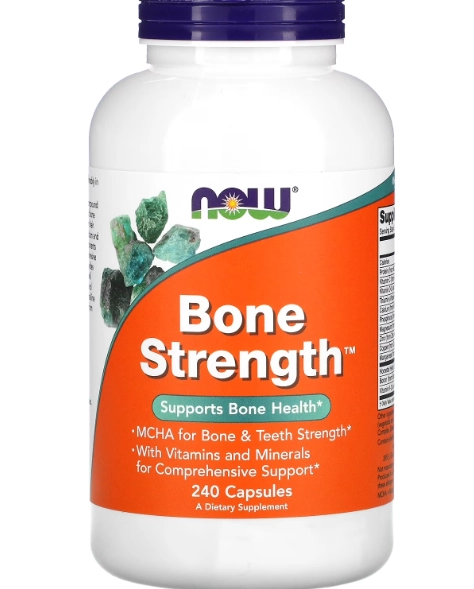
| Nutrient | Primary Bone Role | Typical Daily Goal from Supplements* | Best Food Sources |
|---|---|---|---|
| Calcium | Main structural mineral | 500-600 mg (split doses) | Yogurt, sardines, fortified plant milk, kale |
| Vitamin D3 | Enables calcium absorption | 1000-4000 IU | Sunlight, fatty fish, egg yolks (hard to get enough) |
| Magnesium | Activates Vitamin D, supports bone matrix | 150-300 mg | Pumpkin seeds, almonds, spinach, dark chocolate |
| Vitamin K2 (MK-7) | Directs calcium to bones | 90-180 mcg | Natto, aged cheeses, grass-fed butter (limited in diet) |
*These are general supplemental ranges. Individual needs vary based on diet, age, and health status.
How to Choose the Right Bone Health Supplement for You
Don't just grab the first bottle with a "for bones" label. You need a strategy.
First, assess your diet. Keep a rough food diary for three days. How much dairy or fortified food do you actually eat? Do you eat leafy greens daily? This tells you your starting point.
Second, consider a comprehensive formula vs. separate pills. A good all-in-one bone density supplement can be convenient, but check the ratios. Many are still calcium-heavy and K2-light. If you go separate, a simple stack could be: a quality calcium-magnesium-zinc combo, a separate high-potency D3, and a K2 MK-7 dropper.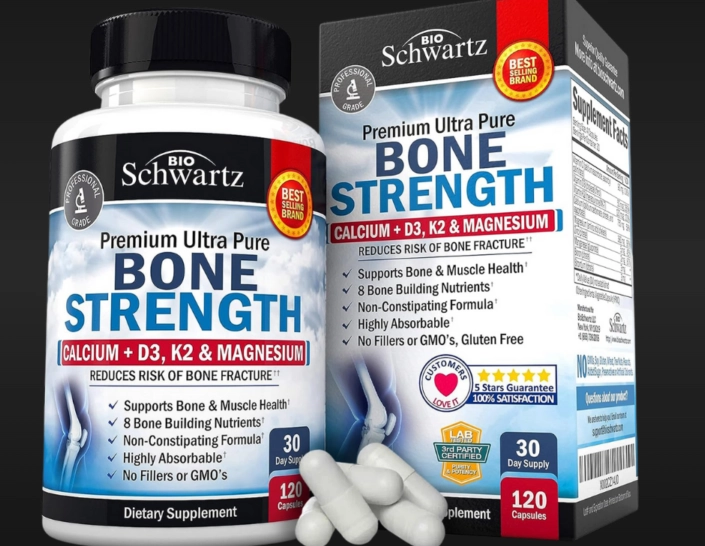
Third, think about your life stage and risk factors.
A 30-year-old vegan runner has different needs than a 60-year-old post-menopausal woman with a family history of fractures. The younger woman might prioritize D3, K2, and magnesium, focusing on building peak mass. The older woman likely needs a robust, full-spectrum formula with adequate calcium and may benefit from additional nutrients like strontium (under a doctor's guidance, as it's controversial).
3 Costly Mistakes People Make With Bone Supplements
Let's save you time and money.
Mistake #1: Taking all your calcium at once. Your body maxes out at absorbing about 500-600 mg of calcium in one sitting. Taking a 1000mg pill means over 400mg might just pass through you. Split your dose morning and evening.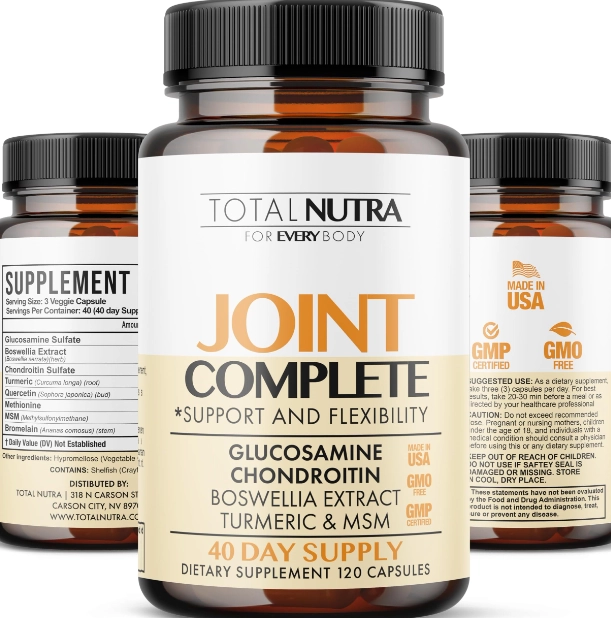
Mistake #2: Ignoring stomach acid. If you're over 50 or on acid-reflux medication (PPIs like omeprazole), your stomach acid is likely lower. Calcium carbonate needs acid to dissolve. In this case, switch to calcium citrate, which doesn't require acid, or take carbonate with a meal.
Mistake #3: Believing supplements alone are enough. This is the biggest trap. Supplements support, but they don't replace weight-bearing exercise (walking, dancing, lifting weights) and a diet rich in vegetables and protein. Protein provides the collagen matrix that minerals latch onto. No amount of bone supplements for women will work if you're sedentary and living on processed food.
I had a client, Mary, 58, who was taking a decent calcium and D supplement but still had declining bone density scores. We added 180 mcg of K2 MK-7 daily and got her into a strength training class twice a week. Her next scan 18 months later showed stabilization. The supplements created the building blocks, but the exercise provided the "stress signal" for her body to use them.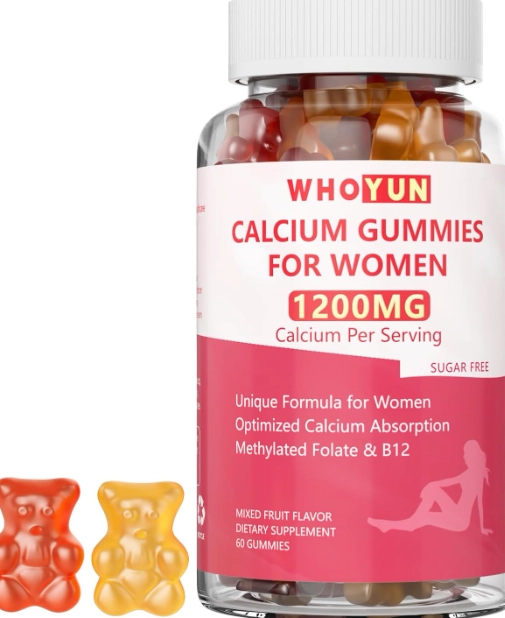
Your Bone Health Questions, Answered
The path to stronger bones isn't about finding a magic pill. It's about consistent, intelligent support. Start with the fundamentals: a diet rich in plants and protein, regular strength training, and a targeted supplement regimen that covers all the bases—not just calcium. Get your vitamin D level checked. Consider adding that crucial traffic cop, vitamin K2. It's a long-game, but every step you take now is a deposit in your bone bank for the decades to come.



Leave a comment