Let's cut to the chase. Thinking about fertility often starts when you're ready for a family. That's putting the cart before the horse. The most effective infertility prevention happens years, sometimes decades, before you ever glance at a pregnancy test. Your lifestyle today is the single biggest factor under your control that determines your reproductive health tomorrow. This isn't about fear; it's about empowerment. By understanding how your body works and what it needs, you can take concrete steps now to protect your fertility. It's less about a dramatic overhaul and more about a series of smart, sustainable choices.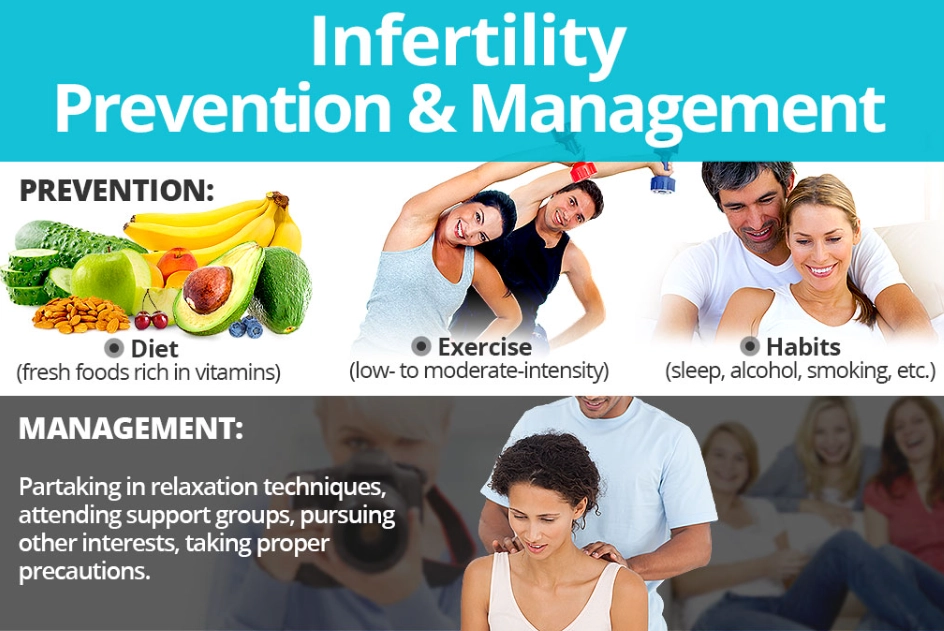
I've seen too many people in my practice who were given generic, unhelpful advice. "Just relax," or "it'll happen when it's meant to happen." That's not a strategy. Prevention is a strategy. We're going to move beyond the obvious "don't smoke" advice and dig into the nuanced, daily habits that collectively build a foundation for healthy ovulation, sperm production, and a receptive reproductive system.
What's Inside This Guide
Lifestyle: The Cornerstone of Fertility Prevention
This is where you have the most power. Forget quick fixes. Think of this as building a resilient system.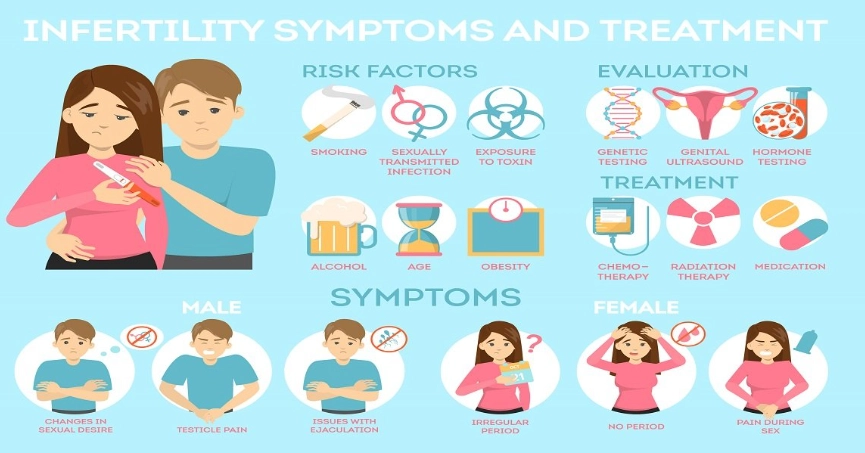
Nutrition: Fueling Your Reproductive Cells
You are what you eat, and so are your eggs and sperm. A common mistake is focusing only on folic acid when you start trying. The preparation starts much earlier.
What to prioritize:
- Antioxidant-rich foods: Berries, nuts, dark leafy greens, and beans. Oxidative stress damages reproductive cells. Antioxidants are your body's repair crew.
- Healthy fats: Avocados, olive oil, and fatty fish like salmon. These are crucial for hormone production. I can't stress this enough—avoiding all fat is a terrible idea for hormonal health.
- Complex carbs & fiber: Whole grains, vegetables, legumes. They help regulate blood sugar and insulin, which directly impact ovulation (think PCOS).
- Iron from plants: Lentils, spinach, tofu. A study from the Harvard School of Public Health linked higher intake of non-heme iron (plant-based) with a lower risk of ovulatory infertility.
It's not about one superfood. It's the overall pattern. The Mediterranean diet consistently comes out on top in fertility research for a reason—it's balanced, anti-inflammatory, and nutrient-dense.
A quick note on weight: Both underweight and overweight can disrupt hormonal signals. For women, excess body fat can increase estrogen levels, confusing the ovulation cycle. For men, it can lower testosterone and increase scrotal temperature. Aim for a healthy BMI, but focus more on body composition and the quality of your diet than the number on the scale alone.
Movement and Stress: The Delicate Balance
Exercise is great. Overtraining is not. I've worked with avid marathon runners and competitive cyclists who were unknowingly harming their fertility through extreme, high-intensity routines without adequate recovery. Chronic, intense physical stress signals to your body that it's not a safe time for reproduction.
The sweet spot: 30 minutes of moderate exercise most days. Think brisk walking, cycling, swimming, yoga. Strength training is excellent for metabolic health. If you're an athlete, work with a trainer to ensure your nutrition and recovery support your hormonal health.
Then there's mental stress. Cortisol, the primary stress hormone, can interfere with the hormones that drive your menstrual cycle and sperm production. Mindfulness, adequate sleep (7-9 hours!), and hobbies aren't luxuries; they're non-negotiable maintenance for your endocrine system.
Environmental and Medical Factors You Can't Ignore
Your lifestyle interacts with your environment. Some risks are silent.
Toxins and Endocrine Disruptors
These chemicals mimic or interfere with your hormones. You can't avoid them completely, but you can reduce your exposure significantly.
- Bisphenol-A (BPA) & phthalates: Found in some plastics, canned food linings, and receipts. Opt for glass or stainless-steel containers for food and water. Avoid microwaving plastic.
- Pesticides: Wash produce thoroughly. Consider buying organic for the "Dirty Dozen" (like strawberries, spinach) when possible.
- Personal care products: Check labels for parabens, phthalates, and synthetic fragrances. Simpler is often better.
It feels overwhelming, right? Don't try to change everything at once. Start by swapping out your plastic water bottle. That's a win.
Sexual Health and Timely Medical Care
This is critical. Untreated sexually transmitted infections (STIs) like chlamydia and gonorrhea are leading causes of pelvic inflammatory disease (PID) and subsequent tubal infertility in women. They can also affect sperm health in men.
Prevention is straightforward: Use barrier protection (condoms) with new or non-monogamous partners and get regular STI screenings. If diagnosed, complete the full course of antibiotics for yourself and ensure your partner is treated.
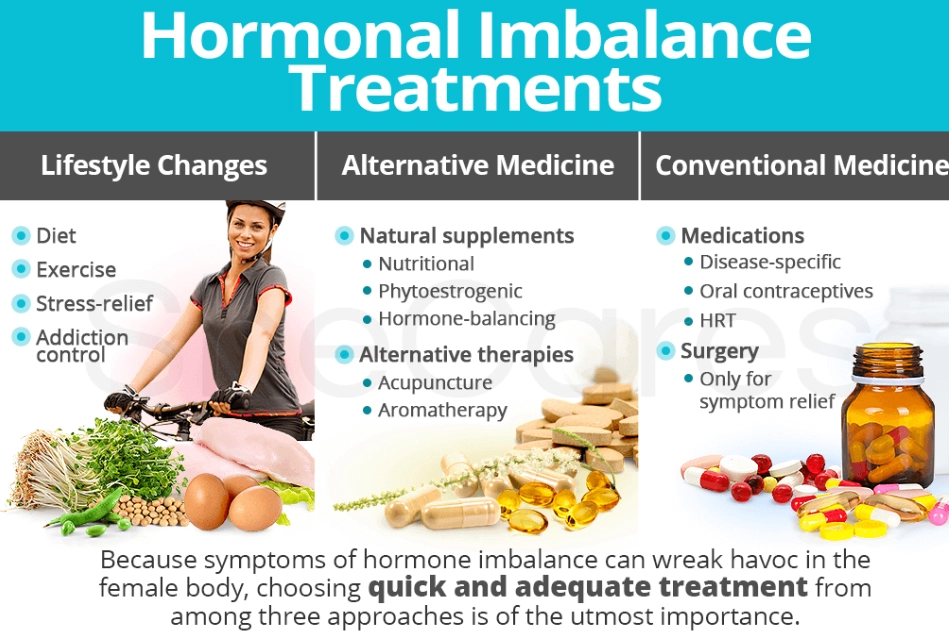
Also, listen to your body. Extremely painful periods, irregular cycles that don't regulate after adolescence, or sudden changes in your cycle warrant a conversation with a gynecologist. Conditions like endometriosis or PCOS are easier to manage—and cause less long-term damage—when addressed early.
When and How to Seek Proactive Help
Prevention also means knowing when to get a baseline. The "try for a year before seeing anyone" rule is for people who have no reason to suspect an issue.
Consider a preconception checkup if:
- You have irregular cycles or known conditions like PCOS.
- You have a history of pelvic infections or STIs.
- You or your partner have undergone cancer treatment.
- You have a family history of early menopause or fertility issues.
- You're in your mid-30s and want to understand your ovarian reserve. A simple AMH blood test and antral follicle count ultrasound can offer insight.
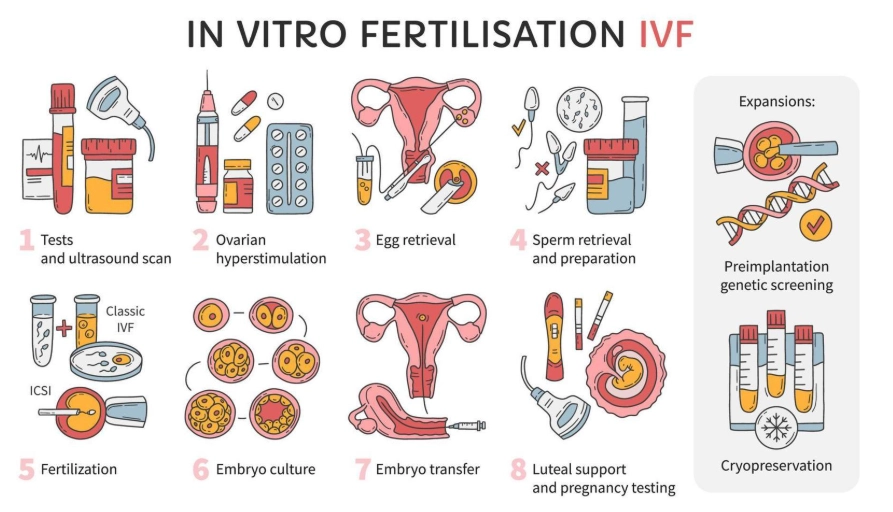
This isn't about predicting failure. It's about gathering information. For men, a semen analysis is a non-invasive, informative test. Data allows you to make informed decisions, whether that's prioritizing lifestyle changes sooner or exploring options like egg or sperm freezing if future fertility is a concern (e.g., before medical treatment or by choice).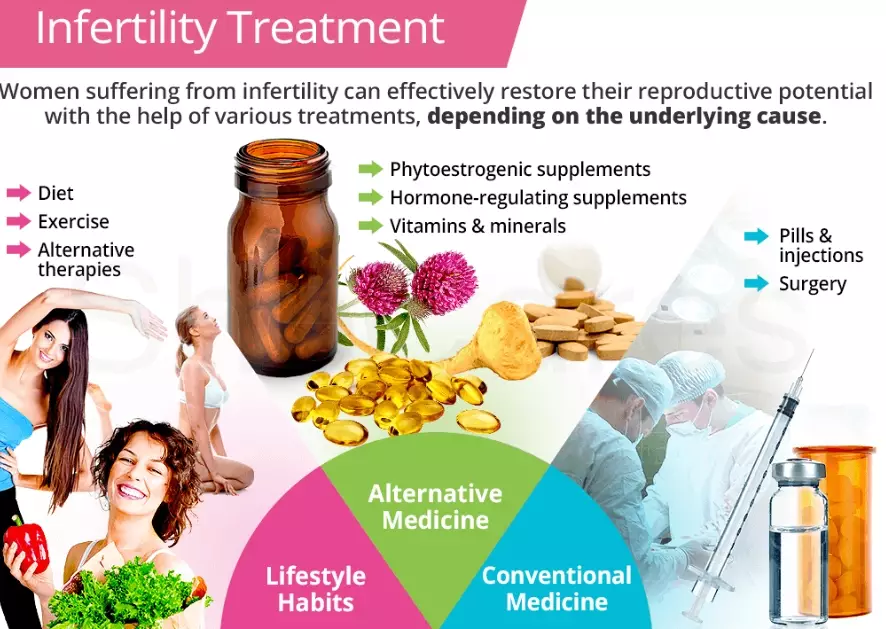
Fertility Prevention Myths Debunked
Let's clear up some confusion that does more harm than good.
Myth 1: "Infertility is always a female problem." Absolutely false. According to the World Health Organization, male factors contribute to about 50% of infertility cases. Prevention strategies are for everyone.
Myth 2: "Birth control pills hurt your long-term fertility." No. They suppress ovulation while you're on them, but fertility typically returns to your baseline after stopping. In fact, for conditions like endometriosis, they can be a preventive tool by suppressing the disease.
Myth 3: "A healthy lifestyle guarantees fertility." I wish it were that simple. It dramatically improves your odds and creates the best possible internal environment, but some factors (genetics, autoimmune issues) are beyond its control. That's why the combination of lifestyle and proactive screening is key.
Your Fertility Prevention Questions, Answered
It's not the job title, it's the prolonged sitting. For men, sitting for long periods increases scrotal temperature, which is detrimental to sperm production. The fix is simple: get up and move for 5 minutes every hour. Use a standing desk part-time. Wear looser-fitting pants. For women, the main link is the sedentary behavior contributing to weight gain and metabolic issues. The same advice applies—frequent movement breaks trump a single gym session.
Protect your sexual health without exception. Use condoms to prevent STIs until you're in a mutually monogamous relationship where both partners have been tested. An untreated infection can cause irreversible damage to your fallopian tubes long before you think about pregnancy. It's the most concrete, immediate risk you have complete control over.
 Is "moderate" drinking okay for fertility prevention, or should I quit completely?
This is where I diverge from some generic advice. The research is clear that heavy drinking is terrible for both male and female fertility. But the data on "moderate" consumption (1-2 drinks a day) is murkier and can still show negative effects on cycle regularity and sperm quality. My non-consensus take: if you're actively focusing on prevention, consider alcohol a recreational toxin. It provides no nutritional benefit, stresses your liver (which helps metabolize hormones), and can disrupt sleep. Eliminating it or saving it for rare occasions removes a significant variable and gives your body one less thing to process. You'll likely feel better overall, too.
It's less about a bad day at work and more about chronic, unmanaged stress. Your body's stress response, the hypothalamic-pituitary-adrenal (HPA) axis, can down-regulate the hypothalamic-pituitary-gonadal (HPG) axis—the system that runs your reproductive hormones. It's a primal "we're not safe, don't reproduce" signal. Mindfulness, meditation, and therapy don't just "calm you down." They actively train your nervous system to exit the fight-or-flight state and return to rest-and-digest mode. This allows your reproductive system to function optimally. Studies show practices like mindfulness-based stress reduction can improve pregnancy rates in fertility treatment. It's not magic; it's physiology.
It matters a lot, and this is a common relationship friction point. Sperm health contributes to half the equation—embryo quality, implantation, and even miscarriage risk. Poor sperm parameters can be linked to similar lifestyle factors: smoking, poor diet, obesity, and toxin exposure. Frame it as a team effort for a shared future goal. Suggest changes you can do together, like cooking healthier meals or finding an active hobby. Sometimes, seeing a doctor together for a preconception visit can make the advice more authoritative coming from a third party. It's a partnership in every sense.
The goal of infertility prevention isn't to live in a bubble of anxiety. It's the opposite. It's about making informed, conscious choices that build a robust foundation for your health, with fertility being one crucial part of that picture. Start with one change. Maybe it's buying a water filter or adding a vegetable to every dinner. Consistency over time beats a short-lived, perfect overhaul. Your future self will thank you for the care you take today.




Leave a comment