Let's get one thing straight. Thinking about anti-aging in your 20s isn't about being vain or fearing a few fine lines. It's about being smart. It's the difference between maintaining a sturdy, resilient house versus desperately trying to patch cracks in a crumbling wall years later. The work you do now is largely invisible—it's preventive, foundational, and arguably the most effective beauty investment you'll ever make. I spent my late 20s working in dermatology clinics, and the single biggest regret I heard from patients in their 40s and 50s wasn't about skipping a fancy serum. It was always about sun exposure and lifestyle habits they ignored in their youth.
Your skin's biological peak is in your mid-20s. After that, collagen production slows down by about 1% each year. But here's the non-consensus part everyone misses: the goal isn't to "boost" collagen artificially with expensive treatments yet. The goal is to protect the massive, high-quality collagen reserve you already have. Most advice for 20-somethings jumps straight to product recommendations, skipping the crucial "why" that leads to long-term adherence.
What's Inside This Guide
Pillar One: Sun Protection – Your Non-Negotiable Superpower
I'm not just talking about sunscreen at the beach. I'm talking about daily, habitual, rain-or-shine sun protection. Up to 90% of visible skin aging is attributed to sun exposure, a concept known as photoaging, which organizations like the American Academy of Dermatology consistently emphasize. This damage is cumulative and mostly irreversible.
The mistake? Using a moisturizer with SPF 15 and thinking you're covered for a full day. That's like wearing a rain jacket in a monsoon and expecting to stay dry.
How to Choose and Use Sunscreen Correctly
You need a dedicated sunscreen, SPF 30 or higher, labeled "broad-spectrum" (protects against both UVA—aging rays—and UVB—burning rays). Mineral (zinc oxide, titanium dioxide) or chemical filters both work; choose based on your skin's tolerance.
Apply it every morning.
Use about a nickel-sized amount for your face and neck.
Reapply every two hours if you're outdoors. Sitting by a window? Reapply. This is the step 99% of people skip, and it completely undermines the effort.
Consider sun protection as your primary anti-aging product. Everything else is supplementary.
| Sun Protection Habit | Why It Matters in Your 20s | Common Pitfall to Avoid |
|---|---|---|
| Daily Broad-Spectrum SPF 30+ | Prevents cumulative UVA damage that breaks down collagen and causes hyperpigmentation. | Relying on makeup SPF alone. You never apply enough foundation to reach the stated SPF protection. |
| Reapplication (Every 2 hrs outdoors) | Sunscreen degrades with sun exposure and sweat. Reapplication maintains the protective film. | Applying once in the morning and forgetting. Use a spray or stick sunscreen for easy reapplication over makeup. |
| Seeking Shade & Wearing Hats | Physical barriers provide consistent protection without worrying about application gaps. | Thinking it's only for beach days. A wide-brimmed hat is a great investment for commutes or outdoor lunches. |
Pillar Two: The Core 3-Step Skincare Routine
Keep it simple. A complex 10-step routine often leads to irritation, wasted money, and inconsistency. You need three reliable workhorses.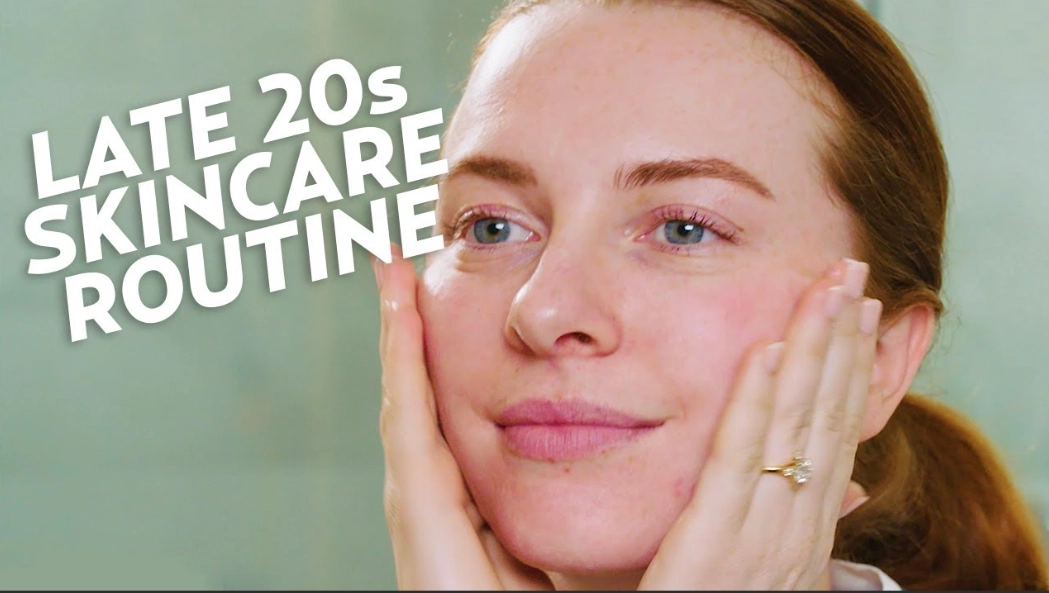
Gentle Cleanser: Stripping your skin barrier causes inflammation, which accelerates aging. Use a non-foaming, cream or balm cleanser in the PM. In the AM, just water is often enough.
Antioxidant Serum (Vitamin C): This is your daily internal shield. Applied under sunscreen, antioxidants like L-ascorbic acid neutralize free radicals generated by UV and pollution before they can damage skin cells. Think of it as a booster for your sunscreen. A study from the National Institutes of Health notes topical vitamin C's role in photoprotection and collagen synthesis.
Moisturizer: Hydrated skin functions better, heals faster, and simply looks healthier. It's not about adding oil, it's about maintaining the skin's water content. Look for ingredients like hyaluronic acid, glycerin, or ceramides.
The "When to Start" Retinoid Question
Retinoids (like retinol) are gold-standard for cell turnover and collagen stimulation. The expert advice you rarely hear: you can start a low-dose, over-the-counter retinol (0.1%-0.3%) in your mid-to-late 20s as a preventive measure, but only if your sunscreen habit is rock solid. Using retinoids without impeccable sun protection is counterproductive. Start once a week, buffer it with moisturizer, and only increase frequency if your skin tolerates it without chronic redness or peeling.
Pillar Three: Lifestyle – The Invisible Accelerator (or Brake)
Your skin is an organ. How you treat your body shows up on your face, often decades later.
Sleep: They don't call it beauty sleep for nothing. During deep sleep, your body repairs cells, including skin cells. Chronic poor sleep increases cortisol, which breaks down collagen. Aim for 7-9 hours. A silk pillowcase isn't a gimmick—it creates less friction than cotton, which can contribute to sleep lines over time.
Stress Management: This is the silent ager. High cortisol = inflammation = accelerated aging. Find a release valve that works for you—walking, meditation, journaling, whatever lowers your shoulders from your ears. It's not fluff; it's cellular maintenance.
Smoking and Excessive Alcohol: Smoking drastically reduces blood flow to the skin, starving it of oxygen and nutrients. Alcohol dehydrates you and can deplete nutrients like vitamin A. The effect is cumulative and distinctly visible by the 30s.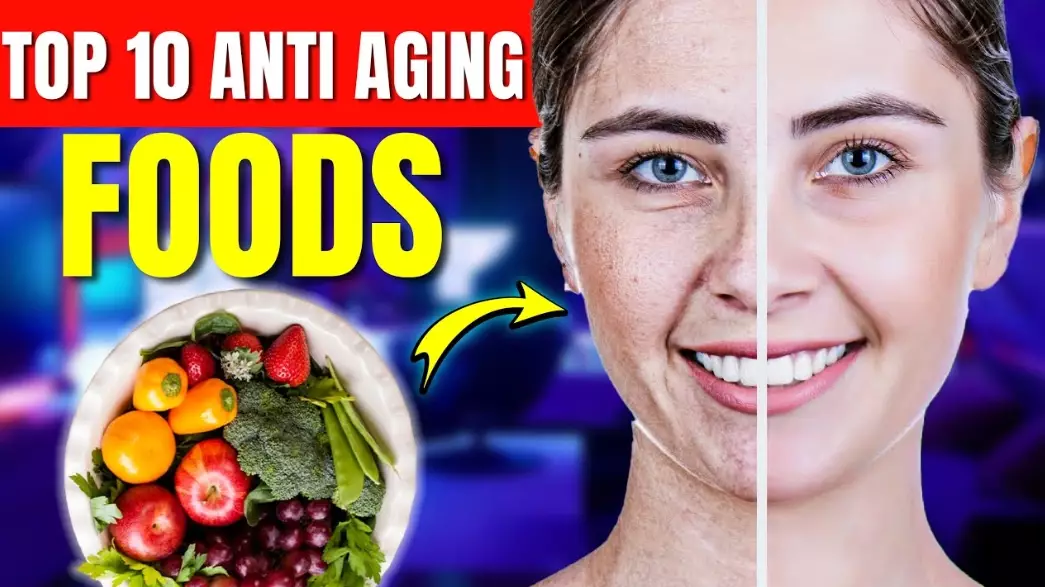
Pillar Four: Nutrition – Eating Your Way to Better Skin
You can't out-supplement a bad diet. Focus on whole foods.
Antioxidant-Rich Foods: These fight internal free radicals. Load up on berries, dark leafy greens (spinach, kale), nuts, and dark chocolate. Color is your guide.
Healthy Fats: Omega-3s (found in fatty fish, walnuts, chia seeds) support your skin's lipid barrier, keeping it hydrated and supple.
Limit Sugar and Processed Carbs: A high-glycemic diet can trigger a process called glycation, where sugar molecules attach to collagen fibers, making them stiff and brittle (think of caramelizing). This leads to loss of elasticity.
Hydration is key, but chugging gallons of water won't magically erase wrinkles. It does ensure your cells, including skin cells, function optimally. Drink when you're thirsty, and include water-rich foods like cucumbers and watermelon.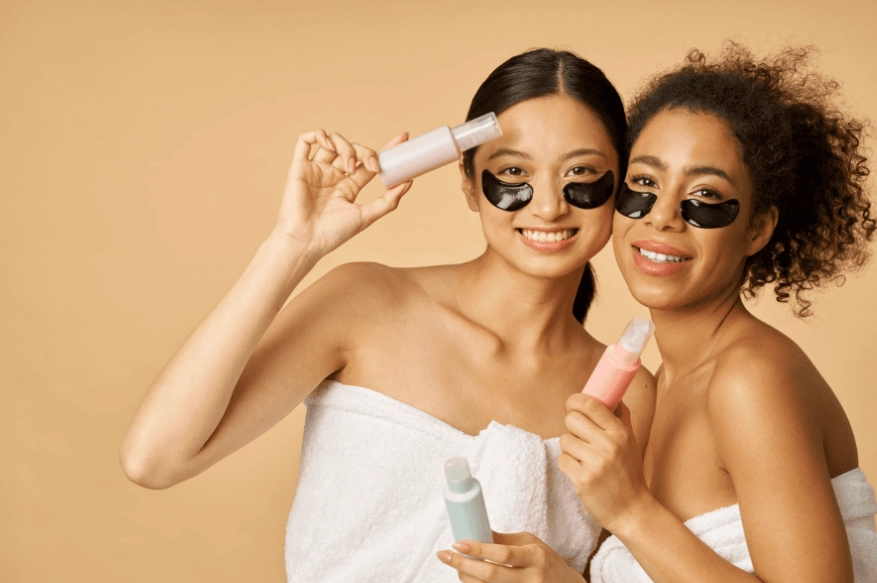
Your Anti-Aging in Your 20s Questions, Answered
That's exactly when you need to worry about it. Prevention is infinitely easier and cheaper than reversal. The sun damage and collagen breakdown happening now won't become visible as lines and spots for another 10-15 years. By then, the damage is structural. Starting now is like contributing to a retirement fund in your first job—the compound benefits are enormous.
A high-quality, cosmetically elegant broad-spectrum sunscreen you'll actually enjoy wearing daily. Skip the fancy eye creams or devices for now. If your budget allows a second item, a stabilized vitamin C serum. Everything else—cleanser, moisturizer—can be effective and affordable. The investment is in the habit, not necessarily the luxury price tag.
Some initial mild flaking can happen as your skin adjusts, but persistent, significant peeling is a sign you're using it too often, at too high a strength, or without proper buffering. Dial it back. Use a pea-sized amount for your whole face, mix it with your moisturizer, and apply it only twice a week to start. The goal is tolerance, not irritation. Irritation causes inflammation, which is pro-aging.
 How does blue light from screens affect aging in my 20s?
The research is still evolving, but some studies suggest high-energy visible (HEV) blue light can generate free radicals and potentially contribute to hyperpigmentation, especially in darker skin tones. It's nowhere near as damaging as UVA rays, but it's a factor in our modern environment. A good strategy? Your antioxidant serum (vitamin C) helps combat this. Some mineral sunscreens containing iron oxides also offer a degree of blue light protection. Taking regular screen breaks is good for your eyes and your skin.
For temporary depuffing and improved circulation, they can have a mild effect. But for preventing or reversing structural aging like collagen loss, there's no strong scientific evidence. In fact, repetitive, aggressive facial manipulation could potentially contribute to skin stretching over time. Focus your energy on the proven pillars: sun protection, a solid basic routine, and lifestyle. If you enjoy gua sha for relaxation and a momentary glow, do it gently and don't expect it to change your bone structure or erase future wrinkles.




Leave a comment