Let's be honest. When you're dealing with unexplained weight gain, crushing fatigue, mood swings that feel like a rollercoaster, and skin that's rebelling, being told it's "just your hormones" is beyond frustrating. It feels vague and hopeless. But here's the truth I've learned from working with hundreds of women: hormonal imbalance is not a life sentence. You can rebalance your system, but the word "cure" needs reframing. It's less about a magic pill and more about a strategic, layered approach to management that brings your body back into harmony. This guide cuts through the noise to show you how.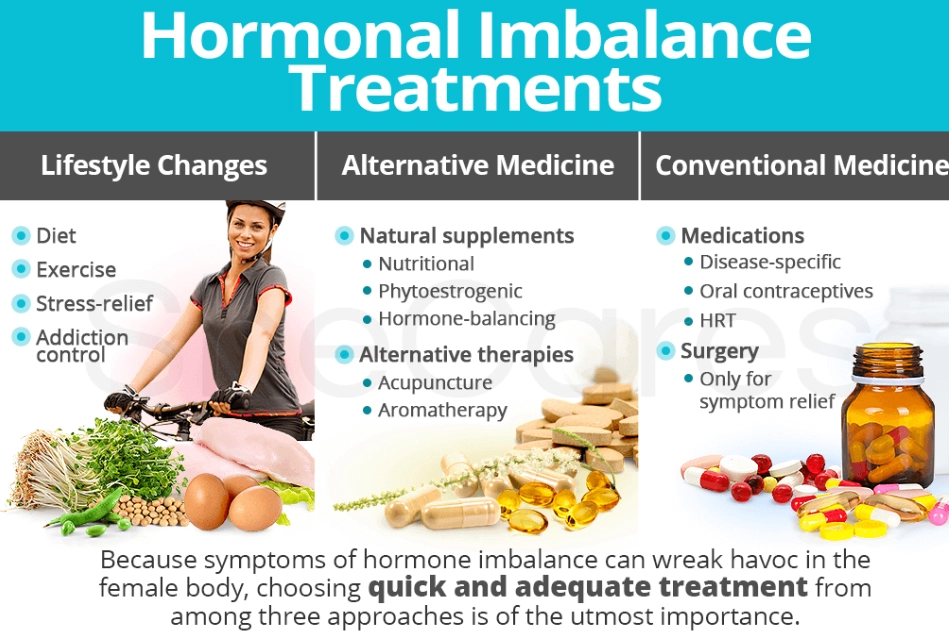
Your Quick Navigation Guide
How to Diagnose a Hormonal Imbalance
You can't fix what you don't measure. The biggest mistake is self-diagnosing based on generic online lists. Fatigue could be low iron. Weight gain could be thyroid. The key is connecting specific symptoms to potential hormonal players. Doctors often start with a detailed history and basic blood tests. But here's a nuance many miss: timing is everything for sex hormones. A progesterone test on the wrong day of your cycle is useless.
Demand cycle-day-specific testing if you're still menstruating. For a clearer picture, some functional medicine practitioners use comprehensive saliva or dried urine tests (like the DUTCH test) to track hormone metabolites throughout the day and cycle. It's more expensive, but it reveals how your body is actually processing hormones, not just what's floating in your blood.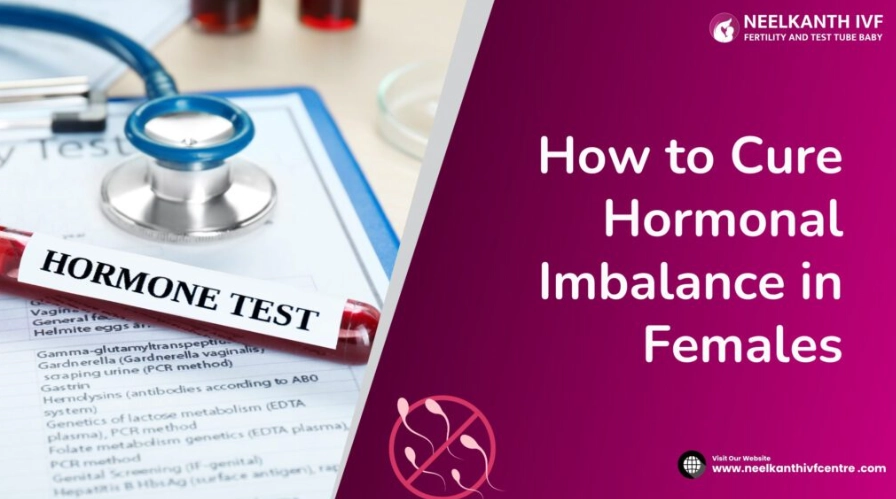
What Causes Hormonal Imbalance in Women?
It's rarely one thing. Think of your endocrine system as a finely-tuned orchestra. If the conductor (your brain's hypothalamus and pituitary) is stressed, or one instrument (like your thyroid) is off, the whole symphony sounds wrong.
- Chronic Stress: The #1 culprit I see. Constant stress elevates cortisol, which can steal the raw materials needed to make progesterone and thyroid hormones, leading to estrogen dominance and fatigue.
- Dietary Rollercoaster: Processed foods, sugar spikes, and low protein intake wreak havoc on insulin and cortisol, creating a vicious cycle.
- Toxin Overload: Environmental estrogens (xenoestrogens) in plastics, pesticides, and personal care products can mimic our own estrogen, confusing the system.
- Poor Gut Health: Your gut microbiome helps regulate and excrete used hormones. An unhealthy gut can lead to recirculation of hormones like estrogen.
- Underlying Conditions: PCOS, thyroid disorders (hypothyroidism is wildly underdiagnosed), and perimenopause are direct drivers.
The 3-Layer Treatment Roadmap
Forget the one-size-fits-all supplement ad. Effective treatment is a pyramid. You build the foundation first, or everything on top will be shaky.
Layer 1 (The Foundation): Non-negotiable lifestyle changes in diet, movement, sleep, and stress management. This addresses root causes for about 70% of people.
Layer 2 (Medical): Targeted testing and interventions with a healthcare provider—bioidentical hormones, thyroid medication, or prescriptions for conditions like PCOS.
Layer 3 (Supportive): High-quality supplements, acupuncture, or advanced therapies to fill specific gaps and support the other layers.
Most women jump straight to Layer 3, wondering why the expensive adaptogens aren't working. They're trying to mop the floor with the faucet still running.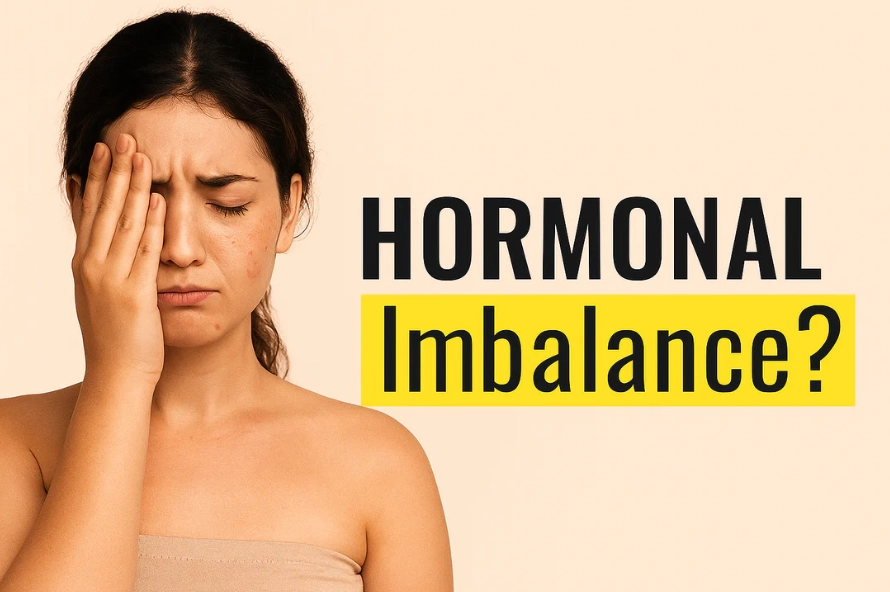
Layer 1: The Lifestyle Foundation (Your Daily Protocol)
How to Fix Your Diet for Hormone Balance
Stop focusing on calories. Focus on nutrients and stability.
- Protein at Every Meal: Aim for 20-30g per meal. It stabilizes blood sugar, reduces cravings, and provides amino acids that are building blocks for hormones. Think eggs, chicken, fish, lentils, tofu.
- Fiber is Your Friend: 30g daily minimum. It feeds good gut bacteria and helps escort used estrogen out of the body. Vegetables, berries, chia seeds, avocados.
- Healthy Fats are Essential: Your hormones are literally made from cholesterol. Include avocados, olive oil, nuts, seeds, and fatty fish like salmon.
- The Sugar & Caffeine Trap: This is the hard one. Sugar spikes insulin and inflames the system. Caffeine overstimulates adrenals. I'm not saying cut them forever, but if you're in crisis, a 30-day reset can be transformative.
Movement That Heals, Not Harms
If you're stressed and fatigued, pounding yourself with hour-long HIIT sessions is like pouring gasoline on a fire. It raises cortisol further.
Swap it for:
- Walking: 30-45 minutes daily. The most underrated hormone-balancing exercise. It lowers cortisol, improves insulin sensitivity, and boosts mood.
- Strength Training (2-3x/week): Builds muscle, which improves metabolic health and insulin response. Focus on compound movements.
- Yoga or Pilates: Incorporates stress-reducing breathwork with movement.
Sleep and Stress: The Non-Negotiables
You cannot supplement your way out of bad sleep and chronic stress.
- Sleep Hygiene: Aim for 7-8 hours. Cool, dark room. No screens 60 minutes before bed. Try magnesium glycinate or a calming tea.
- Stress Management That Works for YOU: Not everyone likes meditation. It could be 5 minutes of deep breathing, journaling, a nature walk, or even knitting. The goal is to activate the parasympathetic ("rest and digest") nervous system daily.
Layer 2: Medical Interventions (When to Seek Help)
If you've built a solid lifestyle foundation for 3-6 months and still struggle, it's time to explore medical support. This isn't failure; it's smart strategy.
| Condition/Symptom | Potential Medical Intervention | Who to See |
|---|---|---|
| Perimenopause/Menopause (hot flashes, night sweats, vaginal dryness) | Menopausal Hormone Therapy (MHT), formerly HRT. Can be systemic or local. Bioidentical vs. synthetic options. | Gynecologist, Menopause Specialist |
| Hypothyroidism (fatigue, weight gain, cold intolerance, hair loss) | Thyroid hormone replacement medication (Levothyroxine, Natural Desiccated Thyroid). | Endocrinologist, Functional MD |
| PCOS (irregular periods, acne, excess hair, insulin resistance) | Birth control (for cycle regulation), Metformin or Inositol (for insulin), Anti-androgens (for acne/hair). | Endocrinologist, Reproductive Endocrinologist |
| Estrogen Dominance (heavy periods, severe PMS, fibroids) | Progesterone support (bioidentical cream/pills), addressing underlying causes like liver detox or gut issues. | Functional MD, Integrative Gynecologist |
| Adrenal Fatigue/Burnout (exhaustion that sleep doesn't fix, afternoon crashes, salt cravings) | Comprehensive adrenal testing (cortisol saliva test). Adaptogen protocols, high-dose vitamin C, pacing lifestyle. | Functional Medicine Practitioner |
Do your research. For hormone therapy, look for a provider certified by the North American Menopause Society (NAMS). For thyroid issues, many patients find better care with practitioners who treat based on symptoms and optimal lab ranges (like a TSH under 2.5) rather than just the standard "normal" range.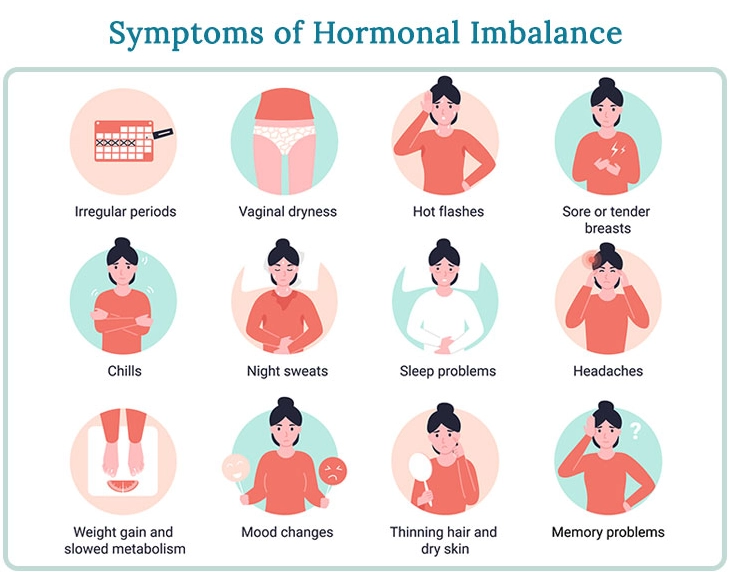
A Real-Life Case Study: Sarah's 6-Month Turnaround
Sarah, 38, came to me with classic symptoms: crushing fatigue by 3 PM, unpredictable anxiety, weight clinging to her midsection, and periods that were suddenly heavy and painful. Her GP ran basic labs and said everything was "normal."
We started with Layer 1. She committed to three things: 1) Adding protein to her breakfast (scrambled eggs instead of toast), 2) A 20-minute walk after lunch, and 3) A 10 p.m. phone curfew to wind down. Within 3 weeks, her afternoon energy improved by about 40%.
At the 2-month mark, we ran deeper tests. Her cortisol was high in the morning but crashed by afternoon. Her progesterone was low relative to estrogen. We didn't jump to supplements. We doubled down on Layer 1: prioritizing sleep and adding a short meditation. We also introduced a high-quality magnesium supplement.
By month 4, she felt better but hit a plateau. We consulted a functional medicine doctor who prescribed a low-dose bioidentical progesterone cream for the second half of her cycle. This was Layer 2, built on her solid foundation.
At 6 months, Sarah's energy was stable, her anxiety was manageable, her period was lighter, and she'd lost 8 pounds without intense dieting. The key? She addressed the lifestyle causes first, then used targeted medical support for what remained.
Your Hormone Questions, Answered
Can diet alone fix my hormonal imbalance?
For some women with mild imbalances driven primarily by blood sugar swings and nutrient deficiencies, a strategic dietary overhaul can make a world of difference—think 70-80% improvement. But if there's a significant underlying condition like Hashimoto's thyroiditis, PCOS, or you're deep in perimenopause, diet is the essential foundation but will likely need to be combined with medical treatment to get you the rest of the way. Diet fixes the soil; medicine sometimes needs to tend to the specific plant.
How long does it take to see results from lifestyle changes?
Manage your expectations. Your hormones didn't get off track in a month. Small improvements in sleep, energy, and mood can be felt in 2-4 weeks. Noticeable changes in cycle regularity, PMS, or weight often take 3 full menstrual cycles (about 3-4 months). Significant rebalancing for complex issues can take 6 months to a year. The timeline isn't linear—you'll have good weeks and setbacks. Consistency over the long haul is what wins.
 Are bioidentical hormones safer than synthetic HRT?
This is a hot debate. "Bioidentical" means the hormone's molecular structure is identical to what your body produces. Proponents argue this makes them safer and better tolerated. However, the largest and most rigorous studies on safety (like the Women's Health Initiative) were done on specific synthetic hormones. Many bioidentical formulations are compounded, which means they aren't FDA-approved and quality can vary. The safest approach, according to major medical societies like NAMS, is to use the lowest effective dose of hormones (bioidentical or FDA-approved synthetic) for the shortest time needed to manage symptoms, under the guidance of an experienced clinician. The route (patch, pill, cream) also significantly impacts risk.
I'm on birth control. Is that causing or masking a hormonal imbalance?
It's complicated. The pill suppresses your natural hormone production and ovulation. It can effectively "mask" symptoms of conditions like PCOS or endometriosis by providing a steady, synthetic hormone stream. This is therapeutic for many. However, for some women, the synthetic hormones or the suppression itself can lead to side effects that feel like a new imbalance: low libido, mood changes, nutrient depletion. It's not inherently "bad," but it's a management tool, not a cure. If you're concerned, don't stop abruptly. Have a conversation with your doctor about your long-term plan and whether there are diagnostic tests you should consider before or after discontinuing.


Leave a comment