You can make a real dent in your hormone balance in just seven days. It won't fix years of imbalance overnight, but a focused week can shift your body's signals away from stress and chaos and towards repair and calm. Think of it as hitting the reset button on your cortisol, insulin, estrogen, and thyroid hormones. The goal isn't perfection. It's about consistent, targeted actions that tell your body, "We're safe now. We can rest, digest, and heal."
Your Quick Guide to This 7-Day Reset
Why a 7-Day Focus Works for Hormone Balance
A week is long enough to create a new pattern but short enough to feel achievable. Hormones like cortisol follow circadian rhythms. By consistently supporting your body's natural clock for seven days, you begin to retrain it. You're not just chasing symptoms like bloating or afternoon crashes. You're addressing the root signals.
Most people get this wrong. They try one thing on Monday, another on Wednesday, and see no change by Friday. The magic is in the stacking and consistency of foundational habits. Eating protein at breakfast lowers the cortisol spike. A 10-minute walk after lunch improves insulin sensitivity. Going to bed at the same time supports melatonin and growth hormone. Do these together for a week, and the effect compounds.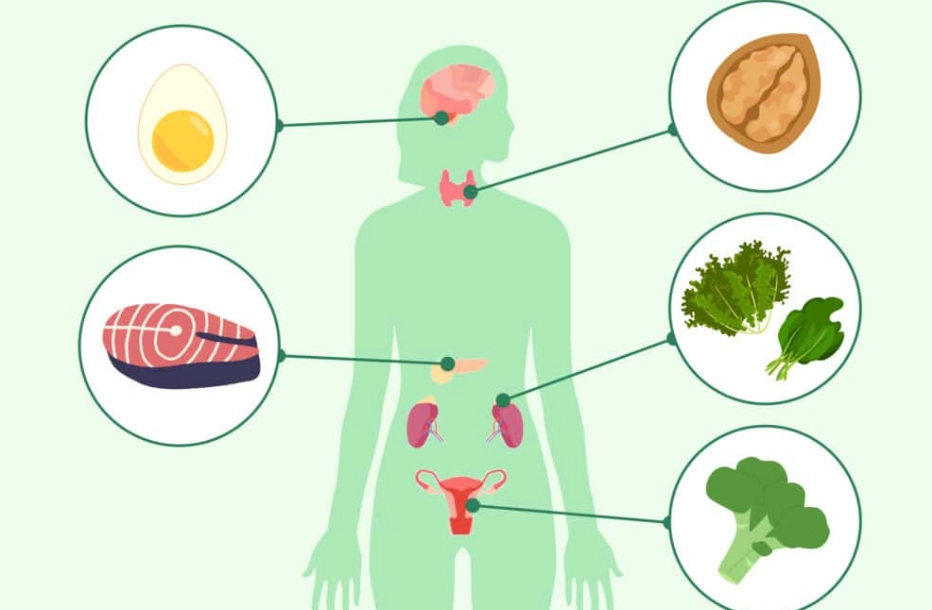
A Note on Realistic Expectations: If you've been under chronic stress for months or years, one week is the start of a conversation with your body, not the final word. Significant improvements in energy and mood are common in a week. More complex issues like PCOS or thyroid disorders need longer-term care. This plan lays the groundwork.
Your 7-Day Hormone-Balancing Action Plan
Here’s your day-by-day blueprint. Each day builds on the last, focusing on a key lever for hormonal health.
| Day | Core Focus | Key Action | Hormones Targeted |
|---|---|---|---|
| Day 1: Foundation | Hydration & Morning Light | Drink 500ml water upon waking. Get 10 mins of morning sunlight. | Cortisol, Melatonin |
| Day 2: Fuel | Protein-Powered Breakfast | Eat 25-30g of protein within 1 hour of waking. | Insulin, Cortisol, Ghrelin |
| Day 3: Movement | Gentle Activity | Take a 20-30 minute brisk walk, ideally in nature. | Cortisol, Endorphins |
| Day 4: Rhythm | Consistent Sleep Schedule | Go to bed and wake up within a 30-minute window of your target time. | Melatonin, Cortisol, Growth Hormone |
| Day 5: Recovery | Digital Sunset & Magnesium | Turn off screens 90 mins before bed. Consider an Epsom salt bath or magnesium supplement. | Cortisol, Melatonin |
| Day 6: Connection | Stress Release | Practice 10 mins of deep belly breathing or a short meditation. | Cortisol, Adrenaline |
| Day 7: Integration | Reflect & Plan | Note how you feel. Which 2-3 practices will you keep? | All (Sustaining Balance) |
The table is your checklist. The real work is in the details of how you execute each action.
How to Eat for Hormone Balance Each Day
Food is information. Every meal sends signals to your pancreas, adrenals, and fat cells.
The Protein First Rule
Day 2's protein breakfast is the single most effective dietary shift for hormone balance. It stabilizes blood sugar, curbs cravings, and provides amino acids for hormone production. Skip the toast and jam. Think eggs, Greek yogurt with nuts, or a protein smoothie. I've seen clients' afternoon energy crashes disappear in 48 hours just from this.
Fiber is Your Friend, Not a Buzzword
Fiber helps the body excrete used estrogen. It feeds good gut bacteria, which directly talk to your hormones. Aim for 25-35 grams daily. This isn't about a sprinkle of chia seeds. It's a cup of broccoli, half an avocado, a handful of berries, and lentils in your soup. Most people are chronically under-eating fiber.
Fats: The Good, The Bad, The Essential
Hormones are made from cholesterol, a type of fat. Severely low-fat diets can backfire. Prioritize anti-inflammatory fats: olive oil, avocados, fatty fish like salmon, nuts, and seeds. Reduce industrial seed oils (soybean, corn, canola oil) often found in processed foods. They can promote inflammation that disrupts hormonal signaling.
A common mistake? Overloading on "healthy" but high-sugar snacks like dates or store-bought granola bars. They spike insulin, which can throw other hormones off-kilter.
How to Move Your Body for Hormonal Harmony
Exercise is a double-edged sword for hormones. The right kind heals. The wrong kind harms.
If you're stressed and fatigued (high cortisol), pounding out an intense hour of HIIT is like yelling at an exhausted system. It often makes things worse. In this reset week, movement should feel restorative, not depleting.
- Walking is king. A daily 30-minute walk, especially after meals, improves insulin sensitivity better than many realize. It's low-impact, reduces cortisol, and boosts mood.
- Strength training matters. Two short sessions this week (20-30 mins) with bodyweight or light weights build muscle, which improves insulin response and supports metabolism. Focus on form, not fatigue.
- Listen to your energy. On low-energy days, choose yoga, stretching, or a slow walk. The goal is to support your nervous system, not conquer it.
Forget "no pain, no gain" this week. The gain is hormonal calm.
The Non-Negotiables: Sleep and Stress
You can eat perfectly and exercise, but without managing sleep and stress, hormone balance remains elusive.
Sleep: Your Nightly Hormone Repair Shop
Between 10 PM and 2 AM, your body does critical hormonal housekeeping: cortisol drops, melatonin peaks, growth hormone repairs tissues. Disrupt this window, and you miss the main event.
Day 4's consistent schedule is crucial. A study published by the National Sleep Foundation highlights that irregular sleep patterns are linked to metabolic hormone disruption. Aim for 7-9 hours. Make your room cool and dark. The 90-minute digital sunset on Day 5 isn't optional luxury; blue light suppresses melatonin for hours.
Stress: The Cortisol Hijacker
Chronic stress keeps cortisol elevated, which can steal progesterone (leading to estrogen dominance), disrupt thyroid function, and drive belly fat storage.
You can't eliminate stress, but you can change your response. Day 6's breathing practice is a direct lever on your vagus nerve, shifting you from "fight-or-flight" to "rest-and-digest." Try the 4-7-8 method: inhale for 4, hold for 7, exhale for 8. Do this 5 times. It's a physiological brake on stress hormones.
Also, audit your "hidden" stressors: constant news checking, chaotic mornings, over-scheduling. This week, protect your peace like it's your job.
Your Hormone Balance Questions Answered
 What about supplements for a quick hormone fix?




Leave a comment