Let's cut to the chase. Hearing "you might have fertility problems" can feel like a door slamming shut. But here's what most generic articles won't tell you: fixing fertility is rarely about one magic bullet. It's a process of systematic elimination and targeted action. I've worked with hundreds of couples over the years, and the most successful ones weren't just lucky—they were methodical. This guide isn't about false hope; it's a step-by-step roadmap from the initial "why isn't this working?" to exploring every viable solution, both on your own and with professional help.
What You'll Find in This Guide
Understanding What "Fertility Problems" Really Means
First, let's define the playing field. Infertility is clinically defined as the inability to conceive after 12 months of regular, unprotected intercourse if you're under 35, or after 6 months if you're 35 or older. But "fertility problems" can start long before that timeline is up—irregular cycles, known conditions like PCOS or endometriosis, or a partner's prior health issue.
A huge misconception? That it's always a "female problem." The reality, according to data from the CDC, is that about one-third of cases are due to male factors, one-third to female factors, and one-third are a combination or unexplained. Ignoring the male side of the equation is the first major mistake many couples make.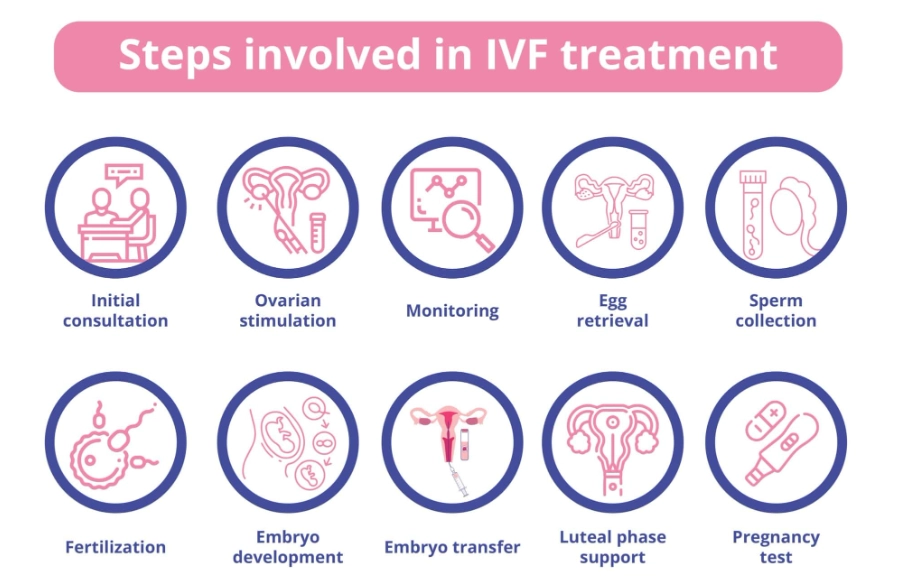
Step One: The Diagnosis & Evaluation Phase
You can't fix what you haven't measured. This phase is about gathering data, not jumping to conclusions. It feels slow, but it's the most critical part of the journey.
Initial Assessments You Can Start With
Before even seeing a specialist, get observant. Track your menstrual cycle diligently—not just start and end dates, but cervical mucus quality and basal body temperature (BBT). Apps can help, but a simple chart works. For men, a basic at-home sperm test kit can give a very preliminary indication, though it's no substitute for a lab analysis. The goal here is to have concrete information to bring to a doctor, moving the conversation past "we're trying" to "here's what we've observed."
The Fertility Work-Up: What to Expect at the Clinic
A reproductive endocrinologist (REI) will run a battery of tests. It's not random; it's a structured search for common culprits. Here’s a typical breakdown:
| For The Female Partner | For The Male Partner | What It Checks For |
|---|---|---|
| Day 3 FSH & Estradiol | Semen Analysis | Ovarian reserve & sperm count/motility/morphology |
| Anti-Müllerian Hormone (AMH) | Hormone Testing (Testosterone, FSH) | Egg supply potential & hormonal imbalances |
| Hysterosalpingogram (HSG) | Physical Exam | Openness of fallopian tubes & varicoceles |
| Transvaginal Ultrasound | Post-ejaculation Urinalysis | Ovarian follicles, uterus structure & retrograde ejaculation |
| Thyroid Panel (TSH) | Genetic Karyotyping (if needed) | Thyroid dysfunction & chromosomal abnormalities |
This process can feel invasive. I've had patients describe the HSG as uncomfortable, even painful for some. But knowing your tubes are clear is invaluable data. Unexplained infertility—where all tests come back normal—is a real and frustrating diagnosis, accounting for up to 30% of cases. It doesn't mean nothing is wrong; it means our current tests can't detect it, and treatment often becomes more empirical.
Lifestyle Adjustments That Actually Move the Needle
Everyone talks about lifestyle, but they often get the emphasis wrong. It's not about achieving perfection; it's about removing major roadblocks and optimizing the biological environment. Think of it as preparing the soil before planting a seed.
Nutrition is foundational, not optional. A Mediterranean-style diet—rich in vegetables, fruits, whole grains, legumes, nuts, and olive oil, with moderate fish and poultry—is consistently linked to better fertility outcomes for both men and women. The goal is to reduce inflammation and provide key nutrients like folate, zinc, and omega-3s. I tell clients to focus on adding good things first: an extra serving of leafy greens, a handful of walnuts as a snack. Drastic restriction diets often add stress.
Exercise needs a Goldilocks approach. Too little leads to weight issues and insulin resistance (a big player in PCOS). Too much, especially intense endurance training, can suppress ovulation and reduce sperm quality. The sweet spot is moderate, regular activity—think brisk walking, swimming, or yoga—for 30 minutes most days. If your periods become irregular after ramping up exercise, that's a red flag.
Stress management is the most underrated tool. Chronic stress elevates cortisol, which can disrupt the delicate hormonal dance needed for ovulation and implantation. I'm not talking about "just relax and it'll happen"—that's infuriating advice. I'm talking about concrete, evidence-backed practices: mindfulness meditation (apps like Headspace have specific fertility tracks), acupuncture (shown in some studies, like those reviewed by the American Society for Reproductive Medicine, to potentially improve outcomes, especially with IVF), and even cognitive behavioral therapy (CBT). It's about regulating your nervous system, not wishing stress away.
Then there are the non-negotiables: smoking destroys egg and sperm quality. Alcohol should be heavily minimized (total avoidance is ideal during active treatment). Recreational drugs are a hard no. And weight—both low and high BMI—can shut down reproductive function. A 5-10% reduction in body weight for those in the overweight/obese range can restart ovulation naturally in many cases.
Navigating Medical Treatment Options
When lifestyle isn't enough, medical science steps in. The path isn't linear; it's a ladder, often starting with the least invasive and moving up based on your diagnosis.
Ovulation Induction & Timed Intercourse
For women who aren't ovulating regularly (like with PCOS), medications like Clomid (clomiphene citrate) or Letrozole are first-line. They stimulate the ovaries to produce mature follicles. This is combined with monitoring via ultrasound to see follicle growth and a "trigger shot" (hCG) to induce ovulation precisely. You're then given a specific window for intercourse or intrauterine insemination (IUI). Success rates per cycle are modest (10-20%), but it's a low-cost starting point for many.
Intrauterine Insemination (IUI)
Often paired with ovulation drugs. Washed, concentrated sperm is placed directly into the uterus around ovulation, bypassing the cervix. It helps with mild male factor issues, cervical mucus problems, or unexplained infertility. It's more effective than timed intercourse alone but less so than IVF.
In Vitro Fertilization (IVF)
This is the heavy artillery. Eggs are retrieved after ovarian stimulation, fertilized with sperm in a lab, and resulting embryos are transferred into the uterus. It overcomes a huge range of problems: blocked tubes, severe male factor (using ICSI—intracytoplasmic sperm injection), endometriosis, and age-related decline. Success rates are higher per transfer but come with significant financial, physical, and emotional costs. A common pitfall? Not asking your clinic for their lab-specific success rates for your age group, which you can find on the CDC's ART Success Rates website. National averages don't tell your clinic's story.
Surgical Interventions
For specific anatomical issues: laparoscopy to remove endometriosis lesions or ovarian cysts, hysteroscopy to remove polyps or fibroids that distort the uterine cavity, or varicocele repair to improve sperm parameters. Surgery is diagnostic and therapeutic but isn't always the first step.
When and How to Seek Professional Help
Timing is everything. Don't let the "try for a year" rule paralyze you if you have red flags. See a doctor (start with your OB/GYN or a urologist for men) sooner if:
You're over 35. Your cycles are irregular (less than 21 or more than 35 days) or absent. You have a history of pelvic inflammatory disease, endometriosis, or known fibroids. Your partner has a known low sperm count or a history of testicular injury/surgery. You've had two or more miscarriages.
Finding the right specialist is key. A reproductive endocrinologist (REI) is an OB/GYN with extra fellowship training in infertility. They are the experts for complex cases. Come prepared to your first appointment: bring your cycle charts, any prior test results, a list of medications, and a clear history. Be ready to talk about your partner's health too. A good REI will see you as a team.
Your Fertility Questions, Answered






Leave a comment