You type "factors affecting fertility" into Google, and you get a million articles listing the same five things. Age. Lifestyle. Health. They're not wrong. But after a decade of talking to couples, reviewing charts, and seeing what actually moves the needle, I've found the standard list misses the nuance. It treats these factors like separate checkboxes, when in reality, they're threads in a single, tangled knot. Let's cut through the noise. The five main factors are: biological age and ovarian reserve, reproductive system health, lifestyle and body composition, environmental and chemical exposures, and psychological stress. But understanding how they interact is where the real power lies.
What's Inside?
- Factor 1: The Unforgiving Clock – Biological Age & Ovarian Reserve
- Factor 2: The Physical Machinery – Reproductive System Health
- Factor 3: The Foundation You Build – Lifestyle & Body Composition
- Factor 4: The Invisible Assault – Environmental & Chemical Exposures
- Factor 5: The Mind-Body Link – Psychological Stress & Mental Well-being
- Your Fertility Questions, Answered Honestly
Factor 1: The Unforgiving Clock – Biological Age & Ovarian Reserve
Everyone knows fertility declines with age. It's the headline. But the public health messaging often fails on the specifics, leaving people with a vague anxiety instead of a plan. The decline isn't a gentle slope; it's more like a series of cliffs.
For women, the most critical element isn't the birthday you celebrate, but your ovarian reserve – the number and quality of eggs left. You're born with all the eggs you'll ever have. Around age 32, the decline in both quantity and quality starts to accelerate. By 37, the pace picks up significantly. This isn't just about having fewer chances; it's about a higher likelihood of chromosomal abnormalities, which is a leading cause of miscarriage and failed IVF cycles.
Here's a concrete scenario most articles don't paint: A 35-year-old woman and a 39-year-old woman might both have "diminished ovarian reserve" on paper. But the 35-year-old's eggs, on average, still have a better chance of being chromosomally normal. That difference can mean needing 2 egg retrieval cycles versus 4 to get a single viable embryo. The financial, physical, and emotional toll of that gap is enormous.
Factor 2: The Physical Machinery – Reproductive System Health
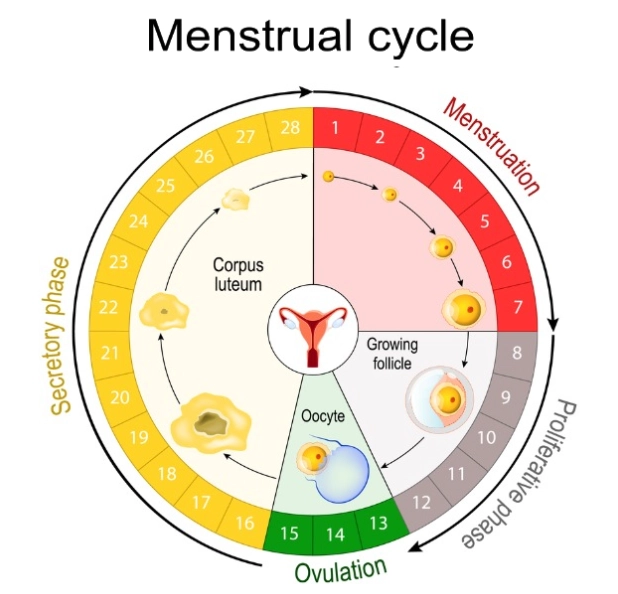
If age is the clock, this is the plumbing and wiring. Both partners' systems need to be functional. For women, this means open fallopian tubes, a healthy uterine cavity free of polyps or fibroids that might impede implantation, and regular ovulation. Conditions like PCOS (Polycystic Ovary Syndrome) and endometriosis are major players here. PCOS often causes irregular or absent ovulation. Endometriosis can cause inflammation and scarring that damages tubes and ovaries.
For men, it's about sperm production and delivery. A basic semen analysis looks at count, motility (movement), and morphology (shape). But here's a subtle point many miss: a man can have a "normal" semen analysis but still have high levels of sperm DNA fragmentation, which can cause embryo failure. It's a test often overlooked in initial workups.
Let's talk about a specific, often-overlooked issue: hydrosalpinx. This is a blocked, fluid-filled fallopian tube. The fluid can leak into the uterus, creating a toxic environment for an embryo. Even with perfect eggs and sperm, implantation often fails until that tube is addressed, usually via laparoscopic surgery. It's a perfect example of a single, fixable mechanical problem derailing the entire process.
Factor 3: The Foundation You Build – Lifestyle & Body Composition
This is the factor people feel they have the most control over, and that's both empowering and frustrating. It's not just "be healthy." It's about specific levers you can pull.
| Lifestyle Factor | How It Affects Fertility | The Non-Obvious Detail |
|---|---|---|
| Body Weight (BMI) | Both low and high BMI can disrupt hormone balance (leptin, insulin) and ovulation in women. In men, obesity is linked to lower testosterone and poorer sperm quality. | For women with PCOS, losing just 5-10% of body weight can restart ovulation more effectively than some medications. It's not about being skinny; it's about hitting a metabolic reset. |
| Nutrition | A Mediterranean-style diet (rich in plants, healthy fats, whole grains) is consistently linked to better fertility outcomes in both men and women. | The biggest mistake? Focusing only on supplements. A prenatal vitamin is a safety net, but it can't compensate for a diet high in processed foods and sugar, which drive inflammation. |
| Exercise | Moderate exercise improves circulation and insulin sensitivity. Intense, prolonged exercise (like marathon training) can suppress ovulation. | The sweet spot is about 30 minutes of moderate activity most days. If your periods become irregular or stop with increased training, that's your body signaling it's too stressed to support a pregnancy. |
| Smoking & Alcohol | Smoking accelerates egg loss and damages sperm DNA. Heavy alcohol use disrupts hormones. | "Social smoking" or a few drinks a week isn't a fertility death sentence, but it's adding unnecessary friction. The data from the CDC and American Society for Reproductive Medicine is clear: quitting improves odds across the board. |
| Caffeine | High intake (>500mg/day, about 5 cups of coffee) may be associated with delayed conception. | You don't need to go cold turkey. Staying under 200-300mg (1-2 cups) is generally considered safe and avoids the withdrawal headaches that add to your stress. |
See the pattern? It's about balance and reducing systemic inflammation. Your body needs to believe it's in a safe, resource-rich environment to support a pregnancy.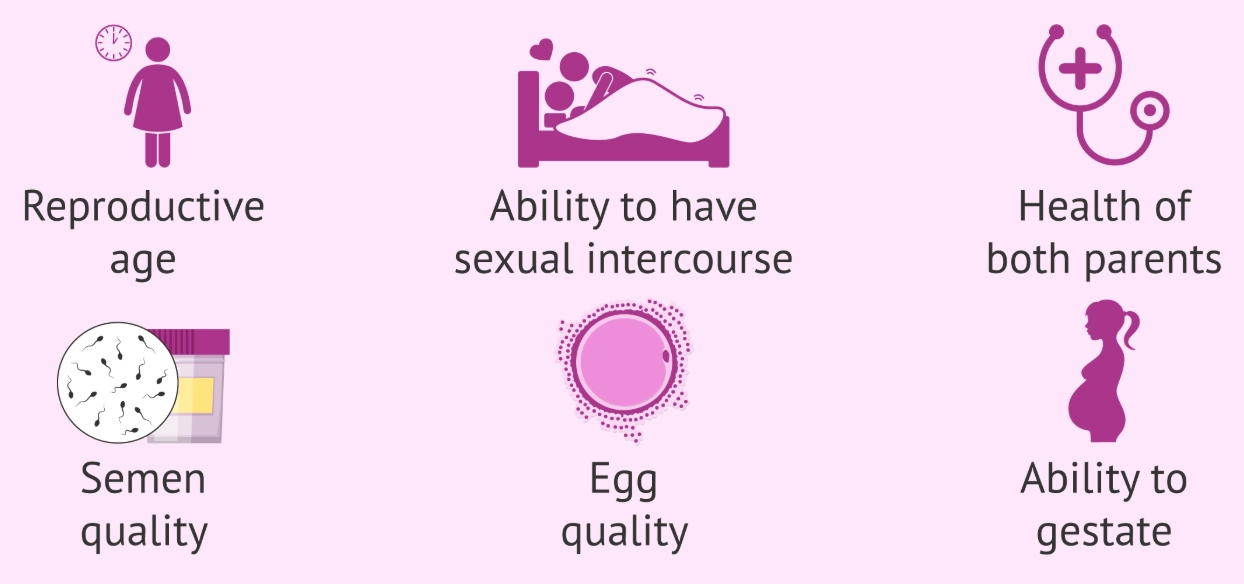
Factor 4: The Invisible Assault – Environmental & Chemical Exposures
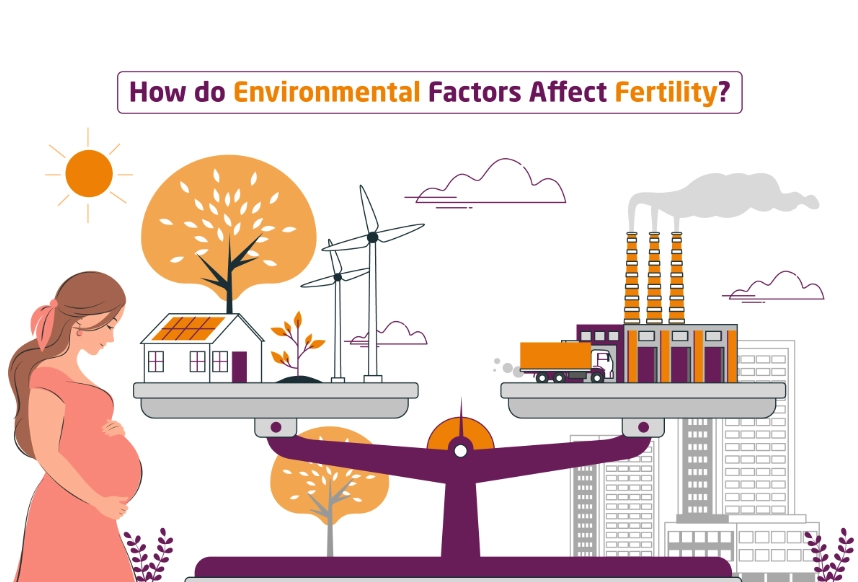
This is the creeping factor most people are unaware of until they dive deep. We're surrounded by endocrine-disrupting chemicals (EDCs) that can mimic or interfere with our natural hormones.
Where they lurk: Certain plastics (BPA, phthalates), pesticides on non-organic produce, receipts (thermal paper often contains BPA), some cosmetics and personal care products (parabens, synthetic fragrances), and non-stick cookware (PFOA/PFAS).
The mechanism is insidious. These chemicals don't necessarily cause immediate illness. Instead, they can subtly alter hormone signaling. In women, this might mean poorer egg quality or disrupted cycles. In men, it can lead to reduced sperm count. The National Institute of Environmental Health Sciences (NIEHS) has extensive research linking EDCs to reproductive health issues.
You can't live in a bubble, but you can make smarter swaps:
- Swap plastic food containers for glass or stainless steel.
- Choose fresh, organic produce when possible, especially for the "Dirty Dozen" (like strawberries, spinach).
- Use a water filter.
- Read labels on personal care products and opt for simpler formulations.
It feels overwhelming, I know. Don't try to do it all at once. Start with your water bottle and food storage. That's a huge win.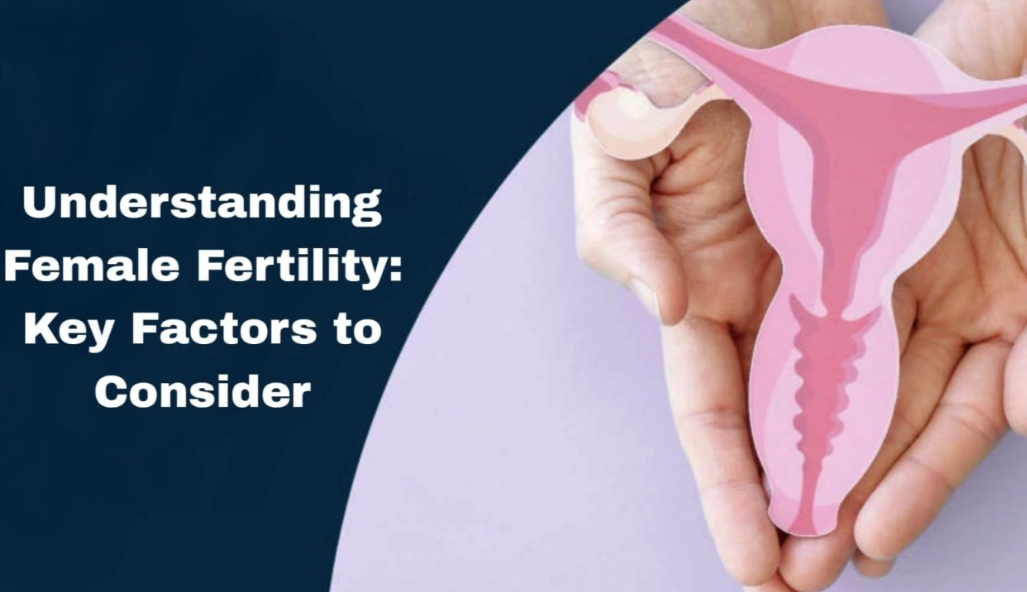
Factor 5: The Mind-Body Link – Psychological Stress & Mental Well-being
"Just relax and it will happen." It's the worst advice anyone struggling with fertility can hear. It blames them. But dismissing the connection between stress and fertility is also naive.
Chronic, high-level stress activates the hypothalamic-pituitary-adrenal (HPA) axis. This can downregulate the hypothalamic-pituitary-gonadal (HPG) axis – the very system that governs reproduction. In plain English, your body's "fight or flight" mode can put your "make a baby" mode on hold.
The impact is more pronounced on ovulation than implantation. Stress can delay or prevent ovulation altogether. It's not that a bad day at work causes infertility. It's that unrelenting, chronic stress—often from the fertility journey itself—creates a physiological roadblock.
The goal isn't a stress-free life (impossible). It's about building resilience and finding off-ramps from the stress cycle. This isn't fluffy self-care; it's physiological regulation.
- Mindfulness & CBT: Proven to lower cortisol levels and improve outcomes in fertility treatment, as shown in studies published in journals like Fertility and Sterility.
- Moderate Exercise: As mentioned, it's a potent stress-reliever.
- Setting Boundaries: With family asking about baby plans, with the endless Google spirals at 2 AM.
- Seeking Support: A therapist specializing in reproductive health or a support group can be game-changing.
Your Fertility Questions, Answered Honestly
I'm 38 and we've been trying for 6 months. When should we see a specialist instead of just "keeping at it"?
The standard advice is to try for a year if you're under 35, and six months if you're 35 or older. At 38, I'd recommend making that appointment now. Wait times for reproductive endocrinologists can be months long. Use the time to get basic pre-conception bloodwork (AMH, FSH, thyroid) and a semen analysis done through your OB/GYN or urologist. Walking into the specialist's office with that data saves you a cycle or two of waiting. Time is the one resource you can't get back.
My partner's semen analysis came back "low morphology." Does that mean we can't conceive naturally?
Not necessarily. Morphology (sperm shape) is the most controversial parameter. Strict grading (Kruger criteria) often labels many men as "abnormal." I've seen countless couples conceive naturally with low morphology alone. It becomes a bigger concern when paired with low count or motility. The key question is: are enough normal-shaped sperm getting to the right place? Don't let a single abnormal test result spiral you into panic. It's a data point, not a destiny. A repeat test and a discussion with a urologist are the next logical steps.
 We eat well and exercise. Are there any specific "fertility superfoods" we should be loading up on?
I'm wary of the term "superfood." It creates a magic bullet mentality. The research points to patterns, not single items. Increase your intake of antioxidant-rich foods (berries, leafy greens, nuts) to combat oxidative stress on eggs and sperm. Prioritize healthy fats (avocado, olive oil, fatty fish) for hormone production. Get enough fiber from vegetables and legumes to help regulate estrogen. A handful of walnuts or pumpkin seeds is a great snack for zinc and selenium. But if you're eating a balanced, whole-foods diet, you're already covering 95% of it. Don't stress about drinking a gallon of pomegranate juice because a blog told you to.
How much does stress really affect fertility, and what's the most practical first step to manage it?
For most people, it's a contributing factor, not the sole cause. The most practical, immediate step is to incorporate 5-10 minutes of diaphragmatic breathing daily. It sounds too simple, but it directly stimulates the vagus nerve, shifting your nervous system out of "fight or flight." Inhale deeply for a count of 4, letting your belly expand. Hold for 2. Exhale slowly for a count of 6. Do this before bed or when you feel the anxiety rising. It's a tool you always have with you, costs nothing, and has direct physiological effects. It's more effective than trying to "not think about it."
The five factors—age, health, lifestyle, environment, stress—don't operate in a vacuum. A 40-year-old with pristine habits and low stress may have better odds than a 30-year-old who smokes, has untreated PCOS, and is chronically overwhelmed. The goal isn't perfection. It's awareness. It's understanding which threads in your personal knot you can loosen, which you need professional help to untangle, and moving forward with a clear-eyed plan, not just hope.


Leave a comment